

We may earn a commission when you buy through links on this page, at no extra cost to you. Learn more.
This santa margherita wine review finds that Santa Margherita is a strong choice for drinkers who enjoy fresh, dry Italian wines, particularly crisp Pinot Grigio with apple, citrus, and refreshing acidity. The producer’s range also includes Prosecco, Rosé, Sparkling Rosé, and Chianti Classico Riserva, making it more than a single-wine brand. Its signature white wine favors freshness and versatility over deep oak influence or heavy complexity, so the best bottle depends on whether you want an everyday seafood companion, celebratory bubbles, or a more structured red.
Santa Margherita has a distinctive place in the American Italian-wine market because its Pinot Grigio helped popularize a recognizable style of dry, pale, refreshing white wine. The brand’s history reaches back to 1935, while its signature approach to Pinot Grigio dates to 1961. Understanding its regional origins, different wine categories, and serving characteristics makes it easier to choose a bottle that suits a particular meal or occasion.
Who This Is For
Santa Margherita is especially suitable for wine drinkers who prefer fresh fruit, clean aromas, moderate alcohol, and food-friendly acidity. Its signature Pinot Grigio is the natural starting point, although the wider portfolio offers alternatives for people who prefer sparkling wine, rosé, or traditional Italian reds.
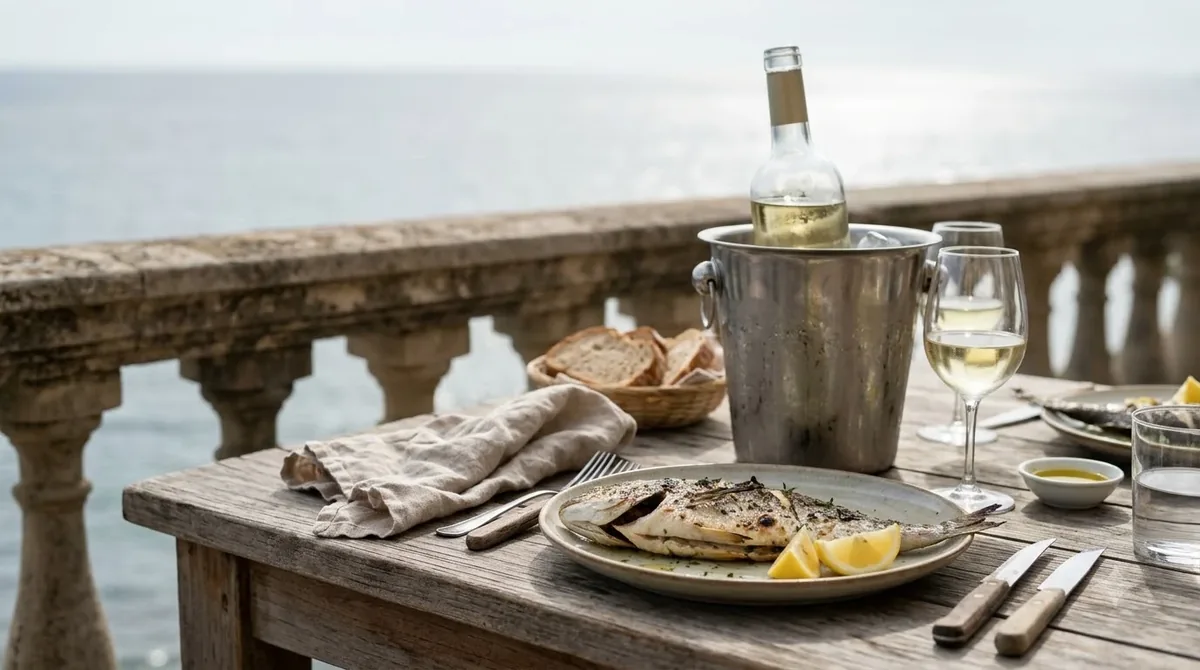
Start with the classic Pinot Grigio if your usual choices include Sauvignon Blanc, Pinot Blanc, or other refreshing dry whites. Santa Margherita describes its signature bottling as bright and well-balanced, with Golden Delicious apple aromas. Independent tasting commentary from VinePair also identifies lemon, apple, and honeydew melon, alongside a mineral-driven finish. These characteristics make it particularly suitable for people who enjoy fruit without pronounced sweetness. The producer’s official Pinot Grigio description and serving recommendations provide additional details about its intended style.
The wine is also a practical option for entertaining. A bottle can work as an aperitif before dinner, accompany shellfish or seafood pasta, and remain appropriate alongside lighter main courses. Its versatility is useful when a meal includes several dishes rather than one elaborate centerpiece. Fresh cheeses, white meats, and soufflés are among the pairings recommended by the producer.
However, drinkers who prioritize concentrated flavors, pronounced oak, or complex aging characteristics may prefer a different style. VinePair specifically identifies limited complexity as a drawback of its reviewed Pinot Grigio. That does not make the wine unsuccessful; it clarifies its purpose. Santa Margherita’s best-known white is designed around freshness and accessibility rather than the layered texture of an extensively aged Chardonnay.
The wider portfolio also gives existing customers reasons to explore beyond the familiar white bottle. Prosecco Superiore is relevant for celebrations, Rosé suits casual meals and warm-weather gatherings, and Chianti Classico Riserva offers a more substantial red-wine direction. The brand is therefore worth considering for households that enjoy several Italian wine styles.
Key Factors to Compare
Before choosing a Santa Margherita bottle, compare the grape variety, wine style, alcohol level, regional designation, and intended occasion. The signature Pinot Grigio provides a useful reference point because the producer publishes specific information about its vineyard, production, and recommended serving conditions.
The following figures come from the producer’s American-facing Pinot Grigio product information. They provide practical guidance for identifying the wine’s intended style rather than suggesting that every bottle in the wider portfolio shares identical specifications.
| Factor | Published detail | What it means for buyers |
|---|---|---|
| Grape | Pinot Grigio | A dry, fresh white-wine style |
| Production zone | Adige River Valley | Northern Italian regional character |
| Alcohol | 12.5% ABV | Moderate-strength white wine |
| Serving temperature | 50–54°F | Chilled but not excessively cold |
| Vineyard altitude | 985–1,475 feet | Mountain-valley growing conditions |
| Planting density | 1,620–2,025 vines per acre | Published vineyard specification |
| Harvest period | First half of September | Producer’s stated harvest window |
| Suggested aging potential | 1–2 years | Best approached as a fresh wine |
These specifications are useful because Pinot Grigio can vary considerably in body, texture, and aroma depending on growing conditions and winemaking. Santa Margherita’s approach emphasizes gentle handling and temperature-controlled fermentation. Its published production details describe hand harvesting, soft crushing, and additional weeks of aging before bottling. This helps preserve the fresh fruit character associated with the wine.
Regional designation deserves attention when comparing different bottles. Santa Margherita’s broader Italian portfolio includes wines associated with Alto Adige, Valdadige, and other northern Italian areas. These names indicate different origins and should not automatically be treated as interchangeable. For example, the producer also lists Pinot Grigio Impronta del Fondatore Alto Adige DOC and Pinot Grigio Valdadige DOC in its Italian wine range.
Finally, consider whether the wine needs to serve one specific purpose. A dry white for shellfish is a different purchase from a bottle of Prosecco for a toast or a structured red for a roast dinner. Choosing by occasion first, then narrowing the selection by grape and region, is more reliable than assuming every Santa Margherita wine tastes like its flagship Pinot Grigio.
Step-by-Step: How to Choose a Santa Margherita Bottle
A straightforward selection process starts with the occasion and finishes with serving conditions. The following steps help match the brand’s different categories to the food, drinking preferences, and setting.
-
Decide whether you want still or sparkling wine.
Choose Pinot Grigio or Rosé for a still wine. Select Prosecco Superiore or Sparkling Rosé when you want bubbles for an aperitif, celebration, or party. This first decision eliminates several categories that may not suit your meal.
-
Choose a grape and flavor direction.
Pinot Grigio is the logical starting point for crisp apple and citrus character. Prosecco uses Glera as its principal grape and typically emphasizes lively fruit and refreshing bubbles. Chianti Classico Riserva is the red-wine direction for people who want more tannin and structure.
-
Consider the food.
For shellfish, grilled white fish, seafood pasta, and fresh cheeses, begin with Pinot Grigio. For a richer red-meat dish, consider Chianti Classico Riserva. Sparkling wine works particularly well as a pre-dinner drink or with light appetizers.
-
Look at the regional designation.
Alto Adige, Valdadige, and Conegliano-Valdobbiadene represent different northern Italian wine areas. A bottle identified with Valdobbiadene Prosecco Superiore DOCG belongs to a different category from an Adige Valley Pinot Grigio. Regional names provide useful information about origin and style.
-
Check the alcohol level and serving recommendations.
The signature Pinot Grigio is listed at 12.5% ABV, with a recommended serving temperature of 50–54°F. Other wine categories have different specifications, so use their individual product information when comparing bottles.
-
Choose freshness over unnecessary aging for the flagship white.
Santa Margherita recommends enjoying its signature Pinot Grigio within one to two years. This is a practical indication that its appeal rests on freshness, rather than extended bottle development.
-
Plan the quantity for the occasion.
A standard 750 ml bottle provides approximately five 5-ounce glasses. For four adults sharing wine over dinner, one bottle may be sufficient for a moderate pour, while a longer gathering may call for additional bottles or a second style.
These steps also help avoid buying a wine simply because its label is familiar. Someone who enjoys the classic Pinot Grigio may find that a Prosecco suits a celebration better, while a guest who usually drinks red wine may appreciate the Chianti Classico Riserva more. Matching the bottle to its purpose is the most useful way to approach the portfolio.
Tip: If you are buying Santa Margherita for the first time, begin with its signature Pinot Grigio and serve it at 50–54°F. This gives you a clear reference for the brand’s best-known style before exploring its Prosecco, Rosé, or red wines.
Types and Styles Explained
Santa Margherita produces several Italian wine categories rather than concentrating exclusively on Pinot Grigio. Its American-facing portfolio includes still whites, rosé, sparkling wines, and Chianti Classico Riserva, while its Italian portfolio provides additional regional expressions of northern Italian grapes.
Pinot Grigio: This is the signature style and the most recognizable starting point. The producer’s description emphasizes a straw-yellow appearance, clean aromas, Golden Delicious apple character, and a dry, refreshing palate. It is particularly suitable for light meals, seafood, and casual entertaining. For more detail on the flagship bottling, see our guide to santa margherita pinot grigio.
Other white wines: Santa Margherita’s Italian portfolio includes Chardonnay Vigneti delle Dolomiti IGT, Gewürztraminer Trentino DOC, Müller Thurgau Trentino DOC, and additional Pinot Grigio expressions. These grapes provide alternatives to the familiar apple-and-citrus profile. Gewürztraminer, for example, is a useful variety to investigate if you prefer more aromatic white wines, while Chardonnay offers a different approach to white-wine texture.
Prosecco Superiore: The sparkling category includes Valdobbiadene Prosecco Superiore DOCG, Rive di Refrontolo, and Cartizze. Prosecco is primarily made from Glera and commonly uses the tank method, which preserves fresh fruit character and lively bubbles. Dryness terminology is important: Brut is drier than Extra Dry, despite the potentially confusing wording on sparkling-wine labels.
Rosé and Sparkling Rosé: These categories offer an alternative for drinkers who want something between a conventional white and a red. Still rosé is suitable for casual lunches, appetizers, and lighter dishes, while sparkling rosé adds effervescence for celebrations. The exact grape composition and sweetness should be considered separately for each bottling.
Chianti Classico Riserva: This is the portfolio’s more structured red-wine direction. Chianti Classico is associated with Sangiovese and the hills of Tuscany, offering a markedly different experience from northern Italian Pinot Grigio. Expect a more substantial food pairing role, particularly with tomato-based dishes, roasted meats, and aged cheeses.
The distinction between these categories matters because brand recognition alone cannot tell you what a particular bottle will deliver. A person who enjoys the flagship white may not automatically prefer the sparkling or red wines. Exploring the broader Santa Margherita wine range is most useful when the goal is to find different styles for different occasions.
Common Mistakes When Buying and Serving
The most common mistake is assuming that every Santa Margherita wine has the same crisp, light profile as its signature Pinot Grigio. Another is serving the flagship white too cold, which can mute the aromas that make the wine enjoyable.
One frequent misconception concerns sweetness. Santa Margherita’s signature Pinot Grigio is described as dry, not sweet. The apple and citrus aromas are fruit characteristics rather than evidence of residual sugar. Someone who wants a genuinely sweet wine should distinguish between ripe fruit aromas and actual sweetness before making a purchase.
Another mistake is expecting substantial oak, buttery texture, or deep complexity from the flagship Pinot Grigio. Its appeal comes from freshness and a clean finish. VinePair’s review highlights its crisp acidity and mineral-driven character, while also noting that the wine does not offer particularly complex character. Buyers who want a more layered white may prefer to investigate Chardonnay or another fuller-bodied style. The independent Santa Margherita Pinot Grigio review from VinePair provides another perspective on these strengths and limitations.
Serving temperature is equally important. Pouring the wine directly from an extremely cold refrigerator can make its aromas less expressive. The producer’s 50–54°F recommendation provides a better starting point. Allowing a glass to warm slightly can reveal more of the apple and citrus character without making the wine feel heavy.
Food pairing errors can also affect the experience. Highly acidic food generally needs wine with equal or higher acidity, so lemon-heavy seafood dishes are a natural match for fresh Pinot Grigio. Very spicy dishes can make alcoholic wines seem hotter, while heavily tannic reds can intensify the impression of chili heat. For oily fish, a fresh white is generally a safer choice than a strongly tannic red.
Finally, avoid treating every bottle as a long-term cellar candidate. The producer recommends enjoying its signature Pinot Grigio within one to two years. Purchasing this particular wine for freshness is more sensible than expecting it to develop the complex tertiary aromas associated with carefully aged wines.
Care and Storage Tips
Good storage and serving habits help preserve Santa Margherita’s fresh fruit characteristics. The signature Pinot Grigio is intended to be enjoyed relatively young, while the correct temperature and glass shape make an immediate difference when pouring.
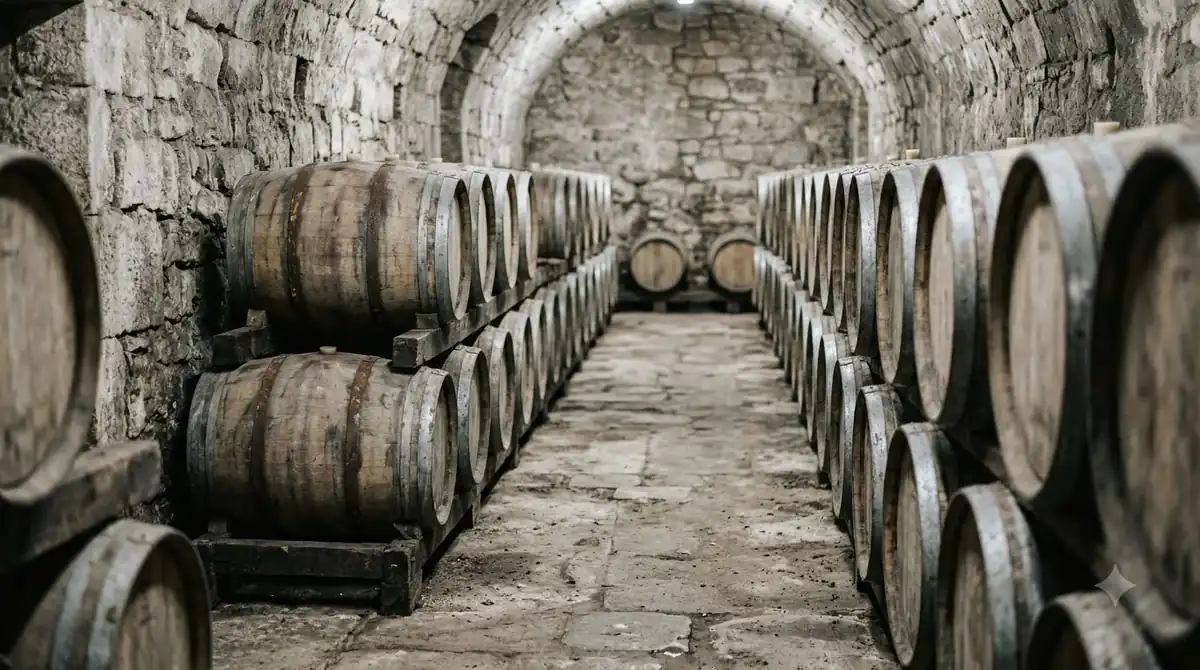
Keep unopened bottles away from direct sunlight, heat sources, and repeated temperature changes. A cool storage area near 55°F is a useful general target for wine. Bottles with natural cork closures are generally best stored on their sides to help prevent the cork from drying out. Avoid keeping wine beside ovens, radiators, or sunny windows.
For the flagship Pinot Grigio, refrigeration before serving is appropriate. Aim for the producer’s recommended 50–54°F rather than serving it at the coldest refrigerator temperature. A medium-sized tulip-shaped glass that narrows toward the rim is the producer’s suggested choice because it helps concentrate the wine’s aromas.
Pouring also affects the experience. A standard wine serving is approximately 5 ounces, which means a 750 ml bottle provides around five glasses. Leaving enough room in the glass makes it easier to appreciate the aroma and gently swirl the wine without spilling.
Once opened, reseal the bottle and return it to the refrigerator. Most opened still wines retain their best characteristics for approximately three to five days when properly stored, although delicate aromas may fade earlier. Keeping the wine cold slows oxidation, and a sound stopper helps limit contact with air.
For sparkling wines, use a suitable sparkling-wine stopper rather than an ordinary flat bottle stopper. Opened sparkling wine generally keeps for approximately one to three days under refrigeration, although the bubbles gradually diminish. The same general principle applies to Prosecco: preserve the carbonation and keep the bottle chilled between pours.
Storage should reflect the style rather than the brand name. Fresh Pinot Grigio benefits from relatively short storage, while a more structured red may have different development potential. For broader advice about choosing and storing different bottles, explore our Santa Margherita white wine coverage and the wider Wine Brands collection.
Frequently Asked Questions
Is Santa Margherita Pinot Grigio a premium wine?
Santa Margherita occupies a recognizable position in the Italian Pinot Grigio category, with a production history dating to 1961. Its flagship wine is best understood as a quality-focused, widely recognized dry white rather than a bottle intended to demonstrate extreme cellar complexity. Its appeal is consistency of style, freshness, and food versatility.
Is Santa Margherita Pinot Grigio vegan?
Vegan suitability depends on the fining and filtration materials used for the particular bottling and production run. The general wine style does not establish whether animal-derived processing aids were used. Buyers following a strict vegan diet should seek confirmation from the producer for the specific bottle.
Does Santa Margherita produce wine outside Italy?
The producer’s published wine portfolio identifies its featured wines as Italian regional varietals. Its listed territories include Eastern Veneto, Conegliano-Valdobbiadene, and Alto Adige. The brand’s international distribution does not mean that its signature wines are produced in the United States.
What is the difference between Pinot Grigio and Pinot Gris?
Pinot Grigio and Pinot Gris are names for the same grape variety, although regional winemaking traditions often produce different styles. Italian Pinot Grigio is commonly associated with crisp acidity and a lighter body, while some Pinot Gris from other regions can be richer and more textured. Santa Margherita’s signature interpretation follows the fresh Italian white-wine tradition.
Can Santa Margherita Pinot Grigio be used for cooking?
Yes. A dry Pinot Grigio can be used in seafood risotto, light pan sauces, and dishes involving shellfish. Its acidity helps balance richer ingredients, while its relatively restrained flavor profile does not overwhelm delicate seafood. Use a fresh, drinkable bottle rather than relying on wine that has been open for too long.
Santa Margherita is a worthwhile brand to explore if fresh Italian wine, food-friendly acidity, and recognizable regional styles are priorities. Its signature Pinot Grigio is the clearest starting point, but Prosecco, Rosé, Sparkling Rosé, and Chianti Classico Riserva offer useful alternatives for different occasions. Compare the grape, origin, and intended serving style before choosing, and begin with the classic Pinot Grigio if you want to understand the wine that established the brand’s reputation.
More in Wine Brands
 Underwood Wine Price: Compare Bottles, Cans, and Pack SizesUpdated Nov 21, 2026
 Zenato Wine Price: Compare Styles and Choose the Right BottleUpdated Nov 21, 2026
 Zuccardi Wine Price: Compare Bottles and Find the Right RangeUpdated Nov 21, 2026
 Yellow Tail Moscato Review: Taste, Sweetness and Serving TipsUpdated Nov 21, 2026
 Wolf Blass Yellow Label Review: Choose Your Best StyleUpdated Nov 21, 2026
 Wolffer Estate Rose Review: Choose the Right Bottle for Your TableUpdated Nov 21, 2026