

We may earn a commission when you buy through links on this page, at no extra cost to you. Learn more.
Santa Margherita red wine comes from an Italian producer better known for its white wines, and its reds are organized into a separate category on the company’s website. The brand is part of the HERITA Marzotto Wine Estates group, which is why its bottles can differ in style depending on the region and the grape. This guide explains what to look for on the label and how to serve and pair the reds.
Many American drinkers meet the Santa Margherita name through a crisp white bottle on a restaurant list. When they go looking for a red from the same producer, the choice can feel less clear. This page explains how the brand is organized, what the red category covers, and how to choose and serve a red from the house with confidence. It sticks to what the producer’s site confirms and avoids tasting claims that cannot be checked.
Who makes Santa Margherita
The Santa Margherita brand is presented on its official website as part of HERITA Marzotto Wine Estates, a company that groups several Italian wine producers under one umbrella. That structure matters for buyers because the same parent company can work with vineyards in different parts of Italy. A label may say a region, a grape, or a bottling style, and each of those details helps explain what is in the glass.
The website’s wine menu includes a red category alongside Italian sparkling and white selections, which shows that reds are a formal part of the portfolio rather than an afterthought. Readers who want the company’s own account of its history and regions should check the Storia and Territorio pages on the official site, since those sections describe the producer’s background in more detail than a short guide can.
How the red category is organized
Santa Margherita’s reds are grouped under a dedicated red section on its website, and the layout makes it easy to browse by type rather than by grape alone. For shoppers, that means the best approach is to decide what you want first, such as a light red for a weekday meal or a fuller red for a dinner, and then look for the bottle that matches.
Because the website does not list every red bottling on the home page, it helps to note the grape, the region, and the vintage before you buy. A red that is labeled only with a brand name can vary, so the back label is the most reliable guide to what you are drinking.
| What to check | Why it matters |
|---|---|
| Grape variety | Sets the basic style, from lighter to fuller red |
| Region or DOC name | Signals climate and typical structure |
| Vintage | Affects freshness and how young the wine tastes |
| Bottling style | Tells you whether the wine is meant for early or later drinking |
Choosing a Santa Margherita red
When you choose a red from this producer, start with your meal and your mood. A lighter red suits simple pasta, pizza, and grilled vegetables, while a fuller red suits roast meats and rich sauces. Matching the wine’s weight to the food is usually more useful than chasing a single flavor note.
For a different Italian-style red to compare against, the Antinori red wine guide shows how another producer organizes its bottles. It also helps to read the label closely. Italian producers often name the region and sometimes the grape on the front, and those details tell you more than the brand name alone. If the label is in a different language, a quick look at the grape name will usually be enough to place the bottle in a general style.
How to serve and pair Santa Margherita reds
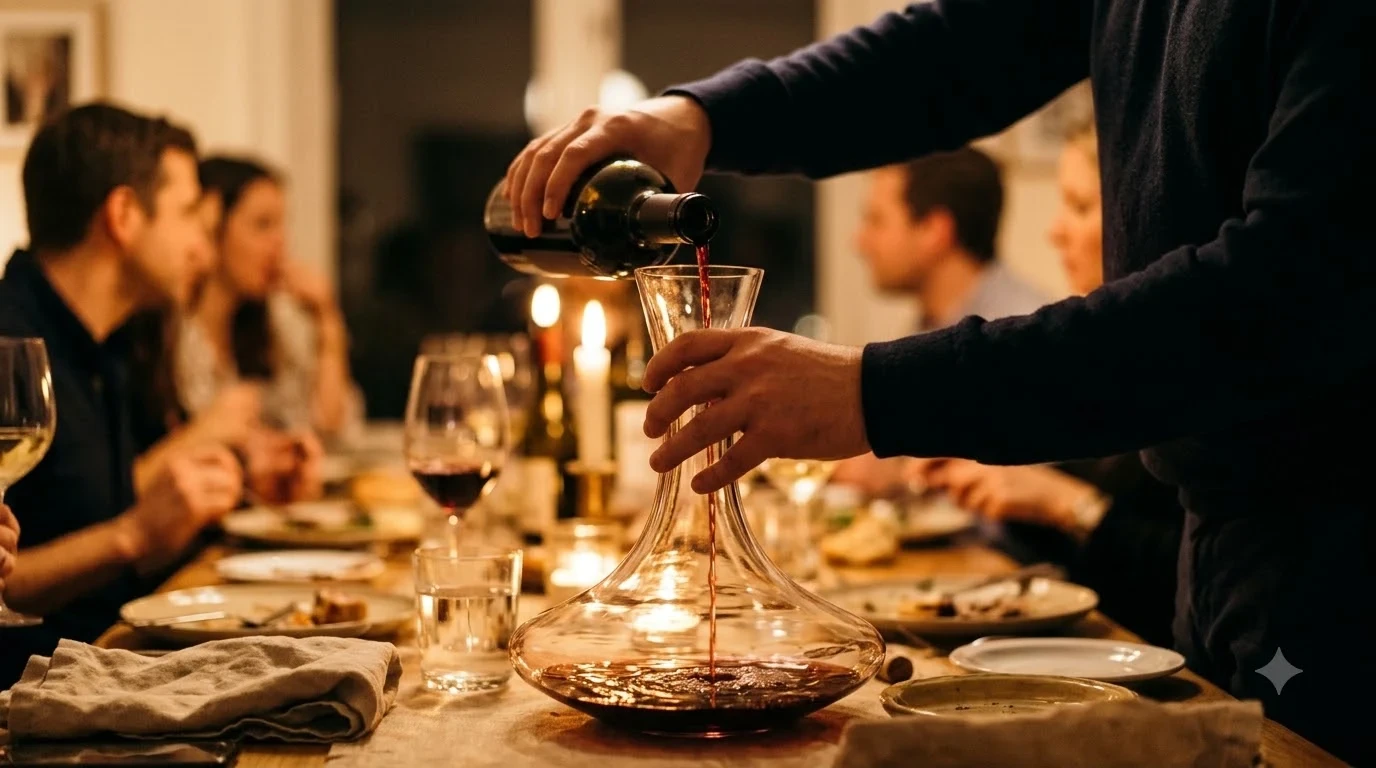
Serve lighter reds a little cooler than fuller ones, and open the bottle a short time before dinner so the aromas can develop. Reds from Italy often work well with food, and most people find they show best with a meal rather than on their own. Tomato-based pasta, grilled sausage, and aged cheeses are reliable matches for a medium-bodied red.
- Pair a lighter red with tomato pasta or pizza.
- Choose a fuller red for roast meat or braised dishes.
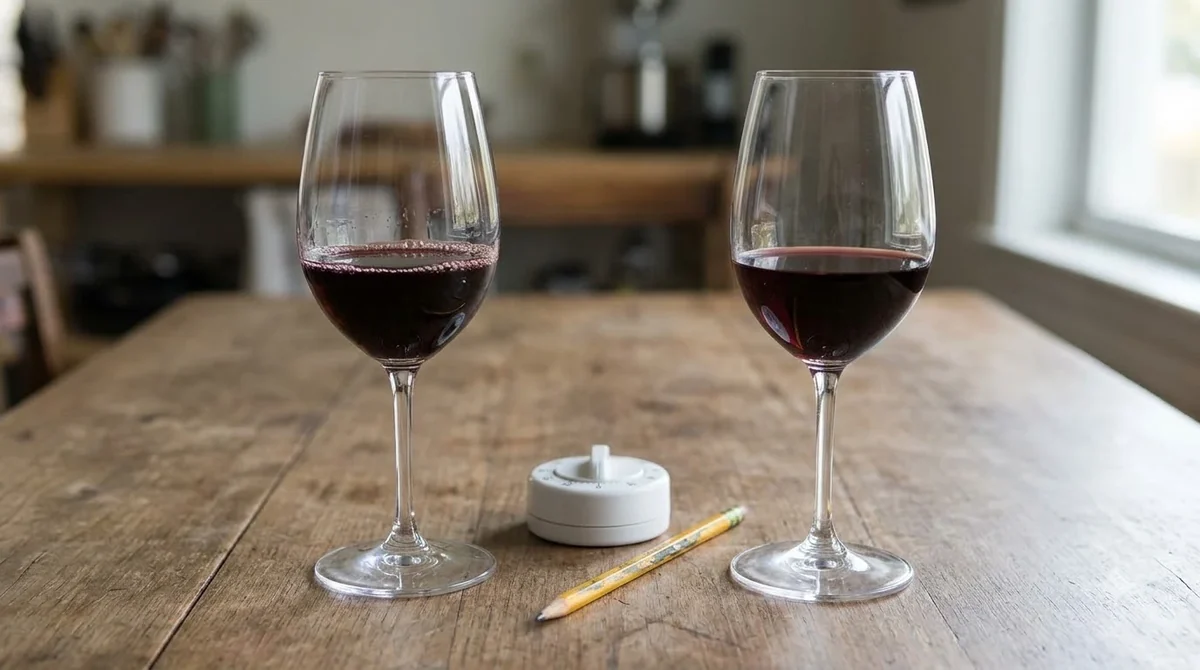
- Let the wine sit in the glass for a few minutes before tasting.
Tip: If you are unsure which red to buy, bring the back label to the shop and ask the staff which style is closest to the one you already like.
Who should try these reds
Santa Margherita reds suit drinkers who already enjoy the house’s white and sparkling wines and want to explore Italian reds in a familiar setting. They are also a sensible choice for a relaxed dinner, where a medium-bodied bottle can pair with several dishes at once. Readers who want a very bold, heavily oaked red may find the style too restrained, and those who prefer dessert wines will need to look elsewhere in the lineup.
Reading an Italian red label
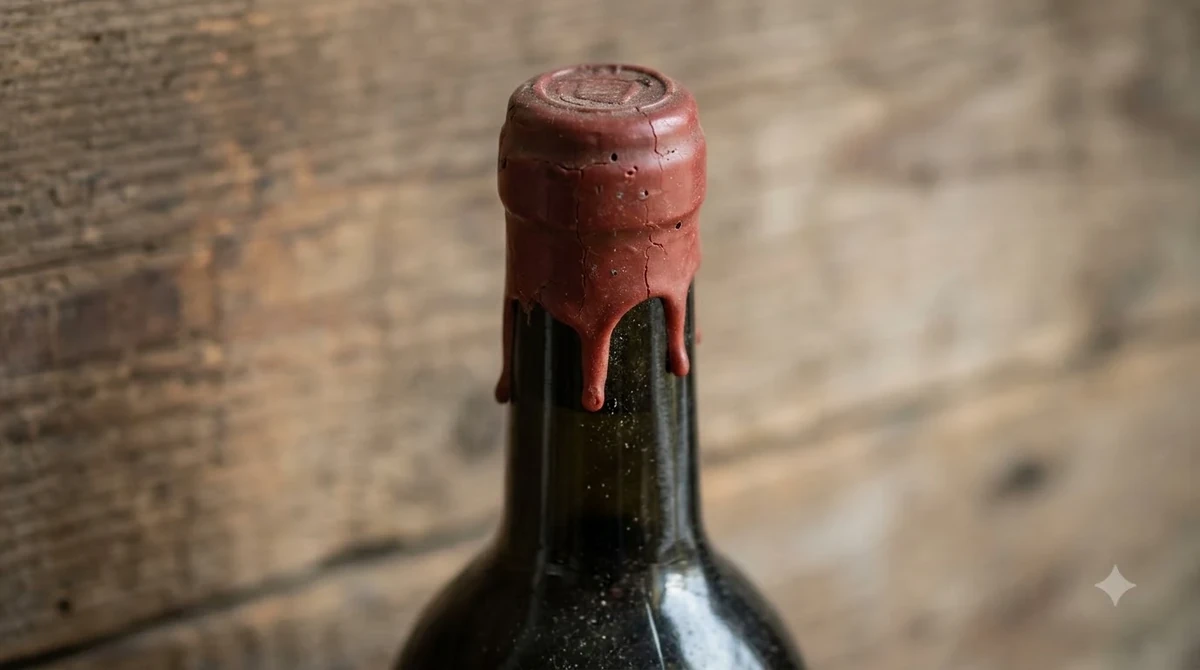
Italian labels can look dense at first, but a few fields do most of the work. The grape name tells you the basic style, the region or appellation signals climate and typical structure, and the vintage shows how fresh the wine should be. A producer name alone does not describe what is in the glass, so reading these details before you buy is the simplest way to avoid a bottle that does not suit you.
If you are shopping in a store with a limited selection, ask the staff to point out the red section and the regional options. A short conversation about the meal you are planning often leads to a better choice than a long label search. Keep a note of the names of the reds you enjoy, so the next purchase is easier.
Storing and serving a red at home
Store reds away from heat and light, ideally in a cool place, and keep the bottle on its side if it will stay closed for a while. Bring a bottle up to a comfortable serving temperature before you pour, since a red that is too warm can taste heavy and a red that is too cold can taste closed. Opening the bottle an hour or so before dinner gives the aromas time to show, and a decanter is useful for younger reds that need air.
Leftover wine keeps best when it is resealed and refrigerated, then brought back to a suitable temperature before the next pour. Lighter reds usually hold their freshness for a shorter time than fuller ones, so plan to finish the bottle within a few days.
Frequently Asked Questions
Is Santa Margherita known for red wine?
The brand is better known for its white and sparkling wines, but its website lists a red category, so reds are part of the portfolio.
Who owns Santa Margherita?
The company’s website presents the brand as part of HERITA Marzotto Wine Estates, a group of Italian wine producers.
How should I serve a red from this producer?
Serve lighter reds a little cooler and fuller reds closer to room temperature, and open the bottle before the meal so it can breathe.
What food goes with Santa Margherita red?
Medium-bodied reds pair well with tomato-based pasta, grilled meats, and aged cheeses. Match the wine’s weight to the dish.
A Santa Margherita red is an easy bottle to enjoy once you know how the brand is organized and what to look for on the label. For the company’s own overview of its wines and regions, visit the Santa Margherita website. The wine brands guide offers more context on how producers differ.
More in Wine Brands
 Underwood Wine Price: Compare Bottles, Cans, and Pack SizesUpdated Nov 21, 2026
 Zenato Wine Price: Compare Styles and Choose the Right BottleUpdated Nov 21, 2026
 Zuccardi Wine Price: Compare Bottles and Find the Right RangeUpdated Nov 21, 2026
 Yellow Tail Moscato Review: Taste, Sweetness and Serving TipsUpdated Nov 21, 2026
 Wolf Blass Yellow Label Review: Choose Your Best StyleUpdated Nov 21, 2026
 Wolffer Estate Rose Review: Choose the Right Bottle for Your TableUpdated Nov 21, 2026