

We may earn a commission when you buy through links on this page, at no extra cost to you. Learn more.
This santa cristina wine review finds the Italian brand a good choice for drinkers seeking approachable wines with recognizable fruit flavors, particularly its smooth Tuscan Rosso and refreshing Pinot Grigio. The range includes red, white, and rosé expressions, so choosing the right bottle depends on your preferred grape style, acidity, body, and food pairing. Its connection to the Antinori wine family adds historical interest, while independent reviews provide useful evidence for assessing individual bottlings rather than assuming every wine tastes the same.
Santa Cristina is a name worth considering if you enjoy Italian wines that work comfortably at everyday meals. The brand’s identity is closely connected to Tuscany, although its selection also includes wines associated with other Italian regions. Its traditional red blends, fresh white wines, and lighter rosé options offer different drinking experiences. Understanding those differences makes it easier to select a bottle for dinner, entertaining, or casual enjoyment without relying on the label alone.
Who This Is For: Understanding the Santa Cristina Wine Range
Santa Cristina is particularly suitable for wine drinkers who appreciate accessible Italian styles rather than demanding, heavily structured bottles. Its Tuscan Rosso offers a fruit-centered red profile, while its Delle Venezie Pinot Grigio provides a lighter alternative with refreshing acidity.
The brand has a substantial history. According to the historical information published by Antinori, the first Santa Cristina vintage was produced in 1946 by Marquis Niccolò Antinori, father of Piero Antinori. The original wine became the foundation for a wider family of bottlings, reflecting the producer’s interest in combining traditional Italian varieties with international grapes.
This history helps explain why Santa Cristina should be considered a wine family rather than one fixed recipe. The original red is associated with Tuscany, but the wider selection includes different grapes, appellations, and colors. Its portfolio has included Rosso, Bianco, Rosato, Le Maestrelle, Campo Grande, and Cipresseto. More recent listings also identify wines such as Vermentino Toscana IGT, Giardino Toscana Rosato, and Bianco Umbria IGT.
For someone new to Italian wine, this variety is useful. A drinker who prefers medium-bodied reds can begin with Rosso, while someone who normally chooses Sauvignon Blanc or uncomplicated Mediterranean whites may prefer Pinot Grigio or Vermentino. Rosato offers another option for people who want fruit character without the structure of a red wine.
Santa Cristina is also worth considering for people who want to explore Italian grapes without committing to a single regional specialty. Sangiovese, Merlot, Syrah, Cabernet, Pinot Grigio, and Vermentino each offer different characteristics. The selection gives shoppers an opportunity to compare those styles under one recognizable brand name.
However, buyers seeking highly concentrated Cabernet Sauvignon, powerful oak-driven Chardonnay, or complex collectible wines should examine individual bottles carefully. Santa Cristina’s appeal is generally centered on drinkability, food compatibility, and recognizable fruit rather than an expectation that every label will deliver the same level of structure or aging potential.
Key Factors to Compare Before Buying Santa Cristina
The most useful comparison points are wine color, grape variety, acidity, tannin, alcohol, and intended serving occasion. Looking at these characteristics before choosing between Rosso, Pinot Grigio, and rosé helps prevent buying a bottle that does not suit the meal or the drinker’s preferences.
Santa Cristina’s official US website describes Rosso as a soft, smooth Tuscan red with aromas of cherries, blackberries, plums, vanilla, and coffee. Its Pinot Grigio Delle Venezie is presented as a fresh white aged briefly in stainless steel tanks. The difference is significant: one is intended for drinkers who enjoy ripe red-fruit character, while the other favors freshness and a lighter texture. The official Santa Cristina wine portfolio provides the producer’s descriptions of these styles.
| Wine or reference | Color or category | Documented details | Typical drinking direction |
|---|---|---|---|
| Santa Cristina Rosso 2016 | Toscana IGT red | 13% ABV; Merlot, Syrah, Sangiovese, Cabernet | Soft, fruity red |
| Santa Cristina Toscana Rosso 2024 | Toscana IGT red | 12.5% ABV; Falstaff tasting score of 91 | Balanced red with dark-fruit character |
| Santa Cristina Pinot Grigio 2024 | Delle Venezie white | 12% ABV; 750 ml; Wine Enthusiast score of 89 | Fresh, citrus-led white |
| Santa Cristina Bianco 2024 | Umbria IGT white | 10.5% ABV; Falstaff score of 90 | Light white with fresh acidity |
| Santa Cristina Vermentino 2024 | Toscana IGT white | 12% ABV; Falstaff score of 88 | Fresh Mediterranean white |
These figures are tied to specific vintages and published listings, not permanent specifications for every bottle carrying the Santa Cristina name. Alcohol content and grape composition can change between vintages. The table is therefore best used as a comparison of documented examples rather than a guarantee about every current release.
Independent assessments provide another useful point of comparison. Wine Enthusiast awarded the 2024 Pinot Grigio 89 points and described nectarine, Meyer lemon, white flowers, and bright acidity. Its Santa Cristina 2024 Pinot Grigio review offers a vintage-specific tasting assessment. Falstaff awarded the 2024 Toscana Rosso 91 points, highlighting preserved black cherry, dark chocolate, black pepper, and a balanced relationship between tannin and acidity.
Those descriptions suggest two different strengths. The Pinot Grigio is a natural starting point for people who prioritize freshness, while the Rosso is more appropriate for drinkers who want recognizable dark-fruit flavors and some grip on the finish. Neither score should be treated as a universal rating for the entire brand.
Grape composition is another consideration. The documented 2016 Rosso included four varieties, but its blend should not automatically be applied to another vintage. If a particular grape is important to your buying decision, look for the technical information associated with that exact release.
Tip: Choose by the type of meal and preferred texture first. A fresh Pinot Grigio is usually more versatile with delicate seafood, while a medium-bodied Tuscan red makes more sense with tomato-based pasta, grilled meats, and aged cheeses.
Step-by-Step: How to Choose the Right Santa Cristina Bottle
A good buying decision starts with the occasion rather than the producer’s reputation. Identify the food, preferred wine color, and desired weight before comparing the individual Santa Cristina labels.
-
Decide whether you want red, white, or rosé.
Choose Rosso if you enjoy cherries, plums, and darker fruit. Choose Pinot Grigio if you prefer citrus, green apple, and a lighter body. Rosé is a useful middle ground for casual meals and warm-weather gatherings.
-
Match the grape variety to your normal preferences.
People who enjoy Sangiovese often appreciate its lively acidity and red-fruit character. Merlot generally contributes softer tannins, while Cabernet Sauvignon adds more structure. Pinot Grigio is appropriate for people who enjoy uncomplicated, refreshing whites.
-
Identify the region and classification.
Toscana IGT identifies a Tuscan wine category, while Delle Venezie DOC identifies a distinct northeastern Italian appellation. These designations are useful clues about the wine’s origin and style. They should not be treated as interchangeable descriptions.
-
Compare the vintage and technical details.
Look at alcohol content, grape information, and tasting descriptions for the specific release. For example, the documented 2024 Pinot Grigio has 12% alcohol, while Falstaff lists 12.5% for the 2024 Toscana Rosso. These details help set expectations about the bottle you are considering.
-
Think about the meal before selecting the wine.
Pair Pinot Grigio with seafood, grilled vegetables, and lighter pasta dishes. Choose Rosso for tomato sauces, roasted chicken, and moderately seasoned red meats. Consider rosé for salads, charcuterie, and grilled vegetables.
-
Choose the appropriate serving temperature.
Serve light whites and rosé at approximately 45–50°F. A medium-bodied red generally benefits from a slightly cooler temperature than a warm room, with 55–60°F a useful starting point for lighter red styles.
-
Plan how much wine the occasion requires.
A standard 750 ml bottle provides approximately five servings when each glass contains 5 oz. For a dinner involving four adults, one bottle may be enough for a moderate single-glass serving, while a longer meal may call for additional bottles.
This approach is particularly helpful when a store carries several Santa Cristina labels together. Rather than choosing the most familiar bottle design, compare the actual grape, regional designation, and tasting profile. A wine selected for its compatibility with dinner is generally more satisfying than one selected only because its label is recognizable.
For readers specifically interested in the red selection, the Santa Cristina red wine overview provides a more focused starting point. Those comparing the traditional Tuscan expression can also explore the Santa Cristina Chianti discussion to understand the differences between the relevant regional styles.
Types and Styles Explained: Rosso, Pinot Grigio, and More
Santa Cristina’s wines cover several drinking preferences, but the most useful distinction is between its Tuscan reds and its lighter white and rosé options. Understanding the grape varieties and regional designations makes it easier to predict the general character of each bottle.

Santa Cristina Rosso
Rosso is the natural starting point for drinkers who prefer Italian red wine. The official US brand website describes its style as soft, smooth, and enveloping, with cherries, blackberries, plums, vanilla, and coffee. Those characteristics suggest a fruit-centered profile rather than a wine built primarily around aggressive oak or firm tannins.
The historical 2016 technical description provides additional context. It identifies Merlot, Syrah, Sangiovese, and Cabernet as the varieties used in that vintage. The grapes were harvested separately and fermented by variety in stainless steel tanks. The finished wine showed ruby color, cherry and ripe-red-fruit aromas, balsamic notes, and a supple palate.
The 2024 Toscana Rosso received a different assessment from Falstaff. Its tasting description highlights black cherry, dark chocolate, and black pepper, with a balanced combination of acidity and tannin. This is useful evidence that the wine can offer more than simple red-fruit flavors, although vintage differences should be expected.
Santa Cristina Pinot Grigio
Pinot Grigio is the clearest choice for someone seeking a fresh, uncomplicated white. The official brand description identifies pineapple, green apple, and orange zest, while also emphasizing brief stainless-steel aging to preserve fruit freshness.
Wine Enthusiast’s review of the 2024 release adds further detail. The publication identifies nectarine, Meyer lemon, white flowers, and bright acidity. The 12% alcohol content also makes this a comparatively moderate example of the style.
Pinot Grigio works well as an aperitif and alongside seafood, grilled shrimp, salads, and simple vegetable dishes. Its acidity can refresh the palate between bites, while its relatively light structure avoids overwhelming delicate ingredients.
Santa Cristina Vermentino
Vermentino is another white-wine direction worth considering. The grape is associated with Mediterranean wine regions and commonly produces fresh, aromatic wines with citrus, herbal, and sometimes mineral characteristics.
Falstaff lists Santa Cristina Vermentino Toscana IGT among the producer’s wines, with the 2024 listing showing 12% alcohol. It is a useful alternative for drinkers who enjoy Pinot Grigio but want to explore another Italian white variety.
Santa Cristina Rosato
Rosato provides a lighter alternative to red wine without moving entirely into the white-wine category. Santa Cristina’s broader portfolio has included Cipresseto and Giardino Rosato, and Falstaff also lists Giardino Toscana Rosato.
Rosé generally works well with tomato salads, grilled chicken, cured meats, and Mediterranean vegetable dishes. Its acidity and fruit character can make it more flexible than a heavier red when a meal includes several different ingredients.
Other White and Regional Expressions
The broader range also includes Santa Cristina Bianco Umbria IGT. Falstaff’s listing for the 2024 example records 10.5% alcohol and a tasting assessment featuring elderberry, green apple, and mint, followed by a clean, acidic palate.
Historical portfolio information also identifies Campo Grande and other expressions. These wines should be assessed individually rather than grouped together as though they shared the same grape composition or production method.
For a wider look at the producer and its labels, the Santa Cristina wine overview offers a useful companion to this buying guide. Readers exploring Italian producers beyond this particular label can also browse the broader Wine Brands section.
Common Mistakes When Buying and Drinking Santa Cristina
The biggest mistakes involve assuming that every Santa Cristina bottle is the same wine, confusing regional designations, and serving the different styles at unsuitable temperatures. A few simple distinctions make the range much easier to understand.
Assuming Every Rosso Has the Same Blend
One of the most common errors is treating the historical four-grape blend as a permanent formula. The Antinori technical description documents Merlot, Syrah, Sangiovese, and Cabernet in the 2016 Rosso, but that does not establish the precise composition of every later vintage.
Grape proportions can influence acidity, body, color, and tannin. Sangiovese contributes freshness and red-fruit character, while Merlot generally softens the texture. Syrah can contribute darker fruit and peppery character, and Cabernet Sauvignon can add structure. The balance depends on the particular blend.
Confusing Toscana IGT With Chianti
Another mistake is assuming that a Tuscan red must be Chianti. Toscana IGT and Chianti are different wine designations, with different requirements and regional identities.
Santa Cristina Rosso’s Toscana IGT classification should therefore not be confused with Chianti DOCG. Both may involve Sangiovese, but the classification, grape rules, and resulting wine style are not necessarily identical. A buyer specifically looking for Chianti should select a bottle carrying the relevant designation.
Expecting Pinot Grigio to Taste Like Chardonnay
Pinot Grigio is generally lighter and more focused on fresh fruit and acidity than a fuller-bodied, oak-influenced Chardonnay. Santa Cristina’s stainless-steel approach supports a fresher fruit profile rather than the buttery, creamy, toasted flavors some Chardonnay drinkers expect.
People who prefer richer white wines may therefore find Pinot Grigio too light. That is not necessarily a quality problem; it is a difference in style. Choosing the wine based on its intended character is more reliable than expecting every white wine to have similar weight.
Serving Red Wine Too Warm
Full-bodied reds are sometimes served at ordinary indoor temperatures that are warmer than ideal. A medium-bodied Tuscan red generally benefits from being served around 55–60°F rather than left in a warm room for an extended period.
Excessive warmth can make alcohol feel more prominent and reduce the impression of freshness. A short period of cooling before serving can make the fruit and acidity more balanced.
Pairing the Wrong Wine With Spicy Food
High alcohol and tannin can intensify the perception of chili heat. A strongly seasoned dish with hot peppers may therefore make a structured red feel more aggressive than expected.
For spicy food, a fresh white or softer rosé is often a more comfortable choice. Similarly, tannic reds are not ideal with oily fish, while Pinot Grigio is generally easier to match with grilled fish and seafood.
Care and Storage Tips for Santa Cristina Wines
Proper storage and serving temperatures help preserve the wine’s intended aromas and flavors. Santa Cristina Pinot Grigio is best enjoyed fresh and cool, while the red wines benefit from controlled storage and moderate serving temperatures.
Store Bottles Away From Heat and Light
For longer-term storage, keep bottles in a cool, dark location with relatively stable conditions. A temperature near 55°F is a useful general target for wine storage. Avoid placing bottles next to ovens, radiators, sunny windows, or appliances that generate substantial heat.
Traditional cork-finished bottles are generally stored on their sides to keep the cork in contact with the wine. This helps prevent the cork from drying out. Screw-cap bottles can be stored upright without the same concern.
Temperature consistency matters more than repeatedly moving bottles between warm and cold environments. Frequent fluctuations can accelerate wine development and compromise its intended freshness.
Serve Each Style at the Right Temperature
Santa Cristina Pinot Grigio is best served around 45–50°F. This range helps preserve its citrus and floral aromas while keeping the palate refreshing. Serving it excessively cold can make the aromas difficult to appreciate.
Rosé generally benefits from the same 45–50°F range. The wine should be cool enough to feel refreshing but not so cold that its fruit character disappears.
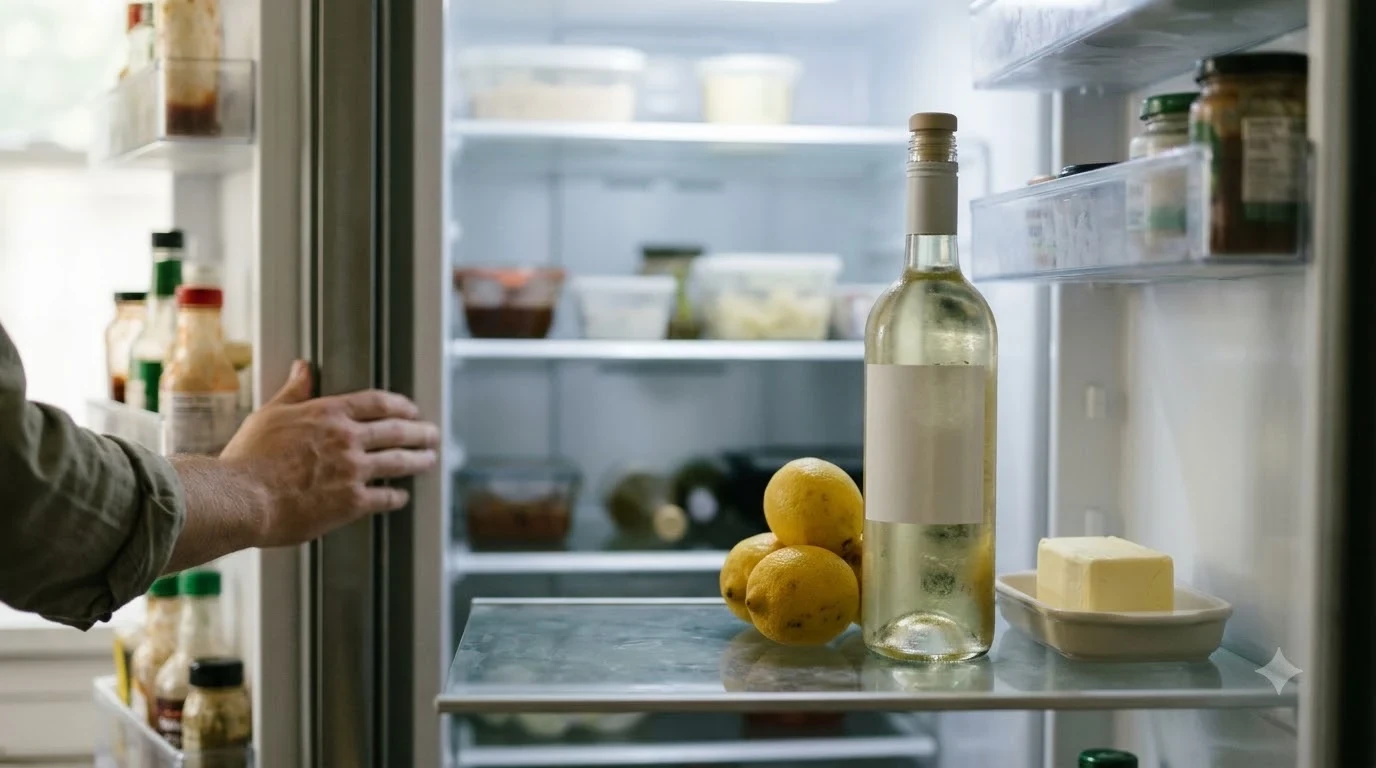
For a lighter or medium-bodied red, approximately 55–60°F is a useful serving range. If the bottle has been stored at ordinary room temperature, a brief period in the refrigerator can bring it closer to the desired temperature.
Decide Whether Decanting Is Necessary
Most approachable young Santa Cristina reds do not require extensive decanting. Opening the bottle shortly before serving is usually sufficient for a casual dinner.
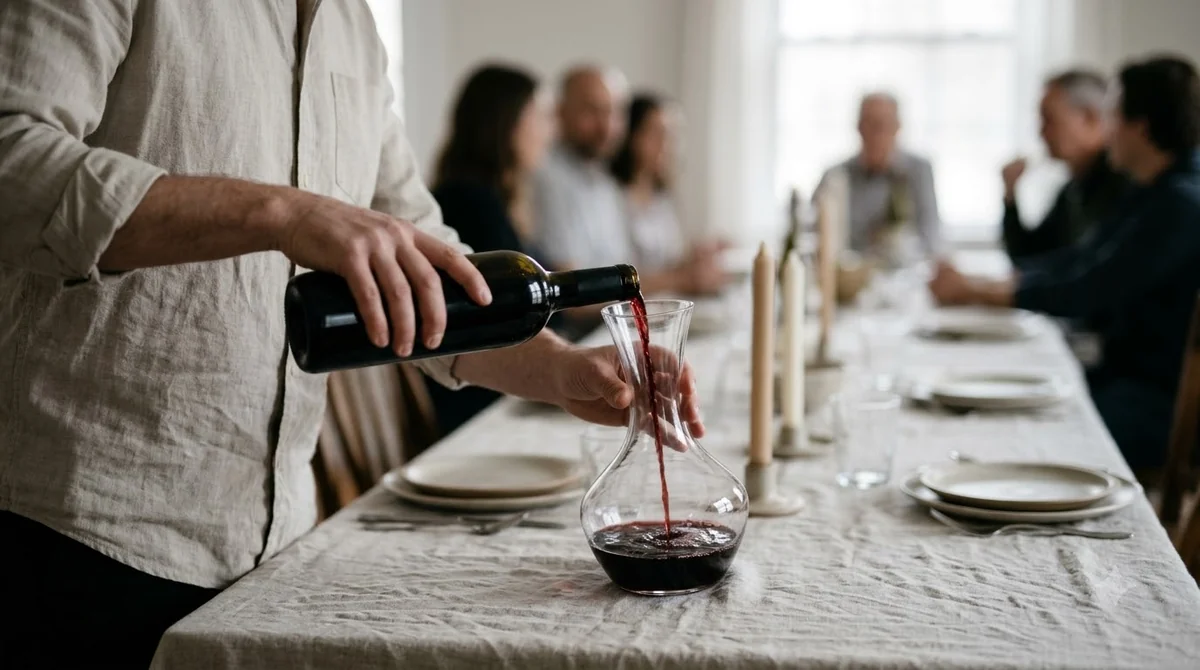
For a young, fuller-bodied red, 30–60 minutes of aeration can help soften the initial impression and make its aromas easier to appreciate. However, decanting is not a requirement for every vintage or every bottle.
Pinot Grigio and other fresh white wines generally do not need decanting. They are best opened shortly before serving and returned to the refrigerator between pours if the meal lasts longer than expected.
Preserve Opened Bottles
After opening a bottle, reseal it and refrigerate it, including red wine. Refrigeration slows oxidation and helps retain freshness. Before serving a refrigerated red again, allow it a little time to warm toward its preferred drinking temperature.
As general guidelines, opened still wines usually retain acceptable freshness for approximately 3–5 days when properly sealed and refrigerated. The exact result depends on the wine, oxygen exposure, storage conditions, and how much remains in the bottle.
For a typical 750 ml bottle, five 5 oz pours provide a useful serving calculation. If only one glass is poured, there is usually enough wine left to enjoy on another occasion, provided it is resealed and stored appropriately.
Frequently Asked Questions
Who imports Santa Cristina wines into the United States?
Santa Cristina’s US wine distribution has been associated with Ste. Michelle Wine Estates. A historical Santa Cristina Pinot Grigio technical document identifies the importer as Ste. Michelle Wine Estates Ltd., based in Woodinville, Washington. Import arrangements can differ across individual releases and markets.
What does the IGT designation mean on an Italian wine label?
IGT stands for Indicazione Geografica Tipica, an Italian geographical designation for wine. It provides regional origin information while allowing more flexibility in grape varieties and production choices than some stricter appellations. It is distinct from DOC and DOCG classifications.
Is Santa Cristina Pinot Grigio made from Pinot Gris grapes?
Yes. Pinot Grigio and Pinot Gris are two names for the same grape variety. Pinot Grigio is the Italian name commonly used for the grape, while Pinot Gris is the French designation. The grape can produce different styles depending on growing conditions and winemaking decisions.
Can Santa Cristina wine be used for cooking?
Yes. A dry Santa Cristina Rosso can work in tomato-based sauces, braised dishes, and some meat preparations, while Pinot Grigio can be used in seafood sauces and vegetable dishes. Choose a wine whose flavor profile suits the recipe, and avoid using a bottle that has developed unpleasant oxidation aromas.
Does the Santa Cristina name refer to a single vineyard?
The Santa Cristina name identifies a wine brand and portfolio rather than establishing that every bottle comes from one single vineyard. The documented range includes wines from different Italian regional designations, including Toscana IGT, Delle Venezie DOC, and Umbria IGT. The regional designation on the individual bottle is therefore important.
Santa Cristina is a worthwhile brand to consider if you enjoy accessible Italian wines with clear fruit character and practical food-pairing options. The Tuscan Rosso is the natural choice for red-wine drinkers, while Pinot Grigio offers a fresher alternative for seafood, salads, and lighter meals. Compare the grape variety, regional designation, and individual vintage before choosing, and the range becomes much easier to shop with confidence.
More in Wine Brands
 Underwood Wine Price: Compare Bottles, Cans, and Pack SizesUpdated Nov 21, 2026
 Zenato Wine Price: Compare Styles and Choose the Right BottleUpdated Nov 21, 2026
 Zuccardi Wine Price: Compare Bottles and Find the Right RangeUpdated Nov 21, 2026
 Yellow Tail Moscato Review: Taste, Sweetness and Serving TipsUpdated Nov 21, 2026
 Wolf Blass Yellow Label Review: Choose Your Best StyleUpdated Nov 21, 2026
 Wolffer Estate Rose Review: Choose the Right Bottle for Your TableUpdated Nov 21, 2026