

We may earn a commission when you buy through links on this page, at no extra cost to you. Learn more.
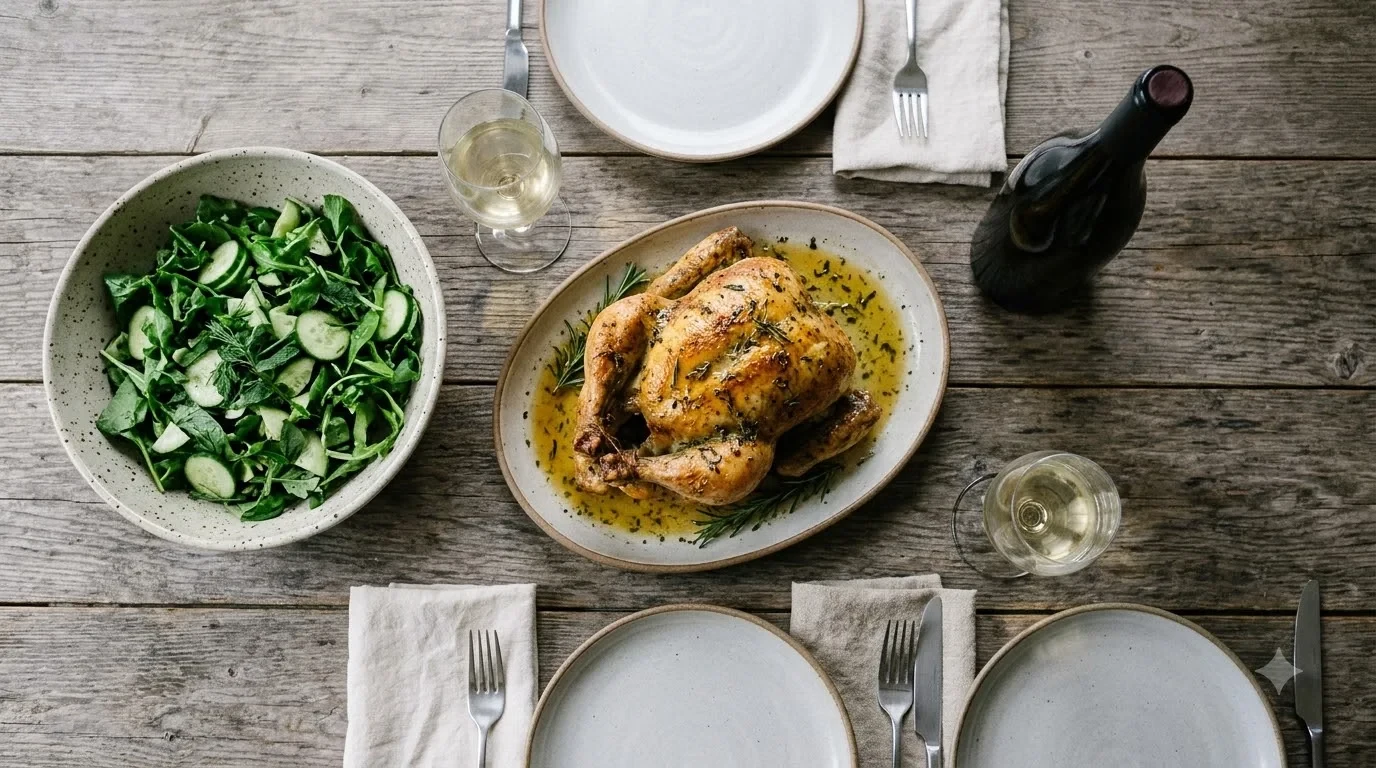
Sangiovese with turkey is an excellent pairing when you choose a fresh, medium-bodied style with lively acidity and moderate tannins. Its cherry fruit, savory herbal notes, and refreshing structure complement roasted poultry, traditional stuffing, and herb-seasoned vegetables. Chianti and Chianti Classico are particularly useful choices for Thanksgiving because they bring Italian character without necessarily overwhelming turkey’s delicate flavor.
Turkey presents an interesting pairing challenge because a holiday dinner rarely consists of turkey alone. Roasted meat, buttery mashed potatoes, sausage stuffing, cranberry sauce, glazed carrots, and rich gravy all bring different flavors and textures to the table. Sangiovese can connect many of these dishes, provided you consider the wine’s body, acidity, tannins, and the sweetness of the accompanying foods. The key is selecting the right expression rather than assuming every bottle made from the grape will behave the same way.
Why Sangiovese Works With Turkey
Sangiovese works with turkey because its bright acidity refreshes the palate, while its red-fruit and savory flavors complement roasted meat and traditional herbs. A medium-bodied example provides enough structure for a substantial holiday meal without automatically overpowering the poultry.
Turkey has relatively delicate flavors compared with beef, lamb, or strongly seasoned game. Its roasted skin develops deeper savory notes, while the breast meat remains fairly lean and mild. Sangiovese offers a useful middle ground between delicate white wine and powerful red wine. Its cherry, plum, dried herb, and sometimes tomato-leaf characteristics provide flavor without requiring an especially heavy dish.
Acidity is particularly important during a Thanksgiving meal. A glass of fresh Sangiovese can cut through buttery mashed potatoes, gravy, and rich stuffing, helping the next bite feel less heavy. The wine’s natural freshness also works with roasted vegetables seasoned with rosemary, thyme, sage, and black pepper. These herbs echo the savory side of Sangiovese’s aromatic profile.
Another advantage is the grape’s versatility across different food preparations. According to Cantine Coli, Chianti Classico is suitable for white meat and poultry, as well as grilled and sautéed meats. That recommendation makes sense for several turkey preparations, from traditional oven roasting to grilled turkey breast and herb-crusted turkey portions.
However, tannin deserves attention. Sangiovese can have medium-high tannins, particularly in more concentrated or age-worthy examples. Turkey breast is lean, so a very firm, youthful red can feel drying beside the meat. A fresher Chianti or approachable Rosso di Montalcino is generally a safer starting point than a particularly powerful, structured Brunello.
The overall result depends on the complete plate. A richly browned turkey leg with sausage stuffing can handle more structure than simply roasted turkey breast with steamed green beans. Matching the wine to the dominant flavors and textures produces a more satisfying pairing than matching it to the word turkey alone.
Choosing the Right Sangiovese Style
The best Sangiovese for turkey is usually a fresh, medium-bodied red with lively acidity, clear cherry fruit, and tannins that remain balanced. Chianti, approachable Chianti Classico, and Rosso di Montalcino are useful styles to explore before moving toward more concentrated and age-worthy bottles.
Chianti is a practical choice for a traditional Thanksgiving table. Its combination of red fruit, freshness, and savory character can accompany roast turkey, herb stuffing, roasted vegetables, and tomato-based side dishes. Look for an example that emphasizes fresh fruit rather than heavy oak and aggressive tannins.
Chianti Classico offers another strong option. According to Cantine Coli, Chianti Classico must contain at least 80% Sangiovese, with permitted additional red grapes accounting for up to 20%. The resulting wines can show ruby color, persistent red-fruit aromas, fresh flavors, and a slightly tannic finish. These characteristics make the category particularly interesting for a turkey dinner.
Rosso di Montalcino is worth considering if you prefer a wine with recognizable Sangiovese character but do not want to begin with a particularly powerful bottle. Wine Enthusiast describes some Rosso di Montalcino expressions as lighter, fruitier, and suitable for earlier enjoyment. These qualities can work especially well with straightforward roasted turkey and herb-based stuffing.
Brunello di Montalcino is a more substantial alternative. It can offer deeper fruit, stronger structure, and developed savory characteristics. A mature bottle with integrated tannins may complement dark turkey meat, mushroom stuffing, and concentrated gravy. However, a young, particularly powerful Brunello may dominate a simple turkey breast preparation.
The following comparison provides a practical starting point for choosing a bottle. Individual wines vary by producer, growing conditions, blending, and aging decisions, so the categories describe general tendencies rather than guaranteed tasting profiles.
| Sangiovese style | General character | Turkey pairing | Best accompaniment |
|---|---|---|---|
| Chianti | Fresh fruit, lively acidity | Excellent everyday choice | Roast breast and herb stuffing |
| Chianti Classico | Structured, savory, balanced | Excellent versatile choice | Roast turkey and gravy |
| Rosso di Montalcino | Fresh cherry, approachable structure | Very good choice | Turkey breast and roasted vegetables |
| Brunello di Montalcino | Concentrated fruit, firm structure | Best with richer preparations | Turkey legs and mushroom stuffing |
| Morellino di Scansano | Red fruit and savory character | Good with roasted poultry | Herb-roasted turkey and sausage stuffing |
For most households, an approachable Chianti or Chianti Classico is the simplest choice. If the meal features several heavily seasoned sides, a particularly powerful red may be less flexible than a fresher example with moderate tannins.
Pairing Sangiovese With Turkey Preparation
The preparation of the turkey influences the ideal wine more than the cooking method alone. Traditional roasted turkey generally works with fresh Chianti, while smoky, grilled, and heavily seasoned preparations can accommodate a more structured Sangiovese.
Traditional oven-roasted turkey: This is the classic starting point. Roasted turkey develops savory flavors and browned skin without necessarily becoming particularly rich. Chianti Classico offers enough acidity to complement the meat and enough structure for the browned exterior. Rosemary, thyme, sage, garlic, and black pepper are particularly suitable seasonings because they connect naturally with the wine’s savory notes.
Herb-butter turkey: Butter adds richness and a softer texture to the meat. The acidity in Sangiovese helps refresh the palate, while its cherry and dried-herb flavors complement the seasoning. A medium-bodied Chianti is a particularly useful option here. Avoid an especially tannic bottle if the turkey breast is the main attraction and the preparation is otherwise delicate.
Smoked turkey: Smoking creates more intense savory and sometimes slightly sweet flavors. A fruit-forward Sangiovese can complement these characteristics, especially when the smoke flavor remains moderate. A more structured Chianti Classico can also work with smoked turkey legs, which usually have more pronounced flavor than breast meat.
Grilled turkey: Grilling introduces browned edges, charred flavors, and a more pronounced savory character. These flavors create a natural connection with Sangiovese’s herbal and roasted-tomato notes. A moderately structured Chianti Classico can handle grilled turkey breast, while a fuller example may be appropriate for darker cuts with a smoky marinade.
Deep-fried turkey: The crisp exterior and richer mouthfeel make acidity particularly valuable. Sangiovese can provide a refreshing contrast, but the wine should not have excessive tannin. A fresh Chianti or younger Rosso di Montalcino is a better starting point than an extremely concentrated red with substantial oak influence.
Turkey roulade: Stuffed turkey breast introduces additional ingredients that can influence the pairing. Mushroom, spinach, herbs, and savory bread stuffing generally work well with Sangiovese. Sweet dried fruit, sugary glazes, or fruit-heavy fillings require more care because pronounced sweetness can make a dry red seem more acidic and bitter.
Consider the dominant seasoning before choosing the bottle. A simple roast with sage and thyme calls for a different level of wine intensity than a heavily smoked turkey with black pepper and concentrated barbecue seasoning.
Thanksgiving Side Dishes That Complement Sangiovese
Sangiovese is particularly useful when Thanksgiving side dishes contain herbs, roasted vegetables, mushrooms, savory bread, and moderate richness. Its acidity provides freshness, while its red-fruit and earthy characteristics connect several ingredients across the plate.

Stuffing and dressing
Traditional bread stuffing is one of the most natural partners for Sangiovese. Bread, onions, celery, butter, and herbs create a savory combination that complements the wine’s dried oregano, cherry, and earthy notes. Sausage stuffing adds more fat and savory intensity, which can soften the perception of tannin and make a structured Chianti Classico particularly appealing.
Mushroom stuffing offers another good combination. Mushrooms bring earthy flavors that can complement the more developed notes found in Sangiovese. A bottle with some maturity may be especially interesting alongside mushroom, thyme, and roasted garlic. Keep the seasoning balanced rather than making the stuffing excessively sweet.
Mashed potatoes and gravy
Mashed potatoes contain relatively mild flavors, so they are unlikely to compete strongly with the wine. Butter and cream add richness, making Sangiovese’s acidity useful for refreshing the palate. Gravy contributes concentrated savory flavors, which can provide a stronger connection with the wine’s structure.
For a classic combination, serve herb-seasoned turkey, mashed potatoes, and moderate portions of gravy alongside a fresh Chianti. If the gravy is particularly rich and the turkey includes dark meat, a more structured Chianti Classico may offer a better balance.
Roasted root vegetables
Carrots, parsnips, sweet potatoes, and roasted onions develop natural sweetness during cooking. Their caramelized surfaces complement red-fruit characteristics, but excessive sweetness can make a dry wine seem sharper and more bitter.
Roast these vegetables with olive oil, rosemary, thyme, and black pepper rather than relying on a heavy sugary glaze. This approach preserves their savory character and gives Sangiovese more opportunities to complement the food.
Brussels sprouts and green vegetables
Brussels sprouts can be challenging because pronounced bitterness may make tannic red wine taste harsher. Roasting them with olive oil and adding moderate seasoning can produce a more harmonious result. A Chianti with fresh fruit and balanced tannins is preferable to a very concentrated, youthful red.
Green beans, asparagus, and similar vegetables can also work, particularly when served with butter, garlic, or toasted almonds. Avoid preparations dominated by sharp vinegar or lemon unless the wine has sufficient acidity to match the dish.
Cranberry sauce
Cranberry sauce is one of the more difficult Thanksgiving sides for dry red wine. Its combination of acidity and sweetness can make a structured Sangiovese seem more tannic, sharp, or bitter. Fresh, lightly sweetened cranberry preparations are generally easier to pair than heavily sugared versions.
Keep the sauce as an accompaniment rather than allowing it to dominate every bite. If cranberry sauce is a major feature of the meal, a fresher, fruit-forward Sangiovese is a better choice than a powerful Brunello. An off-dry Riesling can also provide a more comfortable alternative for guests who particularly enjoy sweet cranberry dishes.
Matching Sangiovese With Different Thanksgiving Flavors
A successful holiday pairing considers acidity, sweetness, fat, tannin, and seasoning together. Sangiovese can work across a varied meal, but sweet glazes, acidic sauces, and spicy preparations deserve special attention.
Acidity and cranberry: Acidic food needs wine with equal or higher acidity to avoid making the wine taste flat. Sangiovese generally has enough freshness to handle many tangy preparations, but the sweetness of cranberry sauce introduces another variable. Choose a wine with lively fruit and serve cranberry sauce in moderate portions.
Fat and tannin: Butter, sausage, turkey skin, and rich gravy soften the perception of tannin. This is one reason a structured Sangiovese can work better with a full holiday plate than with plain, skinless turkey breast. The fat and protein create a more accommodating setting for the wine’s grip.
Sweetness and dry wine: Sweet food can make a dry red seem less fruity and more bitter. Candied yams, marshmallow-topped sweet potatoes, honey-glazed carrots, and sweet cranberry relish can all challenge a dry Sangiovese. The wine should ideally be at least as sweet as the dessert or strongly sweet accompaniment. If the table features several sweet dishes, consider serving an off-dry white alongside the red.
Herbs and savory flavors: Rosemary, sage, thyme, oregano, garlic, and black pepper are excellent seasoning choices for a Sangiovese-centered dinner. They echo the wine’s savory aromatic profile without adding excessive sweetness. Mushroom gravy and roasted onions can reinforce the wine’s earthy qualities.
Chili heat and alcohol: Spicy turkey rubs and hot sauces can make alcoholic, tannic red wines seem more aggressive. A heavily spiced Cajun turkey may therefore be less suitable for a powerful Sangiovese than a mildly seasoned roast. If the turkey is noticeably hot, consider a lower-alcohol wine with less tannin or an off-dry Riesling.
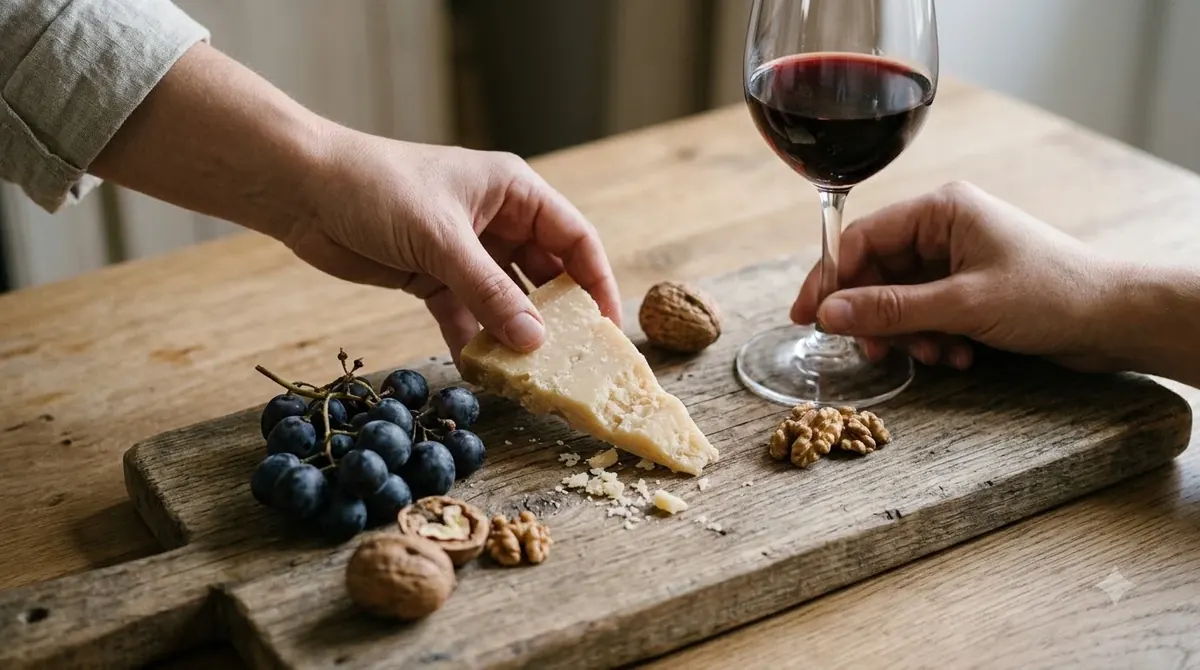
Cheese and appetizers: Parmesan, aged hard cheeses, mild salami, and savory crostini can provide a useful introduction to Sangiovese before the main meal. The grape’s acidity complements salty foods, while its cherry flavors offer a pleasant contrast to aged cheese. Avoid making the appetizer course excessively spicy or sweet if you intend to serve the same red throughout dinner.
Tip: Build your Thanksgiving plate around the dominant savory flavors first. If the turkey, stuffing, gravy, and vegetables are all herb-seasoned, a fresh Chianti or balanced Chianti Classico is a dependable choice. Serve particularly sweet cranberry sauce and glazed vegetables in separate portions so they do not dominate every sip.
For a broader understanding of how acidity, body, sweetness, and tannin affect food combinations, explore this Grape x Food resource. The same principles can help you adjust a pairing when the menu changes or when guests bring unexpected dishes.
Serving Temperature, Glassware, and Bottle Preparation
Sangiovese is best served slightly cool rather than warm, with approximately 60–65°F providing a useful target for most medium-bodied examples. Proper temperature helps preserve fresh cherry aromas, maintain acidity, and prevent alcohol from becoming too prominent.
A practical serving range for lighter and medium-bodied Sangiovese is 60–65°F. More structured examples can also benefit from this temperature range, although individual preferences may vary. A bottle served too warm can seem heavy and alcoholic, while an excessively cold bottle can suppress aromas and make tannins seem more noticeable.
If the wine has been stored at a typical room temperature above the serving range, place it in the refrigerator for approximately 20–30 minutes before opening, then check its temperature. This short cooling period is usually enough to bring the wine closer to a comfortable serving condition.
Glassware does not need to be complicated. A standard medium-sized red wine glass with enough room to swirl the wine is suitable. A slightly wider bowl can help more developed Chianti Classico and Brunello examples release their aromas, but an expensive specialist glass is not essential for enjoying the pairing.
Decanting depends on the wine’s age and structure. Young, full-bodied reds can benefit from 30–60 minutes of aeration, which may soften their initial impression and allow aromas to become more expressive. However, a light, fresh Chianti intended for immediate drinking does not necessarily need an extended decant.
Older bottles require a different approach. Mature Sangiovese can have delicate aromas that fade with excessive exposure to oxygen. If you open an older Brunello, taste a small pour first and determine whether gentle aeration is beneficial. Carefully separating sediment may be more important than allowing the wine to breathe for a long time.
For a Thanksgiving gathering, plan around the standard 750 ml bottle. A typical 5 oz pour produces approximately five glasses, making one bottle suitable for five moderate servings. A table of eight adults enjoying a glass with dinner will generally need at least two bottles, with additional wine if guests expect refills.
Open the first bottle shortly before dinner and keep the remaining bottles at an appropriate temperature. If the meal lasts several hours, avoid leaving opened reds next to a hot oven or fireplace. Preserving the wine’s freshness is more useful than trying to make every bottle available at once.
When to Choose Another Wine for Turkey
Sangiovese is a strong option for savory turkey dishes, but it is not automatically the best wine for every Thanksgiving menu. Very sweet sides, extremely delicate preparations, and guests who prefer white wine may call for alternatives with a different balance of acidity, body, and sweetness.
Pinot Noir is a particularly useful alternative when the turkey is lightly seasoned and served with cranberry sauce. Its relatively low-to-medium tannin and bright acidity make it less demanding than many structured reds. Oregon, Burgundy, and California examples offer different expressions, but a medium-bodied style is a good starting point.
For guests who prefer a white wine, Chardonnay offers a complementary option. A balanced example with medium acidity and moderate oak influence can work with turkey breast, buttery mashed potatoes, and rich gravy. The wine’s fuller texture provides enough presence for traditional Thanksgiving dishes without relying on red-wine tannins.
You can explore the specific characteristics of Chardonnay with turkey if the meal includes creamy sauces, herb butter, and substantial side dishes. This is especially useful when some guests prefer a richer white wine while others want a savory red.
Off-dry Riesling is worth considering if sweet dishes dominate the meal. Its high acidity and touch of residual sweetness can complement cranberry sauce, candied yams, and honey-glazed carrots. Unlike a very dry red, it can maintain its balance beside sweet accompaniments.
Gamay, particularly Cru Beaujolais, provides another red alternative. Its fruit-forward character, refreshing acidity, and generally moderate tannin can work with turkey and cranberry-accented dishes. This style is especially appealing when you want a lighter red that remains lively throughout a long dinner.
Zinfandel may be appropriate for a strongly seasoned or barbecue-style turkey, particularly when the dish includes smoky flavors and richer sauces. However, its higher alcohol and fuller fruit profile can overwhelm a delicate traditional roast. Compare the style with Zinfandel with turkey before choosing it as the main holiday wine.
Another useful approach is to serve two different styles rather than insisting on one bottle for everyone. A fresh Chianti can satisfy guests who prefer red wine, while Chardonnay or Riesling can accommodate those who want a white. This arrangement also gives guests more flexibility as they move between turkey, stuffing, vegetables, and dessert.
Ultimately, the best choice depends on the food rather than the holiday itself. Sangiovese deserves a place on the Thanksgiving table when the meal emphasizes roasted meat, herbs, savory stuffing, and moderate richness. A different wine becomes more useful when sweetness, heat, or a preference for delicate flavors changes the balance.
For more background on the grape’s flavor profile, acidity, and food compatibility, see Wine Folly’s Sangiovese grape guide. For regional production details, grape composition, and poultry recommendations, consult Cantine Coli’s Chianti Classico overview.
Frequently Asked Questions
Is Sangiovese a good wine for Thanksgiving dinner?
Yes, particularly when the meal includes roasted turkey, savory stuffing, and herb-seasoned vegetables. Sangiovese is also commonly associated with Italian dishes such as bistecca alla Fiorentina and tomato-based pasta, demonstrating its ability to complement both meat and vegetable-driven preparations. A medium-bodied example is a practical choice for a mixed holiday menu.
Is Sangiovese always a dry red wine?
Most familiar Sangiovese wines, including Chianti and Brunello di Montalcino, are dry reds. However, Sangiovese is also permitted in certain Italian dessert-wine categories, including Vin Santo styles. The grape therefore has a wider range of expressions than its familiar dry red wines might suggest.
What does Sangiovese mean in Italian wine terminology?
Sangiovese is the name of the grape variety rather than a single wine appellation. It appears under different regional wine names, including Chianti, Brunello di Montalcino, and Morellino di Scansano. The name on the bottle can therefore tell you about the wine’s regional identity and production rules, not just its grape composition.
Can Sangiovese be paired with turkey sandwiches after Thanksgiving?
Yes. A turkey sandwich with roasted peppers, aged Parmesan, arugula, and olive oil can make a particularly good partner for fresh Sangiovese. The wine’s cherry and herbal character works with the roasted vegetables, while its acidity complements the richness of cheese and condiments. Avoid overly sweet sandwich spreads if the wine is particularly dry.
Does Sangiovese need to be opened before serving?
Not every bottle requires advance opening. Young, structured examples may benefit from 30–60 minutes of aeration, while fresh Chianti can often be enjoyed shortly after opening. Older Brunello bottles may be more delicate and should be assessed individually rather than automatically receiving a long decant.
Sangiovese with turkey is a rewarding combination when the wine’s acidity, fruit, and tannin complement the complete holiday meal. Start with a fresh Chianti or balanced Chianti Classico, serve it slightly cool, and give particular attention to stuffing, gravy, roasted vegetables, and cranberry sauce. With the right style, this Italian red can become a versatile and memorable part of Thanksgiving dinner.
More in Food & Wine Pairing
 Risotto With White Wine Recipe: Make a Creamy Dinner at HomeUpdated Nov 20, 2026
 Wassail With Wine Recipe for a Festive Spiced Holiday DrinkUpdated Nov 20, 2026
 Spritz Veneziano Recipe: Make a Classic Venetian Aperitivo at HomeUpdated Nov 20, 2026
 Summer Wine Punch Recipe for Easy Homemade EntertainingUpdated Nov 20, 2026
 Bishop Recipe: How to Make a Bright, Citrus-Forward Red Wine CocktailUpdated Nov 20, 2026
 Wine Cupcakes Recipe: Bake Rich Chocolate Cupcakes at HomeUpdated Nov 20, 2026