

We may earn a commission when you buy through links on this page, at no extra cost to you. Learn more.
Saint Estephe wine is a red Bordeaux from the northernmost of the famous Médoc communes on the Left Bank, made mostly from Cabernet Sauvignon with Merlot and firm, structured tannins that often need several years in bottle. The wines are darker and more austere than many neighbors, and they reward patience at the table.
This guide explains what Saint Estephe wine tastes like, how the appellation fits into Bordeaux, and how to serve and buy a bottle. If you are new to Bordeaux, it also shows where Saint Estephe sits in the wider picture of French red wine regions.
What Saint Estephe wine is
Saint Estephe is an appellation for red wine in the Bordeaux region of southwest France. It sits on the Left Bank of the Gironde estuary, in the Médoc, and it is the northernmost of the well-known communes that line the river. The appellation is known for red blends, not for white or sweet wines, so when someone asks about Saint Estephe they almost always mean a red.
The name is worth knowing because it appears on labels next to Margaux, Pauillac, and Saint-Julien. Each commune has its own character, and Saint Estephe is often described as the most rugged of the four. Many wine lovers treat it as a good-value entry point to the Médoc, although the best estates can be expensive.
Many estates in the commune hold the Cru Bourgeois classification, which signals a high standard without the prices of the top-tier classified growths. That makes Saint Estephe a practical place to look for estate-driven Bordeaux if you want serious structure and aging potential without paying the highest prices in the Médoc.
Grapes and style
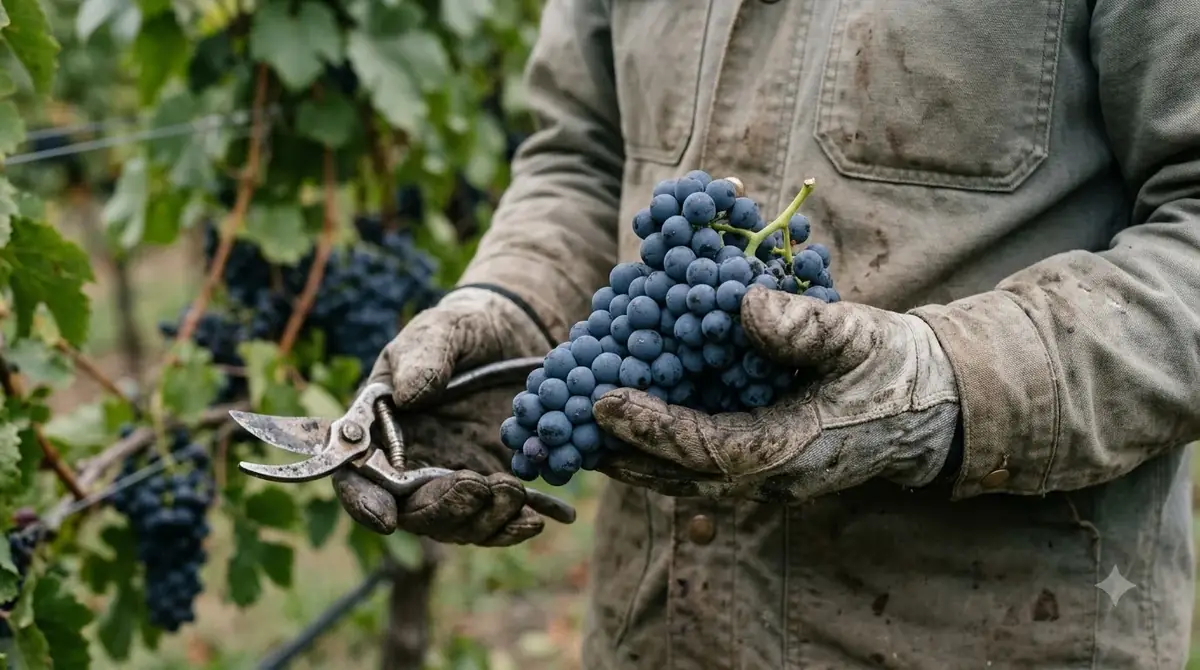
Cabernet Sauvignon leads most blends, supported by Merlot, and in some bottles by Cabernet Franc or Petit Verdot. The mix depends on the vineyard and the vintage. Cabernet adds structure and dark fruit, while Merlot softens the edges and adds a plummy, rounder texture in the middle of the palate.
Reviewers of Bordeaux Cabernet commonly list black currant, anise, tobacco leaf, and pencil lead as the core aromas. The Wine Folly Cabernet Sauvignon guide describes Bordeaux Cabernet as among the most savory and age-worthy expressions of the grape, with medium-high tannins and a preference for gravelly soils. Those soils drain well and keep the vines working hard, which concentrates flavor in the berries.
Young Saint Estephe can taste closed and tannic. Over time the fruit recedes, and secondary notes of cedar, dried herbs, and leather take over. This is why many collectors hold these wines for a decade or more before opening them.
How Saint Estephe differs from nearby Médoc appellations
Within the Médoc, the Left Bank communes share similar grapes and similar soils, but they are not identical. Pauillac and Saint-Julien are often described as more polished and perfumed, while Saint Estephe is usually firmer and more savory. The difference comes from clay and gravel mixes in the soil and from the way each estate handles oak and extraction.
For a broader sense of how Bordeaux regions differ, the Wine Regions guide on this site compares the main areas side by side. It is a useful next step if you want to see where Saint Estephe fits in a long list of appellations. For a warm-climate contrast, the Alentejo wine guide shows how Portuguese reds built on local grapes can taste very different, while Anderson Valley wine shows how cooler coastal sites change the same international varieties.
| Feature | Typical Saint Estephe | What it means at the table |
|---|---|---|
| Main grape | Cabernet Sauvignon with Merlot | Dark fruit, firm structure |
| Tannin level | Medium-high to high when young | Pair with protein or aged cheese |
| Serving temperature | About 15–20°C (60–68°F) | Slightly cool, not warm |
| Decanting | Often 1 hour for young bottles | Softens tannins and opens aromas |
| Cellaring | Often 10 years or more for top estates | Fruit fades, savory notes grow |
Oak treatment is one of the biggest differences between producers. Many estates age their wines in French oak barrels, and the share of new oak varies with each house’s style. New oak adds vanilla, toast, and sweet spice that soften over time, so a heavily oaked young bottle can taste more finished than its neighbors. Producer technical notes explain how each wine was made.
Vintage weather also shapes the glass. In a warm, dry year the grapes ripen fully, and the wines show riper fruit and softer tannins. In a cool or wet year the wines can be leaner and more herbal, with firmer acidity. Vintage charts from merchants and wine publications help buyers decide which years suit their plans.
How to serve and decant
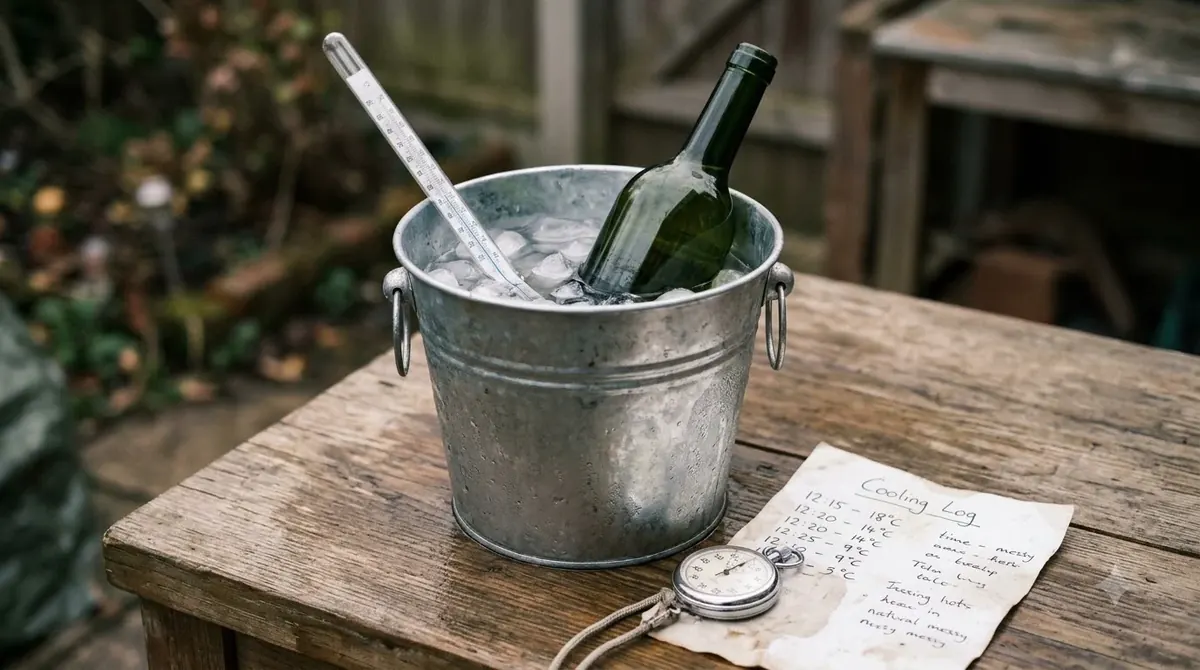
Serve Saint Estephe at about 15 to 20°C, or 60 to 68°F, which is cooler than most people expect for red wine. A bottle that is too warm tastes heavy and alcoholic, while one that is slightly cool shows more structure and fruit.
Decanting helps young bottles. Pour the wine into a decanter about an hour before dinner. Older bottles with sediment should be decanted carefully and sometimes shortly before serving, because the wine can fade quickly once it is open. A large Bordeaux glass gives the aromas room to develop.
Tip: If a bottle tastes harsh, give it more time in the decanter before judging it. Tannins often soften noticeably in the first hour.
Because Saint Estephe carries plenty of tannin, the way you serve it matters as much as what you serve it with. A young bottle is best with fatty or charred dishes that give the tannins something to work against, such as grilled ribeye or lamb chops with rosemary. Older bottles have a silkier texture and can handle roasted game birds, braised short ribs, or mushroom risotto with a little Parmesan.
Food pairing
Saint Estephe needs food with enough fat and protein to balance its tannins. Roast lamb, beef tenderloin, and rib-eye steak are classic matches. Duck breast, mushroom dishes, and aged hard cheeses like Comté or aged Gouda also work well.
Lighter dishes such as grilled fish or salads tend to clash with the tannins and leave the wine tasting bitter. If the menu is light, choose a younger, fruitier Bordeaux or a rosé instead.
How to choose a bottle
Start with the vintage. Strong years produce wines with more concentration and longer lives, while lighter years can be more approachable early on. Look at the producer name and the classification on the label. Many estates in the appellation are small, so tasting notes from trusted critics are a good way to narrow the search.
If you are buying for drinking soon, look for a wine that the producer describes as ready for earlier enjoyment, or choose a bottle a few years older than the newest release. If you plan to keep bottles, buy from merchants who store wine properly, because heat and light damage Bordeaux over time.
Shopping for Bordeaux can feel overwhelming because many labels show the château name and little else. Learn the appellation first, then check the vintage, and only then look at the estate. A knowledgeable retailer can tell you how a wine has aged and whether it is ready to drink. When you buy older vintages, ask how the bottles were stored, since heat and light are the main threats to a long-lived red.
If you are hosting a dinner, a single bottle of Saint Estephe can anchor the table with a rich main course. Open it an hour before guests arrive, pour a little for the cook, and let the wine develop while the meal comes together.
Frequently Asked Questions
Is Saint Estephe wine red or white?
Saint Estephe is an appellation for red wine. Its wines are blends built mainly on Cabernet Sauvignon and Merlot, so you will rarely find a white bottle with this name.
How is Saint Estephe different from Pauillac?
Both communes sit on the Left Bank of the Médoc and share Cabernet-led blends. Pauillac is often described as more perfumed and polished, while Saint Estephe tends to taste firmer and more savory.
How long should I age a Saint Estephe wine?
Many bottles from good vintages improve for ten years or more. Lighter vintages and simpler wines are often best within a few years of release.
Should I decant Saint Estephe before serving?
Young bottles benefit from about an hour in a decanter to soften tannins. Very old bottles with sediment need gentle handling and should be poured soon after decanting.
Saint Estephe is a rewarding place to start if you want to understand serious Left Bank Bordeaux without paying for the most famous names. Choose a vintage that fits your plans, serve the wine slightly cool, and give it food with some richness. Then explore the wider Médoc to see how far the same grapes can travel.
More in Wine Regions
 Willcox Wine Trail: Discover Arizona’s High-Elevation Wine CountryUpdated Nov 20, 2026
 Yakima Valley Wine Region: Find the Best Styles to TryUpdated Nov 20, 2026
 Vosne Romanee Wine Tasting: Identify Aromas and Choose Better PairingsUpdated Nov 20, 2026
 Yakima Valley Wine Festival: Find the Best Seasonal Wine EventsUpdated Nov 20, 2026
 Wales Vineyards: Discover Cool-Climate Wines and Where to VisitUpdated Nov 20, 2026
 Yountville Wine Festival: Discover Napa Wines and Local FoodUpdated Nov 20, 2026