

We may earn a commission when you buy through links on this page, at no extra cost to you. Learn more.
This ruffino chianti review finds that Ruffino Chianti DOCG is a dependable, approachable Tuscan red for everyday meals, especially pizza, pasta, grilled meats, and tomato-based dishes. Made primarily from Sangiovese, it offers bright red-fruit flavors, floral aromas, refreshing acidity, and moderate body. It is a particularly sensible choice for drinkers who enjoy traditional Italian reds without needing a powerful, heavily oaked wine.
Ruffino Chianti occupies a familiar place in the Italian wine section of American retailers. Its recognizable bottle and accessible style make it an easy candidate for casual dinners, restaurant-style meals at home, and informal gatherings. However, understanding its grape composition, dryness, acidity, and differences from more ambitious Chianti bottlings helps set realistic expectations before buying. This guide explains what the wine offers, how to choose a bottle, and how to serve it well.
Who This Is For: Drinkers Seeking an Approachable Tuscan Red
Ruffino Chianti is a good match for people who enjoy fresh, food-friendly red wine rather than rich, heavily concentrated styles. Its Sangiovese-led character brings red-fruit flavors and lively acidity, while the supporting grape varieties can contribute a softer impression and additional fruit. The result is a medium-bodied wine suited to everyday occasions rather than a bottle that demands a special celebration.
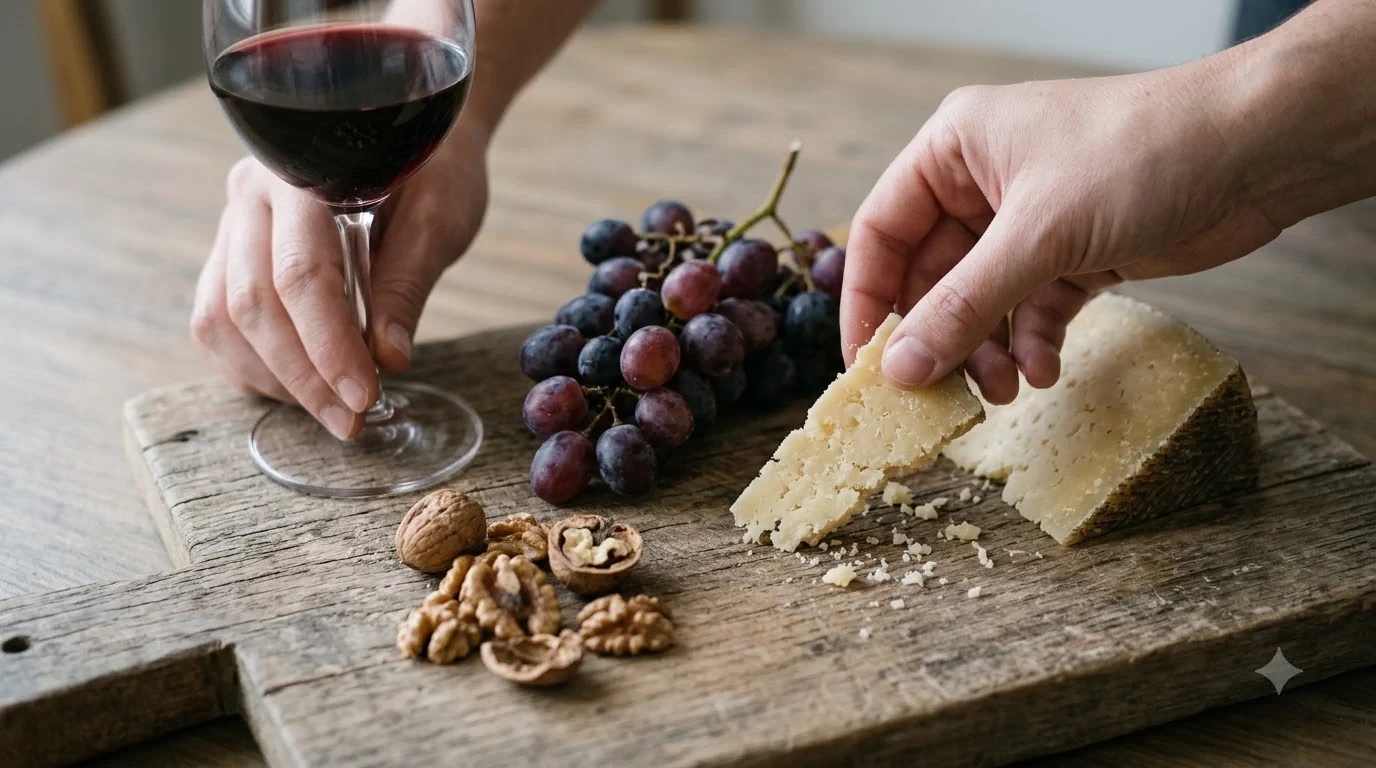
It is particularly appealing to drinkers who regularly eat Italian-American food. Pizza with tomato sauce, spaghetti with meat sauce, baked ziti, lasagna, and sausage-based pasta dishes all provide useful pairing opportunities. The wine’s acidity helps balance tomato sauce, while its fruit character complements savory ingredients. It also works with hamburgers, roasted chicken, and moderately seasoned grilled meats.
Beginners can appreciate Ruffino because its flavor profile is relatively straightforward. Red berries, cherry-like fruit, floral notes, and gentle spice are easier to recognize than the more complex combinations of earth, leather, dried herbs, and mature fruit found in some aged Tuscan wines. Its medium body also makes it less demanding than fuller-bodied reds such as Cabernet Sauvignon.
However, drinkers who prefer soft, sweet-tasting reds may find its acidity noticeable. Chianti is traditionally dry, and Ruffino follows that general style. It is not intended to taste like sweet red blends, jammy California Zinfandel, or dessert wine. Someone looking for a bold, heavily oaked red with pronounced vanilla and chocolate flavors may also find it too restrained.
Another important distinction is the wine’s designation. Ruffino Chianti DOCG is not automatically the same wine as Ruffino Chianti Classico. Both come from Tuscany, but Chianti and Chianti Classico are distinct appellations with different geographical boundaries and production requirements. Buyers interested in the distinction can explore the broader Ruffino Chianti range before choosing a particular bottle.
Key Factors to Compare Before Buying Ruffino Chianti
Four important considerations are grape composition, dryness, alcohol content, and production style. Together, these characteristics explain why Ruffino Chianti works particularly well with meals and what to expect from its relatively approachable structure.
| Factor | Typical Ruffino Chianti profile | What it means for buyers |
|---|---|---|
| Main grape | Sangiovese | Fresh red fruit and noticeable acidity |
| Supporting grapes | Merlot, Cabernet Sauvignon, and other permitted varieties | Additional fruit and structural balance |
| Official blend | 70% Sangiovese, 30% complementary varieties | Sangiovese remains the dominant influence |
| Wine color | Red | A traditional Tuscan table-wine style |
| Sweetness | Dry | Better suited to savory meals than desserts |
| Body | Medium-bodied | Moderate weight without excessive heaviness |
| Alcohol | Approximately 12.5% to 13% ABV across reviewed listings | A moderate-strength red wine |
| Serving temperature | 60–64°F | Slightly cooler than a warm room |
| Winemaking vessels | Stainless steel and concrete | A style focused on freshness rather than obvious oak flavors |
| Common bottle size | 750 ml | Approximately five standard 5-ounce servings |
The producer’s official information specifies a blend of 70% Sangiovese and 30% Merlot, Cabernet Sauvignon, and other complementary varieties. This is useful information because the wine is not simply a single-varietal Sangiovese. Its supporting grapes contribute to its overall balance, although Sangiovese remains the defining component. The official Ruffino Chianti DOCG product information also identifies vineyard elevations of approximately 200 to 350 meters and galestro soil among the characteristics of its grape-growing areas.
Alcohol content deserves particular attention because listings can differ. The reviewed H-E-B product listing gives 12.5% ABV, while SAQ lists 13% ABV for its 750 ml Ruffino Chianti. Different vintages, markets, and bottlings can account for variations, so buyers researching Ruffino Chianti alcohol content should distinguish the specific bottle from generalized brand information.
The production approach is another useful comparison point. Ruffino identifies stainless steel and concrete tanks for aging its Chianti DOCG. This approach is consistent with a fresh, fruit-focused profile rather than a wine designed around pronounced new-oak character.
These details help explain the wine’s intended positioning. It is designed as an accessible expression of the Chianti appellation, with fruit, acidity, and versatility taking priority over the weight and complexity associated with more ambitious aged reds.
Step-by-Step: How to Choose and Enjoy a Bottle
Choosing Ruffino Chianti is straightforward if you approach the purchase in a few stages. Start with the appellation and bottle identity, then consider the vintage, alcohol information, intended meal, and serving conditions.
- Identify the exact wine. Look for Ruffino Chianti DOCG rather than assuming every Ruffino red is the same product. The producer makes wines from several Tuscan appellations, including Chianti Classico, so the designation matters.
- Check the bottle size. A standard 750 ml bottle provides approximately five servings when poured in 5-ounce portions. A 1.5-liter format provides roughly ten equivalent servings, making it more practical for a larger dinner.
- Consider the vintage. For a fresh, everyday Chianti, a relatively recent release is generally appropriate. SAQ describes its listed bottling as suitable for drinking now or keeping for up to four years following the vintage.
- Review the alcohol percentage. Retailer listings for the wine show figures around 12.5% to 13% ABV. Compare the actual bottle information rather than assuming every market receives an identical specification.
- Choose food that complements acidity. Tomato-based pasta, pizza, grilled vegetables, and meat dishes are natural starting points. The wine’s freshness works especially well with savory food.
- Prepare the serving temperature. Aim for approximately 60 to 64°F. If the bottle has been stored in a warm room, a short period in the refrigerator can bring it closer to the recommended range.
- Open and pour appropriately. Use a standard red-wine glass and pour approximately 5 ounces. Allow the wine a few minutes in the glass before assessing its aroma and flavor.
This process prevents a common purchasing mistake: choosing a bottle based only on its recognizable label. The appellation, vintage, bottle format, and intended meal are all relevant to the experience. A wine selected for a tomato-rich pasta dinner may not be the same choice someone wants for a formal tasting alongside an elaborate roast.
It is also useful to plan the amount of wine needed. One 750 ml bottle supplies about five standard servings, so two bottles provide approximately ten servings. This makes portion planning easier for a dinner with several guests, particularly when the wine is being served alongside multiple courses.
Tip: If Ruffino Chianti seems too sharp when served by itself, try it with a dish containing tomato sauce, Parmesan, or roasted meat. Food can make its natural acidity feel more integrated and balanced.
For a closer look at the wine’s aromatic character and palate, the Ruffino Chianti tasting notes provide another useful reference when comparing descriptions from different sellers and vintages.
Types and Styles Explained: Understanding Ruffino and Chianti
Understanding the distinction between basic Chianti and more specific Tuscan wine categories helps buyers select the right style. Ruffino’s Chianti DOCG is an approachable appellation-level red, while its broader portfolio includes wines with different regional identities and production ambitions.
Chianti DOCG: This is the category associated with the standard Ruffino Chianti discussed in this guide. It emphasizes Sangiovese and offers a fresh, medium-bodied red-wine style. The official Ruffino blend uses 70% Sangiovese, with the remaining 30% made up of Merlot, Cabernet Sauvignon, and other complementary grapes.
Chianti Classico: Chianti Classico comes from a separate, more specifically defined geographical area within the broader Chianti region. It has its own DOCG designation and production rules. It should not be treated as interchangeable with ordinary Chianti DOCG, even when both wines carry the Ruffino name.
Chianti Classico Riserva: Riserva is a more age-oriented category with additional production and maturation requirements. It is generally a more structured choice for people who want greater depth and a wine suited to a more substantial meal. It is not simply another label for the regular Ruffino Chianti.
Chianti Classico Gran Selezione: This represents a higher classification within Chianti Classico. Its production requirements are more demanding, and the category is intended to express a more distinctive wine. It is a different buying proposition from an accessible everyday Chianti.
These distinctions matter because a producer’s name alone does not tell buyers everything about the wine. Ruffino makes several wines associated with Tuscany, and their grape blends, regional origins, maturation methods, and intended drinking occasions can differ considerably.
Why Sangiovese matters
Sangiovese is central to the identity of Chianti. It typically contributes bright cherry and red-berry flavors, noticeable acidity, and medium to relatively firm tannin. These characteristics make it particularly suitable for dishes containing tomato, herbs, roasted vegetables, and savory meat.
Merlot can contribute a softer impression and rounder fruit character, while Cabernet Sauvignon may add structure. However, the actual balance depends on the proportions and characteristics of the individual wine. It is best to view the blend as a complete composition rather than assuming that every supporting grape will be equally noticeable.
The producer’s use of stainless steel and concrete is also relevant to understanding the style. These vessels support a fresh expression of fruit and do not automatically produce the vanilla, toast, or sweet-spice character associated with wines aged extensively in new oak barrels.
Common Mistakes When Buying and Drinking Ruffino Chianti
Most disappointments with an approachable Chianti come from mismatched expectations rather than an inherent problem with the wine. Understanding its acidity, tannin, sweetness, and appellation helps prevent the most common errors.
Expecting a sweet red: Ruffino Chianti is dry. Its ripe-fruit aromas can create an impression of fruitiness, but fruitiness is not the same as residual sugar. People accustomed to sweet red blends may find the finish more tart and savory than expected.
Confusing Chianti with Chianti Classico: These are distinct appellations. A bottle labeled Chianti DOCG does not automatically belong to Chianti Classico DOCG. Buyers looking for a specific regional designation should pay attention to the full name on the front label.
Serving it too warm: Red wine is not necessarily best at typical room temperature. In a warm kitchen or dining room, a bottle can become noticeably warmer than the recommended 60 to 64°F range. Excessive warmth can make alcohol feel more prominent and reduce the impression of freshness.
Pairing it with very sweet food: Dry wine can taste sharper or more acidic alongside desserts that are sweeter than the wine. Chocolate cake, sweet pastries, and sugary sauces are generally less suitable than savory dishes. A dry Chianti is better enjoyed with food that complements its structure.
Ignoring the effect of chili heat: Alcohol and tannin can amplify the sensation of chili heat. A heavily spiced dish with very hot peppers may make Ruffino Chianti seem more aggressive than it does alongside milder food. If serving it with spicy cuisine, choose moderate seasoning and include ingredients that soften the overall intensity.
Pairing it with delicate oily fish: Tannic red wines can clash with oily fish, producing an unpleasant metallic impression. Ruffino is not among the most tannic red styles, but its structure still makes it a less natural choice for delicate seafood than a crisp white wine. Grilled chicken or meat dishes are generally safer options.
Assuming every vintage tastes identical: Grape ripeness, growing conditions, and blending decisions can affect the final wine. The broad house style may remain recognizable, but fruit intensity, acidity, and alcohol content can vary between releases.
Another frequent mistake is comparing this bottle directly with an expensive, aged Tuscan wine and expecting equivalent complexity. Ruffino Chianti is positioned as an accessible, food-friendly red. Its strengths are versatility, freshness, and ease of use at the dinner table, not necessarily the layered development associated with premium cellar-worthy wines.
Care and Storage Tips for Better Flavor
Good storage and serving practices can make a noticeable difference to Ruffino Chianti. The main priorities are protecting the bottle from heat, keeping opened wine refrigerated, and serving the wine at a temperature that preserves its fresh fruit character.
Store unopened bottles properly. A cool, dark location near 55°F is a useful target for wine storage. Keep bottles away from direct sunlight, radiators, ovens, and areas with frequent temperature changes. If a bottle has a natural cork, storing it on its side helps keep the cork in contact with the wine.
For a wine intended for relatively early consumption, a specialized cellar is not essential. A consistently cool cupboard or wine refrigerator can be sufficient for short-term storage. Avoid placing bottles somewhere that becomes hot during the day, such as a sunny kitchen counter or a cabinet directly above an appliance.
Serve slightly cool. Ruffino’s recommended range is approximately 60 to 64°F. This is cooler than many heated indoor environments. If the bottle is warmer, place it in the refrigerator briefly before serving. If it becomes too cold, allow it to warm gradually in the glass.
Use a suitable glass. A standard red-wine glass with a reasonably wide bowl gives the wine room to release its aromas. There is no need for specialized glassware to enjoy a straightforward Chianti. A clean glass with no detergent residue or lingering odors is more important than an expensive design.
Decanting is optional. Ruffino Chianti is generally approachable without lengthy decanting. A brief period in the glass is usually enough for an everyday bottling. Younger, more structured red wines can benefit from 30 to 60 minutes of decanting, but this is not a mandatory step for this particular style.
Refrigerate leftovers. Once opened, reseal the bottle and keep it in the refrigerator, even if the remaining wine is red. A practical general guideline for still wine is approximately three to five days, although the exact period depends on oxygen exposure and storage conditions. Allow a serving to warm slightly before drinking if the chilled temperature suppresses its aromas.
Watch for changes in aroma and flavor. Fresh fruit character is an important part of this wine’s appeal. If an opened bottle develops pronounced vinegar-like aromas, dull fruit, or an unpleasant oxidized character, it may no longer offer an enjoyable drinking experience. Proper closure and refrigeration help slow these changes.
These simple practices are especially useful when opening a bottle for one or two people rather than a group. There is no requirement to finish a 750 ml bottle in one sitting. A well-sealed bottle kept cold can remain enjoyable over several days.
Frequently Asked Questions
Is Ruffino Chianti made in a vegan-friendly style?
Vegan suitability can depend on the fining materials used during winemaking, not just the grape varieties. Some retailer listings identify particular Ruffino Chianti products as vegan, but that designation should be verified for the specific bottling. Buyers following a strict vegan diet should consult the producer or the product’s current certification information.
Does Ruffino Chianti contain sulfites?
Wine naturally contains some sulfites, and additional sulfur dioxide may be used during production to help protect wine against oxidation and unwanted microbial activity. Bottled wine sold in the United States containing at least 10 parts per million of sulfites must carry the applicable sulfite declaration. The exact sulfite concentration of an individual Ruffino bottle is not established by the general product descriptions discussed here.
Can Ruffino Chianti be used in cooking?
Yes. A dry, medium-bodied Chianti can be used in tomato-based pasta sauces, meat ragù, and braised dishes. Its acidity works naturally with tomatoes, while its fruit character can contribute depth to savory preparations. Use wine that is still pleasant to drink rather than relying on a bottle that has deteriorated after prolonged opening.
Is Ruffino Chianti suitable for a wine gift?
It can be a practical gift for someone who enjoys Italian food and approachable red wines. Its long association with Chianti makes it recognizable to many wine shoppers. For someone collecting premium Tuscan wines, however, a more specifically classified Chianti Classico Riserva or Gran Selezione may be a more appropriate category to investigate.
Does Ruffino Chianti need a special wine opener?
A conventional corkscrew is generally sufficient for a traditionally cork-closed bottle. A two-step waiter’s corkscrew is a practical option because its hinged support makes extraction easier. The closure can vary between products and markets, so the opening method should match the actual bottle.
Ruffino Chianti is best understood as an accessible, dry Tuscan red with Sangiovese-driven acidity, fresh fruit, and enough structure for a wide range of savory meals. It makes the most sense for everyday dinners and drinkers who appreciate traditional Italian wine styles rather than sweet or heavily oaked reds. Serve it around 60 to 64°F with pizza, pasta, or grilled food to get the most from its approachable character.
More in Wine Brands
 Louis Latour Wine Price: Compare Bottles by Style and TierUpdated Nov 20, 2026
 Yellow Tail Moscato Price: What to Expect Before You BuyUpdated Nov 20, 2026
 Sutter Home Sweet Red Review: Find the Right Food PairingsUpdated Nov 20, 2026
 Franzia Chillable Red Review: Find the Right Serving StyleUpdated Nov 20, 2026
 Veuve Clicquot Rose Review: Flavor, Food Pairings and Buying AdviceUpdated Nov 20, 2026
 Rombauer Wine Price: Compare Bottles Before You BuyUpdated Nov 20, 2026