

We may earn a commission when you buy through links on this page, at no extra cost to you. Learn more.
The typical ruffino chianti price in the United States is about $10 to $15 for a standard 750 ml bottle. This familiar Tuscan red offers a dry, medium-bodied style built around Sangiovese, with cherry, plum, floral notes, and fresh acidity. Retailer, location, bottle size, and vintage can all influence the amount you pay, so comparing the bottle specifications matters as much as comparing shelf prices.
Ruffino Chianti is an accessible introduction to traditional Tuscan red wine, particularly for shoppers who want something suitable for pizza, pasta, grilled meats, and casual dinners. Its relatively approachable retail positioning makes it a practical option for regular wine purchases rather than a bottle reserved for special occasions. This guide explains typical American retail costs, how to judge value, which wine characteristics justify the purchase, and what to consider before choosing a bottle.
Who Should Buy Ruffino Chianti
Ruffino Chianti is a sensible choice for shoppers who enjoy dry Italian reds with recognizable cherry fruit, moderate body, and enough acidity to accompany food. Its Sangiovese-led character makes it particularly suitable for people who prefer a lively dinner wine over a heavy, highly oaked red.
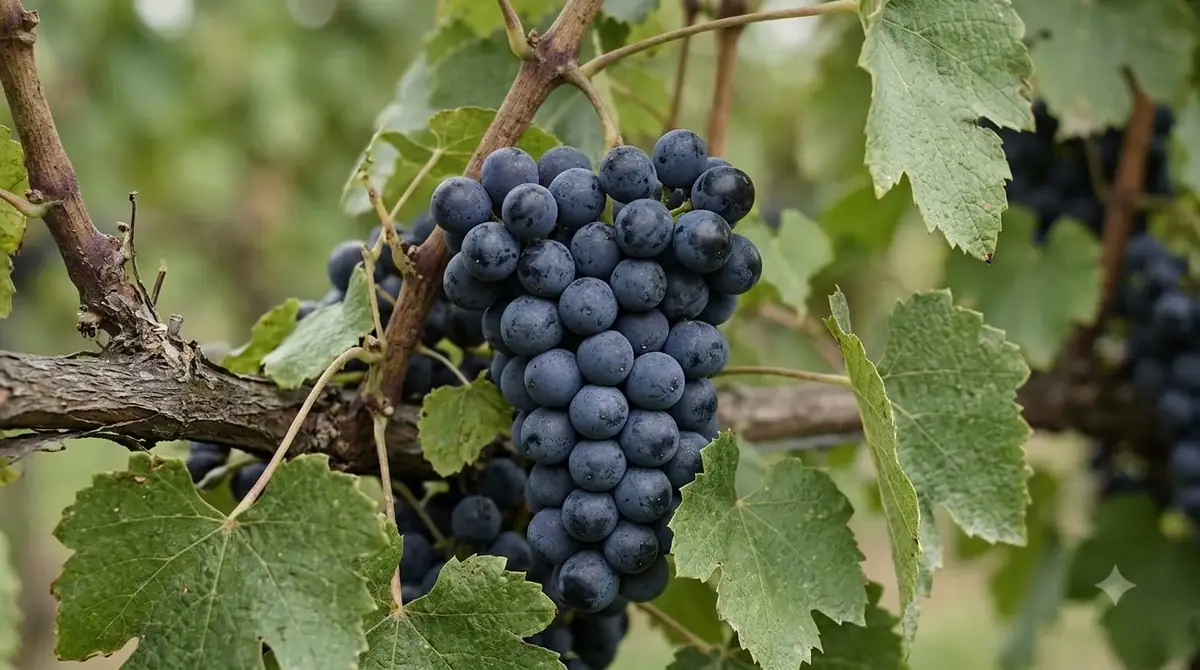
The wine comes from Tuscany’s Chianti appellation and carries the DOCG designation. Its primary grape is Sangiovese, with Merlot, Cabernet Sauvignon, and other complementary varieties included in the blend described in Target’s product information. That combination gives shoppers a familiar regional style while keeping the wine accessible to people who are not experienced with Italian wine classifications.
The standard 750 ml bottle contains approximately five servings when poured in 5 oz portions. At a typical retail range of $10 to $15, it can make sense for an ordinary dinner, a small gathering, or a casual meal where the wine should complement the food rather than dominate it. WineDiscounts and Total Wine listings provide examples of this general price positioning, although individual stores can charge more or less.
Shoppers who enjoy Sangiovese, lighter Tuscan blends, or medium-bodied reds are likely to appreciate its general style. People who normally choose powerful Cabernet Sauvignon, heavily oaked California reds, or very sweet wines may find it less satisfying. Ruffino Chianti is designed around freshness and food compatibility, not concentrated sweetness or exceptionally high tannin.
It is also useful for shoppers who want an uncomplicated bottle for Italian cooking. Tomato-based pasta, mushroom dishes, pizza, and grilled vegetables offer natural pairing opportunities because the wine’s acidity can complement savory ingredients without making the meal feel excessively heavy.
Key Factors to Compare Before Paying
The most useful comparison starts with bottle size, retailer, and the exact Ruffino wine being offered. A regular Chianti DOCG bottle should not be confused with a Chianti Classico or a Riserva bottling, because those names describe different wine categories and can represent different production and pricing expectations.
| Comparison factor | Typical information | Why it matters |
|---|---|---|
| Standard bottle | 750 ml | About five 5 oz servings |
| Typical US retail range | About $10-$15 | Useful benchmark for comparison |
| Wine classification | Chianti DOCG | Identifies the appellation |
| Main grape | Sangiovese | Contributes fresh acidity and red fruit |
| Additional grapes | Merlot, Cabernet Sauvignon, other varieties | Contribute complementary characteristics |
| Alcohol content | 12.5% ABV | Useful for comparing wine styles |
| Body | Medium-bodied | Suitable for a range of everyday meals |
| Serving temperature | 60-64°F | Helps preserve freshness and balance |
Retailer pricing is the first major consideration. WineDiscounts lists its standard 750 ml Ruffino Chianti at approximately $10.99, while Total Wine and Target show examples of different retail positioning. Taken together, these listings support a practical shopping expectation of about $10 to $15 for the standard bottle. Prices vary by state and retailer, and local taxes, distribution costs, and store policies can affect the final amount.
Another consideration is whether the listing actually refers to the standard Chianti DOCG. Ruffino has several wines associated with Tuscany, and the brand name alone does not establish that two bottles are identical. Chianti Classico, Riserva, and other premium bottlings should be evaluated separately instead of being compared directly with the regular Chianti.
Bottle size also changes the calculation. A 750 ml bottle is the most useful standard for comparing prices, while a 1.5 L bottle contains twice as much wine. A larger bottle may have a different total price, but its cost per 750 ml equivalent is the more meaningful comparison. Retail availability of larger formats can differ considerably by location.
Vintage and availability are additional variables. Some stores identify a specific vintage, while others list the wine without a vintage designation in the product title. Total Wine specifically warns that price, vintage, and availability can vary by store. For a casual purchase, the main priority is confirming the exact wine and bottle format rather than assuming every listing represents the same release.
Finally, consider what you want from the wine. A shopper looking for a dry, versatile Italian red may find the regular Ruffino Chianti a suitable purchase at the lower end of its typical retail range. Someone seeking more concentration, oak influence, or a more structured wine may prefer to compare other Chianti categories.
Step-by-Step: How to Shop for Ruffino Chianti
A straightforward buying process helps prevent confusion between similar Ruffino labels and makes retailer comparisons more useful. Start with the standard Chianti DOCG, establish a 750 ml price benchmark, and then assess whether a different format or bottling better suits the occasion.
-
Identify the correct wine.
Look for Ruffino Chianti DOCG rather than assuming that every Ruffino red is the same product. The regular Chianti is a Sangiovese-led Tuscan wine, while Chianti Classico and Riserva labels belong to different purchasing comparisons.
-
Confirm the bottle size.
Use 750 ml as your standard comparison. A 1.5 L bottle contains twice the wine, so divide its total price by two to calculate its equivalent cost per standard bottle.
-
Establish a reasonable retail benchmark.
Use approximately $10 to $15 as a practical American retail reference for the standard bottle. WineDiscounts, Total Wine, and Target provide examples of the variation between retailers.
-
Compare at least two retailers.
Check whether the listings describe the same bottle size and wine classification. A price comparison is less useful if one listing refers to a different Ruffino wine or a larger format.
-
Check the vintage and product details.
Confirm that the wine is the regular Chianti DOCG and that the listing does not describe a different product. The producer and retailer descriptions can help clarify the grape blend, alcohol content, and regional designation.
-
Consider the intended meal.
For pizza, ravioli, tomato-based pasta, or grilled meat, the standard Ruffino Chianti offers a useful food-friendly style. For a richer meal or a more structured wine experience, compare alternative Tuscan bottlings.
-
Choose the most suitable format.
For one or two people, a standard 750 ml bottle is usually straightforward. A larger bottle can be more practical for a gathering, provided its equivalent price and storage requirements make sense.
This process helps distinguish a genuinely comparable retail listing from a superficially similar one. It also keeps the decision focused on the wine’s intended use, not simply the lowest number displayed by a retailer.
Tip: Use the 750 ml bottle as your shopping benchmark. If a retailer lists a larger Ruffino format, compare its price per 750 ml equivalent before deciding whether it represents better value. Also confirm that both listings refer to regular Ruffino Chianti DOCG rather than different wines in the Ruffino range.
Ruffino Chianti Wine Style and Bottle Characteristics
Ruffino Chianti is a dry, medium-bodied Tuscan red with Sangiovese at its center. Its recognizable profile combines red fruit, fresh acidity, moderate structure, and complementary grape varieties that help make the wine approachable at the dinner table.
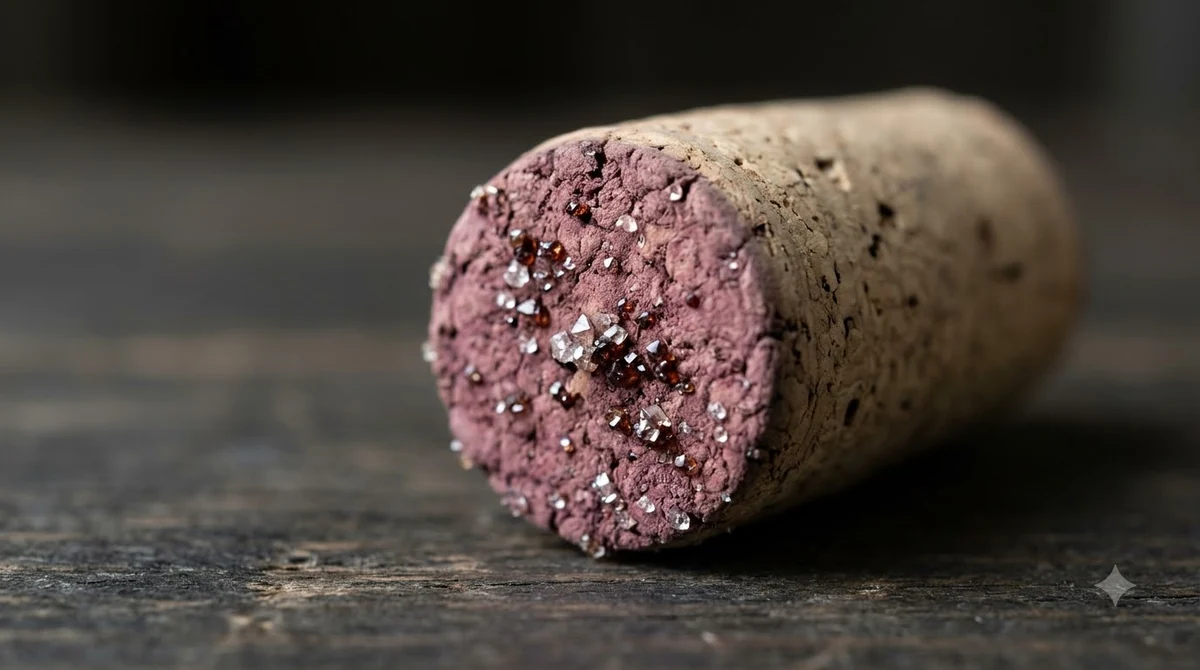
The Sangiovese component contributes much of the wine’s traditional Chianti character. Cherry and plum are prominent fruit references in retailer descriptions, while violet and light spice add further aromatic detail. Target also mentions hazelnut as part of its description. These characteristics give shoppers a general idea of what to expect without suggesting that every bottle will show exactly the same intensity.
The blend also includes Merlot and Cabernet Sauvignon, according to Target’s product information. Merlot can contribute a softer impression, while Cabernet Sauvignon can add structure. The final character remains centered on a Tuscan red style rather than resembling a full-bodied Cabernet Sauvignon-dominant wine.
Dryness, acidity, and body
The wine is dry rather than sweet. Its fruit flavors should not be confused with residual sugar: ripe cherry and plum aromas can give a wine a fruity impression without making it taste sweet. This distinction is important for shoppers who want a dry red to accompany savory dishes.
Sangiovese is also known for its relatively high acidity. That freshness is especially useful with tomato-based dishes, because acidic food generally pairs best with wine that has equal or higher acidity. A wine that tastes soft and rich by itself can seem flat next to a strongly acidic tomato sauce, whereas a fresh Sangiovese-based red can maintain better balance.
Its medium body makes it adaptable. It can accompany a simple Margherita pizza, a meat sauce, or grilled vegetables without requiring the heavier food pairings associated with some powerful red wines. Its moderate structure also makes it easier to serve to a group with different food preferences.
Winemaking and aging
Target’s product description reports that the wine undergoes fermentation in stainless-steel and concrete vats for two weeks, followed by four months of aging. WineDiscounts also describes stainless-steel and concrete vessels in its winemaking information. These details help explain why the wine is presented as fresh and fruit-focused rather than strongly defined by pronounced new-oak flavors.
WineDiscounts identifies vineyard sources within the Chianti appellation at elevations of approximately 200 to 350 meters. That regional sourcing supports the wine’s Tuscan identity and its connection to the Sangiovese-based Chianti style.
For shoppers who want to examine the retailer’s bottle description directly, Target’s Ruffino Chianti product listing provides additional details about the blend, alcohol content, and production information. The important buying distinction is that the standard DOCG bottling should be assessed according to its own intended style, not against the expectations of more expensive Tuscan wines.
Common Mistakes When Comparing Ruffino Chianti Prices
The most frequent shopping mistake is treating every Ruffino-branded Chianti as an identical bottle. The regular Chianti DOCG, Chianti Classico, and Riserva categories should not be assumed to have the same production requirements, flavor profile, or typical retail positioning.
One example is comparing a regular Chianti with a Chianti Classico Riserva simply because both carry the Ruffino name. The wines belong to different categories, so a higher price does not automatically mean that the standard Chianti is overpriced. The comparison needs to account for the exact appellation and bottling.
Another mistake is ignoring bottle size. A 1.5 L bottle may have a higher total price than a 750 ml bottle while still representing a lower cost per standard-bottle equivalent. Conversely, a larger bottle is not automatically better value if its price rises disproportionately.
Shoppers can also misinterpret the wine’s flavor description. Cherry, plum, and strawberry are fruit characteristics, not proof that the wine is sweet. Ruffino Chianti is described as dry, and its fresh acidity is a defining part of its food-friendly style. Someone seeking a sweet red should compare a different wine category rather than expecting this Chianti to taste like a dessert wine.
Alcohol content is another specification that can be overlooked. Target and WineDiscounts list 12.5% ABV for the standard product. The figure is useful for comparing bottles, but it should not be treated as a quality rating or as a substitute for understanding the wine’s body, acidity, and structure.
It is also a mistake to judge the wine entirely by an online price without considering location. Wine distribution rules, state taxes, shipping restrictions, and local retailer costs can create noticeable differences. A listing from one state is not a guarantee that the same price will be available in another.
Finally, shoppers should avoid paying a premium simply because a bottle has an attractive label or because a retailer uses language suggesting exclusivity. The standard Ruffino Chianti is intended as an approachable Tuscan red. Its value should be assessed against the actual bottle size, classification, and typical market range.
For additional information about its strength, the Ruffino Chianti alcohol content discussion can help clarify how its ABV fits into the overall wine profile. Understanding the alcohol percentage alongside the wine’s body and acidity gives a more complete picture than relying on one specification alone.
Care, Serving, and Storage Tips
Ruffino Chianti is generally best approached as a wine to enjoy relatively young rather than as a bottle purchased for extended cellar aging. Correct serving temperature, sensible storage, and appropriate food choices can help preserve the fresh fruit and balanced structure that define its style.
WineDiscounts recommends serving the wine at approximately 60-64°F. This range is appropriate for a medium-bodied red and helps keep the wine fresh without making its fruit character seem muted by excessive warmth. Serving it significantly warmer than room temperature can make the alcohol seem more prominent and the wine less refreshing.
If the bottle has been stored in a warm room, a short period in the refrigerator can bring it closer to the desired serving temperature. A standard red wine glass or a Chianti/Sangiovese glass is suitable. There is no need for elaborate glassware to enjoy an everyday Tuscan red.
Opening and decanting
Extensive decanting is not generally necessary for this approachable style. WineDiscounts suggests that a quick 10-minute splash in the glass can help soften the fruit and spice. That is a practical option if the wine initially seems slightly closed or firm after opening.
Pouring a moderate 5 oz serving gives the wine room to express its aromas while leaving space in the glass for gentle swirling. A standard 750 ml bottle provides approximately five such servings, making it easy to estimate quantities for dinner.
Storage before and after opening
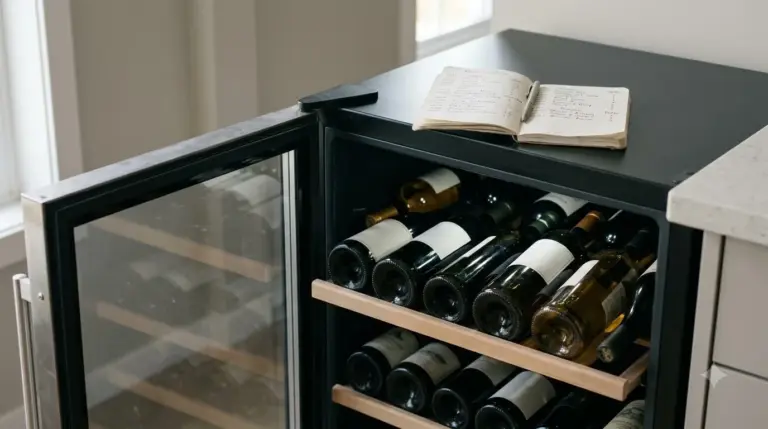
Unopened bottles should be kept away from direct sunlight, strong temperature fluctuations, and heat sources. A cool storage area near 55°F is a useful target. Bottles with cork closures should generally be stored on their sides so the cork remains in contact with the wine.
After opening, reseal the bottle and refrigerate it. A reasonable general guideline for opened still wine is approximately three to five days, although freshness can decline earlier depending on oxygen exposure and storage conditions. Allow refrigerated red wine to warm slightly before serving again.
WineDiscounts suggests that Ruffino Chianti can be enjoyed upon release or over the following one to two years. That makes it a practical purchase for someone who wants a wine for current meals rather than a bottle intended for a long cellar project.
Food pairings that make sense
Ruffino Chianti works particularly well with tomato-based pasta, ravioli, Margherita pizza, and beef carpaccio. These are combinations specifically identified in the product descriptions from Target and WineDiscounts. Its acidity helps complement tomato sauces, while its fruit and moderate structure suit savory ingredients.
Grilled vegetables and meats are also suitable options. The wine’s acidity can refresh the palate between bites, while its red-fruit profile provides enough flavor to accompany grilled food. A classic hamburger is another practical pairing identified by Total Wine.
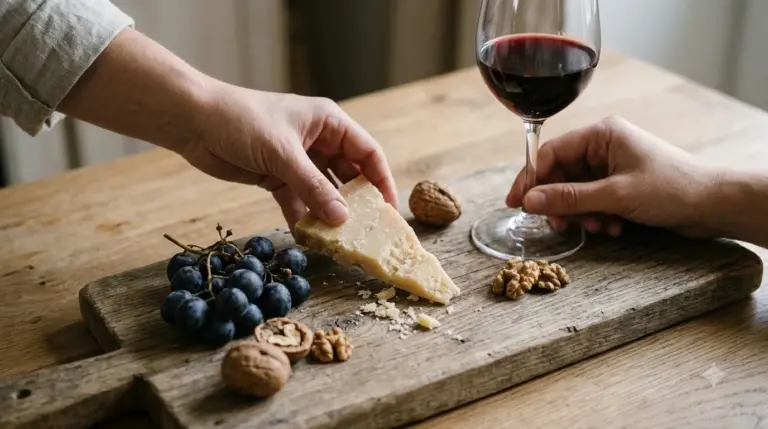
Hard and semi-hard cheeses can work well, particularly when served with savory accompaniments. Salt and fat can soften the perception of tannin, helping create a more balanced experience. Very spicy dishes are less predictable because chili heat can seem more pronounced alongside alcoholic and tannic wines.
For more detail on the expected fruit, aroma, and food-friendly character, see the Ruffino Chianti tasting notes. These characteristics are useful when deciding whether the bottle fits a particular meal or personal preference.
Frequently Asked Questions
Does Ruffino Chianti have a DOCG designation?
Yes. The standard Ruffino Chianti is identified as Chianti DOCG in the retailer product descriptions. DOCG is Italy’s highest traditional wine appellation classification, and its production rules include geographical and production requirements. It identifies the wine’s regulated origin rather than guaranteeing a particular flavor preference.
How many calories are in a glass of Ruffino Chianti?
The exact calorie count depends on the wine’s residual sugar and alcohol composition. A standard 5 oz serving of dry red wine at approximately 12.5% ABV is commonly estimated at around 120-130 calories. That is a general wine estimate rather than a verified nutritional figure for every Ruffino bottling.
Is Ruffino Chianti suitable for vegetarian meals?
Yes, it can accompany many vegetarian dishes, especially mushroom risotto, tomato pasta, grilled eggplant, and roasted vegetables. The wine’s fresh acidity and red-fruit character work particularly well with savory ingredients. Pairing depends on the preparation, sauces, and seasoning rather than simply whether a meal contains meat.
Can Ruffino Chianti be used for cooking?
Yes. A dry Chianti can be used in tomato-based pasta sauces, braised vegetables, and some meat preparations. Its acidity and savory fruit profile can add complexity to a sauce as it reduces. A cooking wine does not need to be expensive, but it should be a wine whose flavor would also be pleasant to drink.
Is Ruffino Chianti available in half bottles?
Some markets carry a 375 ml format, although availability varies by retailer and location. A half bottle provides approximately two and a half standard 5 oz servings. This smaller format can be convenient when a full 750 ml bottle would be more than a meal requires.
For most shoppers, Ruffino Chianti makes the most sense as an affordable, dry Tuscan red for everyday meals, with approximately $10 to $15 serving as a useful US retail reference for a 750 ml bottle. Compare the exact appellation and bottle size before purchasing, and choose a retailer whose price and availability suit your location. Its fresh Sangiovese character, medium body, and versatility with Italian food make it a practical option for a straightforward dinner wine.
More in Wine Brands
 Fess Parker Wine Price: Compare Bottles and Find Your Best FitUpdated Nov 21, 2026
 Eroica Riesling Review: Flavor, Sweetness and Food PairingsUpdated Nov 21, 2026
 Estancia Wine Review: How to Choose the Right BottleUpdated Nov 21, 2026
 Erath Wine Price: Compare Bottles and Find the Right ValueUpdated Nov 21, 2026
 Eroica Riesling Price: What to Pay and How to ChooseUpdated Nov 21, 2026
 Elk Cove Wine Price: Compare Bottles and Find Your Best FitUpdated Nov 21, 2026