

We may earn a commission when you buy through links on this page, at no extra cost to you. Learn more.
What does Chianti taste like? Most Chianti is a dry, savory red with bright sour cherry, earthy and herbal notes, and fairly firm acidity. The flavor comes mainly from the Sangiovese grape, which makes up most of the blend in a typical bottle. Tannins add a slightly grippy texture, and the taste changes as the wine ages.
This guide explains the typical flavor profile of Chianti in plain terms. You will see where those flavors come from, how acidity and tannin shape the taste, and how Chianti Classico and riserva styles differ. It finishes with food ideas and simple serving advice.
What Is Chianti?
Chianti is a red wine from a named region in Tuscany, in central Italy. It is not a single brand. According to the Consorzio Vino Chianti’s page on Sangiovese, the wine is protected under the Chianti D.O.C.G. designation, which sets rules on grapes, production zone and ageing. Any wine sold under that name must come from the defined area and meet those rules.
The name also covers several sub-zones, including Colli Fiorentini, Colli Senesi and Rufina. Chianti Classico is a separate, historic core area that lies between Florence to the north and Siena to the south. Many bottles carry the black rooster seal of the Classico producers, so check the label if you want that specific style.
The Sangiovese Grape Behind the Flavor
Sangiovese is the main grape in Chianti, and it shapes nearly everything you taste. The grape is native to Italy and is most closely linked with Tuscany. The Sangiovese entry on Wikipedia gives a useful overview of its history and parentage. Winemakers describe it as a demanding variety that needs a long time on the vine to reach full expression.
Sangiovese often shows red and black fruit, especially plum, cherry and blackberry. Depending on how the wine is aged, you may also notice vanilla, coffee or tobacco from the oak. Young wines lean fresher and fruitier, while older bottles develop more savory and earthy character. The grape also has a refined floral side that many tasters notice on the nose.
Core Flavors: Cherry, Earth, and Herbs
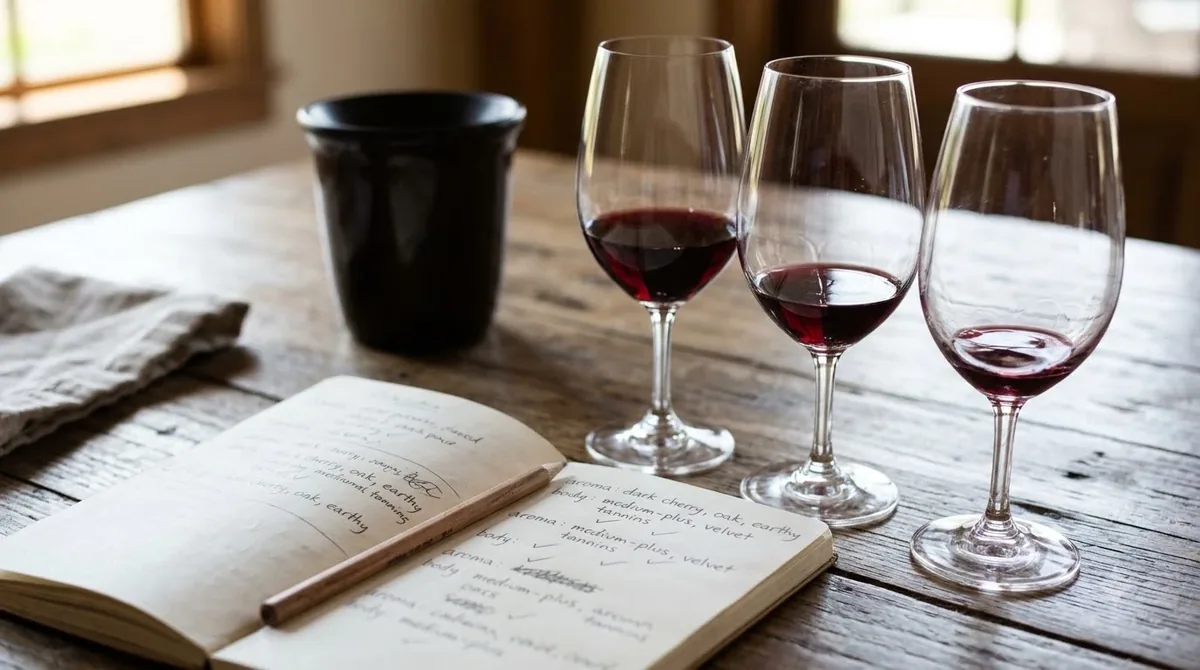
Most people describe Chianti with three main flavor groups. The first is fruit, usually sour or tart red cherry rather than jammy sweetness. The second is earth, a savory, mineral quality that gives the wine its dry finish. The third is herbal or floral lift, which can read as tea leaf, dried herbs or violet.
Reviewers and the producers’ own descriptions tend to agree on these points. The Consorzio describes Chianti as dry and savory with slight tannin, and an aroma often reminiscent of violet and red berries. Sangiovese-based wines are also linked with sour red cherries, earthy aromas and tea leaf notes. These are typical traits, not guarantees, because each producer and vintage differs.
If you already enjoy other reds, this profile may feel familiar but more tart. The what does red wine taste like guide covers the wider range of red styles and helps you place Chianti among them.
| Flavor group | What you may notice | Where it comes from |
|---|---|---|
| Fruit | Sour red cherry, some plum and red berry | Mainly the Sangiovese grape |
| Earth | Savory, dusty or mineral notes | Soil and the dry, savory style of the wine |
| Herbal and floral | Tea leaf, dried herbs, violet | Sangiovese aroma and bottle age |
| Oak notes | Vanilla, coffee, tobacco | Barrel ageing, if the producer uses wood |
How Acidity and Tannin Shape the Taste
Acidity and tannin are the two structural features that define how Chianti feels in your mouth. Acidity makes the wine taste fresh and lively, and it is one reason the wine pairs well with food. Tannin is the drying, grippy sensation you feel on your gums and cheeks after a sip of red wine.
Sangiovese typically brings high acidity and medium-plus tannin, which is why a good Chianti feels crisp rather than heavy. Reviewers at major wine references describe Chianti Classico as usually medium-bodied with medium to high acidity. Young bottles can taste more sharp and clean in their tannins, while older bottles soften and become smoother as the elements come together.
Balance is the main thing to watch. A young, simple Chianti can taste tart and drying on its own. Pairing it with food, or waiting for a bottle to age, usually softens that edge. If a wine tastes harsh to you, try it with a meal before you judge it.
Chianti vs. Chianti Classico vs. Riserva
The three names are related but not identical. Chianti is the broadest category and can come from several sub-zones across Tuscany. Chianti Classico comes from the historic heart of the region between Florence and Siena. Riserva usually signals longer ageing, but the exact rules depend on the category, so read the label closely.
According to Vespa’s overview of Chianti, a Chianti Superiore must be aged for at least nine months before sale and then aged in bottle for at least three months. Chianti Classico is generally considered medium-bodied with medium to high acidity. Riserva wines are often more structured and complex, though they can cost more and need more time in the cellar before drinking.
| Style | Typical character | Best way to think about it |
|---|---|---|
| Chianti | Fresh, bright cherry, lighter structure | Everyday drinking and casual meals |
| Chianti Classico | Savory, earthy, medium body, firm acidity | A step up when you want more depth |
| Riserva | Deeper, more complex, longer ageing | Special meals or wines to keep for a while |
Regional rules also affect the blend. Historically, Chianti included other grapes such as Canaiolo, which adds smoothness, and Trebbiano, which adds freshness. Current rules allow a range of Sangiovese shares, so the exact mix varies by producer. Check the label and producer notes if you want a more classic, blended style or a pure Sangiovese bottle.
Food Pairings and Serving Tips
Chianti works best with food because its acidity and savory character match many classic Italian dishes. Tomato sauces, grilled meats and aged cheeses all bring out the cherry and earth in the wine. Lighter reds and sparkling wines also suit some dishes, so the choice depends on the meal.
Good pairings include tomato-based pasta, pizza, roasted chicken, grilled sausage, and hard aged cheeses such as Parmesan. For a stronger wine like Riserva, try roasted red meats or mushroom dishes. Chianti is usually a poor match for very sweet desserts, since the dryness can taste sharp next to sugar. If you want to compare with a lighter style, the what does prosecco taste like guide explains how a fizzy, crisp wine handles the same kinds of dishes.
For serving, a slightly cool room temperature is usually better than a hot kitchen. Let a young Chianti breathe for a short time after opening, which can soften sharp edges. Store unopened bottles on their side in a cool, dark place, away from heat and light. Once opened, a re-corked bottle keeps best in the fridge for a short period, and you should drink it within a few days for the freshest taste.
Tip: Bring a bottle of Chianti to the table a little before the meal. Letting it open up for ten to fifteen minutes often makes the fruit and earth easier to taste. Enjoy it with food and drink responsibly.
Frequently Asked Questions
Is Chianti sweet or dry?
Chianti is a dry red wine. Its sour cherry fruit and savory, earthy character make it taste tart rather than sweet. Some very young or simple bottles can seem fruitier, but the wine is still dry in style.
Is Chianti a heavy red wine?
Chianti is usually medium-bodied, not heavy. Sangiovese brings firm acidity and medium-plus tannin, so the wine feels structured but lively. Chianti Classico is often described as medium-bodied with medium to high acidity.
What is the difference between Chianti and Chianti Classico?
Chianti covers a broad region in Tuscany, while Chianti Classico comes from the historic core between Florence and Siena. Classico wines are generally considered more structured and savory. Check the label for the exact designation on the bottle.
What foods go best with Chianti?
Tomato-based dishes, pizza, grilled meats and aged cheeses are classic matches. The wine’s acidity cuts through rich food, and its savory flavor complements herbs and roasted dishes. Avoid pairing it with very sweet desserts.
Chianti is easiest to understand as a dry, savory Sangiovese red with sour cherry, earth and herbal notes. Start with a basic bottle with a meal to see how the flavors feel to you. When you are ready to explore more, the Wine by Type section groups related styles together.
More in Wine Types & Grapes
 Zinfandel Sugar Content: Dry Red vs. White Zinfandel GramsUpdated Nov 21, 2026
 Best Zinfandel Substitute Options for Sipping and CookingUpdated Nov 21, 2026
 Zweigelt Food Pairing: Best Dishes, Cheeses, and Serving TipsUpdated Nov 21, 2026
 Zinfandel Tannins Explained: How Structure Shapes Every BottleUpdated Nov 21, 2026
 Zinfandel Sweetness Level: Dry Red vs. Sweet White Zin ExplainedUpdated Nov 21, 2026
 Xinomavro Food Pairing: Best Dishes, Styles, and Serving TipsUpdated Nov 21, 2026