

We may earn a commission when you buy through links on this page, at no extra cost to you. Learn more.
Royal Doulton crystal wine glasses are an appealing choice for drinkers who want elegant stemware with distinctive designs and practical everyday features. The brand offers contemporary crystalline collections such as 1815 and Highgate, alongside older collectible crystal patterns. The best choice depends on whether you prefer lightweight everyday glasses, decorative cut crystal, or specialized shapes for different wines.
Royal Doulton has a long association with tableware and decorative glassware, and its wine glasses reflect a mixture of traditional detailing and contemporary styling. However, the name crystal covers several different materials and product generations. Understanding those distinctions is important before buying a new set or searching for vintage replacements.
Specs and Key Features
Royal Doulton wine glasses offer several design approaches, from simple crystalline stemware to more elaborate cut patterns. The 1815 collection provides a useful reference point because its published specifications include capacity, dimensions, weight, material, and cleaning instructions. The manufacturer’s 1815 clear wine glass specifications provide the most direct reference for this everyday design.
The 1815 clear wine glass is designed around a relatively straightforward silhouette. Royal Doulton describes it as an everyday dining glass with an individually etched logo at the base. Its appearance is understated compared with older decorative crystal patterns, making it suitable for tables where the glassware should complement rather than dominate the dinnerware.
There is an important distinction between crystalline glass and traditional lead crystal. Royal Doulton’s 1815 product information identifies the material as crystalline. John Lewis also identifies the material as crystalline glass, rather than specifying lead crystal. Buyers should therefore avoid assuming that every Royal Doulton glass bearing a crystal description contains lead.
| Specification | 1815 Wine Clear |
|---|---|
| Material | Crystalline glass |
| Pack size | 4 glasses |
| Capacity | 390 ml per glass (manufacturer listing) |
| Height | 17.6 cm |
| Width | 8.6 cm |
| Weight | 185 g per glass |
| Decoration | Etched 1815 logo at the base |
| Dishwasher care | Dishwasher safe according to the product listing |
| Packaging | Kraft gift box with sleeve |
One detail deserves attention: the 1815 wine glass appears with different published capacities across retailer and manufacturer listings. Royal Doulton’s product listing gives 390 ml, while John Lewis lists a 350 ml version. This may reflect different product specifications or listing variations. When matching existing glasses, compare the product code, physical dimensions, and base marking rather than relying on the collection name alone.
The brand also offers more decorative designs. Highgate, for example, features an expertly cut pattern and a more traditional appearance. Its white wine glass is sold as a set of four, with hand washing recommended to protect the crystal. That difference in care instructions illustrates why individual product specifications matter more than broad assumptions about all Royal Doulton glassware.
For shoppers comparing different materials, our guide to lead free crystal wine glasses explains the terminology and the distinctions between lead crystal and other clear glass compositions.
What Owners Like
The strongest appeal of Royal Doulton wine glasses is the combination of recognizable design, coordinated tableware, and a selection that covers both everyday and formal settings. The 1815 range is particularly attractive to people who prefer uncomplicated glassware, while Highgate offers more noticeable decorative detailing.
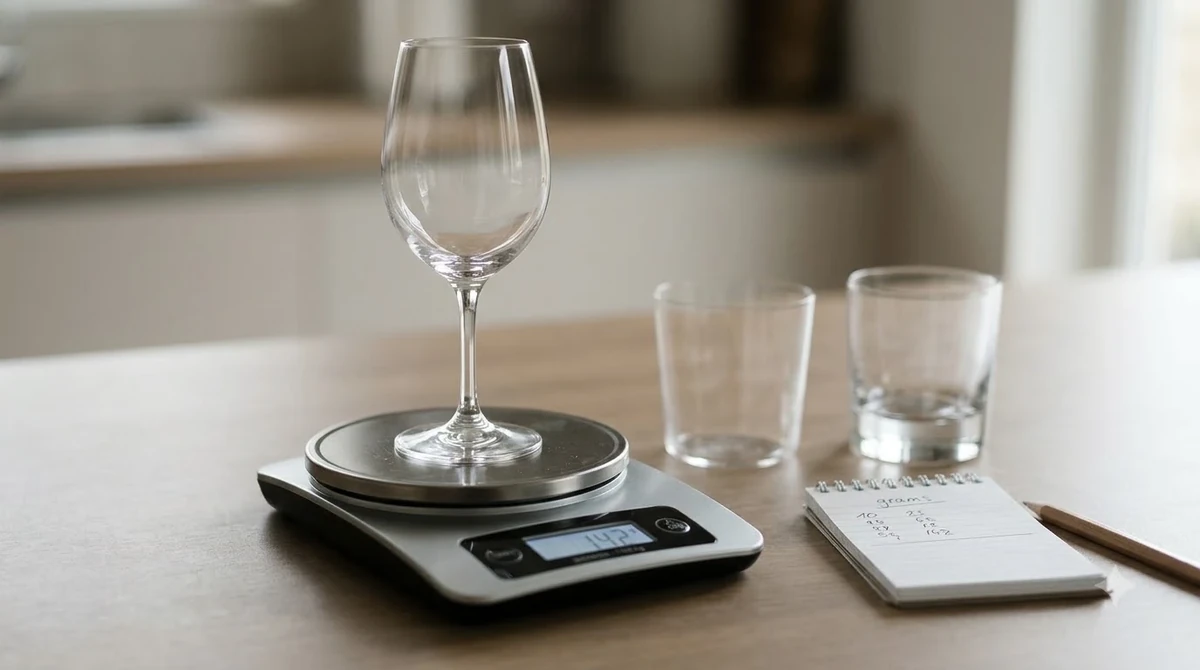
The 1815 clear glasses have several practical characteristics. Their 185-gram listed weight makes them relatively substantial compared with extremely lightweight specialist stemware, while their 17.6 cm height gives them a conventional wine-glass profile. The etched logo provides a small brand detail without adding a large printed decoration to the bowl.
The coordinated appearance is another reason shoppers consider the collection. Royal Doulton designed its 1815 glassware to complement its tableware collections. This makes the glasses particularly appealing to households that already own matching plates, serving pieces, or other items from the range.
Different looks for different tables
Royal Doulton’s contemporary selection offers more than clear glass. The 1815 blue and green versions introduce translucent color through hand-painted decoration. Both retain the collection’s recognizable etched logo, allowing buyers to coordinate colored glasses with existing tableware or introduce a contrasting accent.
Highgate takes a different approach. Its cut pattern creates a more noticeable visual effect, making it a better match for traditional dining rooms, formal place settings, and people who appreciate decorative glass. The distinction is not simply about appearance: Highgate’s manufacturer instructions recommend hand washing, whereas the 1815 clear product is listed as dishwasher safe.
Vintage collectors have another reason to consider the brand. Older Royal Doulton patterns can feature intricate cutting and traditional stem shapes that differ considerably from contemporary crystalline designs. The Windsor pattern, for example, is described by vintage retailer With A Past as featuring thumbprint cutting and a crisscross pattern.
That visual variety gives the brand appeal across different generations of glassware. Someone furnishing a contemporary dining area might prefer the simple 1815 silhouette, while someone completing an older dinner service may be more interested in locating a matching vintage pattern.
Buyers should remember that an attractive design does not automatically mean every piece is interchangeable. Bowl shape, capacity, stem length, and decoration can differ significantly between collections. Matching a complete set is often more important than choosing the glass with the most elaborate appearance.
Common Complaints
The main purchasing difficulties involve inconsistent material descriptions, changing availability, and differences between product-specific cleaning instructions. These issues matter particularly when comparing modern Royal Doulton stemware with older crystal patterns or purchasing replacement glasses from secondary sellers.
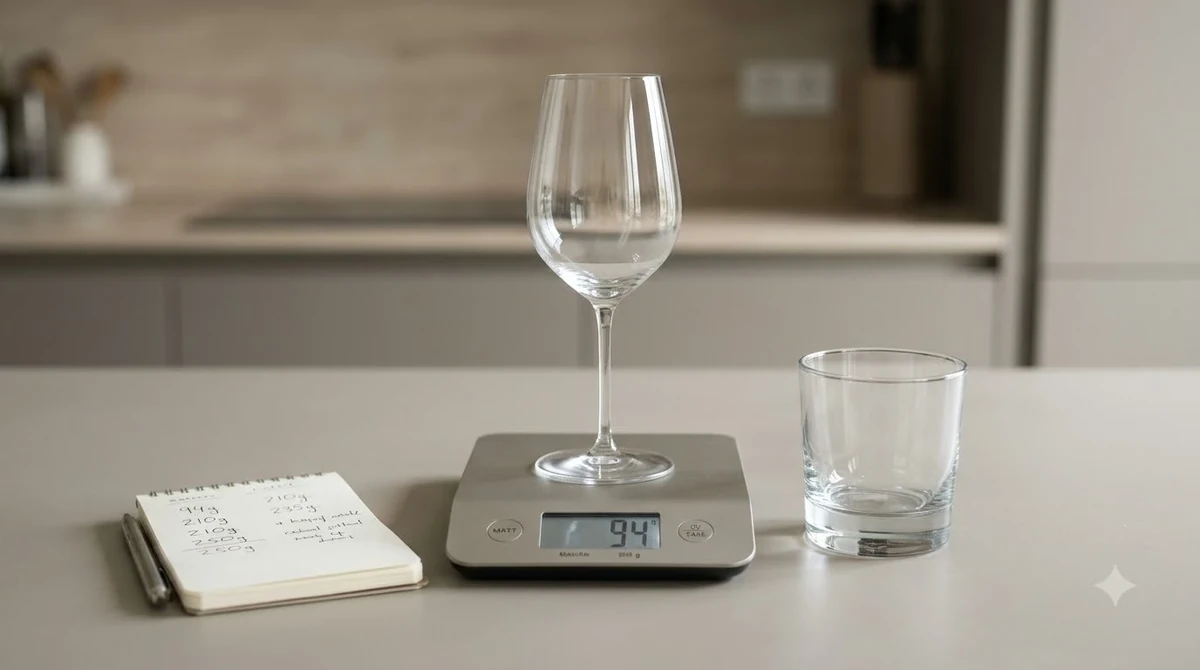
First, the word crystal can create confusion. Some retailers use it broadly to describe clear, refined glassware, while others distinguish between ordinary crystal glass, crystalline glass, and lead crystal. John Lewis explains these categories separately in its glassware information. Its description of lead crystal identifies a minimum lead oxide content of 24%, whereas the Royal Doulton 1815 listing identifies its composition as crystalline glass.
Consequently, buyers seeking traditional lead crystal should not assume that the 1815 collection meets that requirement. Similarly, people specifically avoiding lead should look for an explicit material declaration rather than relying on the Royal Doulton name or a retailer’s general crystal category.
Second, care instructions are not completely consistent across the wider range. The 1815 clear product is advertised as dishwasher safe, but the Highgate white wine glass listing recommends hand washing. Royal Doulton’s broader Australian crystal-care instructions also recommend keeping crystal out of the dishwasher because washing can cause cloudiness.
This can be frustrating for people who want one cleaning routine for every glass in their cupboard. It is better to follow the instructions associated with the particular product than to apply the dishwasher guidance for one collection to every other Royal Doulton design.
Availability and replacement difficulties
Another potential drawback concerns older designs. Vintage patterns such as Windsor are no longer presented as current mainstream collections in the listings examined. Buyers may need to search specialist secondhand retailers and compare individual pieces rather than expecting to find complete new sets.
Secondary-market listings can also vary in condition. A vintage glass described as being in excellent condition may still have small differences in clarity, wear, or manufacturing detail compared with an unused example. Photographs should be checked carefully, particularly around the rim, stem, and foot.
There is also a practical issue with purchasing mixed sets. Even when two glasses share the Royal Doulton name, their bowl profiles and dimensions may differ. A collection assembled from unrelated listings might look inconsistent on the dining table, especially when placed together in a formal setting.
Finally, buyers looking for highly specialized wine shapes may find the contemporary general-purpose collections less specific than dedicated sommelier stemware. A versatile glass can work across several wine styles, but it does not necessarily provide the same bowl proportions as a dedicated Bordeaux, Burgundy, or sparkling wine glass.
Who Should Buy and Who Should Skip
Royal Doulton wine glasses are worth considering for shoppers who value coordinated tableware, recognizable styling, and a choice between contemporary and traditional designs. The brand is particularly relevant to people who want a matching set for entertaining without choosing completely generic stemware.
The 1815 collection is a sensible starting point for everyday use. Its clear glasses have a restrained design, a four-piece pack, and a dishwasher-safe product specification. The blue and green alternatives provide a little more personality while retaining the same general collection identity.
Highgate is more appropriate for shoppers who prefer decorative cut crystal. Its white wine glass has a patterned appearance that makes a stronger visual statement. However, the recommendation to hand wash it means buyers should be comfortable with additional care.
Who should consider Royal Doulton
- Everyday wine drinkers: The 1815 clear glasses offer a simple silhouette that works with casual meals and regular entertaining.
- Matching-tableware enthusiasts: The 1815 range is designed to coordinate with Royal Doulton’s tableware collections.
- Traditional glassware fans: Highgate provides cut detailing for people who prefer more decorative stemware.
- Vintage collectors: Older patterns such as Windsor offer distinctive traditional designs worth investigating.
- Gift buyers: Four-piece sets and boxed presentation make the contemporary range relevant for household gifts and special occasions.
Who should look elsewhere
- Strict lead-crystal shoppers: The 1815 collection is identified as crystalline glass, not traditional lead crystal.
- People who want uniform dishwasher care: Different collections have different cleaning recommendations.
- Specialist wine enthusiasts: Those seeking highly specific Burgundy or Bordeaux shapes may prefer dedicated wine-focused stemware.
- Collectors completing discontinued patterns: Availability, condition, and exact pattern matching can make replacement purchases more complicated.
- Buyers who dislike delicate handling: Decorative cut designs and older crystal glasses may require more careful storage and washing.
Before choosing, consider how frequently the glasses will be used and how much maintenance is acceptable. A simple four-glass everyday set is a different purchase from a collectible vintage set intended primarily for formal occasions.
For a broader look at alternative materials and styles, see our guide to crystal wine glasses. It can help establish whether traditional crystal, contemporary crystalline glass, or another material is the better match for your dining habits.
How It Compares to Alternatives
Royal Doulton’s glassware sits between uncomplicated everyday stemware and more decorative traditional crystal. Its main distinction is the variety of collections, rather than one single glass shape or material that defines every product.
The 1815 collection is the most straightforward comparison point. It emphasizes versatile forms and coordinated tableware. Highgate is more decorative, while older patterns such as Windsor appeal to people who want traditional cut-glass detailing and vintage character.
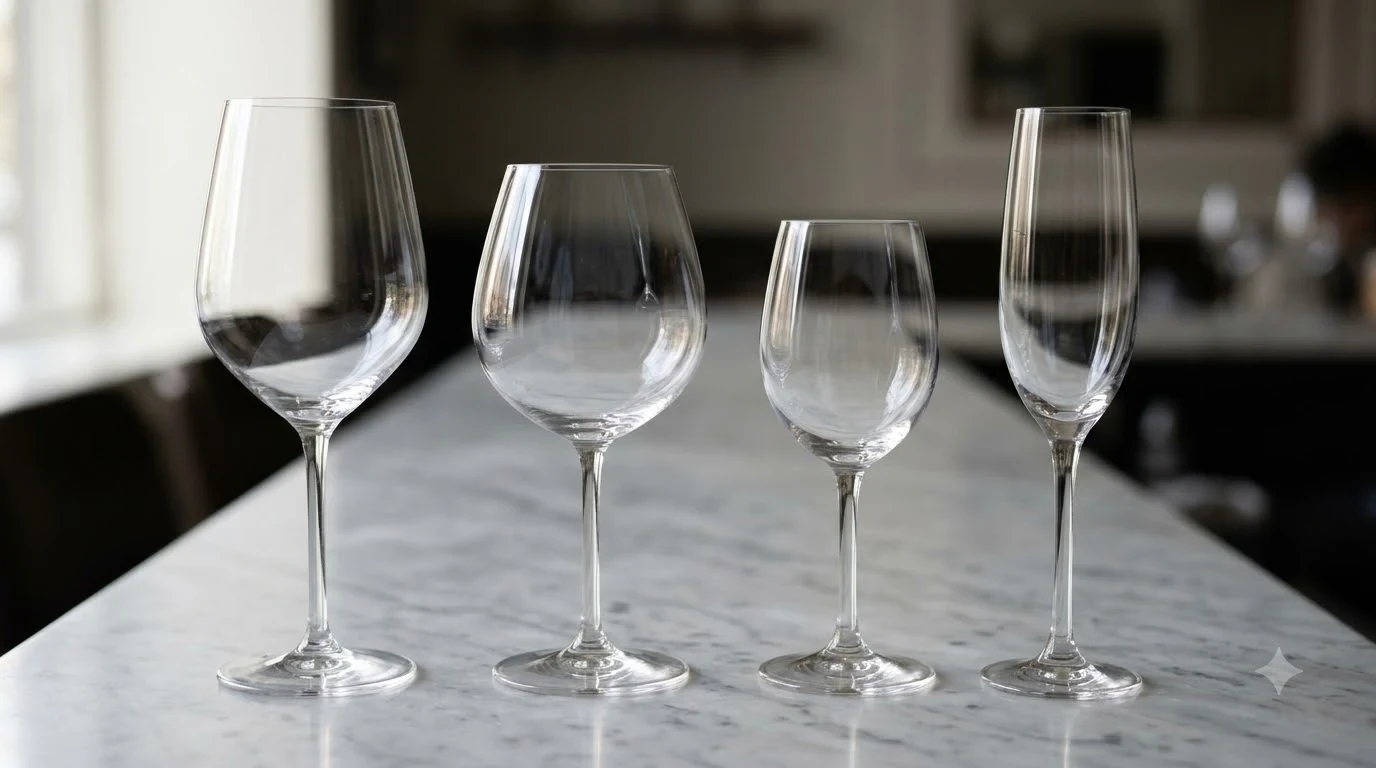
For a wine-specific comparison within Royal Doulton’s historical range, the Sommelier collection provides a useful contrast. Its published catalogue describes separate glass shapes for red wine, white wine, Bordeaux, and champagne. That specialization is different from the more general-purpose approach of the 1815 wine glass.
| Collection or style | Material or design | Best suited to | Main consideration |
|---|---|---|---|
| 1815 Clear | Crystalline, simple silhouette | Everyday red, white, and rosé | Dishwasher-safe product listing |
| 1815 Blue | Crystalline with hand-painted blue detail | Color-coordinated dining | Decorative finish |
| 1815 Green | Crystalline with hand-painted green detail | Casual entertaining | Colored appearance |
| Highgate | Cut-pattern crystal design | Formal and traditional settings | Hand washing recommended |
| Vintage Windsor | Cut thumbprint and crisscross detailing | Collectors and replacement purchases | Discontinued pattern availability |
| Sommelier | Specialized crystalline stemware | Different wine styles | Multiple dedicated bowl formats |
The Sommelier catalogue provides concrete examples of this specialization. It lists a 450 ml red wine glass and a 350 ml white wine glass, with separate formats for Bordeaux and champagne. Those differences can be useful for drinkers who want more deliberate glass selection for different bottles.
However, specialized glassware is not essential for every household. A versatile wine glass is often more practical for someone who regularly drinks Sauvignon Blanc, Chardonnay, Pinot Noir, and other styles without wanting to maintain several different sets.
Vintage Windsor also represents a different buying experience. Its cut pattern is more traditional than the plain 1815 design, but finding a consistent set can require more effort. The buyer must pay attention to pattern names, glass dimensions, condition, and whether all pieces come from the same design.
When comparing Royal Doulton with other manufacturers, avoid using brand prestige as the only selection criterion. Bowl proportions, material declarations, rim thickness, weight, stability, and cleaning requirements are more useful measures of whether a particular glass suits your needs.
Our wider guide to wine glasses explains the differences between common glass shapes and helps identify whether a general-purpose design or a specialized bowl is more appropriate.
Care and Buying Considerations
Proper handling is important for maintaining the appearance and condition of Royal Doulton stemware. The correct cleaning method depends on the collection, but gentle handling, suitable storage, and avoiding sudden temperature changes are sensible precautions for delicate glassware. Royal Doulton’s official crystal care guidance provides additional instructions for looking after its crystal products.
For 1815 clear glasses, Royal Doulton’s product listing specifically identifies dishwasher cleaning as acceptable. The manufacturer’s broader instructions for other crystal products are more cautious, and Highgate has a hand-wash recommendation. These instructions should be treated as product-specific rather than interchangeable.
Cleaning contemporary crystalline glasses
For glasses identified as dishwasher safe, avoid overcrowding the dishwasher. Position each glass securely so that the bowl and stem cannot knock against neighboring items during the wash cycle. Use the detergent and washing conditions recommended for the product.
For hand-wash-only designs, use warm water, a mild dishwashing detergent, and a soft cloth or sponge. Avoid scouring pads and abrasive cleaners that could damage the surface or decorative detailing.
Do not grip a delicate bowl and twist the stem in the opposite direction while cleaning. That movement can put unnecessary pressure on the narrowest part of the glass. Support the bowl and stem carefully, and avoid knocking the rim against the sink or another glass.
Drying and storage
After washing, dry delicate glasses using a clean, soft, lint-free cloth. Avoid leaving water droplets to dry naturally if they are likely to leave visible marks. Handle the foot and stem gently rather than applying pressure to the bowl.
Store wine glasses upright on a stable shelf where the stems are not exposed to unnecessary pressure. Royal Doulton’s Australian crystal-care instructions specifically recommend storing crystal upright rather than resting it on the rim.
For longer-term storage, avoid tightly packing glasses together. Give each piece sufficient space to prevent accidental contact when removing another item. If original packaging is available for collectible pieces, it can be useful for protecting glasses during storage or transportation.
Tip: Keep the original collection name, product number, and a photograph of the base marking when purchasing replacement glasses. Those details make it easier to distinguish an 1815 crystalline glass from a vintage Royal Doulton cut-crystal pattern.
What to inspect before buying
- Identify the collection. Confirm whether the glass belongs to 1815, Highgate, Sommelier, Windsor, or another Royal Doulton pattern.
- Confirm the material. Distinguish crystalline glass from traditional lead crystal if material composition matters to your purchase.
- Compare dimensions. Check height, bowl width, and capacity rather than relying on a product title alone.
- Review the cleaning instructions. Establish whether the specific design is dishwasher safe or requires hand washing.
- Inspect the rim and stem. Look for chips, cracks, scratches, and signs of previous repairs.
- Match the pattern. If replacing an existing glass, compare the bowl shape, stem profile, foot, and decorative markings.
- Check the set contents. Confirm whether the listing includes four glasses, six glasses, or individual pieces.
These steps are particularly useful when purchasing vintage glassware. A listing title may identify a glass as Royal Doulton without giving enough information to establish the exact pattern. Clear photographs of the bowl, stem, foot, and base marking are more useful than a general brand description.
For more options from the manufacturer and other glassware makers, our Glassware Brands overview provides another starting point for comparing design approaches and product categories.
Frequently Asked Questions
Are Royal Doulton crystal wine glasses collectible?
Some older Royal Doulton glassware patterns attract interest from collectors, particularly discontinued designs with distinctive cutting and recognizable pattern names. Windsor is one example, with its traditional thumbprint and crisscross decoration. Collectibility depends on pattern demand, condition, completeness, and the availability of matching pieces rather than the brand name alone.
How can I identify an older Royal Doulton wine glass?
Start by examining the base for an etched maker’s mark and comparing the shape with photographs of documented patterns. Measure the height, opening, and foot because glasses from different collections can look similar at first glance. A specialist replacement-glassware retailer may also be able to help identify an unfamiliar pattern from clear photographs.
Can Royal Doulton wine glasses be used for champagne?
Royal Doulton has offered dedicated champagne flute designs in addition to its wine glasses. A standard wine glass can also serve sparkling wine, but a dedicated flute provides a narrower shape that changes how the bubbles appear and rise. Choose the glass according to the serving style and the type of occasion.
Can Royal Doulton crystal glasses be repaired if chipped?
Professional glass restoration services may be able to polish certain minor imperfections, but the suitability of a repair depends on the damage and the glass construction. A chipped drinking rim should not be treated as a normal serving surface. For valuable vintage pieces, consult a specialist restorer before attempting any repair.
Why do some Royal Doulton glasses have different capacities under the same collection name?
Retailer listings can refer to different product specifications, regional versions, or variations within a collection. The 1815 wine glass, for example, appears with 350 ml and 390 ml capacities in different published listings. Comparing product numbers, dimensions, and physical examples is the most reliable way to establish whether two listings describe the same glass.
Royal Doulton crystal wine glasses offer a varied selection for people who appreciate coordinated tableware, traditional decorative glass, and practical contemporary stemware. The 1815 collection is a sensible option for everyday dining, while Highgate and vintage patterns provide more elaborate alternatives. Confirm the material, dimensions, cleaning requirements, and exact pattern before purchasing so that the glasses suit both your wine preferences and your dining routine.
More in Wine Glasses
 Zwiesel Glas Champagne Flutes for Durable Everyday Sparkling WineUpdated Nov 20, 2026
 Vera Wang Crystal Wine Glasses: Design, Quality and Buying AdviceUpdated Nov 20, 2026
 West Elm White Wine Glasses: Compare Designs for Better Everyday Wine ServiceUpdated Nov 20, 2026
 Zalto Stemless Wine Glasses: Discover Their Distinctive DesignsUpdated Nov 20, 2026
 Viski Champagne Glasses That Match Your Style and Sparkling WineUpdated Nov 20, 2026
 Vista Alegre Decanter Review: Crystal Style and Wine ServiceUpdated Nov 20, 2026