


We may earn a commission when you buy through links on this page, at no extra cost to you. Learn more.
Royal Doulton wine glasses are worth considering for buyers who want elegant crystal and crystalline stemware, distinctive detailing, and options for both everyday dining and formal entertaining. The 1815 collection emphasizes versatile everyday designs, while Highgate offers decorative cut-crystal styling. Choosing between them comes down to glass capacity, appearance, handling preferences, and willingness to hand wash delicate pieces.
Royal Doulton is a familiar name in tableware, and its glassware follows a similar emphasis on coordinated presentation and traditional craftsmanship-inspired design. Its wine glass selection includes clear crystalline designs, decorative crystal styles, and different bowl sizes for red and white wine. However, the collections are not interchangeable: some prioritize convenience, while others put more emphasis on decorative detail and careful maintenance. This review examines the available specifications, practical advantages, potential drawbacks, and alternatives to help buyers select a suitable set.
Specs and Key Features
Royal Doulton wine glasses cover several distinct designs rather than one standardized glass. The 1815 Wine Clear is a practical crystalline option, while Highgate is a more decorative crystal collection with separate red and white wine designs.
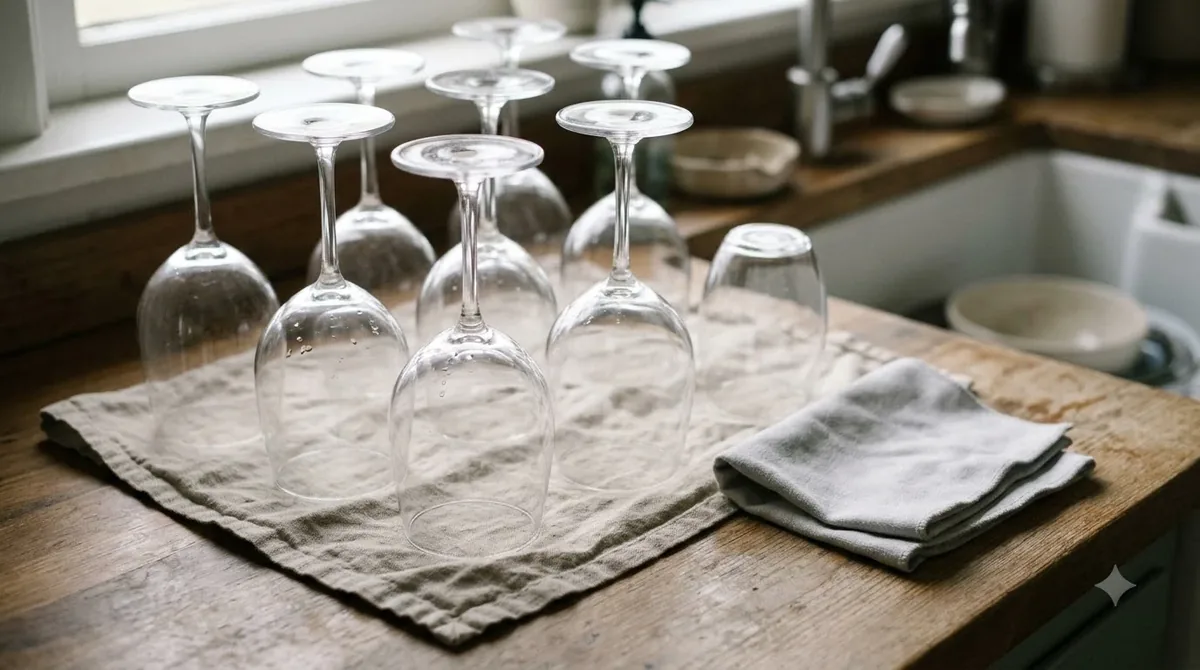
The 1815 Wine Clear set is particularly straightforward to evaluate because Royal Doulton publishes its material, dimensions, capacity, weight, and cleaning instructions. Each set contains four glasses, with a 390 ml capacity, an 8.6 cm width, and a height of 17.6 cm. The individual weight is listed as 185 grams. These specifications make it a relatively versatile choice for ordinary meals, casual entertaining, and moderate pours.
Highgate takes a different approach. Its white wine glasses feature a cut pattern that creates additional visual texture and reflects light across the bowl. The manufacturer describes the material as quality crystal and recommends hand washing. John Lewis also lists Highgate red wine glasses with a 300 ml capacity and white wine glasses with a 220 ml capacity, giving buyers a more specific distinction between the two intended uses.
| Model or collection | Material | Capacity per glass | Set size | Care guidance |
|---|---|---|---|---|
| 1815 Wine Clear | Crystalline | 390 ml | 4 | Dishwasher safe |
| Highgate White Wine | Quality crystal | 220 ml | 4 | Hand wash recommended |
| Highgate Red Wine | Cut crystal | 300 ml | 4 | Confirm care instructions for the specific set |
| Ashmere Wine Glass | Crystal cut glass | 250 ml | 2 | Confirm product-specific guidance |
| Ashmere Wine Goblet | Crystal cut glass | 300 ml | 2 | Confirm product-specific guidance |
The Ashmere specifications provide another useful comparison. John Lewis lists a 250 ml wine glass and a larger 300 ml goblet, both in two-piece sets. This gives shoppers an alternative to the four-piece 1815 and Highgate packages, especially when buying for a smaller household or assembling a mixed glassware collection.
One important distinction is that crystalline and crystal are not automatically interchangeable descriptions. Buyers should consider the actual material stated for each product rather than assuming that every glass carrying the Royal Doulton name has identical composition, thickness, clarity, or handling requirements.
For additional background on shapes, materials, and capacities across different manufacturers, the wine glasses comparison is a useful starting point.
For a manufacturer-backed specification reference, the official 1815 Wine Clear product listing provides the published dimensions, weight, capacity, and material details.
What Owners Like
The strongest appeal of Royal Doulton wine glasses is their combination of recognizable tableware styling, coordinated designs, and a range of glass sizes. The 1815 collection is particularly attractive for people who want a consistent look across dinnerware and drinkware without choosing an elaborate formal pattern.

The 1815 Wine Clear design has several practical details that make it appealing. Its clear appearance works with different table settings, and the individually etched logo at the base provides a subtle brand detail rather than a prominent decoration. Royal Doulton also describes the glasses as suitable for everyday dining and designed to complement its 1815 tableware collections.
The four-piece package is another advantage. A household can use the glasses for a shared dinner, a small gathering, or regular evening wine service without purchasing a large assortment. The listed 390 ml capacity also provides sufficient room for a standard 5 oz wine pour while leaving space above the liquid.
Distinctive presentation
Highgate appeals to a different buyer. Its cut pattern adds visual interest, especially under dining-room lighting or when the glasses are arranged on a formal table. Unlike a completely plain glass, its decorative surface becomes part of the presentation. The separate red and white wine shapes also make it easier to create a coordinated setting for a meal with multiple wine styles.
Ashmere adds another option for shoppers who prefer cut-glass styling in smaller sets. Its 250 ml wine glass and 300 ml goblet formats provide different proportions for people who do not need four identical glasses. This can be useful for a couple, a small collection, or someone adding occasional specialty pieces to an existing cabinet.
Gift-friendly presentation
Packaging can matter as much as appearance when choosing stemware as a present. The 1815 Wine Clear set comes in a kraft gift box with a sleeve, which gives it a more presentable appearance than loose individual glasses. Four-piece sets also make practical gifts for housewarmings, weddings, and hosts who regularly entertain.
Another positive is that Royal Doulton offers more than one aesthetic direction. Buyers who enjoy uncomplicated modern table settings can consider 1815, while people who prefer traditional decorative glassware can consider Highgate or Ashmere. This variety makes the brand more flexible than a collection built around one distinctive pattern.
However, the decorative appeal should not be confused with superior wine performance. A glass’s bowl proportions, rim, capacity, and ability to release aromas are more relevant to the drinking experience than its logo or cut pattern.
Common Complaints
The main potential disadvantages are collection-specific care requirements, limited interchangeability between designs, and the need to verify exact specifications before purchasing. A glass that looks similar in a product photograph may have a different material, capacity, or washing recommendation.
The clearest example is the difference between 1815 and Highgate. Royal Doulton identifies the 1815 Wine Clear as dishwasher safe, but recommends hand washing the Highgate White Wine set to protect its crystal. Buyers who expect every Royal Doulton glass to have the same cleaning requirements may find this distinction inconvenient.
Glassware is also inherently vulnerable to impacts. Thin rims, stems, and decorative surfaces require sensible handling, especially when washing several pieces together. Even well-made crystal should not be treated as unbreakable, and accidental contact with a metal tap, another glass, or a hard sink surface can cause damage.
Different specifications across collections
Another consideration is capacity. The 1815 glass holds 390 ml, while the listed Highgate white wine glass holds 220 ml. Neither specification alone establishes which glass is better. The smaller Highgate format may suit restrained white wine service, whereas the larger 1815 bowl provides additional room for different wine styles and pouring preferences.
Shoppers should also remember that a stated capacity is not a recommended serving volume. A 390 ml bowl is not intended to be filled to its rim. A typical 5 oz pour is approximately 148 ml, leaving room for the wine to move and release aromas.
Availability and collection consistency
Availability can also be a challenge when buying matching pieces. A retailer may list a particular Highgate or Ashmere design while another collection is unavailable in its market. John Lewis, for example, lists a specific selection of four Royal Doulton wine glass products rather than every possible design.
This matters when replacing a broken glass or expanding a set. Matching the brand name alone may not be enough. Buyers should compare the collection name, bowl proportions, pattern, height, and material before purchasing replacement pieces.
For someone who prioritizes everyday convenience, the dishwasher-safe 1815 model has a clearer practical advantage. For someone who values decorative crystal more highly, the additional cleaning effort associated with Highgate may be an acceptable trade-off.
Who Should Buy and Who Should Skip
Royal Doulton wine glasses make the most sense for buyers who appreciate coordinated tableware, attractive stemware, and a choice between understated and decorative designs. They are less suitable for shoppers who want inexpensive, highly standardized replacement glasses or who prefer to put every piece of glassware through the dishwasher.
Who should buy Royal Doulton
Buyers furnishing a coordinated dining room should consider the 1815 collection. Its clear appearance, etched logo, and relationship with the wider 1815 tableware range make it a natural option for people who want their dinnerware and glasses to share a consistent visual style.
People who entertain formally may prefer Highgate. The cut pattern creates a more decorative appearance, and separate red and white wine formats provide a coordinated way to serve different wines during a dinner party. Its hand-washing recommendation is a reasonable compromise for someone who does not mind extra care.
Buyers shopping for gifts can also consider the four-piece 1815 package. Its gift box and restrained design make it suitable for recipients whose existing dinnerware style is not known. Ashmere is another possibility for someone who prefers a smaller two-piece set.
Who should skip the brand
Shoppers who regularly break glasses or need inexpensive replacements may prefer a more basic, widely stocked glassware range. Paying more attention to a decorative pattern or brand identity will not necessarily solve the practical problem of breakage.
People who want a specialist wine-tasting glass should also compare bowl geometry rather than choosing by brand alone. A dedicated Cabernet Sauvignon glass, for example, may have a larger bowl than a compact white wine glass. Someone who regularly serves both styles may find that two purpose-specific designs offer more flexibility than one general-purpose shape.
Those who dislike hand washing should be particularly selective. The 1815 model has an explicit dishwasher-safe designation, but the Highgate White Wine product page recommends hand washing. The distinction should influence the purchase decision from the beginning.
For shoppers comparing dedicated shapes for fuller-bodied wines, the guide to red wine glasses can help explain why bowl size and opening shape matter.
How It Compares to Alternatives
Royal Doulton competes most directly on its combination of decorative tableware styling and varied stemware formats. Its 1815, Highgate, and Ashmere options address different presentation preferences, but buyers should compare each collection with alternatives based on shape, material, capacity, and maintenance rather than brand reputation alone.
The 1815 Wine Clear is the most straightforward option for someone who wants an uncomplicated clear glass with everyday convenience. Its 390 ml capacity and dishwasher-safe specification give it a different role from the smaller, decorative Highgate White Wine glass. Highgate is more appropriate when appearance and a dedicated white wine format are priorities.
Ashmere provides another comparison point through its cut-glass appearance and two-piece packaging. Its 250 ml wine glass is smaller than the 1815 model, while its 300 ml goblet offers a larger alternative. This gives buyers a choice of proportions without requiring a four-glass purchase.
For a broader comparison, it is useful to consider the general differences between traditional crystal stemware, modern crystalline glassware, and specialist wine glasses. Traditional decorative glassware often emphasizes appearance and presentation. Modern everyday glasses generally prioritize practical handling and easier cleaning. Specialist tasting glasses focus more closely on how a bowl accommodates particular wine styles.
| Comparison point | Royal Doulton 1815 | Royal Doulton Highgate | Royal Doulton Ashmere |
|---|---|---|---|
| Visual style | Simple and clear | Decorative cut pattern | Crystal cut appearance |
| Listed capacity | 390 ml | 220 ml white; 300 ml red | 250 ml wine; 300 ml goblet |
| Set configuration | 4 glasses | 4 glasses | 2 glasses |
| Care emphasis | Dishwasher safe | Hand washing recommended | Check individual product guidance |
| Best suited to | Everyday dining | Decorative entertaining | Smaller coordinated sets |
Choosing a specialist glass instead
A specialist glass can be a better option for someone who regularly explores different wine varieties. Pinot Noir, Cabernet Sauvignon, Sauvignon Blanc, and Chardonnay do not necessarily benefit from identical bowl proportions. Larger bowls can provide additional room for swirling fuller-bodied reds, while narrower formats can be convenient for aromatic white wines.
However, specialist glassware is not essential for casual drinking. A well-proportioned universal glass can serve many wine styles effectively. Buyers who want fewer pieces in their cabinet may prefer a versatile shape rather than maintaining separate glasses for every grape variety.
Another alternative is stemless glassware. These pieces are easier to store in some cabinets and may feel more convenient for informal gatherings, although they lack the traditional stemmed presentation. The comparison of stemless wine glasses is useful for buyers who prioritize compact storage and casual use.
Overall, Royal Doulton is most compelling when its design language matches the rest of the table setting. Its collections offer distinct choices, but the right alternative depends on the intended wine styles, storage space, and cleaning routine.
For additional brand comparisons, the Glassware Brands overview can help place Royal Doulton alongside other manufacturers and styles.
Frequently Asked Questions
Are Royal Doulton wine glasses made without lead?
Material descriptions differ by collection, and the word crystal alone does not establish the precise chemical composition. Royal Doulton’s care guidance includes a separate category for non-leaded crystal. Buyers who require confirmation of a specific glass’s composition should request product-specific material information from the manufacturer rather than assuming every collection has identical specifications.
Can Royal Doulton wine glasses be used for cocktails?
Many general-purpose wine glasses can also serve spritzes, sangria, and wine-based cocktails. However, the bowl proportions and stem height may not suit every mixed drink. For cocktails with ice, citrus, or multiple garnishes, a dedicated tumbler or highball glass may provide more convenient handling.
Do Royal Doulton wine glasses make good wedding gifts?
They can be suitable wedding gifts because several collections come in coordinated sets and have recognizable tableware styling. Before choosing, consider whether the couple prefers formal crystal patterns or simpler everyday glassware. A four-piece clear set can be easier to coordinate with existing dinnerware than a highly decorative pattern.
Can Royal Doulton wine glasses be mixed with other brands?
Yes. Clear stemware from different manufacturers can create a coordinated table when the bowl proportions, height, and rim appearance are reasonably similar. For a mixed collection, grouping glasses by wine type or using matching clear designs usually produces a more consistent presentation than combining several strongly contrasting cut patterns.
How can buyers identify an authentic Royal Doulton glass?
Start by comparing the collection name, product description, dimensions, and any etched branding with the manufacturer’s product information. Packaging and retailer documentation can also help establish the product’s identity. For older or secondhand pieces, request photographs of the base and any identifying marks because replacement glassware may no longer have its original packaging.
Royal Doulton wine glasses offer a useful range of choices, from the practical crystalline 1815 collection to the more decorative Highgate and Ashmere designs. The 1815 Wine Clear is the more convenient everyday choice, while Highgate suits buyers who prioritize decorative crystal presentation and accept additional cleaning requirements. Compare capacity, material, and care instructions before selecting a set so that the glassware fits both your wine preferences and your dining routine.
More in Wine Glasses
 Zwiesel Glas Champagne Flutes for Durable Everyday Sparkling WineUpdated Nov 20, 2026
 Vera Wang Crystal Wine Glasses: Design, Quality and Buying AdviceUpdated Nov 20, 2026
 West Elm White Wine Glasses: Compare Designs for Better Everyday Wine ServiceUpdated Nov 20, 2026
 Zalto Stemless Wine Glasses: Discover Their Distinctive DesignsUpdated Nov 20, 2026
 Viski Champagne Glasses That Match Your Style and Sparkling WineUpdated Nov 20, 2026
 Vista Alegre Decanter Review: Crystal Style and Wine ServiceUpdated Nov 20, 2026