

We may earn a commission when you buy through links on this page, at no extra cost to you. Learn more.
A romania wine tasting is a chance to discover distinctive native grapes, from lively Fetească Regală whites to structured Fetească Neagră reds, across a country with several contrasting wine regions. The most rewarding flights put local varieties beside familiar grapes such as Sauvignon Blanc, Chardonnay, Merlot, and Cabernet Sauvignon. Start with a crisp white from Transylvania or Drăgășani, then compare a richer red from Dealu Mare with a lighter regional style.
Romania may be a new name on an American wine list, but its vineyards have a long history and a varied modern identity. A little knowledge of the regions, grape names, and label terms makes it easier to recognize the differences between bottles and choose a flight with a clear sense of place.
Why Romanian Wine Deserves a Place in a Tasting
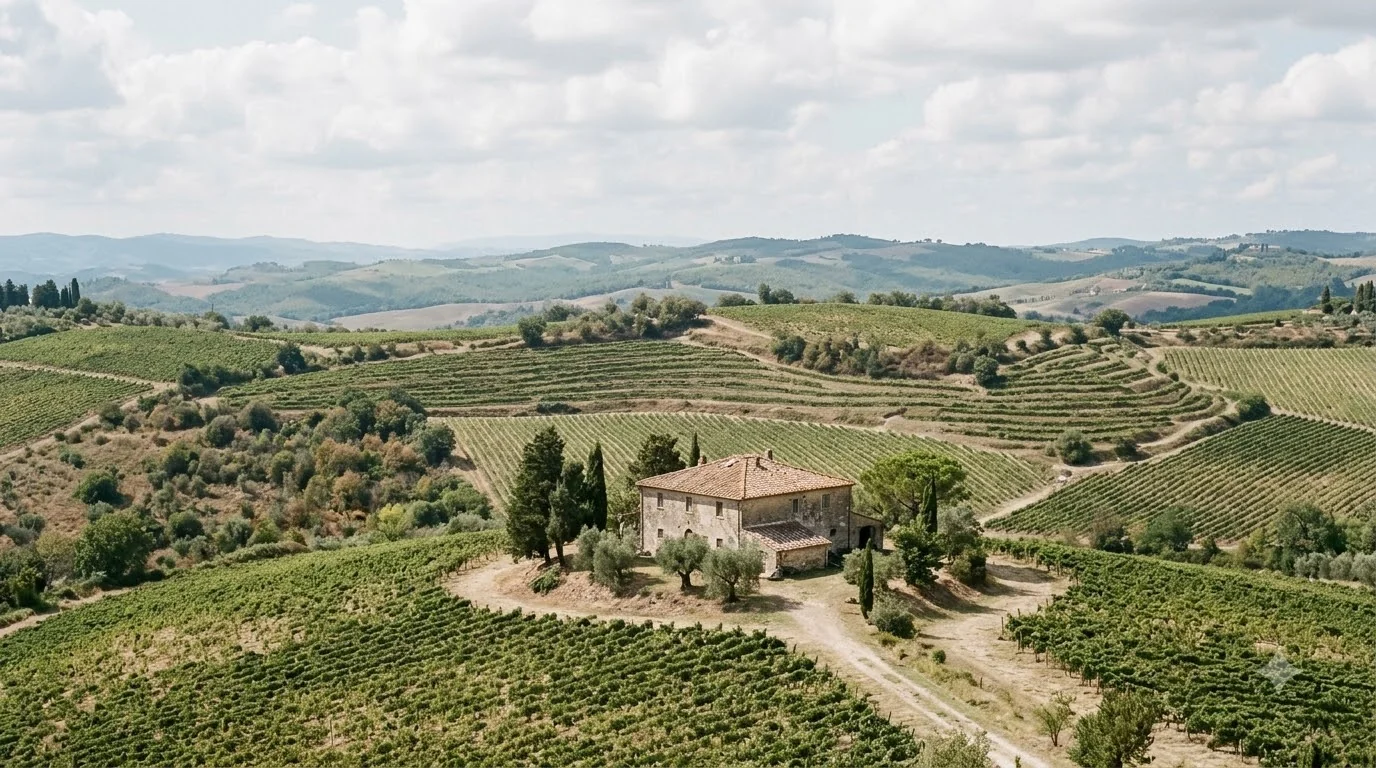
Romanian wine is best understood through contrasts: aromatic whites from cooler inland vineyards, reds shaped by warm southern hills, and local grapes rarely seen on international shelves. The country lies roughly between 44 and 48 degrees north, while the Carpathians, Danube, and Black Sea all influence growing conditions.
Wine culture here reaches back well beyond the modern industry. WSET traces vine-growing in the region to Greek settlers who brought vines across the Black Sea, particularly to present-day Dobrogea. Roman rule, monasteries, and later French viticultural influence also shaped the country’s wine history. Phylloxera devastated vineyards in 1884, and production was later industrialized during the communist period from 1944 to 1989.
After 1990, private wineries, vineyard investment, and renewed attention to indigenous grapes gradually rebuilt the industry. Today’s tastings may include a familiar Sauvignon Blanc alongside Crâmpoșie Selecționată or Negru de Drăgășani. WSET describes a broadly continental climate with an average July temperature of 23.5°C (about 74°F) and annual rainfall of 540 millimeters (about 21 inches); cooler inland sites can preserve brisk acidity, while warmer hillsides encourage ripe fruit and fuller reds.
For readers used to comparing a region through Wine Regions, Romania rewards the same approach. Fetească Neagră, for example, can be more elegant in Transylvania and more full-bodied in Dealu Mare, according to Decanter. The grape name is a starting point; the region helps explain weight and character.
The Main Wine Regions and Their Styles
Romania’s vineyard map can be read as five broad regional groupings containing 12 geographical indications and 35 controlled designations of origin (DOC), according to the WineWhispers atlas. Compare Transylvania’s cooler whites, Moldavia’s established white-wine districts, southern reds, and the warmer Black Sea and Danube areas; a DOC is a more specific origin designation than a broad geographical indication.
| Broad area | DOC count in the cited breakdown | Place names to recognize | Tasting direction |
|---|---|---|---|
| Transylvania | 6 | Târnave, Jidvei, Lechința, Alba Iulia | Aromatic whites with freshness and acidity |
| Moldavia and Vrancea | 11 (8 + 3) | Cotnari, Iași, Huși, Odobești, Panciu | Native white grapes; Băbească Neagră in Vrancea |
| Muntenia and Oltenia | 8 (3 + 5) | Dealu Mare, Pietroasa, Drăgășani, Segarcea | Fetească Neagră, Negru de Drăgășani, structured reds |
| Dobruja and Danube terraces | 6 (4 + 2) | Murfatlar, Babadag, Sarica Niculițel, Oltina | Riper, sun-influenced wines |
| Banat, Crișana, and Maramureș | 4 identified DOCs | Recaș, Banat, Miniș, Crișana | International grapes and local whites or reds |
Transylvania is a good starting point for whites with lift and aromatic definition. Târnave, Alba Iulia, Lechința, and Sebeș-Apold sit on a high plateau, and Fetească Regală is a signature grape. Jidvei and Târnave are names to remember when comparing fresh bottlings of Fetească Regală and Fetească Albă.
Moldavia, east of the Carpathians, includes Cotnari, Iași, Huși, and Bohotin. Grasă de Cotnari is its signature variety and a useful contrast to the drier, more linear whites of Transylvania. Nearby Vrancea includes Odobești, Panciu, and Cotești, districts associated with Băbească Neagră. Farther south, Dealu Mare is known for Fetească Neagră and roughly 65 kilometers of south-facing hills, while Drăgășani is a center for Negru de Drăgășani and Crâmpoșie Selecționată.
Dobruja and western Romania add further contrast. Murfatlar and Sarica Niculițel sit in the sunny Black Sea region; Recaș is in the west near Hungary and Serbia, and Miniș–Măderat in Arad is associated with Cadarcă. Readers who enjoy exploring an emerging American region through Willcox wine tasting may appreciate how this western Romanian mix combines local grapes with international varieties.
Indigenous Grapes to Put on Your Tasting List
Native grapes give a Romanian flight its clearest identity. Begin with Fetească Regală, Fetească Albă, Fetească Neagră, Crâmpoșie Selecționată, Grasă de Cotnari, Băbească Neagră, and Negru de Drăgășani; then compare them with familiar international varieties.
Whites: Fetească Regală, Fetească Albă, and Crâmpoșie
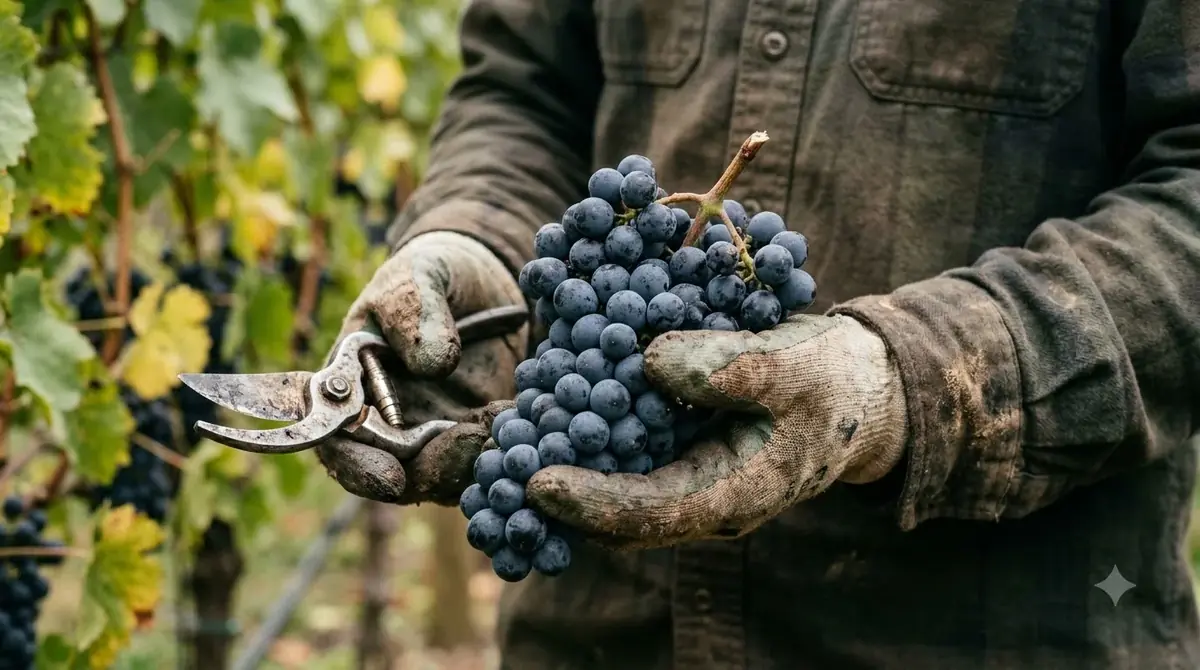
Fetească Regală, often translated as “royal maiden,” is one of Romania’s central white grapes. Decanter describes it as more exuberant than the related Fetească Albă, while the WineWhispers guide places it at the heart of Transylvania’s high, cool vineyards. Look for orchard fruit, citrus, floral lift, and lively acidity, especially in cooler-climate bottlings; warmer sites can give riper fruit.
Fetească Albă, or “white maiden,” is often more discreet in expression and can emphasize finesse over overt perfume. Crâmpoșie Selecționată is closely associated with Drăgășani. Decanter describes a steel-matured Prince Stirbey example as clean and fresh, with citrus, green apple, and mineral notes. Grasă de Cotnari is another essential native white, tied to the historic Cotnari district and found in both dry and sweeter expressions.
Reds: Fetească Neagră, Băbească Neagră, and Negru de Drăgășani
Fetească Neagră, or “black maiden,” is the best-known Romanian red for many international tasters. Decanter identifies it as a flagship native grape with ageworthy potential. In Dealu Mare it can make a deeper, more powerful style, with dark cherry, black fruit, spice, firm structure, and rounded tannins; in cooler Transylvania it may feel more restrained. Oak use, picking decisions, and blending also affect the result.
Băbească Neagră is a useful contrast, particularly around Odobești, Panciu, and Cotești in Vrancea. Rather than treating it as a smaller version of Fetească Neagră, look for its own balance of fruit, acidity, and tannin; lighter examples can suit tasters who prefer moderate structure. Negru de Drăgășani is a rarer red crossing associated with Drăgășani. Decanter describes black-cherry and dark-fruit character from clay and limestone-veined slopes, with a spicy, savory dimension. Cadarcă from Miniș and Novac from Oltenia are other local reds worth noting.
How to Taste Romanian Wines with Confidence
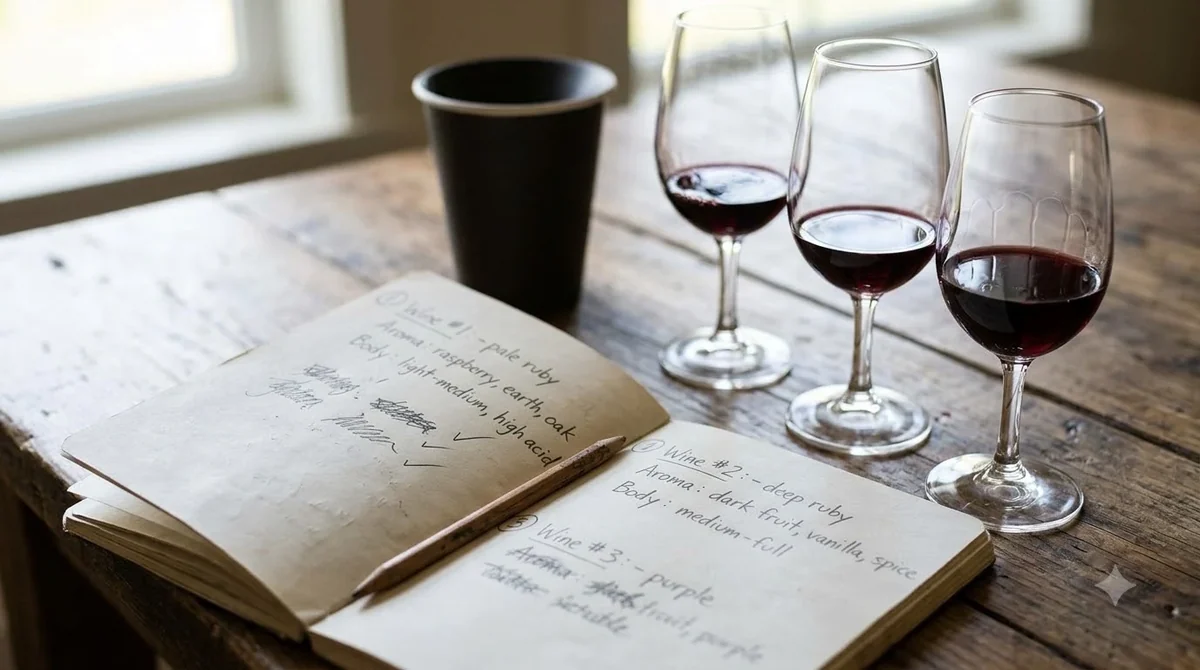
A structured tasting helps separate grape character from regional influence and winemaking choices. Pour from lightest to fullest, begin with whites, and use similar glassware so that changes in aroma and texture are easier to identify.
For a four-wine flight, start with a Fetească Regală from Târnave or another Transylvanian DOC, follow with Crâmpoșie Selecționată from Drăgășani, then pour Fetească Neagră from Dealu Mare and finish with Negru de Drăgășani or Băbească Neagră. A six-wine lineup can add Fetească Albă and Grasă de Cotnari. This sequence moves from crisp and aromatic to richer and more structured without asking one grape to represent the whole country.
Look at color first, then smell before tasting. With whites, note lemon, green apple, pear, white flowers, or riper stone fruit. With reds, look for sour cherry, black cherry, plum, herbs, spice, or earthy notes. After the first sip, assess acidity, body, tannin, alcohol warmth, and finish separately. A full-bodied wine can still feel fresh, and an aromatic wine is not necessarily sweet.
Temperature matters: serve light whites and rosés at 45–50°F, fuller whites at 50–55°F, and lighter reds at 55–60°F. Fuller reds generally show better at 60–65°F than at a warm room temperature. A young, structured Fetească Neagră may benefit from 30–60 minutes in a decanter, while a lighter Băbească Neagră may need none. A 5-ounce pour is a useful tasting measure; a 750-milliliter bottle gives about five such pours.
Tip: Taste one local grape beside one familiar variety in a similar style. Fetească Regală next to Sauvignon Blanc, or Fetească Neagră beside Merlot, gives you a reference point without assuming the wines should taste alike.
Take notes in a repeatable order: region and grape, aroma, acidity, body, tannin, finish, and the food you would serve. When tasters disagree about fruit aromas, compare acidity and texture; those structural traits often provide a more consistent basis for describing the wine.
Reading Romanian Labels and Appellations
Romanian labels often place a grape name, producer, and origin designation side by side. The main term to recognize is DOC, short for Denumire de Origine Controlată, Romania’s controlled designation of origin; a broader geographical indication may appear as IG.
The National Office of Vine and Wine Products (ONVPV) lists DOC areas including Târnave, Cotnari, Dealu Mare, Drăgășani, Recaș, Miniș, Murfatlar, and Sarica Niculițel. These names indicate protected origins, not grape varieties. A bottle marked Dealu Mare may contain Fetească Neagră, Cabernet Sauvignon, Merlot, or a blend, so consider grape information alongside the place name.
The designations are geographically specific. Transylvanian DOCs include Târnave with subareas such as Blaj, Jidvei, and Mediaș, plus Alba Iulia, Sebeș-Apold, Aiud, and Lechința. Moldavian designations include Cotnari, Iași, Bohotin, Huși, Iana, Dealu Bujorului, Nicorești, Panciu, Odobești, and Cotești. Southern designations include Dealu Mare and its named subareas, as well as Pietroasa, Drăgășani, Sâmburești, Segarcea, and Mehedinți.
Do not confuse a DOC with a grape or a sweetness term. Grasă de Cotnari identifies a variety, while Cotnari identifies an origin; both may appear on the same bottle. A varietal bottling lets you focus on the grape, while a blend can show how native varieties work with Cabernet Sauvignon or Merlot. Oak aging may add spice, toast, or texture; stainless-steel maturation can preserve fresher fruit and acidity. For the legal designation list, the ONVPV overview of Romanian DOC and IG names is the official reference. WSET’s introduction to the wines of Romania provides broader history, climate, and grape context. Compare European regional systems through Alsace wine tasting or Bolgheri wine tasting; origin names add precision, but the grape rules and styles are not interchangeable.
Food Pairings and Serving Temperatures
Pair Romanian wines by matching body, acidity, tannin, and sweetness with the weight and seasoning of the dish. Bright whites suit salty or fresh foods, fuller reds handle roasted meats, and sweet wines need desserts at least as sweet as the wine.
Fetească Regală, Fetească Albă, and Crâmpoșie Selecționată work with grilled trout, roast chicken, vegetables, fresh cheeses, and herb-forward salads. Their acidity refreshes the palate after creamy textures, while their fruit does not overwhelm lighter flavors. For sharp lemon, vinegar, or pickled ingredients, choose a wine with equal or higher acidity so it does not taste flat beside the dish.
Grasă de Cotnari depends on its sweetness level. A dry example can accompany savory pastries or poultry, while a sweeter bottling works with fruit desserts, nut pastries, or blue cheese. Fetească Neagră and Negru de Drăgășani can suit roast lamb, grilled pork, beef, mushrooms, and roasted peppers. Salt and fat soften tannin, while a lighter Băbească Neagră can work with roast chicken, sausages, or charcuterie.
Be careful with chili heat: high alcohol and tannin can amplify the burn, so a slightly chilled, lower-tannin red or aromatic white with some residual sweetness may be a better match. Avoid heavily tannic reds with oily fish, where the combination can taste harsh. For a Dealu Mare Cabernet or Fetească Neagră, choose a less fiery preparation and serve it with grilled meat or browned vegetables. Serve sparkling wines at 40–50°F, light whites and rosés at 45–50°F, fuller whites at 50–55°F, light reds at 55–60°F, fuller reds at 60–65°F, and sweet whites at 43–50°F. Opened still wine usually keeps 3–5 days in the refrigerator; sparkling wine is best within 1–3 days.
Frequently Asked Questions
These details add useful context for pronunciation, early history, grape plantings, and Romania’s sparkling-wine category. They can also help shape a tasting beyond the usual still white and red lineup.
How do you pronounce Fetească Neagră?
Decanter gives an approximate pronunciation as “feh-te-yas-ka ney-ah-gra.” The name is commonly translated as “black maiden,” while Fetească Albă means “white maiden.”
How old is winemaking in Romania?
WSET traces grape growing in the region to Greek settlers who brought vines across the Black Sea between 600 and 500 BC. Those early vineyards were in present-day Dobrogea, and the Romans later used vineyards in the area during their occupation.
Why are Romanian wines less familiar in the United States?
WSET reports that only about 5–6% of Romanian wine production is exported, so much of the country’s output is consumed domestically. That limited export share helps explain why grapes such as Crâmpoșie Selecționată and Băbească Neagră are less familiar to many American shoppers.
Which Romanian white grape has the largest vineyard area?
Decanter lists Fetească Regală at 12,661 hectares, just ahead of Fetească Albă at 12,383 hectares in its cited grape-area figures. Those numbers help explain why both grapes appear so often in discussions of Romanian white wine.
Does Romania make sparkling wine?
Yes. The WineWhispers atlas says 10 Romanian designations are authorized for sparkling wine, with active production shown for three: Panciu, Dealu Mare, and Târnave. Dealu Mare also has the country’s only separate specification for pétillant, or semi-sparkling, wine.
Romania is best approached through comparison: taste its native grapes, notice how regions shift the balance of fruit and structure, and keep one familiar variety in the flight as a reference. With a few place names and grape styles in mind, the next Romanian bottle becomes easier to understand and more interesting to share.
More in Wine Regions
 Willcox Wine Trail: Discover Arizona’s High-Elevation Wine CountryUpdated Nov 20, 2026
 Yakima Valley Wine Region: Find the Best Styles to TryUpdated Nov 20, 2026
 Vosne Romanee Wine Tasting: Identify Aromas and Choose Better PairingsUpdated Nov 20, 2026
 Yakima Valley Wine Festival: Find the Best Seasonal Wine EventsUpdated Nov 20, 2026
 Wales Vineyards: Discover Cool-Climate Wines and Where to VisitUpdated Nov 20, 2026
 Yountville Wine Festival: Discover Napa Wines and Local FoodUpdated Nov 20, 2026