

We may earn a commission when you buy through links on this page, at no extra cost to you. Learn more.
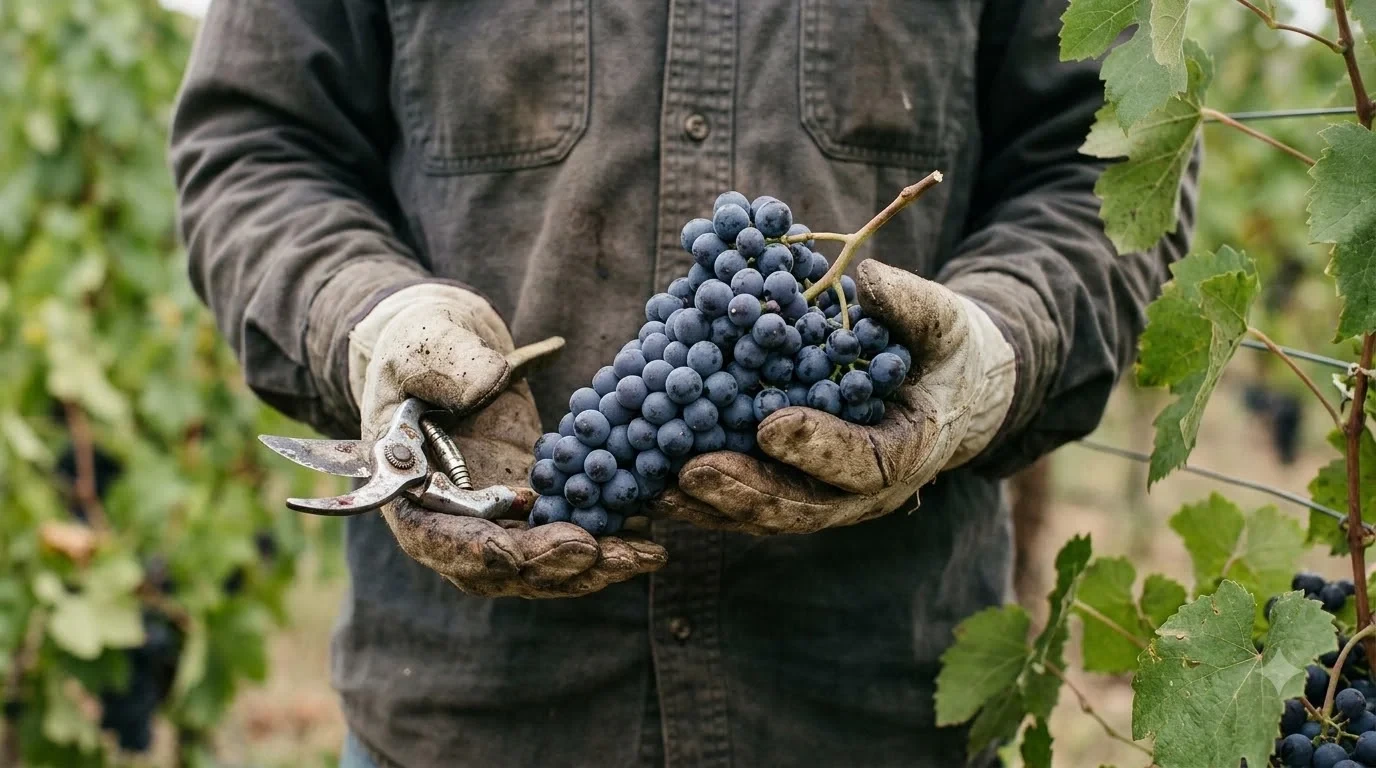
Romania vineyards produce an impressive range of wines across eight major growing regions, combining indigenous grapes such as Fetească Neagră and Fetească Regală with internationally recognized varieties. From the sun-warmed slopes of Dealu Mare to the historic vineyards of Cotnari and the cooler hills of Transylvania, Romanian wine country offers considerable regional diversity. Understanding its geography, native grapes, and appellations makes it easier to discover bottles that reflect the country’s distinctive wine heritage.
Romania is one of Europe’s established wine-producing countries, although its wines remain less familiar to many American consumers than bottles from France, Italy, or Spain. Its vineyards stretch across varied landscapes, from the Carpathian foothills to the Danube and Black Sea regions. Centuries of cultivation, interruptions during the twentieth century, and renewed investment have shaped a wine industry that combines traditional varieties with contemporary production methods. For anyone exploring unfamiliar wine regions, Romania offers an opportunity to discover grapes and styles that are difficult to find elsewhere.
Romania’s Wine Geography and Growing Climate
Romania’s vineyards benefit from a combination of continental weather, mountain influences, and proximity to the Black Sea. The country has eight principal wine-growing regions, with conditions that range from relatively cool inland locations to warmer southeastern slopes and river terraces.
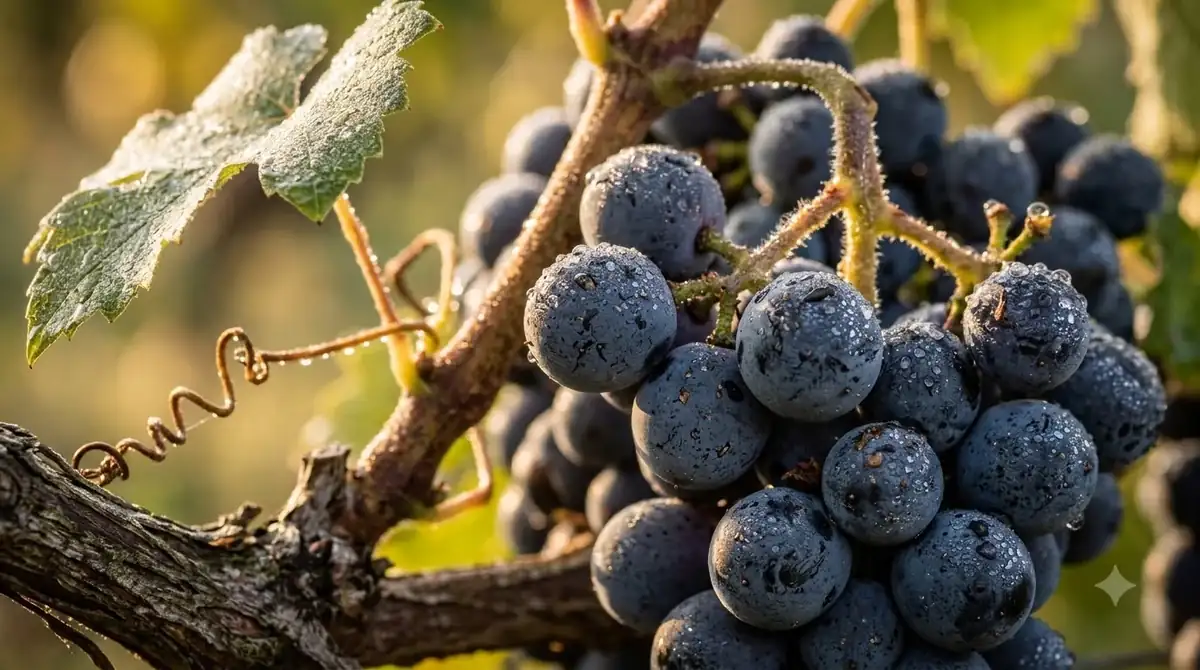
The country’s wine-growing areas extend approximately between 44 and 48 degrees north latitude. According to the Wine & Spirit Education Trust (WSET), Romania experiences a moderate continental climate, with an average July temperature of approximately 23.5 degrees Celsius and relatively harsh winters. This combination creates a growing environment suitable for both aromatic white grapes and structured red varieties.
The Carpathian Mountains are important to the country’s climate. Covering approximately 33% of Romania’s land area, they influence regional weather patterns and help block some cold air masses arriving from the north and northeast. Nevertheless, severe winter conditions remain possible. Temperatures can reach approximately minus 20 degrees Celsius during particularly cold periods, creating challenges for vines in exposed locations.
The Black Sea has a moderating influence, particularly in Dobrogea and other southeastern growing areas. Its presence helps distinguish coastal vineyards from more continental inland locations. Romania receives approximately 540 millimeters of average annual rainfall, according to WSET, although distribution varies by region and season. Summer drought is therefore an important consideration for vineyard management.
Romania’s landscape can be understood through three broad geographical zones:
- Intra-Carpathian plateau: Areas within the mountain arc, including Transylvanian vineyards, where cooler conditions favor fresh, aromatic wines.
- Carpathian foothills: Sloping vineyard landscapes that include important central and southern growing districts, with different exposures and soil types.
- Pontic-Danubian area: Southeastern locations influenced by the Danube and Black Sea, where warmer conditions can support ripe grapes and fuller-bodied wines.
These geographical differences explain why Romanian wine cannot be described through one dominant style. A white wine from a cooler Transylvanian site may emphasize freshness, while a red from southern Dealu Mare can show considerably more concentration. Soil, altitude, exposure, grape selection, and harvest decisions all contribute to the final character.
Climate also influences the timing of harvest and the balance between ripeness and acidity. Producers in warmer districts must manage grape maturity carefully, particularly for red varieties that can accumulate sugar rapidly. Cooler locations may retain more natural acidity, making them attractive for aromatic whites and sparkling wine production.
The Eight Major Romanian Wine Regions
Romania’s eight principal wine-growing regions cover a wide geographical area, and each contains individual vineyards and wine centers with their own traditions. The most useful starting points for understanding Romanian wine are Moldova, Muntenia and Oltenia, Transylvania, and Dobrogea.
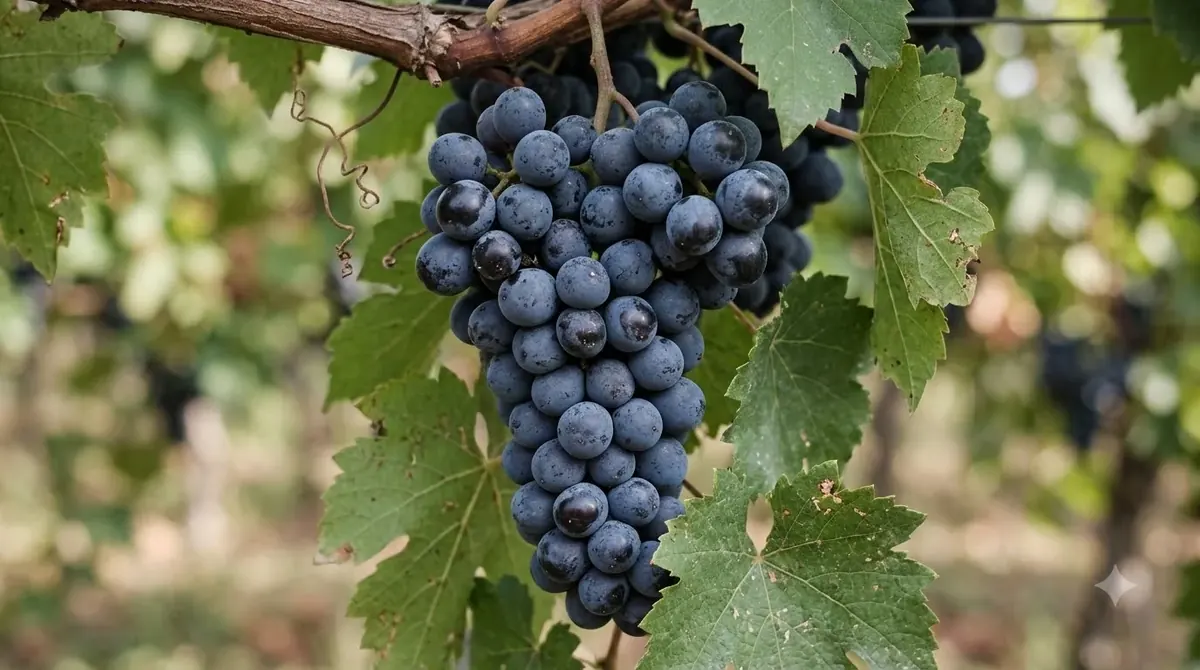
Moldova, in the east of the country, is one of Romania’s most important wine-producing areas. It includes historic names such as Cotnari, Huși, Iași, and Odobești. Cotnari is particularly associated with traditional white wines, including those made from Grasă de Cotnari, while Busuioacă de Bohotin is an important aromatic variety in the wider Moldovan wine landscape.
Muntenia and Oltenia, in southern Romania, contain some of the country’s best-known red-wine districts. Dealu Mare is especially important for Fetească Neagră, Cabernet Sauvignon, and Merlot. Further west, Drăgășani has a distinct identity associated with indigenous grapes such as Negru de Drăgășani and Crâmpoșie.
Transylvania is known for its cooler inland conditions and white-wine production. The Târnave vineyard area is a particularly useful name to recognize. Wines from this part of the country can emphasize freshness and aromatic definition, with international varieties appearing alongside traditional Romanian grapes.
Dobrogea occupies southeastern Romania, between the Danube and the Black Sea. Its important vineyard areas include Murfatlar and Sarica Niculițel. The relatively warm climate favors ripe fruit profiles, and the region has a long association with wine production dating back to ancient Greek settlements along the Black Sea.
The western regions provide another perspective. Banat and Crișana, together with Maramureș, have their own traditions and vineyard landscapes. Miniș-Măderat, in the western part of the country, is among the historical wine-growing names worth recognizing. The region of the Danube Terraces and the southern sandy soils also contribute to the country’s wider viticultural picture.
The following overview summarizes the principal regional identities:
| Wine region | Important vineyard areas | General wine identity |
|---|---|---|
| Moldova | Cotnari, Huși, Iași, Odobești | Indigenous whites and aromatic varieties |
| Muntenia and Oltenia | Dealu Mare, Drăgășani, Sâmburești | Structured reds and regional grapes |
| Transylvania | Târnave, Aiud, Lechința | Fresh whites and aromatic wines |
| Dobrogea | Murfatlar, Sarica Niculițel | Ripe whites, reds, and sweet styles |
| Banat | Banat vineyard area | Traditional and international varieties |
| Crișana and Maramureș | Miniș-Măderat, Diosig | Regional reds and whites |
| Danube Terraces | Danube river terraces | Warm-climate vineyard production |
| Southern Sands | Dacian, Calafat, Sadova-Corabia | Vineyards adapted to sandy soils |
The regional names are useful when comparing bottles because a Romanian label may emphasize a protected geographical designation rather than the grape variety. Recognizing Cotnari, Dealu Mare, Murfatlar, or Drăgășani provides an initial indication of where a wine originates and which traditions may influence its production.
For broader geographical comparisons, the country’s regional diversity can also be considered alongside Tasmania vineyards and Uruguay vineyards. Although their climates and grape traditions differ, these regions demonstrate how geography shapes the identity of wine-producing areas.
Indigenous Romanian Grapes Worth Discovering
Romania’s native grape varieties are among its greatest attractions for adventurous wine drinkers. Fetească Neagră, Fetească Regală, Fetească Albă, Busuioacă de Bohotin, and Negru de Drăgășani offer a useful introduction to the country’s traditional grape-growing heritage.
Fetească Neagră is arguably Romania’s best-known indigenous red grape. Its name translates approximately as Black Maiden, and it is associated with wines showing dark fruit, spice, and structured tannins. Depending on the growing area and winemaking approach, examples can range from approachable, fruit-forward bottlings to more concentrated wines intended for bottle aging.
Dealu Mare is particularly associated with Fetească Neagră. The grape performs well in its warm growing conditions, and producers have used it to develop wines that express the region’s character. Decanter has highlighted the variety’s adaptability to different terroirs, its distinctive flavor profile, and its potential to age.
Fetească Albă is an important indigenous white variety. It is generally associated with a more restrained and delicate profile than some of Romania’s more aromatic grapes. Depending on ripeness and winemaking, wines can offer subtle fruit, floral notes, and refreshing acidity. It is a good choice for drinkers who enjoy understated European white wines.
Fetească Regală translates approximately as Royal Maiden. It is related to Fetească Albă and is known for a more expressive aromatic character. It is particularly important commercially: Wines of Romania reported 12,083 hectares planted in its 2023 figures, making it the country’s most widely cultivated Romanian variety.
Several other varieties deserve attention:
- Grasă de Cotnari: An indigenous white grape closely associated with Cotnari and traditional sweet wine production.
- Busuioacă de Bohotin: An aromatic variety capable of producing distinctive pink-toned wines with floral and fruity characteristics.
- Crâmpoșie: A traditional white grape associated with Oltenia and the Drăgășani area.
- Negru de Drăgășani: A relatively uncommon red grape crossing associated with Drăgășani, offering an alternative to the country’s more familiar red varieties.
- Băbească Neagră: A traditional red variety used for wines that can be lighter and more approachable than deeply structured reds.
These grapes provide an opportunity to discover flavors that are not commonly represented in international wine collections. They also demonstrate why Romanian wines deserve consideration beyond comparisons with familiar French or Italian varieties.
International grapes remain important, too. Merlot, Cabernet Sauvignon, Chardonnay, Sauvignon Blanc, Pinot Noir, and Syrah appear across different Romanian growing areas. Some producers bottle them separately, while others combine them with indigenous grapes to create distinctive regional blends.
For a first exploration, try a Fetească Neagră red, a Fetească Regală white, and a Busuioacă de Bohotin aromatic wine. This three-bottle comparison provides a useful introduction to the country’s indigenous grape diversity.
Dealu Mare, Cotnari, and Other Notable Vineyard Appellations
Individual vineyard districts often provide a more practical way to understand Romanian wine than the national regional divisions alone. Dealu Mare, Cotnari, Drăgășani, and Murfatlar are particularly useful names to recognize when choosing bottles.
Dealu Mare
Dealu Mare is a prominent southern Romanian wine district, particularly known for red wines. Its warm conditions support the ripening of Fetească Neagră, Cabernet Sauvignon, and Merlot. Summer temperatures can reach approximately 40 degrees Celsius, according to Decanter, making vineyard exposure and water management important considerations.
The area’s soils include loam, chalk, and iron-rich reddish-brown clay. These conditions, combined with its continental climate, help create a distinctive setting for red-wine production. Producers have developed both indigenous-variety bottlings and internationally recognizable blends.
One notable producer is SERVE, founded in 1994. Its history is closely connected with Fetească Neagră, a variety that has helped establish the identity of the estate’s wines. Its Terra Romana range has included examples combining oak maturation and stainless-steel aging.
Cotnari
Cotnari, in northeastern Romania, is a historic wine-growing district associated with indigenous white grapes and traditional sweet wines. Grasă de Cotnari is an especially important variety, and the area also has a history of producing wines from Fetească Albă and other local grapes.
Sweet Cotnari wines are particularly interesting for consumers who enjoy dessert wines. Their character depends on grape ripeness, production methods, and the balance between sweetness and acidity. These wines provide a very different experience from the structured reds associated with southern Romania.
Drăgășani
Drăgășani, in Oltenia, has an established identity based on indigenous varieties. Crâmpoșie is one of its traditional white grapes, while Negru de Drăgășani offers a less familiar red alternative. The district is an appealing destination for people interested in producers working to preserve regional grape varieties.
Murfatlar
Murfatlar is located in Dobrogea, where the southeastern climate and Black Sea influence shape vineyard conditions. The region is associated with ripe wines, including white, red, and sweet styles. Its long historical association with wine growing also makes it an important part of Romania’s wine heritage.
These appellations illustrate the difference between regional identity and grape identity. A Fetească Neagră from Dealu Mare is not necessarily identical to a Fetească Neagră from another district. The growing conditions, vineyard management, and cellar decisions can produce markedly different results from the same variety.
Romanian Wine Labels, DOC Classifications, and Choosing Bottles
Romanian wine labels use geographical designations and grape information to communicate origin and production identity. Understanding DOC and IG terminology makes it easier to distinguish protected-origin wines from broader geographical categories.
DOC stands for Denumire de Origine Controlată, the Romanian designation for controlled designation of origin. It identifies wine associated with a defined geographical area and production requirements. The designation is comparable in broad purpose to protected-origin systems used in other European wine-producing countries.
IG stands for Indicație Geografică, meaning geographical indication. This category identifies a broader geographical origin and is distinct from the more specific DOC classification. Both terms can help consumers understand where a wine comes from.
Romanian labels may also identify grape varieties, sweetness categories, producers, and geographical locations. A bottle labeled Fetească Neagră gives a clear indication of its principal grape, while a bottle emphasizing Dealu Mare communicates its regional origin.
Some labels use traditional Romanian terms or grape names that may be unfamiliar to American consumers. Learning a few important names makes shopping considerably easier:
- Sec: Dry wine.
- Demisec: Medium-dry wine.
- Demidulce: Medium-sweet wine.
- Dulce: Sweet wine.
- Vin roșu: Red wine.
- Vin alb: White wine.
- Vin rose: Rosé wine.
These terms are useful when comparing bottles with different sweetness levels. A dry Fetească Regală will be a different drinking experience from a sweet Grasă de Cotnari, even though both are Romanian white wines.
According to Wines of Romania, the number of authorized wineries producing DOC, IG, or varietal wines reached 473 by the end of January 2024, compared with 422 in April 2023. The figures illustrate the growth in the number of authorized producers during that reporting period.
When choosing a first bottle, consider the following approach:
- Choose a grape variety you already enjoy, or select an indigenous variety for something different.
- Look for the region name to understand the geographical origin.
- Consider whether the wine is dry, medium-sweet, or sweet.
- For reds, consider the tannin level and whether you prefer lighter or fuller-bodied wines.
- For whites, consider whether you enjoy fresh acidity or more aromatic, expressive styles.
Consumers familiar with Italian regional wine classifications may find it helpful to compare Romanian appellations with the traditions of Chianti Classico vineyards. Both illustrate how geographical origin, grape selection, and local production rules contribute to wine identity.
Tip: Start with a dry Fetească Regală and a Fetească Neagră from Dealu Mare. These two wines provide an approachable introduction to Romania’s indigenous white and red grapes. Once familiar with their character, explore Grasă de Cotnari, Busuioacă de Bohotin, and Negru de Drăgășani for a wider regional comparison.
Romanian Wine Styles, Food Pairings, and Serving Temperatures
Romanian wines cover a broad range of styles, from fresh whites and aromatic rosés to structured reds and traditional sweet wines. Choosing the right serving temperature and food pairing helps preserve each wine’s balance and makes unfamiliar grape varieties easier to appreciate.
Fetească Neagră is a natural choice for red-wine drinkers who enjoy moderate to fuller structure. Its dark-fruit character and spice can work particularly well with grilled lamb, roast pork, beef dishes, and mushroom preparations. Serve lighter examples at approximately 55–60 degrees Fahrenheit and fuller-bodied versions at 60–65 degrees Fahrenheit.
For Fetească Neagră with noticeable tannins, foods containing fat and salt can soften the perception of astringency. Roasted meats, hard cheeses, and dishes with rich sauces are useful pairings. If the wine has substantial alcohol, avoid pairing it with intensely hot chili dishes because alcohol can amplify the perception of heat.
Fetească Regală and Fetească Albă can pair well with poultry, freshwater fish, seafood, and vegetable dishes. Their acidity and fruit character make them suitable for meals that benefit from a refreshing white wine. Serve lighter examples at approximately 45–50 degrees Fahrenheit.
More aromatic white wines, including Busuioacă de Bohotin in its rosé-style expressions, can work with mildly spiced food, fruit-based dishes, and aromatic cheeses. A sweet or medium-sweet example can also accompany desserts, provided the wine is at least as sweet as the food.
Grasă de Cotnari offers another pairing opportunity. Its traditional sweet styles can accompany fruit tarts, nut-based desserts, and blue cheese. Sweetness needs to remain in balance with the dessert: a wine that is less sweet than the food can seem sour or thin.
Use these serving temperatures as a practical reference:
| Romanian wine style | Suggested serving temperature | Food pairing |
|---|---|---|
| Light Fetească Albă | 45–50°F | Fresh salads and seafood |
| Fetească Regală | 45–50°F | Chicken and freshwater fish |
| Fuller-bodied Chardonnay | 50–55°F | Roast poultry and creamy dishes |
| Light Băbească Neagră | 55–60°F | Roast vegetables and poultry |
| Fetească Neagră | 60–65°F | Lamb and grilled beef |
| Sweet Grasă de Cotnari | 43–50°F | Fruit desserts and blue cheese |
Serving temperature matters because excessively cold red wine can seem harder and less expressive, while overly warm white wine can lose its refreshing character. A short period in the refrigerator can help bring a bottle into the appropriate range.
Storage is equally important. Keep unopened bottles in a cool, dark location near 55 degrees Fahrenheit, ideally with consistent temperatures and limited vibration. Bottles sealed with natural cork are generally stored on their sides to keep the cork from drying out.
After opening, refrigerate still wines and aim to drink them within approximately three to five days. Fortified wines generally last several weeks after opening, depending on style and storage. These general guidelines are useful for Romanian wines just as they are for bottles from other European regions.
For a more structured red, consider allowing a young, full-bodied Fetească Neagră to breathe for approximately 30–60 minutes before serving. This can help its aromas become more expressive. Older bottles may need more careful handling, as extended aeration is not always beneficial.
Frequently Asked Questions
How old is wine production in Romania?
Wine production in the area of modern Romania dates back to ancient times. Greek settlers brought grapevines through Black Sea trading routes between approximately 600 and 500 BC, particularly in what is now Dobrogea. The Romans subsequently contributed to the development of viticulture in the region.
What does the Romanian word crama mean?
Crama is a Romanian word commonly used for a wine cellar or winery. You may encounter it in winery names, tasting-room descriptions, and wine-tourism information. It is a useful term to recognize when researching Romanian wine producers and planning vineyard visits.
Which Romanian grape is especially associated with pink wine?
Busuioacă de Bohotin is an aromatic indigenous variety associated with pink to red-toned wines. It is particularly linked to the Bohotin vineyard area in northeastern Romania. Its distinctive aromatic character makes it an interesting alternative to familiar international rosé varieties.
Did Romanian vineyards survive the phylloxera crisis?
Romania experienced serious vineyard destruction after phylloxera reached the country in 1884. French viticulturists helped local growers rebuild by introducing American rootstocks resistant to the insect. This recovery was part of the wider European reconstruction of vineyards during the late nineteenth and early twentieth centuries.
Why are Romanian wines relatively uncommon in American stores?
Romania’s wine industry has historically relied heavily on domestic consumption rather than international exports. WSET reports that only approximately 5–6% of Romanian wine was exported in the period discussed in its industry overview. Limited international distribution and unfamiliar grape names have also contributed to the country’s lower visibility among American wine shoppers.
Romania’s vineyards offer a compelling combination of historic wine-growing traditions, diverse regional climates, and indigenous grapes that deserve wider recognition. Start with Fetească Neagră, Fetească Regală, and the distinctive wines of Dealu Mare or Cotnari, then explore the country’s lesser-known varieties and appellations. Understanding these regional differences makes Romanian wine easier to appreciate and opens the door to one of Europe’s most interesting collections of native grape varieties.
For further exploration, the Wine Regions resource provides a broader way to compare wine-producing countries and understand how geography influences the character of a bottle.
Additional regional and historical information is available from the WSET introduction to Romanian wines and the Wines of Romania industry overview.
More in Wine Regions
 Willcox Wine Trail: Discover Arizona’s High-Elevation Wine CountryUpdated Nov 20, 2026
 Yakima Valley Wine Region: Find the Best Styles to TryUpdated Nov 20, 2026
 Vosne Romanee Wine Tasting: Identify Aromas and Choose Better PairingsUpdated Nov 20, 2026
 Yakima Valley Wine Festival: Find the Best Seasonal Wine EventsUpdated Nov 20, 2026
 Wales Vineyards: Discover Cool-Climate Wines and Where to VisitUpdated Nov 20, 2026
 Yountville Wine Festival: Discover Napa Wines and Local FoodUpdated Nov 20, 2026