

We may earn a commission when you buy through links on this page, at no extra cost to you. Learn more.
A romania wine festival is an opportunity to discover Romanian wines, meet local producers, and explore the country’s distinctive grape varieties through tastings, food events, and educational sessions. RO-WINE, the International Wine Festival of Romania, is a leading event for premium wines, while regional celebrations introduce visitors to local wineries and traditional food. Bucharest, Cluj, Ploiești, and Timișoara are among the cities worth considering when planning a wine-focused visit.
Romania has a diverse wine culture that deserves attention beyond its borders. Its vineyards produce international varieties such as Cabernet Sauvignon, Merlot, and Chardonnay alongside indigenous grapes including Fetească Neagră, Fetească Regală, and Crâmpoșie Selecționată. Wine festivals bring these different traditions together, offering an accessible introduction for newcomers and more focused tasting opportunities for experienced wine enthusiasts. Whether you prefer a premium international exhibition, a regional harvest celebration, or a food-focused weekend, Romania has several events worth considering.
Understanding Romania’s Wine Festival Scene
Romania’s wine festival scene includes premium international exhibitions, regional wine fairs, and cultural celebrations that combine local wines with traditional food. RO-WINE is particularly focused on premium producers, while events such as the Romanian Wine Knights’ Festival connect wine with national culinary traditions and cultural heritage.
There is no single event that represents every aspect of Romanian wine. Instead, different organizers serve different audiences. Some festivals emphasize professional networking, international producers, and structured masterclasses. Others are designed around regional identity, harvest traditions, local cuisine, and opportunities to meet smaller producers.
RO-WINE, officially known as the International Wine Festival of Romania, is one of the most prominent examples of the premium exhibition format. Its organizer describes the event as dedicated to premium and luxury wine markets, with participation from Romanian and international wineries. The program combines tastings with gourmet selections, educational sessions, and opportunities for hospitality professionals to connect with producers.
The Romanian Wine Knights’ Festival takes a different approach. Organized by the Romanian Consulate of the European Order of the Knights of Wine, it connects wine with Romanian cultural identity. Its program has included harvest celebrations, winery tastings, traditional dinners, formal ceremonies, and a wine-themed ball. Previous editions have taken place in several cities, including Bucharest, Craiova, Timișoara, Tulcea, Alba Iulia, and Iași.
Visitors should also understand the distinction between a wine festival and a winery visit. A festival brings several producers together in one location, allowing visitors to compare different styles without traveling between vineyards. A winery visit provides a closer look at one producer’s vineyards, cellar, production choices, and hospitality experience. Combining both can provide a fuller understanding of Romanian wine.
For broader background before choosing an event, the Wine Regions resource provides a useful starting point for understanding how geography influences the wines poured at these celebrations.
RO-WINE and Romania’s Premium Wine Events
RO-WINE is a strong choice for visitors interested in premium Romanian wines and international comparisons. Its combination of participating wineries, gourmet food, masterclasses, and industry networking makes it more than a conventional public tasting.
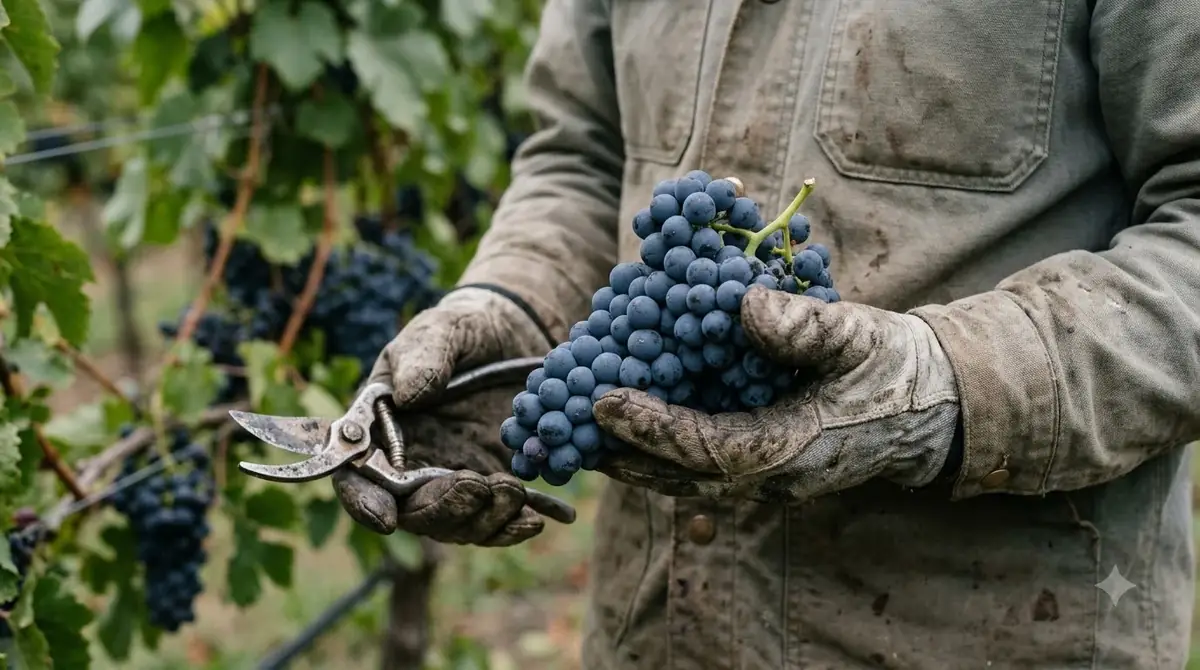
The festival brings together producers from Romania, Europe, and other international wine regions. This range gives visitors an opportunity to compare Romanian expressions of familiar grapes with wines made elsewhere. For example, tasting Romanian Fetească Neagră alongside international Pinot Noir or Cabernet Sauvignon can help clarify differences in structure, fruit character, and winemaking style.
Educational sessions are another important part of the RO-WINE format. Masterclasses allow participants to focus on particular grapes, producers, wine styles, or regional identities rather than relying entirely on informal conversations at tasting tables. These sessions can be especially useful for visitors who want to understand why two wines made from the same grape can taste very different.
Food also plays an important role. RO-WINE incorporates gourmet selections into its programming, creating opportunities to explore the relationship between wine and cuisine. This is particularly relevant for Romanian wines, which can accompany a wide variety of foods, from grilled meats and traditional pork dishes to cheeses, vegetable preparations, and freshwater fish.
The event also has a professional dimension. Importers, distributors, restaurant operators, sommeliers, and wine producers can use the gathering to establish commercial relationships. For consumers, this professional participation can mean greater access to knowledgeable people who can explain production decisions and regional characteristics.
RO-WINE has organized events in Bucharest and Cluj, and its historical editions include appearances in Constanța. Its location and schedule can vary between editions, so visitors should distinguish between the festival brand and a particular event announcement. The official RO-WINE festival website is the best starting point for checking the organizer’s current program, participating wineries, and registration information.
RO-WINE is especially appropriate for visitors who want to explore several wine categories in one session. Someone interested in Romanian reds can compare Fetească Neagră and international varieties, while white wine enthusiasts can investigate Fetească Regală, Sauvignon Blanc, and Chardonnay. The combination of local and international wines makes the event useful for both discovery and comparison.
Romanian Wine Festival Calendar and Important Cities
Romania’s wine events take place throughout the year, with spring, summer, and autumn offering different festival experiences. Published event announcements include a May wine show in Bucharest, a summer festival in Cluj, and an autumn gathering in Timișoara.
One useful resource is Winesday, which maintains a calendar of wine and gastronomy events across Romania. Its listings include established exhibitions, smaller regional gatherings, and celebrations that combine wine with food, music, and local traditions. Event dates can change, and organizers may announce additional editions as plans develop, so the calendar should be treated as a planning resource rather than a permanent schedule.
The following announced 2027 events provide a useful starting point for visitors planning ahead.
| Festival | Location | Announced dates | Main appeal |
|---|---|---|---|
| Revino Gourmet Wine Show | Bucharest | May 8–9, 2027 | Wine exhibition and gourmet experiences |
| Central Park Wine Festival | Cluj | August 26–29, 2027 | Wine and outdoor festival atmosphere |
| ROVINHUD | Timișoara | November 12–13, 2027 | Regional wine gathering and community engagement |
Bucharest is a practical starting point for international travelers because it provides access to the capital’s wine exhibitions and nearby vineyard destinations. Revino Gourmet Wine Show, scheduled at Hotel Novotel, is one event to investigate for a spring visit. Visitors can also use the capital as a base for exploring Dealu Mare, a wine-producing area north of the city.
Cluj offers another useful setting. Central Park Wine Festival has announced an August 26–29, 2027 edition, providing a summer opportunity to combine wine activities with a city visit. Cluj also serves as a convenient base for exploring parts of Transylvania, where white wines and indigenous grape varieties are important components of the regional wine identity.
Timișoara is another worthwhile destination. ROVINHUD has announced a November 12–13, 2027 edition, following a break in its schedule. Its return makes the city an interesting option for visitors looking for an autumn wine event in western Romania.
Other events illustrate the diversity of the national calendar. The Romanian Wine Knights’ Festival, for example, has previously visited Iași, Alba Iulia, Tulcea, Timișoara, Craiova, and Bucharest. These changing locations provide an opportunity to connect wine celebrations with different parts of the country.
For international travelers, it is usually better to choose one principal festival and build the rest of the trip around nearby attractions. Attempting to visit Bucharest, Cluj, and Timișoara during one short stay can create unnecessary travel time. A more focused itinerary allows visitors to enjoy the event and explore its surrounding wine region.
Romanian Wine Regions and Grapes to Discover
The most interesting part of a Romanian wine festival is often the opportunity to discover grapes that are less familiar to international visitors. Fetească Neagră, Fetească Regală, Crâmpoșie Selecționată, and Grasă de Cotnari are excellent names to look for when exploring the country’s regional wine identity.
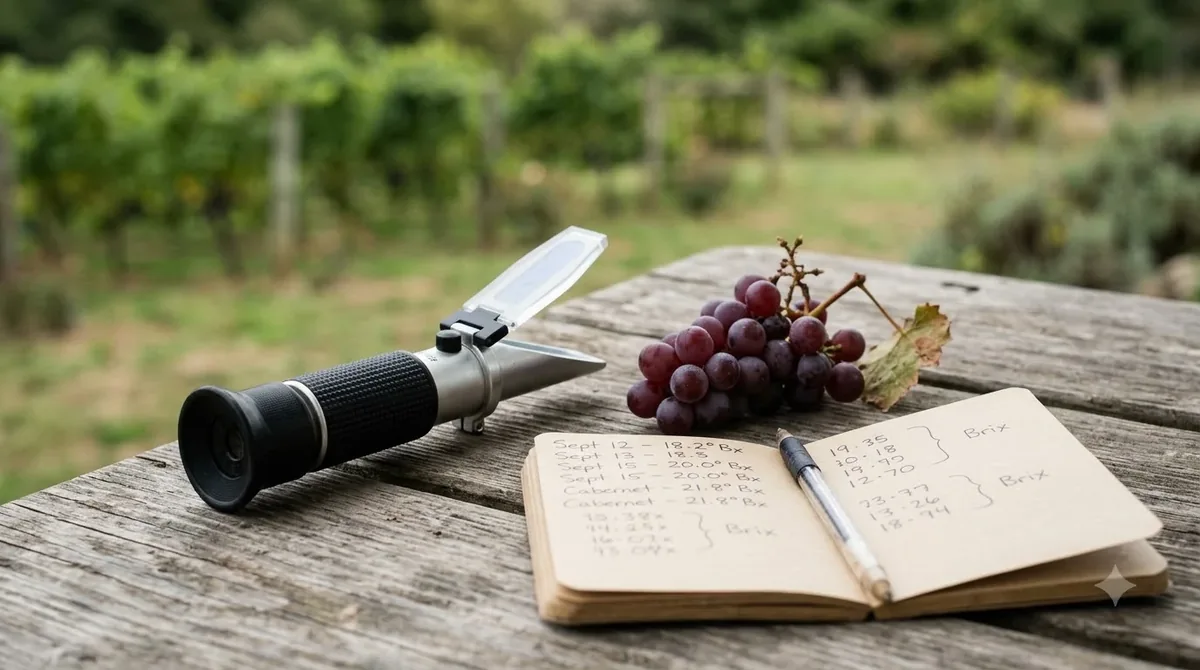
Dealu Mare is one of the most practical regions for visitors staying in Bucharest. Located in the vineyard hills of Prahova and Buzău, north of the capital, it is particularly associated with red wines. Fetească Neagră, Cabernet Sauvignon, Merlot, and Syrah are among the varieties associated with the region. Visitors can explore different interpretations of these grapes, from approachable fruit-driven wines to more structured examples.
Drăgășani is particularly interesting for its distinctive Romanian varieties. Crâmpoșie Selecționată is an important white grape to discover, while Negru de Drăgășani and Novac offer opportunities to explore local red wine production. Visitors interested in indigenous varieties should pay particular attention to these names when speaking with producers at a festival.
Târnave and other Transylvanian wine areas are useful destinations for visitors who prefer white wines. Fetească Regală, Fetească Albă, Traminer, Sauvignon Blanc, and Pinot Gris are among the varieties associated with this broader region. The area also has a connection with sparkling wine production, giving visitors an opportunity to explore styles beyond still white wines.
Cotnari has a distinctive historical wine identity associated with grapes such as Grasă de Cotnari, Fetească Albă, Tămâioasă Românească, and Frâncușă. The region is particularly interesting for visitors who want to understand Romania’s tradition of aromatic and sweet wines. Modern production also offers a wider range of styles, so Cotnari should not be reduced to dessert wine alone.
Dobrogea provides another perspective on Romanian wine. Located in southeastern Romania, it includes wine-producing areas associated with the Black Sea and Danube landscapes. Murfatlar and Sarica-Niculițel are among the names worth recognizing. This region can be especially appealing to visitors combining wine tourism with a coastal or Danube itinerary.
Western Romania also deserves attention, particularly for visitors traveling around Banat and Crișana. Producers in these areas offer additional opportunities to compare international grape varieties with Romanian wine traditions.
These regions demonstrate why a festival is such a useful introduction. A single tasting event can bring together producers from several distinct geographical areas, allowing visitors to compare wines that share a national identity but differ in climate, grapes, and winemaking approach.
For first-time visitors, three grape names make an excellent starting point:
- Fetească Neagră: A Romanian red grape that can produce wines with dark fruit character and varying levels of structure and oak influence.
- Fetească Regală: A Romanian white grape particularly relevant to Transylvania and several other growing areas.
- Crâmpoșie Selecționată: A distinctive white variety closely associated with Drăgășani.
Asking producers about these varieties can lead to more interesting conversations than simply requesting a familiar international grape. It also gives visitors a clearer understanding of the country’s wine heritage.
How to Plan a Romania Wine Festival Visit
A successful festival visit starts with selecting the right event, arranging transportation, and deciding which wines deserve the most attention. A little preparation can make a significant difference, particularly when the program includes numerous wineries and several tasting sessions.
Begin by reviewing the organizer’s official announcement. Confirm the location, dates, opening hours, ticket arrangements, participating producers, and whether masterclasses require separate registration. Some festivals are designed primarily for consumers, while others devote specific sessions or access periods to hospitality professionals.
Accommodation should be chosen with the event venue in mind. For a Bucharest festival, staying near the event location or a convenient public transportation connection can simplify the evening. For a regional event in Cluj or Timișoara, visitors should also consider how far their accommodation is from the festival venue and the city’s main transportation hubs.
Transportation deserves particular attention. Wine festivals involve multiple tastings, so visitors should not plan to drive after drinking. Public transportation, licensed taxis, prearranged transfers, and designated drivers are practical alternatives. Visitors heading into wine country should arrange transportation before making winery appointments.
It is also sensible to avoid an overcrowded schedule. At a large exhibition, attempting to visit every tasting table can make it difficult to remember individual wines. Select a few producers or categories that interest you, allow time for conversations, and leave space for unexpected discoveries.
When planning a separate vineyard visit, one or two wineries in a day generally provide a more satisfying experience than a rushed sequence of appointments. A winery tasting may include an introduction to the producer, an explanation of the vineyard’s location, several wine samples, and sometimes a meal.
International visitors should also consider language. Major events may attract English-speaking producers and hospitality professionals, but smaller regional experiences may operate primarily in Romanian. Contacting an organizer or winery in advance can clarify whether English-language explanations are available.
Tip: Choose three or four wine styles before arriving, such as Fetească Neagră, Fetească Regală, a Romanian sparkling wine, and an international comparison. This gives your tasting a clear direction without making the festival feel like a checklist.
Finally, leave room in your travel plans for purchases and luggage. If you intend to bring wine home, understand the baggage, customs, and import rules that apply to your journey. A well-organized trip should include enough time to enjoy the festival without having to rush through the final tasting sessions.
Romanian Food, Wine Pairings, and Tasting Etiquette
Food is an important part of Romanian wine celebrations, and traditional dishes provide an excellent way to understand how local wines work at the table. Grilled meats, pork dishes, cheeses, vegetable preparations, and freshwater fish offer a wide range of pairing opportunities.
Fetească Neagră is a useful companion for grilled pork, roasted lamb, and dishes featuring herbs and spices. Its fruit character and structure can complement savory foods, particularly when the wine has enough acidity to balance richer preparations. A more structured version may also work well with aged hard cheeses and roasted vegetables.
Merlot and Cabernet Sauvignon are useful choices for traditional grilled meats. Merlot generally has softer tannins, making it flexible with moderately rich dishes. Cabernet Sauvignon has higher tannin, which works particularly well with fatty or protein-rich foods that soften its astringency.
For white wine enthusiasts, Fetească Regală and other Romanian white varieties can complement grilled chicken, fresh cheeses, vegetable dishes, and fish. Sauvignon Blanc offers high acidity that can work well with herb-based preparations and dishes featuring citrus. Chardonnay is another option, especially with roasted poultry and richer sauces.
Romanian sparkling wines deserve attention as well. Their freshness makes them useful with salty appetizers, fried foods, and a variety of cheeses. Sparkling wine can also be a practical opening choice before moving to more structured reds.
Sweet Romanian wines can accompany desserts, particularly when the wine is at least as sweet as the food. Aromatic wines associated with Cotnari provide an interesting opportunity to explore this style. Pairing a sweet wine with a dessert that is significantly sweeter can make the wine taste less expressive.
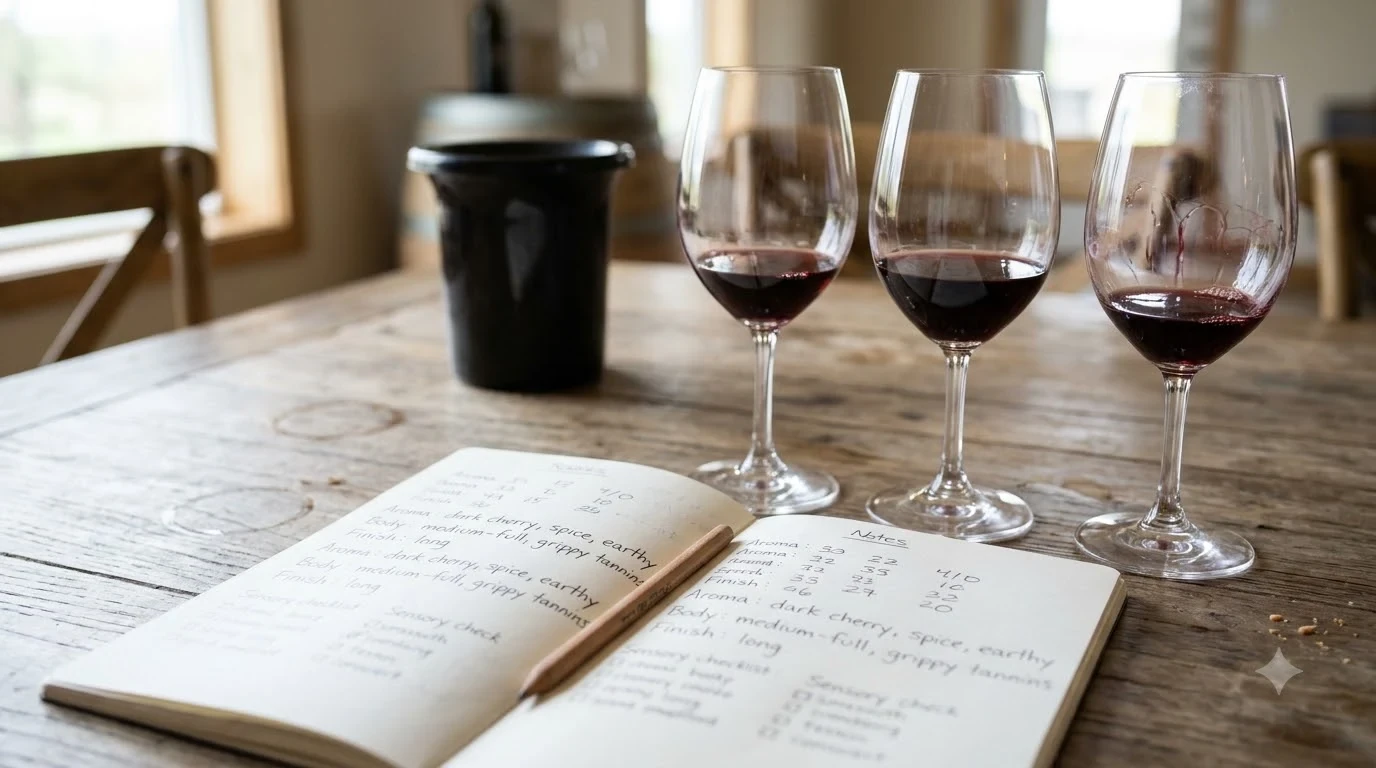
At a festival, tasting etiquette is straightforward. Begin with lighter wines before moving to fuller-bodied reds, and take notes on wines that stand out. Small pours make it easier to compare several styles without becoming overwhelmed. If tasting samples are offered in sequence, follow the organizer’s suggested order when available.
Serving temperature also influences what visitors perceive. Sparkling wines are generally best served at 40–50°F, light whites and rosés at 45–50°F, and fuller-bodied whites at 50–55°F. Light reds are often more expressive at 55–60°F, while fuller reds generally suit 60–65°F.
There is no need to rush through a tasting. Take time to notice the wine’s aroma, acidity, body, tannin, and finish. Ask the producer about the grape variety, vineyard location, fermentation, and aging choices. These conversations often provide more useful information than simply memorizing tasting descriptors.
Making the Most of Romania’s Wine Culture
A wine festival can be the beginning of a broader Romanian wine journey rather than a standalone event. Visitors who discover an interesting grape or producer can use that experience to choose a regional winery visit, explore local food traditions, or investigate another festival in a different part of the country.
For visitors based in Bucharest, Dealu Mare is a particularly practical next step. Its location north of the capital makes it suitable for a wine-country excursion, and its association with Fetească Neagră and other red varieties offers a useful contrast with the wines found at international exhibitions. A scheduled tasting can provide an opportunity to understand the connection between vineyard geography and the wine in the glass.
Visitors exploring central Romania can consider Transylvanian wine destinations alongside historic towns and cultural attractions. Târnave, Jidvei, and Aiud are names worth investigating for those interested in white wine and the region’s distinctive growing conditions.
Travelers heading toward Moldova can explore Cotnari and its historic association with aromatic grapes. Those traveling along the Black Sea coast may find Dobrogea a more convenient choice. Matching wine destinations with the wider travel itinerary usually produces a better experience than trying to cover every major wine region in one visit.
Romanian wine festivals can also be a useful introduction for people who have limited knowledge of the country’s wine industry. Visitors do not need extensive technical knowledge to enjoy a tasting. Asking what makes a particular grape or region distinctive is enough to begin a productive conversation.
For readers interested in comparing American wine celebrations with European events, an indiana wine festival provides a different perspective on how local producers present their wines and connect with visitors. A livermore wine festival offers another point of comparison, particularly for people interested in how established American wine regions organize public tasting experiences.
Romania’s wine culture is varied enough to reward more than one visit. A premium exhibition, a harvest celebration, and a regional winery appointment each provide a different perspective on the people and places behind the wines. The best approach is to remain curious, taste thoughtfully, and allow the regional differences to guide the next stage of the journey.
Frequently Asked Questions
Does Romania have a national wine day?
Romania has a National Day of Romanian Gastronomy and Wine, established through Law 79/2019. The celebration takes place on the first Sunday of October, connecting the country’s wine traditions with its broader culinary heritage. It provides an additional opportunity for wineries, restaurants, and regional organizers to promote Romanian food and wine.
What does DOC mean on a Romanian wine label?
DOC stands for Denumire de Origine Controlată, meaning Controlled Designation of Origin. It identifies a wine associated with a defined geographical area and production requirements. The designation helps establish provenance, although it does not guarantee that every wine carrying it will have the same flavor or quality.
What is the difference between Fetească Albă and Fetească Regală?
They are two distinct Romanian white grape varieties, not alternative names for the same grape. Fetească Albă has a long-standing place in Romanian viticulture, while Fetească Regală is particularly associated with Transylvania and is planted in several other regions. Tasting them side by side is an excellent way to appreciate the diversity of Romanian white wines.
Is Romanian wine available internationally?
Yes. Romanian wines are exported to international markets, although availability varies by producer, importer, and country. Fetească Neagră is one of the most useful grape names to search for when looking for Romanian red wines abroad. Specialty wine retailers and importers can often provide information about particular producers and regional styles.
What is the traditional Romanian wine-making vessel called?
One traditional vessel is the butoi, the Romanian term for a wooden barrel or cask. Traditional wine production has also used large wooden storage vessels, while modern wineries increasingly employ stainless-steel tanks and contemporary cellar equipment. The choice of vessel can influence fermentation, oxygen exposure, and the final character of a wine.
Romania’s wine festival calendar offers an appealing combination of premium tastings, regional discoveries, traditional cuisine, and cultural celebrations. Start with an event that matches your interests, then explore the grapes and wine regions that catch your attention. With a little planning, a festival visit can become an excellent introduction to one of Europe’s distinctive wine-producing countries.
More in Wine Regions
 Willcox Wine Trail: Discover Arizona’s High-Elevation Wine CountryUpdated Nov 20, 2026
 Yakima Valley Wine Region: Find the Best Styles to TryUpdated Nov 20, 2026
 Vosne Romanee Wine Tasting: Identify Aromas and Choose Better PairingsUpdated Nov 20, 2026
 Yakima Valley Wine Festival: Find the Best Seasonal Wine EventsUpdated Nov 20, 2026
 Wales Vineyards: Discover Cool-Climate Wines and Where to VisitUpdated Nov 20, 2026
 Yountville Wine Festival: Discover Napa Wines and Local FoodUpdated Nov 20, 2026