

We may earn a commission when you buy through links on this page, at no extra cost to you. Learn more.
The best rogue valley wineries include Cowhorn Vineyard & Garden, Troon Vineyard, Quady North, Schmidt Family Vineyards, Valley View Winery, and Red Lily Vineyards, each offering a different way to experience Southern Oregon wine. The region is particularly appealing for its Syrah, Grenache, Tempranillo, Viognier, and other varieties that thrive in its diverse growing conditions. Whether you prefer biodynamic winegrowing, relaxed outdoor tasting rooms, food-friendly wines, or traditional estate experiences, Rogue Valley offers plenty of worthwhile stops. Applegate Valley, Jacksonville, Medford, and the surrounding communities provide several convenient starting points for planning a tasting trip.
Southern Oregon deserves attention beyond its better-known wine neighbors. The Rogue Valley combines warm growing conditions, substantial nighttime temperature changes, varied elevations, and a surprisingly broad selection of grapes. Unlike regions primarily associated with one signature variety, this destination makes it possible to compare full-bodied reds, aromatic whites, lighter Pinot Noir, and distinctive Mediterranean-inspired wines during the same visit. The following guide explains which wineries deserve consideration, what makes their wines different, and how to organize a rewarding tasting itinerary.
Who Should Visit Rogue Valley Wineries
Rogue Valley wineries are particularly appealing to wine drinkers who enjoy exploring different grape varieties rather than concentrating on a single regional specialty. The combination of Applegate Valley vineyards, Jacksonville tasting rooms, and wineries near Medford makes this an interesting destination for both experienced collectors and casual visitors.
The region is a good choice for people interested in Southern Oregon’s distinctive red wines. Syrah, Grenache, Tempranillo, Cabernet Sauvignon, and Malbec offer plenty of opportunities to compare different expressions of warm-climate winemaking. Visitors who prefer white wine can also find Viognier, Chardonnay, Riesling, and Pinot Gris. According to the Oregon Wine Board, more than 70 grape varieties are grown in the Rogue Valley, giving visitors considerably more variety than they might expect from a single Oregon wine region. Its Rogue Valley AVA overview provides additional context about the region’s growing conditions and principal grape varieties.
Couples planning a relaxed weekend can combine vineyard visits with restaurants, historic Jacksonville, outdoor recreation, and cultural activities in Ashland. Food-focused travelers should consider wineries such as Schmidt Family Vineyards, where wood-fired pizza complements a substantial wine selection, and Kriselle Cellars, which offers weekend wood-fired pizzas and vineyard views. These experiences make the region attractive even to visitors who are not particularly interested in formal wine education.
First-time wine travelers should also consider the relatively approachable atmosphere of Southern Oregon tasting rooms. Travel Southern Oregon’s beginner’s guide to Southern Oregon wine describes the area’s wineries and helps visitors understand the range of experiences available. Some regional wineries have casual tasting environments, while others offer more structured visits or special experiences. Checking individual arrangements before traveling is still important.
There is also a strong case for visiting if you already enjoy Oregon Pinot Noir. Rogue Valley is not simply another destination for the same light-bodied wines associated with northern Oregon. Its warmer growing areas produce different varieties and fuller styles, making a visit an opportunity to expand your understanding of the state’s wine production.
Key Factors to Compare When Choosing a Winery
The best winery depends on the wines you want to discover, the kind of tasting experience you enjoy, and the amount of time available. Comparing grape varieties, location, hospitality, and food options before choosing a tasting room can make a significant difference to a one-day or weekend itinerary.
| Winery | Location | Notable wine styles | Best suited to |
|---|---|---|---|
| Cowhorn Vineyard & Garden | Applegate Valley | Syrah, Viognier, Grenache | Rhône varieties and biodynamic winegrowing |
| Troon Vineyard | Applegate Valley | Estate wines and diverse grape varieties | Biodynamic and regenerative farming |
| Quady North | Applegate Valley | Grenache, Mourvèdre, Rhône blends, rosé | Variety and regional character |
| Schmidt Family Vineyards | Grants Pass area | Cabernet Franc, Merlot, Syrah, Tempranillo | Wine and food experiences |
| Valley View Winery | Upper Applegate | Tempranillo, Viognier, rosé | Oregon wine history |
| Red Lily Vineyards | Applegate Valley | Tempranillo, Grenache, rosé | Relaxed outdoor tasting |
| Plaisance Ranch | Williams | Grenache, Malbec, Carménère | Distinctive estate varieties |
| Kriselle Cellars | White City | Broad regional selection | Vineyard views and pizza |
Start by identifying your preferred wine styles. If you enjoy structured red wines, prioritize Syrah, Cabernet Sauvignon, and Malbec. Visitors who prefer aromatic whites should look for Viognier, Riesling, and Pinot Gris. Grenache and Tempranillo are especially interesting choices for people who enjoy Spanish and southern French wines. These grapes provide a useful way to compare Rogue Valley producers without relying solely on the winery’s atmosphere or reputation.
Location is another important consideration. Applegate Valley is a nested AVA within the larger Rogue Valley, and it offers a concentration of estate wineries along rural roads. Jacksonville provides a different experience, with historic buildings, dining, and tasting rooms that can be combined with sightseeing. Medford and Grants Pass are practical bases for reaching several parts of the region without changing accommodation every night.
Consider the setting and hospitality as well. Some wineries focus on vineyard views and outdoor seating, while others emphasize gardens, food, historic architecture, or a more traditional tasting experience. A winery that serves lunch can be a particularly useful stop because it reduces the need to drive elsewhere between tastings.
Finally, examine the tasting format. Some producers concentrate on their own estate grapes, while others offer a broader range of regional wines. Ask whether the flight includes a mixture of white and red wines, whether individual glasses are available, and whether food is served. These details help establish whether the experience matches your interests.
Step-by-Step Guide to Planning a Rogue Valley Wine Visit
A successful Rogue Valley tasting itinerary starts with choosing a convenient base, grouping nearby wineries, and leaving enough time to appreciate each stop. Three or four thoughtfully selected tasting experiences are generally more rewarding than trying to visit an excessive number of wineries in a single afternoon.
- Choose your starting town. Medford works well for visitors who want convenient transportation and access to several regional communities. Grants Pass is useful for exploring the northern and western parts of the Rogue Valley, while Ashland offers restaurants, cultural attractions, and access to southern vineyard areas. Jacksonville is particularly convenient for visitors who want a historic small-town atmosphere alongside wine tasting.
- Choose a wine focus. Decide whether the main goal is exploring Syrah and Rhône varieties, discovering Tempranillo and Grenache, or comparing different styles of Oregon Pinot Noir. A Rhône-focused itinerary could include Cowhorn, Quady North, and Troon. Someone interested in a broader mix of wines could add Schmidt Family Vineyards and Valley View.
- Group wineries by geography. Avoid repeatedly crossing the region. Applegate Valley wineries can form one outing, while Jacksonville and the surrounding communities can form another. If visiting the Upper Rogue area, consider the wineries along Highway 234 near Gold Hill rather than combining distant stops into an unnecessarily long drive.
- Review tasting arrangements. Check each winery’s current opening hours, reservation requirements, tasting fees, food service, and seasonal events. A regular tasting appointment and a special vineyard experience may have different booking requirements. Small producers can have limited availability, especially during harvest and busy summer weekends.
- Schedule a proper lunch break. Schmidt Family Vineyards is worth considering for its wood-fired pizzas, while Kriselle Cellars offers weekend pizza service. Food breaks also create a natural opportunity to slow down rather than treating the visit as a race between tasting rooms.
- Allow enough time at each stop. A tasting can easily occupy 45 to 90 minutes, depending on the number of wines and whether a winery offers a tour or additional activities. Three wineries with meaningful tasting experiences can fill most of an afternoon.
- Arrange transportation before tasting. Choose a designated driver, professional transportation service, or another responsible way to travel between wineries. Do not plan to drive after consuming alcohol. Leave additional time for winding rural roads and changing weather conditions.
- Make a shortlist for future purchases. Record the producer, grape variety, vintage, and wine style that appeal to you. Comparing notes across three or four wineries makes it easier to remember which bottles are worth seeking out later.
For a first visit, an Applegate Valley day can include Cowhorn, Quady North, and Troon, with a separate lunch or afternoon stop at Schmidt Family Vineyards. Another itinerary could begin in Jacksonville with Valley View and Red Lily, followed by a relaxed meal and an evening activity in town. These combinations offer a good introduction to the region without requiring a complicated route.
Tip: Book your first tasting appointment around 11 a.m. or noon, leave at least 45 to 60 minutes between winery visits, and schedule lunch before continuing. This approach makes it easier to enjoy the wines, ask questions, and avoid rushing between rural tasting rooms.
Rogue Valley Wine Regions and Styles Explained
Understanding the geography of Rogue Valley helps explain why wineries produce such different wines. The larger AVA includes several growing areas, while Applegate Valley has its own nested AVA designation and a distinctive collection of estate producers.

Applegate Valley
Applegate Valley is one of the most interesting areas to explore for visitors interested in Mediterranean and Rhône-inspired varieties. Its vineyards extend along the Applegate River, between Grants Pass and Ashland, and include a range of elevations, slopes, and soil types. Travel Southern Oregon identifies vineyard elevations of approximately 1,000 to 1,500 feet in this subregion.
Producers such as Cowhorn, Troon, Quady North, and Schmidt Family Vineyards illustrate the diversity of the area. Syrah, Grenache, Mourvèdre, Tempranillo, and other varieties provide plenty of alternatives to the Pinot Noir that many people associate with Oregon. This is a particularly worthwhile area for visitors who enjoy exploring wines from southern France, Spain, and Italy.
Jacksonville and the surrounding countryside
Jacksonville combines wine tourism with a historic downtown, restaurants, and cultural attractions. The Oregon Wine Board highlights nine family-run wineries within minutes of one another in the Jacksonville area. That concentration makes it an excellent choice for people who prefer a compact tasting itinerary rather than driving between widely separated vineyard properties.
Valley View is an important name in the area’s wine history. Peter Britt began planting grapes in the region during the 1850s and opened Valley View Winery in 1873. Modern Valley View Winery is associated with varieties including Tempranillo, Viognier, and rosé. Red Lily Vineyards offers another interesting stop, with Tempranillo, Grenache, and rosé among its featured varieties.
Medford, White City, and Phoenix
The communities around Medford offer convenient access to a different selection of wineries and visitor experiences. Kriselle Cellars in White City is particularly interesting for people who want vineyard views and a food offering alongside their tasting. Its weekend wood-fired pizzas make it a practical lunch destination.
Near Phoenix, EdenVale Winery provides an opportunity to explore estate wines alongside pear cider. Its historic orchard connection adds another dimension to the region’s agricultural heritage. Visitors can also explore wineries around Talent, including StoneRiver Vineyards, which combines wine tasting with an arcade and live music on Saturday nights.
Upper Rogue and Gold Hill
The Upper Rogue offers another useful tasting destination, especially for visitors traveling along Interstate 5. The Upper Rogue Wine Trail follows Highway 234 in the Gold Hill area and includes four family-owned wineries. Its compact geography makes it a practical alternative to a longer Applegate Valley excursion.
These differences matter when selecting wines to buy. A warmer growing area may produce richer, fuller-bodied reds, while cooler sites and suitable grape varieties can retain brighter acidity. The Rogue Valley’s substantial daytime-to-nighttime temperature changes also contribute to the balance that makes its wines particularly interesting.
Common Mistakes When Choosing Rogue Valley Wineries
The biggest mistake is assuming that all Rogue Valley wineries produce similar wines or offer identical tasting experiences. The region has more than 70 grape varieties, several distinct growing areas, and producers with very different approaches to farming, winemaking, and hospitality.
One common mistake is concentrating exclusively on Pinot Noir. Pinot Noir is an important Oregon grape, but visitors who ignore Syrah, Grenache, Viognier, Tempranillo, and Malbec miss much of what distinguishes Southern Oregon from the northern part of the state. A more interesting tasting flight includes at least one unfamiliar variety alongside a familiar favorite.
Another mistake is choosing wineries based only on photographs. A vineyard with beautiful scenery may not offer the particular wine styles or food options you want. Cowhorn is especially interesting for Rhône varieties and biodynamic winegrowing, while Schmidt Family Vineyards is a strong option for visitors who value food with their tasting. Quady North deserves consideration for people interested in rosé and regional red blends.
Travelers also sometimes underestimate the distance between communities. Applegate Valley, Ashland, Medford, and Grants Pass are all associated with the wider wine region, but they are not interchangeable tasting locations. Planning a route without considering geography can result in unnecessary driving and less time enjoying the wineries.
Do not assume that every winery operates on the same schedule. Small estate tasting rooms may have limited opening days, seasonal closures, special-event hours, or appointment-only experiences. A winery appearing on a regional directory does not necessarily mean its tasting room will be open on the day you arrive.
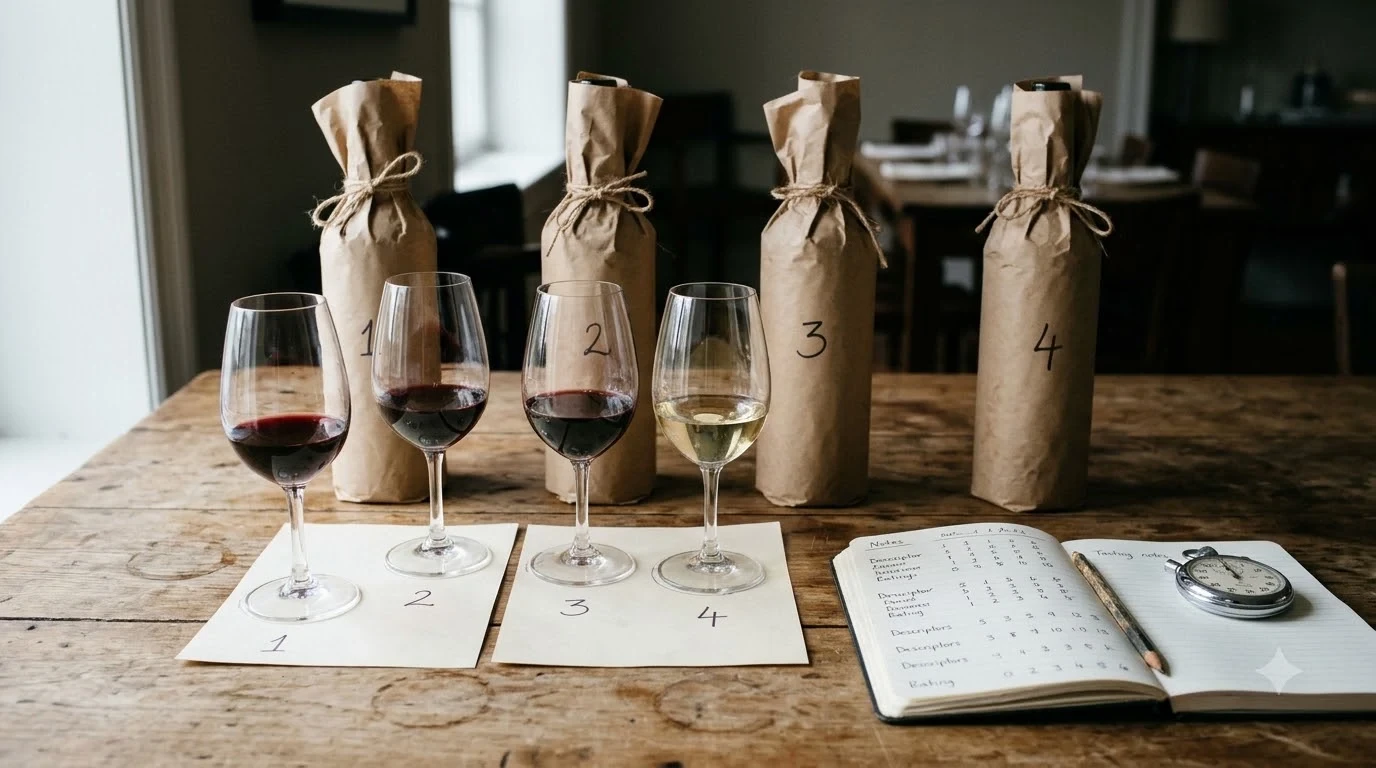
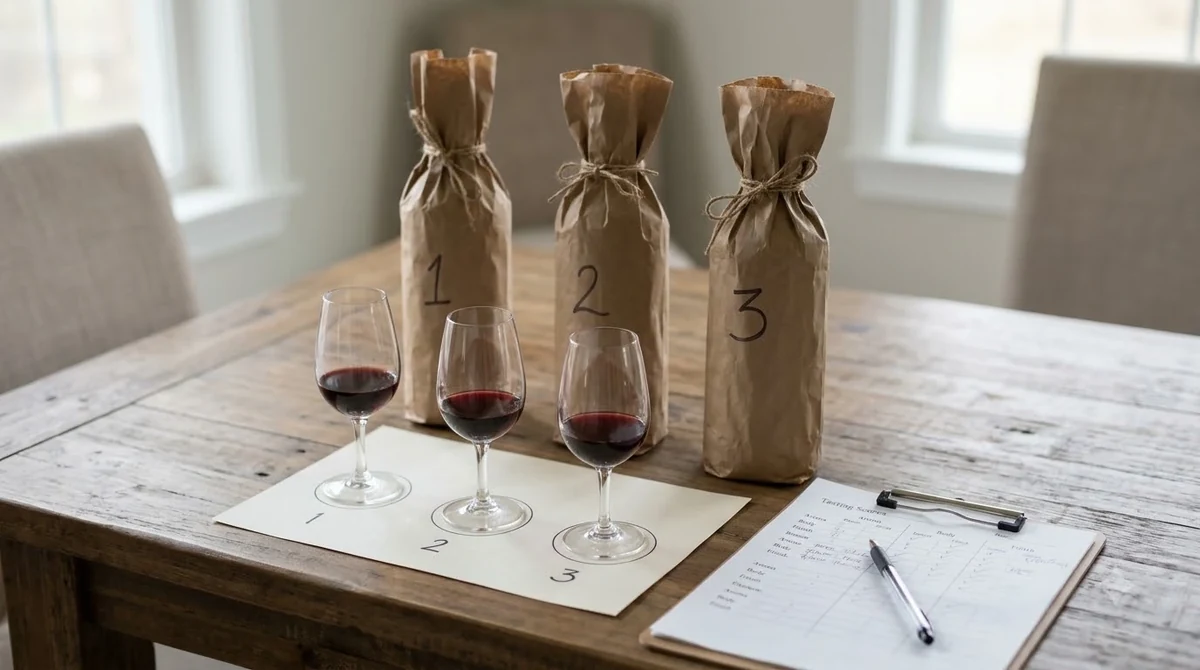
Another avoidable error is tasting too many wines without taking notes. If you visit four wineries and sample several different varieties at each, it can become difficult to remember which producer made a particular Syrah or Tempranillo. Writing down the producer, grape, and vintage provides a useful reference when purchasing wine later.
Finally, do not overlook the importance of food and transportation. Wine tasting on an empty stomach makes for an uncomfortable afternoon, and rural roads require careful planning. Choose a responsible transportation arrangement before beginning your visit, and make time for a proper meal rather than scheduling back-to-back appointments throughout the day.
Wine Buying, Serving, and Storage Tips
Buying wine directly from a Rogue Valley winery can be a useful way to discover smaller producers and grape varieties that may not appear regularly in large retail stores. Once you have chosen a bottle, appropriate serving temperatures and storage conditions help preserve the character of the wine.
Choose bottles according to grape variety
Start with the style you enjoy rather than automatically selecting the most expensive or heavily structured bottle. Cabernet Sauvignon generally has higher tannin, while Merlot is softer and has medium tannin. Pinot Noir usually has lower-to-medium tannin and higher acidity. Syrah tends to have medium-plus to high tannin, making it a good choice for people who enjoy fuller red wines.
For white wine, consider Viognier if you like aromatic, fuller-bodied styles. Chardonnay provides a familiar alternative, while Riesling and Sauvignon Blanc generally offer higher acidity. Pinot Gris can be a useful option for a lighter, food-friendly white. Exploring these differences is one of the easiest ways to understand the region’s diversity.
Serve each style at the right temperature
Serving temperature affects the way wine expresses its aromas, acidity, alcohol, and tannin. Full-bodied reds are often served too warm, while aromatic whites can lose some of their freshness if allowed to become overly warm.
| Wine style | Recommended serving temperature | Practical approach |
|---|---|---|
| Light-bodied reds | 55–60°F | Briefly chill before serving |
| Full-bodied reds | 60–65°F | Serve slightly below typical room temperature |
| Light whites and rosé | 45–50°F | Refrigerate before serving |
| Full-bodied whites | 50–55°F | Allow a short warming period after refrigeration |
| Sweet whites | 43–50°F | Serve well chilled |
| Sparkling wines | 40–50°F | Keep chilled until pouring |
A bottle of Rogue Valley Syrah will generally benefit from being served around 60 to 65 degrees Fahrenheit, while a fresh Viognier or Pinot Gris is more comfortable around 45 to 50 degrees. These temperatures are useful starting points rather than rigid rules. Allow the wine to warm or cool slightly in the glass as its aromas develop.
Pair Rogue Valley wines with food
The region’s range of red wines makes food pairing particularly enjoyable. Syrah works well with grilled lamb, roasted mushrooms, and savory barbecue. Tempranillo is a natural partner for grilled meats, roasted vegetables, and Spanish-inspired dishes. Cabernet Sauvignon pairs comfortably with steak and other rich foods because its tannin works well alongside protein and fat.
For lighter meals, consider Pinot Noir with roast chicken, salmon, or mushroom dishes. Viognier can complement aromatic poultry dishes, while Riesling is a useful choice for spicy food because its acidity and potential sweetness can balance heat. A good general principle is to match wine intensity with food intensity and avoid pairing strongly tannic reds with oily fish.
Store your purchases correctly
Wine bottles intended for longer storage should be kept in a cool, dark environment near 55 degrees Fahrenheit. Store cork-finished bottles on their sides so the cork remains in contact with the wine. Avoid direct sunlight, frequent temperature changes, and locations near heat-producing appliances.
Once opened, still wines generally remain in good condition for approximately three to five days when refrigerated and properly sealed. Sparkling wines usually retain their best character for around one to three days with an appropriate sparkling-wine stopper. Full-bodied young reds can benefit from 30 to 60 minutes of decanting before serving, depending on their structure and style.
For additional help comparing bottles, grape varieties, and purchasing considerations, explore the wine-buying resources. Visitors interested in expanding their Oregon wine itinerary can also compare the best Willamette Valley wineries, while travelers planning a wider California wine trip may enjoy researching the best Napa Valley wineries.
Rogue Valley wine is particularly rewarding when approached with curiosity. Instead of purchasing only familiar varieties, consider taking home a Syrah, a Tempranillo, and an aromatic white to compare how different producers interpret Southern Oregon’s growing conditions.
Frequently Asked Questions
Is Rogue Valley wine similar to Willamette Valley wine?
Not entirely. Rogue Valley generally has warmer growing conditions and a much broader range of Mediterranean and Rhône grape varieties, while Willamette Valley is particularly associated with Pinot Noir. Rogue Valley’s Syrah, Grenache, Tempranillo, and Viognier offer a different perspective on Oregon winemaking.
What is the Rogue Valley’s relationship with the Southern Oregon AVA?
Rogue Valley is a distinct AVA within the larger Southern Oregon wine-growing region. The Southern Oregon AVA also encompasses the Umpqua Valley and other recognized growing areas. Applegate Valley is nested within Rogue Valley rather than being a separate neighboring major region.
Can visitors purchase wine directly from Rogue Valley wineries?
Many regional wineries offer direct bottle sales through their tasting rooms, and some also operate wine clubs. Visitors can ask about shipping availability, membership commitments, and minimum purchase requirements. Shipping rules depend on the destination state, so confirm eligibility before ordering bottles for delivery.
When does grape harvest usually take place in Rogue Valley?
Harvest commonly takes place in the fall, with September and October being important months for many Southern Oregon producers. Exact timing depends on grape variety, site elevation, growing conditions, and the desired ripeness at picking. Harvest season can also bring special winery activities, but these experiences generally require advance arrangements.
Are there wine experiences beyond traditional tasting flights?
Yes. Some Rogue Valley wineries combine wine with vineyard tours, garden visits, special meals, music, and agricultural experiences. Cowhorn offers a garden-focused setting, while Schmidt Family Vineyards is associated with wood-fired pizza. StoneRiver Vineyards adds entertainment through its arcade and scheduled live music.
The best Rogue Valley wineries offer a compelling introduction to Southern Oregon’s distinctive wine culture, from the Rhône-inspired bottles of Applegate Valley to the historic vineyards and welcoming tasting rooms around Jacksonville, Medford, and Grants Pass. Start with two or three producers that match your preferred wine styles, leave room for an unfamiliar grape variety, and make time to enjoy the region beyond the tasting room. A thoughtfully planned visit can reveal why Rogue Valley deserves a place among Oregon’s most interesting wine destinations.
More in Wine Buying Guides
 Cheap Red Blend: How to Find a Flavorful Bottle for LessUpdated Nov 20, 2026
 Pinot Grigio Gift: How to Choose a Bottle They’ll EnjoyUpdated Nov 20, 2026
 Best White Wine at Total Wine for Every MealUpdated Nov 20, 2026
 Wine Fridge Replacement Shelves: Find the Right FitUpdated Nov 20, 2026
 Best Sparkling Wine Under 20: Find Bubbles Worth BuyingUpdated Nov 20, 2026
 Best Wine For Birthday Celebrations With Perfect Party PairingsUpdated Nov 20, 2026