

We may earn a commission when you buy through links on this page, at no extra cost to you. Learn more.
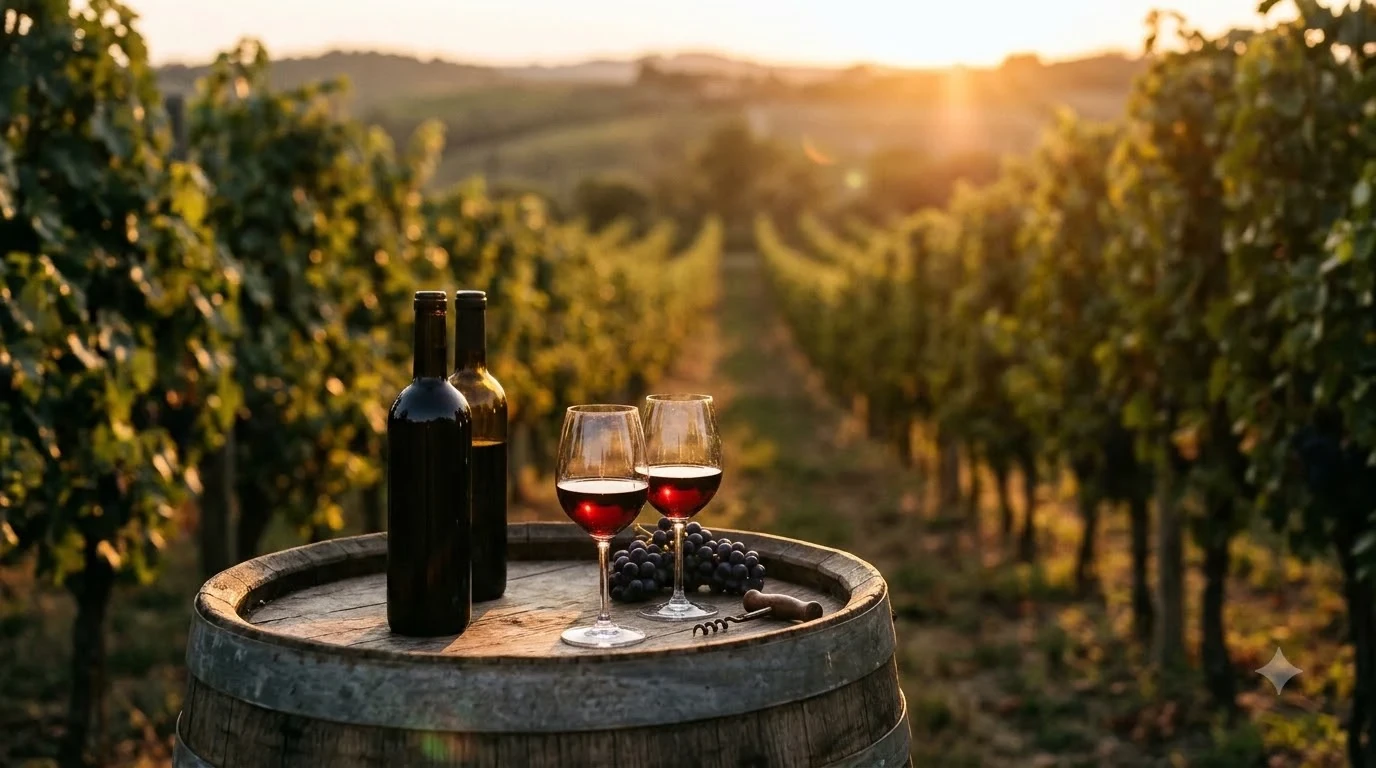
The rogue valley wine region is a diverse winegrowing area in Southern Oregon known for its mountain vineyards, warm summers, cool nights, and wide selection of grape varieties. Officially established as an American Viticultural Area (AVA) in 1991, it produces everything from Pinot Noir and Chardonnay to Cabernet Sauvignon, Syrah, Viognier, and Mediterranean-inspired blends. Its combination of different elevations, river valleys, and changing climate conditions makes it one of Oregon’s most versatile wine destinations.
Oregon is frequently associated with the elegant Pinot Noir wines of the Willamette Valley, but the southern part of the state offers a substantially different experience. Rogue Valley has a warmer growing environment, a wider range of red grape varieties, and vineyards spread across several distinct landscapes. Understanding its geography and growing conditions helps explain why bottles from this part of Oregon can taste remarkably different even when they share the same regional designation. For wine drinkers, the region offers an opportunity to explore familiar international varieties alongside distinctive Southern Oregon expressions.
Where the Rogue Valley AVA Is Located
The Rogue Valley AVA occupies southwestern Oregon, near the California border, and forms part of the larger Southern Oregon winegrowing area. Its geography is shaped by the Rogue River and its tributaries, with vineyards distributed across several valleys rather than concentrated in one continuous agricultural plain.
The Oregon Wine Board identifies the AVA as covering approximately 1,139,800 acres, or 461,260 hectares. Of this extensive territory, approximately 5,635 acres are planted with wine grapes. These figures illustrate an important distinction: the AVA describes a large geographical growing region, not an uninterrupted stretch of vineyards. Mountains, forests, rivers, towns, and agricultural land all contribute to its boundaries.
The region is approximately 75 miles from the Pacific coast and 50 miles from Crater Lake National Park. Its principal population and wine tourism centers include Medford, Ashland, Jacksonville, and Grants Pass. Each provides access to different vineyard communities and surrounding landscapes. Jacksonville is particularly significant in the history of Oregon wine, while Ashland is known for its cultural attractions and theater scene.
Rogue Valley is part of the Southern Oregon AVA, which also includes the Umpqua Valley and other recognized growing areas. The Southern Oregon designation provides a broader geographical identity, while the Rogue Valley designation identifies a more specific area with its own growing conditions. This distinction matters when comparing regional wines or looking for bottles that express the characteristics of southern Oregon.
The region also contains the Applegate Valley AVA, an officially recognized nested appellation. This smaller designation allows producers to identify wines originating in a particularly distinctive part of the larger Rogue Valley landscape. Readers interested in its vineyards, communities, and wine tourism can explore Rogue Valley wine country for additional regional context.
Climate, Elevation, and Vineyard Terroir
Rogue Valley’s greatest viticultural advantage is its range of growing conditions. Cooler western locations and warmer eastern valleys allow different grape varieties to ripen successfully within the same broad appellation.
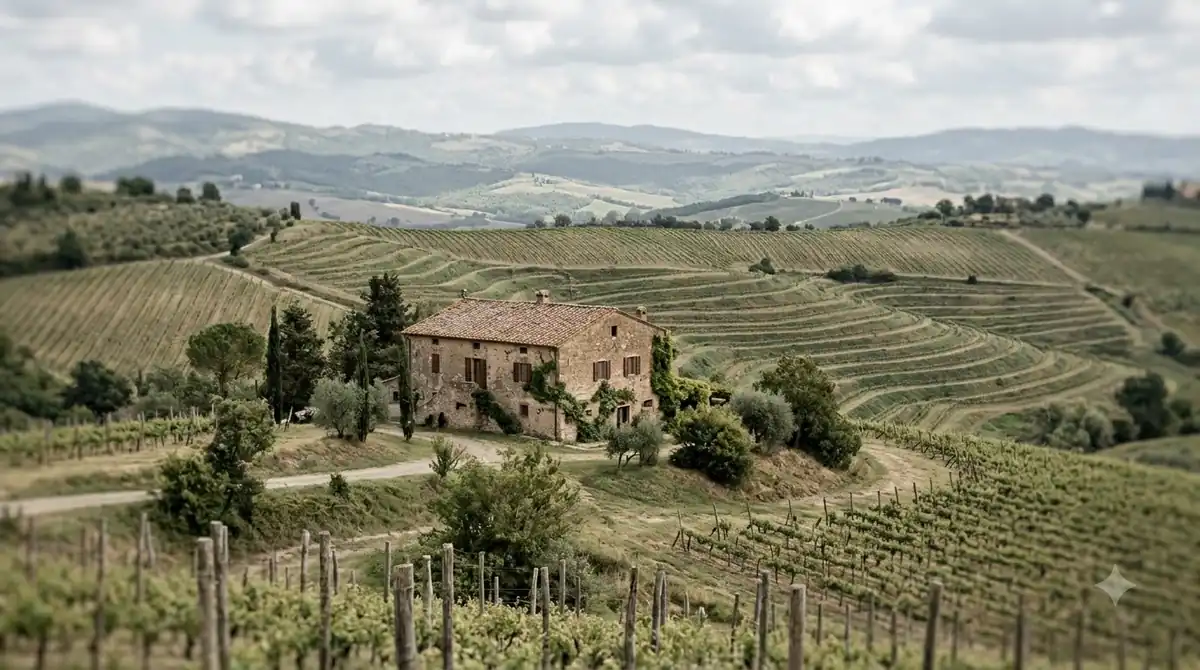
The region sits among the Cascade, Siskiyou, and Coastal mountain ranges. These mountain systems influence air movement, rainfall, temperature, and the degree of Pacific Ocean moderation experienced by individual vineyards. The Rogue, Applegate, Illinois, and Bear Creek waterways further shape the agricultural landscape. Together, these geographical influences create a complex collection of vineyard environments rather than a single uniform climate.
Research published through the IVES Conference Series describes a west-to-east climate transition across Southern Oregon. The western parts of Rogue Valley generally receive more marine influence and experience cooler, wetter conditions. Eastern growing areas tend to be warmer and drier. This variation helps explain why cool-climate grapes and varieties that need substantial summer warmth can both succeed in the appellation. The IVES research on Southern Oregon’s vineyard landscape and climate provides further detail on the relationship between topography, soils, and growing conditions.
Elevation is another important factor. The IVES research identifies existing Rogue Valley vineyard sites averaging approximately 450 meters in elevation, with potential and existing sites in the Bear Creek Valley area reaching approximately 800 meters. Higher elevations can create cooler growing conditions and significant day-to-night temperature changes, although the exact effect depends on slope orientation, exposure, and local geography.
Temperature variation is especially important during the ripening season. Warm daytime conditions support sugar accumulation and fruit development, while cooler nights help preserve freshness. The Oregon Wine Board describes nighttime temperature drops of up to 70 degrees Fahrenheit in some regional conditions. This substantial difference can help grapes retain acidity while developing ripe fruit characteristics.
According to the IVES research, annual precipitation in most Rogue Valley vineyard areas ranges from approximately 300 to 600 millimeters. Less than 15 percent of Southern Oregon’s total annual rainfall generally occurs between April and October. The relatively dry growing season can be favorable for vineyard management, although irrigation and water availability remain important considerations during summer.
Vineyard soils are equally varied. River terraces and lower valley locations may contain deep alluvial deposits and heavier clay, while hillside and bench sites can feature mixtures of silt, clay, and other geological materials. Metamorphic, sedimentary, and volcanic-derived soils contribute further variation. These differences influence drainage, water retention, vine vigor, and the way individual vineyard sites respond to seasonal conditions.
Tip: When comparing two Rogue Valley wines made from the same grape, look for the vineyard location and elevation. A cooler western or higher-elevation site may produce a different balance of freshness and ripeness from a warmer inland vineyard.
The Four Main Growing Areas of Rogue Valley
Rogue Valley is commonly discussed through four principal growing areas: Bear Creek Valley, Rogue River Valley, Applegate Valley, and Illinois Valley. Each contributes a different combination of elevation, temperature, geography, and vineyard conditions to the broader appellation.
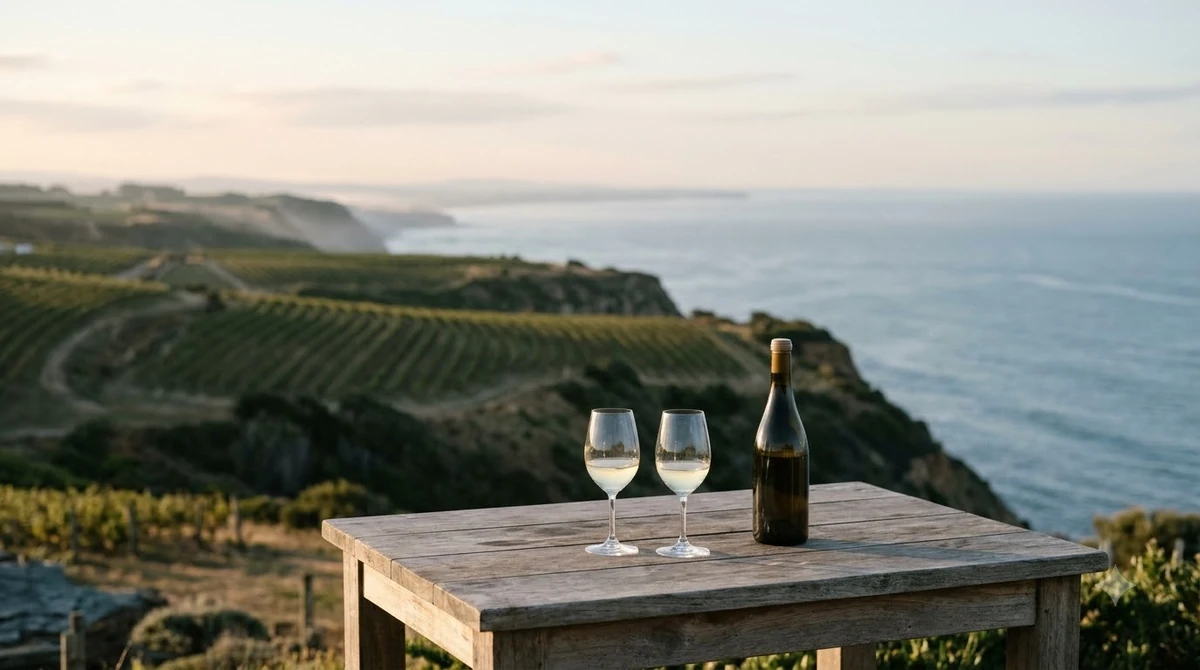
Bear Creek Valley is an important inland growing area associated with the warmer conditions of the eastern Rogue Valley. The surrounding landscape includes elevated vineyard sites and agricultural areas near communities such as Medford and Ashland. Its relatively warm growing environment can support varieties that require a longer period of ripening, including Cabernet Sauvignon, Syrah, and Merlot.
Rogue River Valley follows the main river corridor through the region. The river and its tributaries help define the landscape, while the surrounding mountain ranges influence the local growing environment. Vineyards are distributed across a mixture of valley locations, terraces, and slopes. The area’s diversity means that grape selection is influenced by individual site conditions rather than the river location alone.
Applegate Valley is the region’s officially recognized nested AVA. Located southwest of the Medford area, it is shaped by the Applegate River and surrounding mountain terrain. Its vineyards include elevated sites with different exposures and soil compositions. The area is particularly associated with Rhône-inspired varieties and blends, including Syrah, Grenache, Viognier, and Mourvèdre.
Illinois Valley occupies the western portion of the broader Rogue Valley growing area. Its geographical position brings stronger marine influences and generally cooler conditions than the warmer inland valleys. This makes it suitable for grapes that benefit from a longer, cooler ripening period, including Pinot Noir and other varieties associated with moderate temperatures.
These four growing areas are useful geographical descriptions, but they should not be confused with four separate official nested AVAs. The Oregon Wine Board identifies Applegate Valley as the nested AVA within Rogue Valley. The distinctions between the other growing areas are useful for understanding regional terroir and vineyard conditions.
For wine enthusiasts, this geographical diversity offers an interesting comparison opportunity. A Pinot Noir from a cooler western location may have a different structure from one grown farther inland, while Syrah from a warmer vineyard may show more concentrated fruit. Looking beyond the regional name to the individual growing area provides a more informative picture of the wine.
Grape Varieties and Signature Rogue Valley Wines
Rogue Valley is known for grape diversity rather than dependence on a single signature variety. Pinot Noir remains important, but Cabernet Sauvignon, Syrah, Chardonnay, Pinot Gris, Viognier, and numerous Mediterranean and Iberian grapes also contribute to the region’s identity.
The Oregon Wine Board identifies Cabernet Sauvignon, Syrah, Viognier, Pinot Noir, Chardonnay, and Pinot Gris among the area’s predominant varieties. Its regional information also reports more than 70 planted grape varieties. Wine Enthusiast describes approximately 4,000 vineyard acres and more than 50 varieties, about two-thirds of which are red. These figures come from different regional summaries and reporting periods, but both demonstrate the breadth of Rogue Valley’s grape selection.
Red grapes represent a substantial part of regional production. The prevalence of red varieties helps explain why Rogue Valley is frequently associated with full-flavored reds, Rhône-style blends, and wines made from grapes more commonly associated with warmer European growing regions.
Important red varieties
Cabernet Sauvignon is a natural fit for warmer vineyard locations. It typically produces structured wines with dark fruit flavors, noticeable tannins, and enough body to accompany substantial meals. Rogue Valley Cabernet can be a useful choice for people who enjoy firm red wines with grilled beef, lamb, or aged hard cheeses.
Syrah is another important variety. Depending on the vineyard and winemaking approach, it can display blackberry, plum, pepper, savory herbs, and spice. Its medium-plus to high tannin structure makes it suitable for grilled meats, braised dishes, and flavorful mushroom preparations.
Pinot Noir offers a different expression of the region. It generally has lower to medium tannin and relatively high acidity, making it more adaptable at the dinner table than many full-bodied reds. Red cherry, raspberry, earthy notes, and spice are common flavor associations.
Merlot provides a softer alternative to Cabernet Sauvignon. Its medium tannins and approachable fruit character make it suitable for roasted poultry, pork, burgers, and tomato-based dishes. Other grapes, including Grenache, Mourvèdre, Barbera, Sangiovese, and Tempranillo, demonstrate the region’s willingness to explore different winemaking traditions.
Important white varieties
Chardonnay is one of the region’s established white grapes. Depending on the producer, it can emphasize citrus, orchard fruit, mineral character, or richer flavors associated with oak aging. Its medium acidity makes it versatile with roast chicken, creamy pasta, seafood, and grilled vegetables.
Pinot Gris is another important variety, typically offering pear, apple, citrus, and floral characteristics. Its freshness and moderate body make it useful with seafood, salads, roasted vegetables, and lighter poultry dishes.
Viognier is particularly interesting for drinkers exploring Southern Oregon’s Rhône-inspired wines. It can offer peach, apricot, floral aromas, and a relatively generous texture. It is often paired with aromatic dishes, roast poultry, and mildly spiced food.
Other grapes, including Riesling, Sauvignon Blanc, Gewürztraminer, and Albariño, add further possibilities. The range of varieties is one reason the region appeals to people who enjoy discovering wines beyond the familiar Pinot Noir and Chardonnay styles.
Rogue Valley Wineries and Winemaking Traditions
Rogue Valley combines an established winemaking history with a culture of experimentation. Producers work with classic Oregon grapes, Rhône varieties, Bordeaux grapes, and Italian cultivars, creating a regional identity that is considerably broader than a single wine style.
The area’s modern history began long before its formal AVA recognition. Peter Britt, an early settler, began growing grapes in the region in 1852 and opened Valley View Winery in 1873. The Oregon Wine Board identifies his winery as Oregon’s first official winery. Its original location is believed to have been in Jacksonville, although the precise site is not known.
This history gives the region an important place in Oregon’s wine story. The subsequent development of vineyards and wineries has helped establish Southern Oregon as a serious winegrowing area. Its distance from the more widely recognized Willamette Valley has also encouraged producers to develop different grape selections and winemaking approaches.
Producers worth knowing
Quady North is associated with Rhône-inspired wines and a broad selection of grape varieties. Wine Enthusiast describes its use of Grenache, Syrah, and Mourvèdre in GSM blends, alongside Bordeaux varieties such as Cabernet Franc, Merlot, and Malbec. The producer also makes rosé wines, including bottlings based on Grenache and Counoise.
For someone interested in comparing grape combinations, a GSM blend provides a useful introduction. Grenache can contribute generous red fruit, Syrah adds darker fruit and structure, and Mourvèdre contributes savory depth. The proportions vary by producer, so the finished wines can range from relatively fresh and aromatic to richer and more structured.
DanCin Vineyards offers another example of regional diversity. Wine Enthusiast discusses its work with Pinot Noir and Chardonnay, alongside Italian varieties such as Barbera and Sangiovese. The producer’s exploration of different clones and blends illustrates how Rogue Valley winemakers can work with both familiar Oregon varieties and grapes associated with other wine regions.
These producers represent different approaches rather than an exhaustive ranking of the region’s wineries. Other tasting rooms across Rogue Valley and Applegate Valley provide opportunities to compare varietal wines, rosé, blends, and wines from individual vineyard sites.
When exploring producers, consider trying the same grape from different vineyards before settling on a favorite style. A comparison of Pinot Noir from two growing areas or Syrah from different elevations can reveal more about the region than sampling several unrelated wines in succession.
Food Pairings and Serving Rogue Valley Wines
The diversity of Rogue Valley grapes makes food pairing relatively straightforward once the wine’s body, acidity, tannin, and sweetness are understood. The best approach is to match the intensity of the dish with the structure of the wine rather than relying exclusively on the grape name.
For Cabernet Sauvignon, choose grilled steak, lamb chops, roast beef, or mature hard cheeses. Cabernet’s high tannin benefits from the protein and fat in these foods, which soften its drying sensation. Rich preparations with roasted herbs and browned surfaces are especially compatible with its concentrated fruit and structure.
Syrah works well with barbecue, grilled sausages, braised short ribs, and roasted mushrooms. Pepper, smoke, and savory herbs in the dish can complement similar characteristics in the wine. Because Syrah can have substantial tannin and alcohol, avoid pairing it with very hot chili dishes that could exaggerate the wine’s heat.
Pinot Noir is a more flexible red option. Try it with roast chicken, grilled salmon, mushroom risotto, pork tenderloin, or duck. Its relatively high acidity and lower tannin make it especially useful with dishes that would overwhelm a heavier Cabernet Sauvignon.
For Chardonnay, consider roast poultry, buttery seafood, creamy pasta, or grilled halibut. Pinot Gris is particularly suitable for shellfish, salads, and light vegetable dishes. Viognier can accompany aromatic chicken preparations, mildly spiced Asian-inspired dishes, and roasted vegetables.
Serving temperature and glass size
Serving temperature makes a meaningful difference to the way wine expresses its aromas and structure. A full-bodied red served too warm may emphasize alcohol, while a white served excessively cold can seem less aromatic and expressive.
| Wine style | Recommended serving temperature | Suggested food pairing |
|---|---|---|
| Pinot Noir | 55–60°F | Roast chicken or salmon |
| Cabernet Sauvignon | 60–65°F | Grilled steak or lamb |
| Syrah | 60–65°F | Barbecue or braised beef |
| Merlot | 60–65°F | Roast pork or burgers |
| Chardonnay | 50–55°F for full-bodied styles | Roast chicken or seafood |
| Pinot Gris | 45–50°F | Shellfish or salads |
| Viognier | 45–50°F for lighter styles | Aromatic poultry dishes |
A standard wine pour is approximately 5 ounces, and a 750-milliliter bottle provides about five standard glasses. For a dinner featuring several Rogue Valley wines, smaller tasting pours make it easier to compare their differences without overwhelming the palate.
Decanting and storing bottles
Young, full-bodied Rogue Valley reds, especially Cabernet Sauvignon and Syrah, can benefit from 30 to 60 minutes of decanting. Exposure to air can soften the initial impression of firm tannins and allow aromas to develop. Lighter Pinot Noir generally requires less aeration, although individual bottles vary.
Store unopened bottles on their sides in a cool, dark location near 55°F when possible. Keep them away from temperature fluctuations, direct sunlight, and vibration. After opening, refrigerate still wines and use them within approximately three to five days for the best overall freshness. Bring red wines toward their recommended serving temperature before pouring.
Visiting Rogue Valley and Exploring Its Wine Country
Rogue Valley is a rewarding destination for wine travelers because vineyard visits can be combined with outdoor recreation, historic towns, restaurants, and cultural attractions. Its relatively spread-out geography makes it important to plan tasting visits by area rather than assuming every winery is close to the next.
Jacksonville is a useful starting point for visitors interested in the area’s history. Its connection to Peter Britt and the early development of Oregon winemaking gives the town particular relevance to wine enthusiasts. The Britt Music & Arts Festival also connects the area’s cultural identity with its historic wine heritage.
Medford offers convenient access to the broader Bear Creek Valley and surrounding vineyard communities. Its central position makes it practical for visitors planning several winery appointments. Ashland provides another appealing base, combining wine tourism with restaurants, performing arts, and access to the surrounding mountains.
Grants Pass offers access to the Rogue River corridor and outdoor activities. Visitors can combine a wine-focused itinerary with rafting, fishing, hiking, or scenic drives. Crater Lake National Park is another major regional attraction, approximately 50 miles from the Rogue Valley according to the Oregon Wine Board.
Planning a winery itinerary
For a first visit, two or three winery appointments in one day generally allow enough time to explore different wines without rushing. Consider selecting one producer focused on Pinot Noir and Chardonnay, another specializing in Rhône varieties, and a third offering a broader range of red and white wines.
Allow time between tasting appointments, especially when driving between different valleys. The mountain roads and changing elevations can make distances feel longer than they appear on a map. Advance reservations are useful, particularly for smaller tasting rooms or visits involving vineyard tours and seated tastings.
Spring and summer are attractive seasons for exploring vineyard landscapes and outdoor activities. Harvest season in early fall offers a different perspective, with more activity around vineyards and wineries. However, individual winery schedules and tasting-room availability vary, so checking opening hours before traveling is sensible.
Visitors who want a wider introduction to Oregon’s wine geography can also explore the Wine Regions overview. Comparing Rogue Valley with the Alexander Valley wine region is particularly useful for understanding how warmer inland growing conditions in different parts of the United States influence Cabernet Sauvignon, Merlot, and other red varieties.
Frequently Asked Questions
Is Rogue Valley part of the Southern Oregon AVA?
Yes. Rogue Valley is one of the recognized growing areas within the larger Southern Oregon AVA. The broader designation also includes Umpqua Valley and other appellations. A Rogue Valley designation identifies a more specific origin than the wider Southern Oregon designation.
Is Rogue Valley wine made only from Oregon-grown grapes?
A wine carrying the Rogue Valley AVA designation must satisfy the applicable American Viticultural Area labeling requirements. Federal rules generally require at least 85 percent of the grapes to come from the named AVA for a wine labeled with that appellation. The remaining portion must also meet the relevant federal origin and labeling requirements.
What does AVA mean on a Rogue Valley wine label?
AVA stands for American Viticultural Area, a federally recognized winegrowing region defined by geographical features. Its boundaries are based on characteristics that distinguish the area from surrounding locations. An AVA designation communicates geographical origin rather than a guarantee of a particular grape variety, quality level, or winemaking style.
Is Applegate Valley a separate AVA from Rogue Valley?
Applegate Valley is a separate, officially recognized nested AVA within the larger Rogue Valley AVA. Its boundaries identify a more specific winegrowing area. This nested relationship means Applegate Valley belongs geographically to Rogue Valley while maintaining its own appellation identity.
Why are some Rogue Valley wines labeled Southern Oregon instead?
Southern Oregon is a broader appellation that covers multiple winegrowing areas, including Rogue Valley and Umpqua Valley. Producers may use the broader designation when the wine meets the applicable geographical labeling requirements but does not qualify for a more specific appellation. The broader label can therefore represent grapes sourced from a wider geographical area.
The Rogue Valley wine region offers a distinctive combination of Oregon wine history, varied mountain landscapes, and impressive grape diversity. From elegant Pinot Noir and fresh Pinot Gris to structured Cabernet Sauvignon and Rhône-inspired Syrah blends, its wines provide plenty of opportunities for exploration. Whether choosing a bottle for dinner or planning a visit to Southern Oregon, understanding the differences between its growing areas makes discovering Rogue Valley wines even more rewarding.
More in Wine Regions
 Willcox Wine Trail: Discover Arizona’s High-Elevation Wine CountryUpdated Nov 20, 2026
 Yakima Valley Wine Region: Find the Best Styles to TryUpdated Nov 20, 2026
 Vosne Romanee Wine Tasting: Identify Aromas and Choose Better PairingsUpdated Nov 20, 2026
 Yakima Valley Wine Festival: Find the Best Seasonal Wine EventsUpdated Nov 20, 2026
 Wales Vineyards: Discover Cool-Climate Wines and Where to VisitUpdated Nov 20, 2026
 Yountville Wine Festival: Discover Napa Wines and Local FoodUpdated Nov 20, 2026