

We may earn a commission when you buy through links on this page, at no extra cost to you. Learn more.
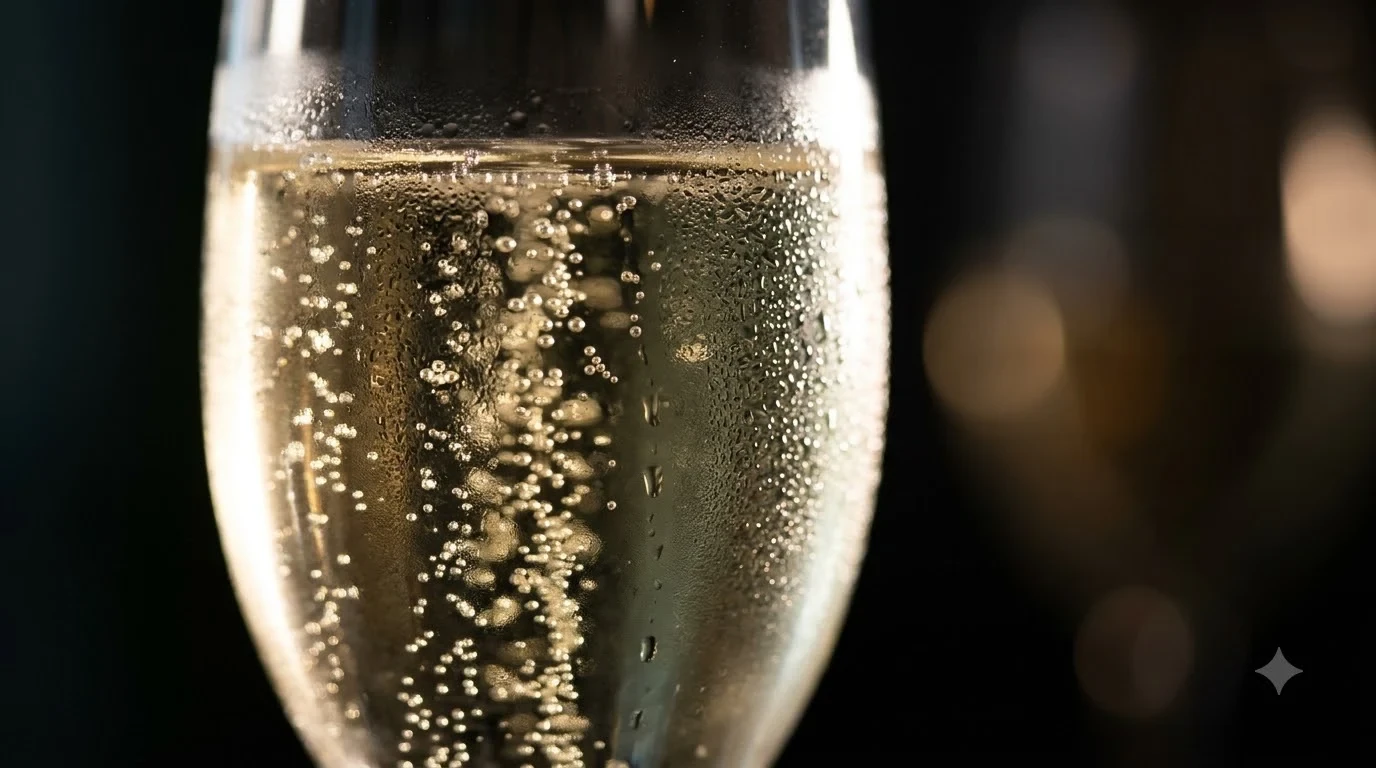
Roederer Estate wine is sparkling wine made in California’s Anderson Valley, not still wine, and it comes from a winery founded in 1982 by the president of Champagne Louis Roederer. The estate, located in Philo in Mendocino County, makes four sparkling wines from grapes grown on its own vineyard. The main grapes are Pinot Noir and Chardonnay, the same pair that anchors most Champagne.
If you have seen the name on a restaurant wine list or in a grocery aisle and wondered what makes it different, this guide covers the basics. It explains who owns the winery, which bottles are on the lineup, how the wines are made, and how to serve and pair them.
Who makes Roederer Estate and where it is
Roederer Estate is a winery in Philo, inside Anderson Valley in Mendocino County, California. Jean-Claude Rouzaud founded it in 1982 while he was president of the parent company, Champagne Louis Roederer, which still owns the estate. That link explains why the estate is built around sparkling wine rather than still wine, and why its lineup is organized around a single core blend.
The estate sits on about 580 acres (230 hectares) of its own vineyard. Because the fruit is estate grown, the winery describes its sparkling wines as estate bottled, which means the grapes and the finished wine come from the same property.
The sparkling wine lineup
The range is small and focused, which makes it easy to explore. Each bottle is a sparkling wine, and the styles differ by whether the blend is multi-vintage or vintage-dated, whether it is rosé, and how prestigious the bottling is.
The Anderson Valley Brut has been part of the lineup since 1988, when it debuted.
| Wine | Style | What to know |
|---|---|---|
| Anderson Valley Brut | Dry, multi-vintage sparkling | The flagship. It debuted in 1988 and blends several vintages for a consistent house profile. |
| Brut Rosé | Dry pink sparkling | A rosé version of the house style. |
| L’Ermitage | Vintage prestige cuvée | A vintage-dated bottling, the more special tier of the range. |
| L’Ermitage Rosé | Vintage prestige rosé | The pink counterpart to L’Ermitage. |
Reserve wines aged in oak are added to each blend. Blending older reserve wines with younger base wines is a common way to add depth and keep a house style steady across vintages.
Grapes, vineyard and winemaking
Pinot Noir and Chardonnay are the main grapes, the same pair that anchors most Champagne. Pinot Noir brings red berry, body and structure, while Chardonnay adds citrus, white fruit and a lighter, crisper edge. Blending the two gives the sparkling wines both weight and freshness.
Because the vineyard is estate owned, the team can manage the fruit from start to finish. The house also keeps reserve wines that have spent time in oak, and those are blended into the final bottlings. For a buyer, the practical takeaway is that Roederer Estate is less about a single grape and more about a consistent blend built over several years.
How to serve and pair Roederer Estate
Serve sparkling wines well chilled, and pour into a tall flute or a wider tulip glass so the bubbles and aromas both have room to show. Sparkling wine is usually easiest to enjoy with food, so start with simple pairings: fried chicken, salty snacks, soft cheeses, and roasted vegetables all work with a dry sparkling style.
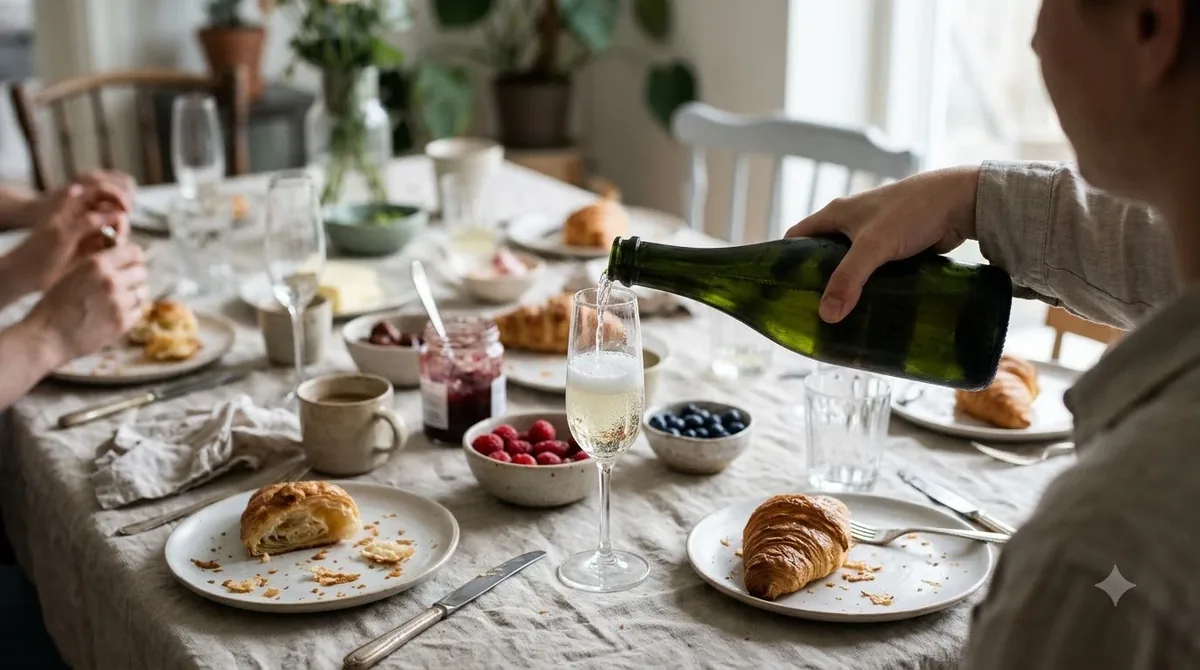
The rosé versions suit lighter fare, such as salmon, pork tenderloin, and fresh fruit salads. The vintage bottlings are better for a slow, celebratory glass or a dinner built around richer dishes like roast turkey or creamy pasta.
Tip: Once opened, keep the bottle sealed with a proper sparkling stopper and refrigerate it. The bubbles fade faster than still wine, so finish the bottle within a day or two for the best texture.
Who Roederer Estate suits
Roederer Estate fits people who want a dry sparkling wine with a clear house character and a link to a well known Champagne house. It is a good choice for brunch, holiday tables, and any meal where a dry, lively bottle is useful. It is less suited to someone who prefers sweet sparkling wine, since the style here is dry.
If you are new to California sparkling wine, the Brut is the easiest place to start. Once you know the house style, the rosé and vintage bottles give you a way to compare how the same winemaking approach changes with a different blend or vintage.
How the estate fits into California sparkling wine
California sparkling wine is a broad category, with producers ranging from large commercial brands to small family estates. Anderson Valley is one of the regions most associated with sparkling wine in the state because its cool conditions suit the Pinot Noir and Chardonnay grapes that the method relies on. Roederer Estate sits in that setting and focuses on sparkling wine only.
That focus is the main thing that sets it apart. Many California wineries make still wines alongside bubbles. Here the lineup stays centered on sparkling styles, so the house character is easier to follow from one bottle to the next. If you enjoy the Brut, the rosé and the vintage bottles show how the same core blend can shift with a different year or a pink finish.
For readers who usually buy Italian or Spanish wine, the closest comparison is with the way a single family house presents its range: a clear flagship, a few special tiers, and a consistent approach across the lineup. The Antinori red wine page covers how one long established Italian estate arranges its wines, which can help you compare styles across countries.
How to buy and store Roederer Estate
Most buyers find Roederer Estate in wine shops, restaurant lists and online retailers that carry California sparkling wine. Because the lineup is small, the Brut is usually the easiest bottle to find, and the prestige bottlings may be less common. When you shop, check the vintage on the label. Multi-vintage bottles are meant to taste similar from year to year, while vintage-dated bottles reflect a single harvest.
Store unopened bottles lying on their side in a cool, dark place away from heat and strong light. Sparkling wine does not need long cellaring for the Brut, so most buyers drink it within a year or two. Vintage bottlings can age longer, but check the producer’s own guidance before you hold a bottle for many years.
Once opened, the bubbles fade over time. Keep the cork in place with a sparkling stopper, refrigerate the bottle, and aim to finish it within a day or two for the best texture.
Frequently Asked Questions
Is Roederer Estate the same as Champagne Louis Roederer?
No. Roederer Estate is a separate winery in California’s Anderson Valley. It was founded by Jean-Claude Rouzaud, who was president of Champagne Louis Roederer, and the French house still owns it.
What grapes go into Roederer Estate sparkling wine?
The main grapes are Pinot Noir and Chardonnay, grown in the estate’s own vineyard. Reserve wines aged in oak are also added to the blends.
What is the best Roederer Estate wine for beginners?
The Anderson Valley Brut is the usual starting point. It is the multi-vintage flagship, so its style stays consistent from year to year.
Is Roederer Estate sweet or dry?
The wines in this lineup are dry sparkling styles. If you want a sweeter bottle, look for a semi-sweet sparkling wine from a different producer.
Roederer Estate is an easy sparkling wine to build a table around. Start with the Brut for everyday meals, then move to the rosé or the vintage bottles when you want something more special. For background on the estate’s history and vineyard, the Roederer Estate entry on Wikipedia is a useful starting point. For more context on other producers, the wine brands guide covers how different houses approach their lineups, and the Antinori red wine page shows how an Italian family estate presents its range.
More in Wine Brands
 Underwood Wine Price: Compare Bottles, Cans, and Pack SizesUpdated Nov 21, 2026
 Zenato Wine Price: Compare Styles and Choose the Right BottleUpdated Nov 21, 2026
 Zuccardi Wine Price: Compare Bottles and Find the Right RangeUpdated Nov 21, 2026
 Yellow Tail Moscato Review: Taste, Sweetness and Serving TipsUpdated Nov 21, 2026
 Wolf Blass Yellow Label Review: Choose Your Best StyleUpdated Nov 21, 2026
 Wolffer Estate Rose Review: Choose the Right Bottle for Your TableUpdated Nov 21, 2026