

We may earn a commission when you buy through links on this page, at no extra cost to you. Learn more.
This robert mondavi wine review separates the brand’s four distinct tiers—Woodbridge, Private Selection, Napa Valley, and Reserve—because the name on the label covers everything from casual weeknight bottles to benchmark Oakville Cabernet Sauvignon. Entry-level Woodbridge and Private Selection wines deliver soft tannins, ripe fruit, and approachable oak for everyday meals, while the estate Napa Valley and To Kalon Reserve bottlings offer structured acidity, savory depth, and multi-decade aging potential. Knowing which sub-label sits on the shelf prevents overpaying for simple fruit or opening a tight, tannic red before it is ready.
Walking down a supermarket or wine shop aisle, shoppers often see four or five different labels bearing Robert Mondavi’s name, each bottled in a different California town and aimed at a completely different occasion. Understanding how wine brands divide their portfolios into regional and estate tiers makes choosing the right bottle straightforward.
Who This Robert Mondavi Wine Review Is For
This guide is built for wine shoppers trying to decode the differences between Woodbridge by Robert Mondavi, Robert Mondavi Private Selection, and the flagship Robert Mondavi Winery bottlings from Oakville. Rather than treating the entire catalog as a single wine, it breaks down grape sourcing, barrel aging, flavor profiles, and serving needs across every major tier.
Everyday wine drinkers who pick up bottles at grocery stores will learn what separates standard California-appellation reds and whites from the spirits barrel-aged releases. Meanwhile, hosts planning a steak dinner or buying a cellar-worthy gift will see how the Napa Valley, The Estates Oakville, and To Kalon Reserve bottlings justify their stricter vineyard selection and firmer structure. Anyone comparing robert mondavi wine labels side by side can use these benchmarks to match the bottle in hand to the food on the table.
Shoppers looking for strict single-vineyard pedigree or ultra-low-intervention natural winemaking should pay close attention to tier boundaries. While the Oakville estate farms organically in To Kalon Vineyard according to Constellation Brands, the high-volume Woodbridge and Private Selection lines are blended from broader California coastal and inland appellations for consistent year-to-year flavor.
Key Factors to Compare Across Robert Mondavi Tiers
Four core variables separate one Robert Mondavi label from another: appellation origin, oak regimen, tannin structure, and intended drinking window. Comparing these factors side by side reveals why two bottles with the same founder’s signature behave very differently in the glass.
| Product Tier | Primary Origin | Signature Grapes | Typical Oak & Style | Ideal Drinking Window |
|---|---|---|---|---|
| Woodbridge by Robert Mondavi | California (Acampo / Lodi focus) | Cabernet Sauvignon, Merlot, Chardonnay, Pinot Grigio, Moscato | Light oak influence; soft tannin, fruit-forward, off-dry to dry | Within 1 to 2 years of release |
| Robert Mondavi Private Selection | California & Central Coast (Monterey) | Cabernet Sauvignon, Pinot Noir, Chardonnay, Sauvignon Blanc | 10 months oak on barrel-aged reds (3+ months in spirits barrels); plush, vanilla-accented | Within 1 to 3 years of release |
| Robert Mondavi Winery Napa Valley | Napa Valley AVA (Oakville, Stags Leap, Carneros) | Cabernet Sauvignon, Fumé Blanc, Chardonnay, Pinot Noir | French oak integration; balanced acidity, medium-plus to high tannin | 2 to 8 years from vintage |
| The Estates & To Kalon Reserve | Oakville AVA & To Kalon Vineyard | Cabernet Sauvignon, To Kalon I Block Fumé Blanc | High proportion of new French oak; concentrated, savory, age-worthy | 5 to 20+ years from vintage |
Appellation specificity is the single clearest indicator of concentration and complexity across the portfolio. According to GuildSomm’s historical report on To Kalon, Robert Mondavi founded his namesake winery in Oakville in 1966 around the gravelly alluvial fan of To Kalon Vineyard, which remains the core source for the winery’s top Napa Valley and Reserve bottlings. By contrast, Robert Mondavi Private Selection is bottled in Ripon, California, and Woodbridge by Robert Mondavi is produced in Acampo, California, drawing fruit from warmer, broader California regions to keep textures soft and approachable.
Oak treatment also shifts dramatically as you move up the ladder. Entry-level Woodbridge wines rely on brief, gentle oak seasoning so fresh cherry, apple, and citrus notes stay front and center. Private Selection introduces heavier toast and a dedicated Spirits Barrel-Aged sub-line—finishing Cabernet Sauvignon in Kentucky bourbon barrels, Merlot in rum barrels, and Red Blend in rye whiskey barrels—whereas the Oakville winery relies on tailored French oak barrels to frame dark cassis, cedar, and herbal complexity without masking vineyard character.
Step-by-Step: How to Pick the Right Bottle on the Shelf
Choosing the right Mondavi bottle takes less than a minute when you read the front label in a deliberate order. Follow these five steps in the store aisle to avoid mismatched flavors or textures.
- Check the sub-brand header above or below the Mondavi name. Look first for the words “Woodbridge,” “Private Selection,” or “Robert Mondavi Winery” (often paired with the mission-style arch and bell tower illustration), because that single distinction sets the flavor weight and aging potential.
- Read the appellation line underneath the grape variety. A broad “California” designation signals a softer, ready-to-drink blend, “Monterey County” or “Central Coast” indicates cooler maritime influence with brighter berry fruit, and “Napa Valley” or “Oakville” points to firmer tannins and deeper concentration.
- Identify the oak or barrel-aging callout. Standard Private Selection Chardonnay offers balanced fruit and moderate toast, while “Buttery Chardonnay” leans into richer malolactic creaminess, and “Bourbon Barrel-Aged Cabernet Sauvignon” adds pronounced vanilla, caramel, and char notes at 14.5% ABV.
- Match the grape’s natural structure to your meal. Pick high-acidity Fumé Blanc or Pinot Grigio for shellfish, salads, and goat cheese; choose medium-tannin Merlot or Pinot Noir for roast chicken and pork; reserve high-tannin Napa Valley Cabernet Sauvignon for marbled ribeye, braised short ribs, or aged hard cheeses.
- Verify the vintage year on estate reds. While non-vintage or recent-release Woodbridge and Private Selection bottles are crafted for immediate pouring, a young Napa Valley or To Kalon Reserve Cabernet Sauvignon benefits from either a few years in a cool cellar or 30 to 60 minutes in a decanter before dinner.
Tip: When shopping for a crowd with mixed tastes, buy one bottle of Napa Valley Fumé Blanc alongside a bottle of Private Selection Pinot Noir. Fumé Blanc’s crisp acidity handles appetizers, salads, and seafood easily, while Pinot Noir’s low-to-medium tannin and bright red fruit bridge the gap between lighter dishes and grilled meats without overwhelming casual wine drinkers.
Types and Styles Explained Across the Portfolio
Every major tier in the Mondavi family excels at a specific style of winemaking, from crisp barrel-fermented Sauvignon Blanc to plush, spirits-finished red blends. Breaking the lineup into four functional groups clarifies what each bottle actually tastes like in the glass.
1. Woodbridge by Robert Mondavi (Casual Weeknight Staples)
Founded by Robert Mondavi in 1979 in Acampo, California, Woodbridge was created to put clean, balanced, everyday table wine within reach of casual weeknight dinners. The lineup spans Cabernet Sauvignon, Merlot, Pinot Noir, Red Blend, Rich Red Blend, Chardonnay, Buttery Chardonnay, Lightly Oaked Chardonnay, Sauvignon Blanc, Pinot Grigio, Moscato, Riesling, and Rosé.
In the glass, Woodbridge reds prioritize juicy red cherry, plum, and mild spice with soft, low-grip tannins that require zero aging or decanting. Whites like Pinot Grigio and Sauvignon Blanc lean fresh and citrus-driven, while Moscato delivers sweet peach, orange blossom, and gentle effervescence suited for spicy takeout or fruit tarts.
2. Robert Mondavi Private Selection (Everyday Coastal & Barrel-Aged)
Bottled in Ripon, California, Robert Mondavi Private Selection steps up coastal fruit sourcing—drawing heavily from Monterey County and California’s Central Coast—to deliver deeper color and fuller mid-palate weight than Woodbridge. Core varietals include Cabernet Sauvignon, Merlot, Pinot Noir, Red Blend, Chardonnay, Buttery Chardonnay, Pinot Grigio, and Sauvignon Blanc.
Common Mistakes When Buying and Serving Robert Mondavi Wines
Even experienced shoppers run into avoidable letdowns when they treat every Mondavi label identically at the dinner table or in the cellar. Recognizing four frequent errors—from misreading sub-brands to serving reds too warm—ensures each bottle shows its intended balance.
The most widespread mistake is assuming every bottle bearing the Mondavi signature comes from Napa Valley vineyards. Shoppers who pick up a California-appellation bottle from robert mondavi private selection wine expecting the savory herbal grip and multi-decade structure of Oakville Cabernet Sauvignon often find a much softer, fruit-forward profile designed for immediate drinking. Matching the tier to the occasion rather than relying on the founder’s surname alone helps avoid misaligned expectations.
A second error involves pairing high-alcohol, heavily toasted spirits-barrel reds with delicate or spicy foods. Because Private Selection Bourbon Barrel-Aged Cabernet Sauvignon reaches 14.5% ABV according to Reverse Wine Snob’s technical review, bringing pronounced charred oak and vanilla notes, serving it alongside spicy Thai curry or pan-seared salmon amplifies chili heat and creates a metallic clash with fish oils. Reserve those bold, bourbon-finished bottles for fatty, salt-seasoned meats like smoked brisket, cheddar burgers, or grilled ribeye, where salt and fat soften firm tannins.
Serving temperature and aeration mistakes also mute the best qualities of the estate bottlings:
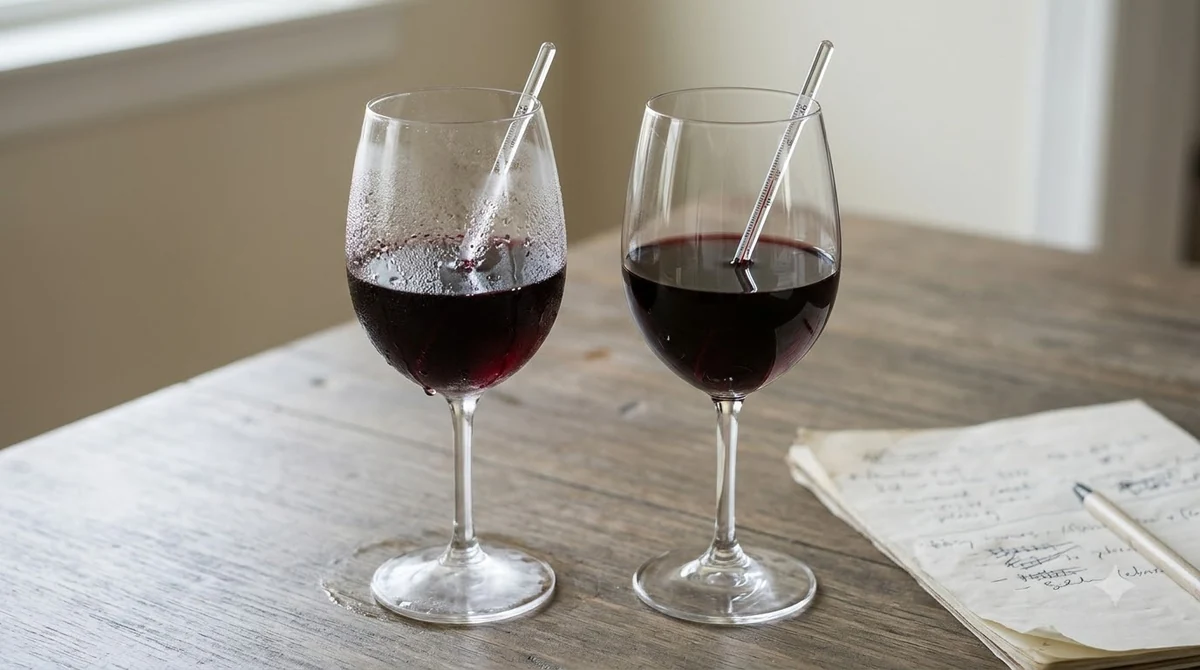
- Pouring Napa Valley Cabernet Sauvignon at warm room temperature: Serving full-bodied reds at typical warm indoor temperatures above 70°F makes alcohol feel hot and flattens dark fruit; chill the bottle briefly so it sits between 60°F and 65°F in the glass.
- Over-chilling barrel-fermented Fumé Blanc or Chardonnay: Pulling full-bodied whites straight from a standard kitchen refrigerator numbs their subtle oak, beeswax, and citrus blossom aromatics; let them warm to 50°F to 55°F before pouring.
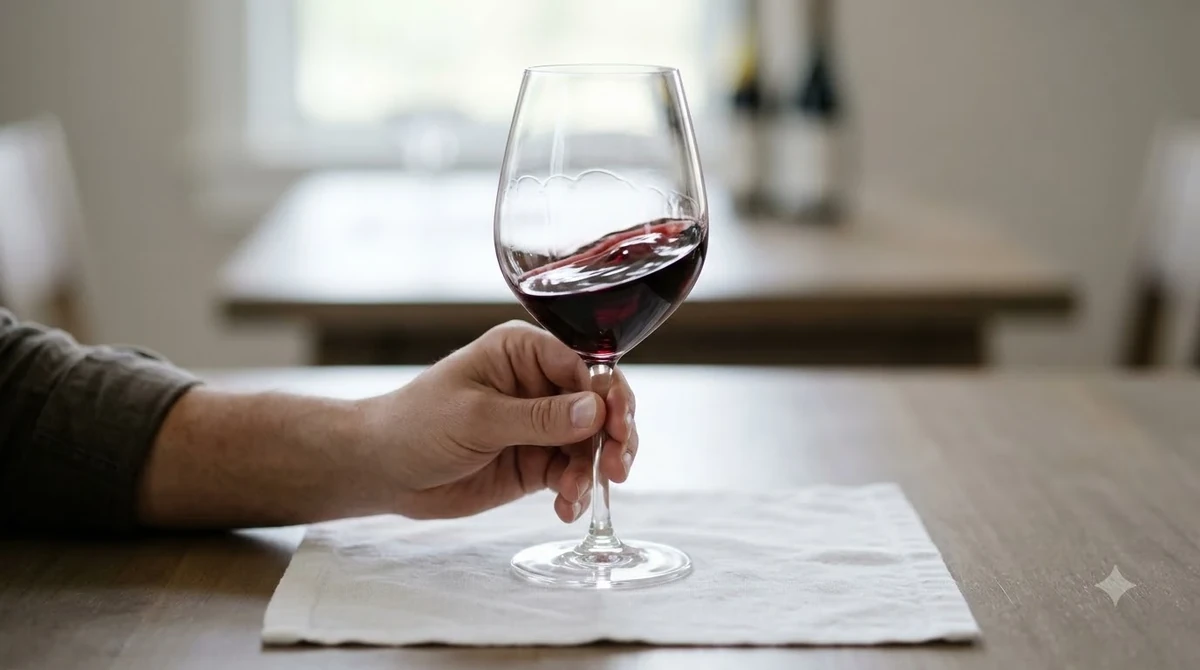
- Popping and pouring young Oakville Reserve reds without air: Opening a young To Kalon Reserve or Napa Valley Cabernet Sauvignon right as guests sit down keeps tannins tight and closed; decanting ahead of dinner softens the grip and opens up cassis and cedar aromatics.
Storage, Serving, and Food Pairing Tips by Tier
Proper storage and simple food-pairing rules extend the lifespan of both opened bottles and unopened cellar selections across the Mondavi lineup. Because the four tiers vary dramatically in acidity, sweetness, and tannin, tailoring serving habits to each style makes a noticeable difference.
For unopened bottles, store wine horizontally on its side near 55°F with steady humidity so corks remain moist and airtight. Woodbridge and standard Private Selection bottles are built for near-term freshness, whereas Napa Valley Cabernet Sauvignon offers mid-term cellar potential and To Kalon Reserve reds are structured for extended bottle aging under cool cellar conditions. Once a bottle is opened, re-cork it tightly and place it in the refrigerator to preserve freshness for several days, keeping in mind that lightly effervescent styles like Woodbridge Moscato lose their spritz faster than still wines.
Pairing each Mondavi style with the right dish comes down to matching weight, acidity, and sweetness:
- Napa Valley & To Kalon Fumé Blanc (45°F to 50°F for crisp styles, 50°F to 55°F for oak-aged Reserve): High natural acidity and herbal citrus notes cut cleanly through oysters, grilled sea bass, herb-roasted chicken, and tangy goat cheese salads.
- Private Selection & Carneros Pinot Noir (55°F to 60°F): Low-to-medium tannin and bright red cherry acidity pair naturally with cedar-plank salmon, mushroom risotto, roast duck, and pork tenderloin.
- Napa Valley & Oakville Cabernet Sauvignon (60°F to 65°F): High tannin and concentrated blackcurrant depth require rich protein and fat, making marbled ribeye steak, braised beef short ribs, lamb chops, and aged Parmigiano-Reggiano ideal partners.
- Woodbridge Moscato & Riesling (43°F to 50°F): Pairing wine that is at least as sweet as the dish prevents the wine from tasting tart, making off-dry Riesling a strong match for spicy Sichuan noodles or glazed ham while sweet Moscato complements peach cobbler, almond biscotti, or fresh berries.
Hosts comparing different robert mondavi red wine bottlings for a multi-course dinner can pour Private Selection Merlot or Pinot Noir with starter courses and transition to decanted Napa Valley Cabernet Sauvignon for the main roast.
Frequently Asked Questions
Who owns Robert Mondavi Winery today?
Constellation Brands acquired Robert Mondavi Winery and its portfolio of brands in 2004, according to GuildSomm’s historical report on To Kalon Vineyard. The company continues to operate the historic mission-style estate at 7801 St. Helena Highway in Oakville, California, while Private Selection is produced in Ripon and Woodbridge is produced in Acampo, California.
How is Robert Mondavi connected to Opus One?
According to GuildSomm’s To Kalon Vineyard report, Robert Mondavi partnered with Baron Philippe de Rothschild of Château Mouton Rothschild beginning in 1978 to establish Opus One, releasing their debut vintage from the 1979 harvest, and supplied the joint venture by selling the 35-acre Q-Block parcel and later leasing the 48-acre K-Block in Oakville directly to Opus One.
Why is Robert Mondavi’s Sauvignon Blanc called Fumé Blanc?
Robert Mondavi coined the name Fumé Blanc in the late 1960s to distinguish his dry, barrel-fermented Sauvignon Blanc from the sweet, grassy versions common in California at the time. The name nods to Pouilly-Fumé in France’s Loire Valley and signals a crisp, food-friendly white wine with subtle oak texture rather than residual sweetness.
What is the legal dispute surrounding To Kalon Vineyard on wine labels?
Constellation Brands holds federal trademarks on both “To Kalon” and “To Kalon Vineyard,” and under a 2003 legal settlement with neighboring grower Andy Beckstoffer, approved wineries buying Beckstoffer fruit may also use the vineyard name subject to a case cap, according to Wine Spectator. According to Wine Spectator’s coverage of the naming dispute, the U.S. Board on Geographic Names in August 2025 revoked its 2017 recognition of “To Kalon Creek” following a Constellation Brands petition, reverting the waterway’s official name to Doak Creek.
Is Robert Mondavi Private Selection Bourbon Barrel-Aged Cabernet Sauvignon a sweet wine?
No, it is technically a dry red wine rather than a dessert wine, containing 4.0 grams per liter of residual sugar according to Reverse Wine Snob’s technical breakdown. Although aging for three months in charred Kentucky bourbon barrels—as noted on the winery’s product sheet—imparts sweet-smelling aromas of vanilla, caramel, and toasted oak, the palate finishes dry with firm tannins.
Choosing the best Robert Mondavi bottle comes down to reading the sub-brand and appellation before matching the wine’s structure to the meal. Whether pouring an easy-drinking Woodbridge white on a Tuesday night or decanting an Oakville To Kalon Reserve Cabernet Sauvignon for a milestone dinner, each tier performs best when served at the right temperature and paired with complementary food.
More in Wine Brands
 Underwood Wine Price: Compare Bottles, Cans, and Pack SizesUpdated Nov 21, 2026
 Zenato Wine Price: Compare Styles and Choose the Right BottleUpdated Nov 21, 2026
 Zuccardi Wine Price: Compare Bottles and Find the Right RangeUpdated Nov 21, 2026
 Yellow Tail Moscato Review: Taste, Sweetness and Serving TipsUpdated Nov 21, 2026
 Wolf Blass Yellow Label Review: Choose Your Best StyleUpdated Nov 21, 2026
 Wolffer Estate Rose Review: Choose the Right Bottle for Your TableUpdated Nov 21, 2026