

We may earn a commission when you buy through links on this page, at no extra cost to you. Learn more.
The best Oakville wineries for Napa Valley wine tasting include Silver Oak, PlumpJack Estate Winery, Groth Vineyards & Winery, and Napa Cellars, each offering a different way to experience the region’s celebrated Cabernet Sauvignon. Oakville is particularly appealing to visitors interested in estate-grown wines, distinctive vineyard settings, and guided tastings. The right winery depends on whether you prefer a Cabernet-focused experience, an educational tasting, a relaxed garden visit, or a more elaborate food-and-wine pairing.
Located between Yountville and St. Helena, Oakville occupies a special place in Napa Valley wine country. Its reputation rests heavily on Cabernet Sauvignon, although Sauvignon Blanc and other varieties also contribute to the area’s appeal. Visitors can choose between established wineries with substantial tasting programs and smaller producers offering more specialized appointments. A successful visit starts with matching each winery’s experience to your interests, allowing enough time between reservations, and understanding what makes Oakville wines distinctive.
Who This Is For: Finding the Right Oakville Winery
Oakville is an excellent destination for Cabernet Sauvignon enthusiasts, Napa Valley newcomers, and returning visitors who want to explore individual vineyard expressions. Its location along Highway 29 makes it practical to include in a wine-country itinerary connecting Yountville and St. Helena, particularly when the day is planned around two or three carefully selected appointments.
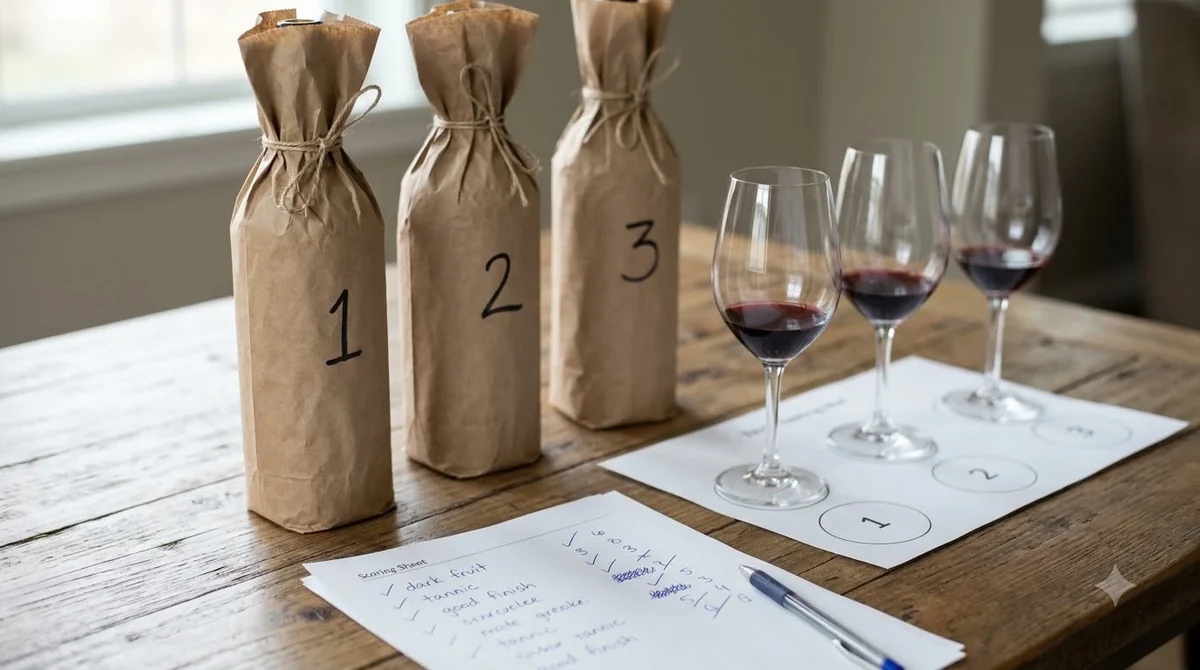
Silver Oak is a natural starting point for visitors who want to understand California Cabernet Sauvignon through a recognizable producer. Its Oakville location at 915 Oakville Cross Road offers several experiences, including current-release tastings, a Cabernet vertical, and a more elaborate culinary program. The winery’s emphasis on American oak also makes it a useful stop for people interested in how barrel choices influence Cabernet’s character.
PlumpJack Estate Winery is particularly suitable for visitors who want a historic estate atmosphere alongside their wine. Its property includes an 1880s winery and surrounding Cabernet Sauvignon vineyards. The standard PlumpJack Experience is designed as a 60-minute visit, while the Collector’s Tasting provides a longer exploration of Reserve and Estate Cabernet Sauvignon. Both options offer a way to learn about the estate without committing to an entire day.
Groth Vineyards & Winery deserves consideration from visitors who prioritize estate Cabernet Sauvignon and Sauvignon Blanc. Its winery on Oakville Cross Road offers a focused introduction to its Oakville wines, including Reserve Cabernet Sauvignon and limited-production releases. Tastings are offered by appointment, making advance planning important.
Napa Cellars suits visitors who prefer a more relaxed outdoor setting. Its garden picnic grounds, tree-lined surroundings, and option to bring personal food make it particularly appealing for couples and small groups. The winery also welcomes dogs in its gardens, a useful distinction for travelers bringing a canine companion.
Oakville also has a place in the itinerary of experienced collectors. The Oakville Winegrowers membership includes producers such as Far Niente, Dalla Valle Vineyards, Harlan Estate, and B Cellars. However, being an Oakville producer does not automatically mean that a winery offers ordinary walk-in tastings. Check public visitation arrangements before building a schedule around a particular estate.
Visitors comparing California wine destinations may also enjoy exploring the best Temecula wineries or the best Paso Robles wineries. These regions offer different tasting environments and wine styles, making them useful alternatives for a broader California wine trip.
Key Factors to Compare Before Booking
The most useful way to compare Oakville wineries is to consider the wines poured, the format of the experience, the amount of time required, and the setting. A 45-minute bar tasting and a 150-minute food-pairing experience serve different purposes, even when both feature Cabernet Sauvignon.
| Winery | Experience | Duration | Important Details |
|---|---|---|---|
| Silver Oak | Current Release Bar Tasting | 45 minutes | 2 wines; walk-ins welcome |
| Silver Oak | Silver Oak Tasting | 60 minutes | 4 wines; indoor and outdoor options |
| Silver Oak | Cabernet Vertical | 90 minutes | 6 wines; current release and 5 library selections |
| Silver Oak | Chef’s Table | 150 minutes | 4 wines with food pairings |
| PlumpJack | PlumpJack Experience | 60 minutes | Estate Oakville and Napa Valley wines |
| PlumpJack | Collector’s Tasting | 90 minutes | Reserve and Estate Cabernet Sauvignon |
| Napa Cellars | Guided Tasting | 90 minutes | Indoor or outdoor garden setting |
These durations and tasting formats are published by the respective wineries. They provide a practical starting point for building a schedule, although the actual experience and available selections can vary. A 60-minute reservation should not be treated as a promise that the entire stop, including arrival, parking, and departure, will take exactly one hour.
Wine selection is another important consideration. Oakville is especially associated with Cabernet Sauvignon, a grape known for its substantial tannin structure and ability to develop with bottle age. A winery offering several Cabernet vintages can provide a different educational experience from one focused on current releases. For visitors who prefer aromatic white wine, Groth’s Sauvignon Blanc program adds another dimension to an otherwise Cabernet-oriented itinerary.
The setting can matter just as much as the wine. Some guests prefer a traditional tasting room, while others want vineyard views, gardens, architectural interest, or food service. Silver Oak offers indoor and outdoor tasting options for its standard tasting, PlumpJack emphasizes its historic estate environment, and Napa Cellars provides garden picnic seating.
Reservations, group size, and accessibility also deserve attention. Napa Cellars recommends reservations and asks groups larger than seven to contact its tasting room directly. Silver Oak provides different arrangements for smaller parties and private groups, while Groth operates its tasting program by appointment. These differences can determine whether a winery fits a spontaneous afternoon or a carefully organized trip.
For broader advice about selecting bottles after the visit, the wine-buying resource offers useful context on grape varieties, wine styles, and purchase decisions.
Tip: Allow approximately 90 minutes between winery reservations when possible. Even a published 45- or 60-minute tasting can take longer once parking, check-in, restroom breaks, and time spent browsing the wines are included. Arrange transportation before beginning a multi-winery tasting day.
Step-by-Step: How to Plan an Oakville Winery Visit
A rewarding Oakville itinerary starts with a clear tasting objective and a manageable number of appointments. Two well-chosen winery visits often provide more opportunity to appreciate the wines than rushing through four or five stops.
-
Decide what kind of wine experience you want.
Begin by choosing between a Cabernet-focused day, a combination of red and white wines, or a food-oriented visit. Silver Oak is a strong candidate for exploring Cabernet and American oak aging. Groth is worth considering for visitors interested in estate Cabernet Sauvignon alongside Sauvignon Blanc. Napa Cellars is particularly appealing when a garden tasting and picnic atmosphere are priorities.
-
Select two or three wineries that offer different experiences.
A combination of Silver Oak and Napa Cellars creates a contrast between a Cabernet-centered tasting destination and a relaxed outdoor setting. Another option is PlumpJack followed by Groth, giving visitors an opportunity to explore two Oakville estate programs. Avoid booking multiple experiences that offer essentially the same tasting format unless comparing producers is the main objective.
-
Check reservation requirements and available times.
Silver Oak offers several reservation-based experiences and also welcomes walk-ins for its Current Release Bar Tasting. Napa Cellars generally recommends reservations, while Groth offers tastings by appointment. PlumpJack lists its principal experiences daily between 10 a.m. and 3 p.m. Confirm the available time directly with each winery before finalizing transportation.
-
Choose the appropriate tasting length.
A 45-minute tasting may be appropriate for visitors who want a shorter introduction, while a 90-minute appointment allows more time for discussion and comparison. Silver Oak’s 150-minute Chef’s Table is better suited to guests who want a substantial food-and-wine experience rather than a quick stop. Select experiences that fit the total time available.
-
Plan meals and transportation.
Napa Cellars permits visitors to bring their own food for outdoor tasting experiences, providing a convenient option for a relaxed lunch. Other visits may require separate meal arrangements. Organize a designated driver or professional transportation rather than assuming that a short drive between wineries makes self-driving after tastings appropriate.
-
Prepare questions about the wines.
Ask about the vineyard source, grape composition, oak treatment, vintage differences, and recommended drinking window. For Cabernet Sauvignon, questions about tannin, acidity, and barrel aging can reveal meaningful differences between producers. At a vertical tasting, ask how the older vintages compare with the current release.
-
Finish with a bottle-selection decision.
Consider which wines actually suited your preferences rather than purchasing simply because a producer is famous. Think about whether a Cabernet is intended for immediate enjoyment or extended cellaring. If shipping is necessary, ask about delivery restrictions, weather-related shipping arrangements, and destination-state regulations.
For a first visit, a morning appointment followed by a leisurely lunch and an afternoon tasting is a sensible structure. Starting at 10 a.m. provides flexibility, particularly because several Oakville tasting destinations operate within daytime hours. Keep some room in the schedule for delays rather than treating every reservation as an exact departure deadline.
Types and Styles of Oakville Winery Experiences
Oakville offers several distinct approaches to wine tasting, from short introductions to Cabernet Sauvignon to in-depth comparisons of older vintages and culinary pairings. Understanding the formats makes it easier to choose an experience that matches your knowledge level and available time.
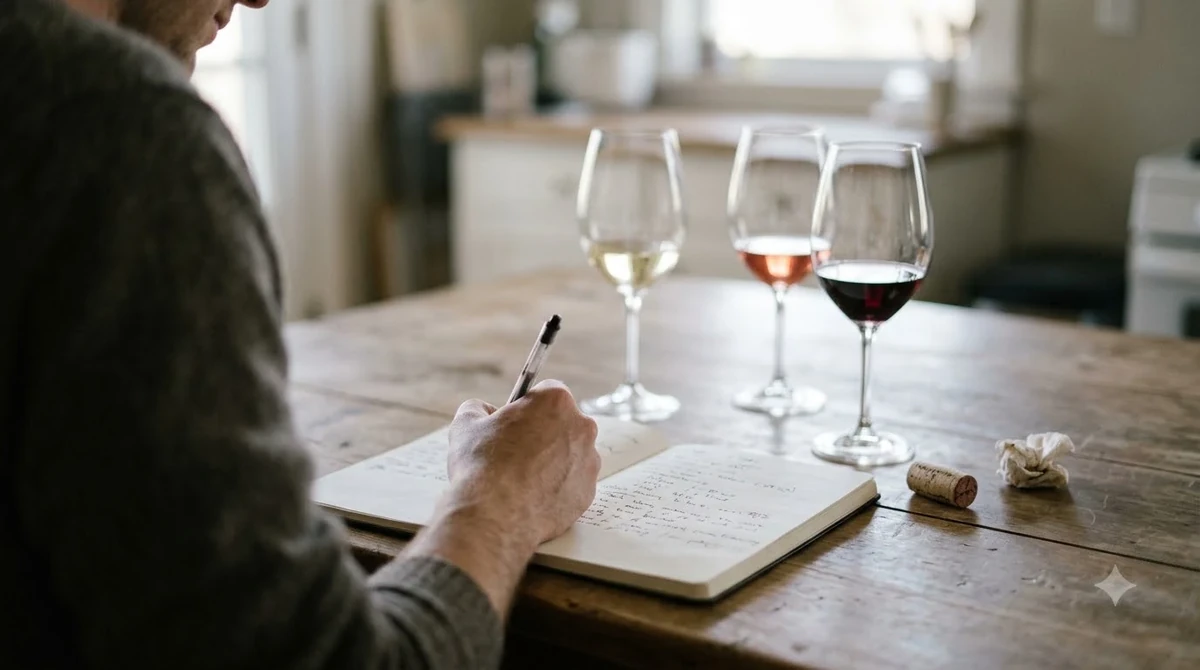
Classic Cabernet Sauvignon Tastings
Cabernet Sauvignon is the signature grape for many Oakville producers. Its combination of dark fruit flavors, substantial tannins, and structured acidity makes it particularly interesting to compare across different vineyards and winemaking approaches.
Silver Oak is a useful example for visitors interested in a recognizable Cabernet-focused program. Its Current Release Bar Tasting features two wines, while the standard Silver Oak Tasting includes four wines from Alexander Valley and Napa Valley. The comparison provides an opportunity to consider how regional growing conditions and winemaking choices influence the finished wine. Visitors can review the winery’s official Napa Valley tasting experiences to understand the available formats and plan an appropriate reservation.
PlumpJack offers another approach through its estate wines. Its standard experience includes Oakville and Napa Valley selections, while the Collector’s Tasting features Reserve Cabernet Sauvignon and selected Estate Cabernet Sauvignon vintages. These experiences are particularly relevant for visitors who want to understand the relationship between a producer’s standard bottlings and its more specialized wines.
Vertical and Library Tastings
A vertical tasting compares different vintages of the same wine, helping visitors understand how a wine changes with time. Differences in growing conditions, tannin development, fruit character, and bottle maturity become easier to recognize when the wines are tasted alongside one another.
Silver Oak’s Napa Valley Cabernet Vertical Tasting includes the current release and five library selections, making six wines in total. The 90-minute experience is a particularly suitable choice for collectors and experienced Cabernet drinkers who want to explore aging potential rather than simply sample a producer’s latest releases.
During a vertical tasting, ask about the vintage conditions and the way each wine has developed. An older bottle may show softer tannins and more developed aromas, while a younger wine may retain firmer structure and fresher fruit characteristics. Neither is automatically superior; the comparison is valuable because it demonstrates how maturation changes the drinking experience.
Estate and Appointment-Only Experiences
Some Oakville producers emphasize the connection between the vineyard, winery, and finished wine. Groth is a good example of this estate-oriented approach, offering its Reserve Cabernet Sauvignon, Oakville Cabernet Sauvignon, and limited-production winery exclusives. Its tastings are offered by appointment, which makes it a good candidate for visitors who prefer to plan their wine-country day in advance.
Appointment-only or specialized winery experiences should not be confused with ordinary public tasting-room visits. Oakville includes producers whose wines are well known among collectors but whose visitor arrangements differ considerably. Far Niente, Harlan Estate, and Dalla Valle appear in the Oakville wine community, but visitors should independently confirm whether a particular property currently accepts public reservations.
Food and Wine Pairing Experiences
Food pairing is a useful way to understand how Cabernet Sauvignon behaves at the table. Silver Oak’s Chef’s Table offers four wines with food pairings in a 150-minute communal culinary experience. It is a more substantial alternative to a traditional tasting flight and provides an opportunity to consider how ingredients affect the perception of wine.
Cabernet Sauvignon generally pairs well with dishes containing protein and fat, including grilled beef and rich mushroom preparations. Salt and fat can soften the perception of tannin, while highly acidic foods need wines with comparable or greater acidity. Very spicy dishes can make alcoholic wines feel hotter, so they are not always ideal companions for powerful Oakville Cabernet.
Napa Cellars offers a different food-friendly format. Visitors can bring their own picnic food to enjoy in its garden grounds, making it suitable for people who want a relaxed outdoor meal rather than a structured chef-led pairing.
White Wine and Alternative Selections
Although Oakville is strongly associated with Cabernet Sauvignon, visitors should not overlook its white wines. Sauvignon Blanc offers a brighter, more aromatic alternative to the region’s fuller-bodied reds. Its higher acidity can make it particularly enjoyable alongside salads, seafood, and dishes featuring fresh herbs.
Groth is a useful stop for visitors interested in Sauvignon Blanc as well as Cabernet Sauvignon. Napa Cellars also lists Sauvignon Blanc and Chardonnay among its wine offerings. Including a white wine tasting in a Cabernet-oriented itinerary creates variety and makes it easier to compare different structures, aromas, and serving temperatures.
Common Mistakes When Visiting Oakville Wineries
The biggest planning mistakes involve overbooking, overlooking reservation conditions, and choosing wineries without considering the type of wine or experience they offer. A little preparation can prevent unnecessary travel time and make each tasting more rewarding.
Scheduling Too Many Tastings
Three substantial tastings can occupy most of a day, especially when each includes a guided explanation of the wines. A 90-minute appointment at PlumpJack’s Collector’s Tasting, for example, requires more time than a 45-minute Silver Oak bar tasting. Adding another long appointment without accounting for travel and meals can make the afternoon feel rushed.
For most visitors, two substantial experiences or two tastings combined with one shorter stop provide a reasonable structure. Leave room to enjoy lunch, explore the grounds where permitted, and discuss the wines with tasting-room staff.
Assuming Every Winery Accepts Walk-Ins
Oakville’s reputation can create the impression that all its producers operate conventional public tasting rooms. That is not the case. Silver Oak welcomes walk-ins for its Current Release Bar Tasting, and Napa Cellars accepts spontaneous visitors when space permits. Groth, on the other hand, offers its tasting experiences by appointment.
Confirming access before traveling is especially important for small estates and highly specialized producers. A winery’s presence on a regional producer directory does not establish that its tasting room is open to the public.
Choosing Only on Reputation
A famous winery is not necessarily the best match for every visitor. Someone who enjoys relaxed garden surroundings may appreciate Napa Cellars more than a formal Cabernet-focused appointment. A collector comparing vintage development may get more value from Silver Oak’s vertical tasting than from a shorter current-release flight.
Match the experience to the goal. If learning about American oak aging is important, Silver Oak offers a clear subject for discussion. If the priority is exploring the relationship between Reserve and Estate Cabernet, PlumpJack’s Collector’s Tasting is a logical choice. If the interest is estate Cabernet and Sauvignon Blanc, Groth deserves consideration.
Ignoring the Food and Wine Relationship
Wine tasting can be more enjoyable when meals are planned around the wines being sampled. Cabernet Sauvignon’s tannins generally work well with fattier foods, while delicate white wines can be overwhelmed by heavily seasoned or rich dishes. Avoid assuming that every wine pairs equally well with every picnic selection.
Visitors should also avoid scheduling a heavy lunch immediately before a long series of tastings. A lighter meal, water, and a sensible pace can make it easier to appreciate several wines without becoming overwhelmed by the day.
Forgetting the Practical Details
Oakville’s wineries are close enough to combine in one itinerary, but they are separate properties with their own entrances, parking arrangements, and reservation policies. Check the full street address rather than relying on the winery name alone. PlumpJack is at 620 Oakville Cross Road, while Silver Oak is at 915 Oakville Cross Road and Groth is at 750 Oakville Cross Road.
Also confirm whether the experience is seated, whether outdoor seating is available, and whether children or pets are permitted. Napa Cellars specifically welcomes dogs in its gardens, but visitors should not assume that another winery follows the same policy.
Care and Storage Tips for Oakville Wine Purchases
After choosing bottles at an Oakville winery, proper transportation and storage help preserve their intended character. Cabernet Sauvignon often benefits from careful cellaring, while white wines and lighter styles are generally better suited to cooler serving temperatures and earlier enjoyment.
Transport Bottles Carefully
Keep purchased bottles away from direct sunlight and excessive heat during transportation. A hot car interior can expose wine to temperatures that are unsuitable for preserving its quality. Use a protective wine carrier and avoid leaving bottles in a parked vehicle for extended periods.
For visitors shipping wine home, ask the winery about temperature-sensitive shipping options and the applicable delivery restrictions. Regulations differ between states, and some destinations have limitations on direct-to-consumer wine shipments. Arrange delivery with enough attention to seasonal temperatures rather than assuming every shipment is handled under identical conditions.
Store Bottles in a Consistent Environment
A storage temperature near 55 degrees Fahrenheit is a useful target for keeping wine. Avoid frequent temperature fluctuations, direct light, vibration, and locations near ovens or heating equipment. Bottles sealed with natural cork are generally stored on their sides to keep the cork in contact with the wine.
Oakville Cabernet Sauvignon can be suitable for extended cellaring, depending on the producer, vintage, structure, and storage conditions. Not every Cabernet needs decades of aging, however. Some wines are intended to be approachable relatively early, so the producer’s drinking recommendations can help determine when to open a particular bottle.
Serve Each Wine at an Appropriate Temperature
Serving temperature has a meaningful effect on aroma, acidity, and tannin perception. Full-bodied reds such as Cabernet Sauvignon generally show well around 60 to 65 degrees Fahrenheit. Serving them excessively warm can emphasize alcohol and make the wine feel heavier.
White wines such as Sauvignon Blanc are generally better served at approximately 45 to 50 degrees Fahrenheit when they are light in style. Fuller-bodied Chardonnay is usually more expressive around 50 to 55 degrees Fahrenheit. If a bottle is too cold, allow it to warm gradually rather than exposing it to an extreme temperature change.
Give Young Cabernet Time to Open
Young, full-bodied Cabernet Sauvignon can benefit from decanting for approximately 30 to 60 minutes before serving. Exposure to air may help reveal the wine’s fruit, spice, and oak characteristics while making its structure easier to appreciate.
Older bottles require more care. Extended aeration is not automatically beneficial for mature wine, which may lose some of its delicate aromas after prolonged exposure to air. Open an older bottle carefully, assess its condition, and serve it without unnecessary delay.
Once opened, still wines generally keep for approximately three to five days in the refrigerator when properly resealed. Even red wine benefits from refrigeration after opening; allow it to approach its preferred serving temperature before pouring. These storage practices are useful for Oakville purchases whether the bottle is an everyday Napa Valley Cabernet or a more collectible estate selection.
Frequently Asked Questions
What makes Oakville Cabernet Sauvignon different from other Napa Valley Cabernet?
Oakville’s position in central Napa Valley and its varied vineyard sites contribute to differences in ripening conditions and wine structure. Its wines are often recognized for combining concentrated dark fruit with substantial tannins and balanced acidity. Individual vineyard location, vintage, and winemaking choices still create meaningful differences between bottles.
Is Oakville part of the Napa Valley American Viticultural Area?
Yes. Oakville is a recognized American Viticultural Area within Napa Valley, rather than a separate wine-producing region outside Napa. The designation identifies a geographically defined grape-growing area with distinctive growing conditions. Wines labeled Oakville AVA must meet the applicable American wine-origin regulations.
What is the historical significance of To Kalon Vineyard?
To Kalon is associated with early Napa Valley winegrowing and H. W. Crabb, who established his vineyard estate in 1868. The name means beautiful in Greek. The vineyard remains an important reference point in discussions of Oakville’s Cabernet Sauvignon heritage and the area’s development as a premium wine-growing destination.
Can visitors buy Oakville wines directly from the wineries?
Many Oakville producers offer wine purchases through their tasting rooms or official websites. Availability can differ for limited-production bottlings, library wines, and allocation-based releases. Some wines may require a mailing-list relationship or winery membership rather than being available for immediate purchase by every visitor.
Is Oakville suitable for a wine trip without an overnight stay?
Yes. Its location between Yountville and St. Helena makes it practical as a day-trip destination within Napa Valley. Visitors can arrange two tastings, have lunch, and return to their accommodation without needing to stay in Oakville itself. The important consideration is arranging safe transportation and leaving sufficient time between appointments.
The best Oakville wineries offer more than famous Cabernet Sauvignon: they provide different ways to understand Napa Valley through estate wines, vintage comparisons, historic properties, and relaxed outdoor hospitality. Silver Oak, PlumpJack, Groth, and Napa Cellars make particularly useful starting points for building a varied itinerary. Choose reservations according to your wine interests, leave enough time to enjoy each experience, and make room for the distinctive character that makes Oakville one of Napa Valley’s most recognizable wine destinations.
More in Wine Buying Guides
 Cheap Red Blend: How to Find a Flavorful Bottle for LessUpdated Nov 20, 2026
 Pinot Grigio Gift: How to Choose a Bottle They’ll EnjoyUpdated Nov 20, 2026
 Best White Wine at Total Wine for Every MealUpdated Nov 20, 2026
 Wine Fridge Replacement Shelves: Find the Right FitUpdated Nov 20, 2026
 Best Sparkling Wine Under 20: Find Bubbles Worth BuyingUpdated Nov 20, 2026
 Best Wine For Birthday Celebrations With Perfect Party PairingsUpdated Nov 20, 2026