

We may earn a commission when you buy through links on this page, at no extra cost to you. Learn more.
Riunite red wine is an Italian brand from Emilia-Romagna built around Lambrusco, with a lineup that also includes fruit-forward reds such as Blackberry Merlot, Red Sangria, and a semi-sparkling Zero Red. The reds are made for easy sharing, so they suit casual dinners, parties, and cocktails more than a formal wine course. This guide explains where the brand comes from, what the red styles taste like, how to serve them, and which food and drink ideas fit best.
Riunite is one of the most recognized Italian wine names in the United States, and its red bottles often sit beside other easy-drinking reds. The sections below cover the brand’s origin, the red lineup, how Lambrusco differs from other red wines, serving temperatures, food pairing, and how to choose a bottle that matches your plans.
Where Riunite comes from
Riunite is a wine brand from Emilia-Romagna in northern Italy, and the brand’s own site names Lambrusco as its flagship. The brand’s story begins in the 1950s, when nine wine producers in the region formed the Cantina Cooperativa Riunite. The brand says it has been around for about 70 years and is still owned by roughly 1,700 families of grape growers.
The wines are imported into the United States by Frederick Wildman & Sons, Ltd., based in New York. That import link explains why the brand is so common on American shelves and why its labels are written with US shoppers in mind.
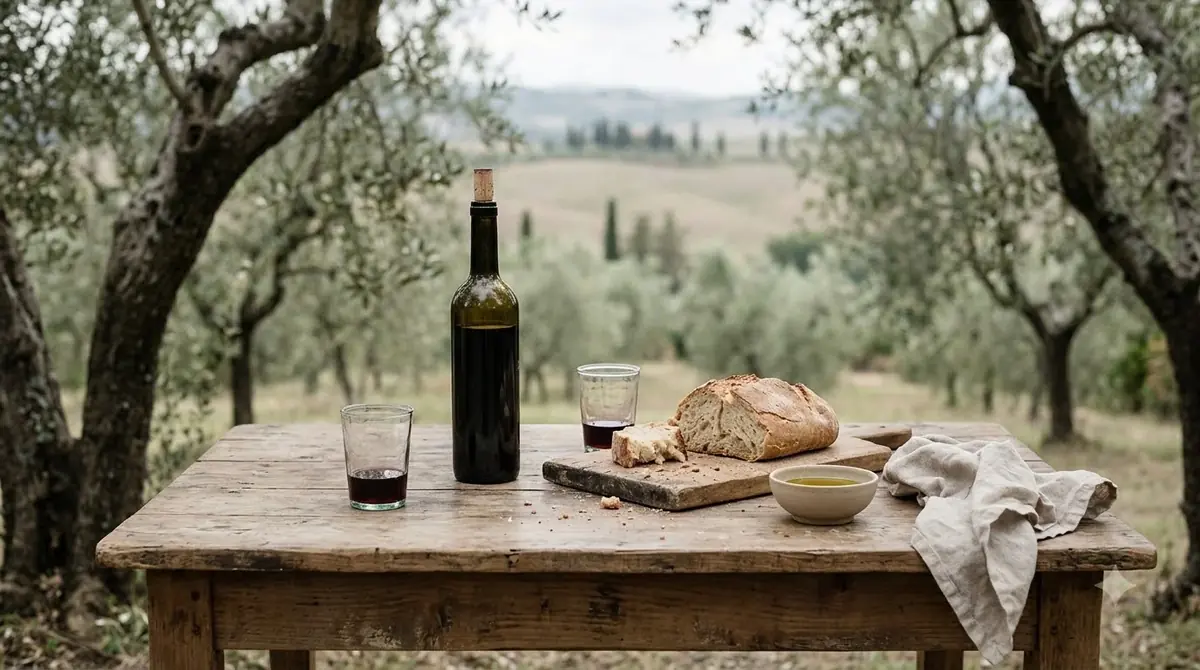
The cooperative model matters for a buyer. Because the brand is owned by many growers, its wines are made at scale, and the consistency from bottle to bottle is part of the appeal. It also means the flavor profile is designed to be familiar, rather than to show a single vineyard.
The Riunite red lineup
The brand’s site lists several red and red-style wines, along with rosé and a number of flavored versions. The table below groups the reds most people will see first, using the names the producer gives on its site.
| Wine | Style | Best for |
|---|---|---|
| Lambrusco | Red sparkling wine from Emilia-Romagna | Brunch, antipasti, and pizza nights |
| Blackberry Merlot | Fruit-forward red with a berry profile | Relaxed evenings and easy sipping |
| Red Sangria | Fruit-blended red for mixing or pouring | Parties and warm-weather gatherings |
| Zero Red | Semi-sparkling red | Shared tables and lighter drinking |
| Lambrusco Rosé | Rosé-style Lambrusco | Lunch and summer meals |
The brand’s site presents these wines for shared gatherings, intimate celebrations, and everyday enjoyment. The lineup is designed for approachable drinking, so the best way to read the range is by occasion rather than by strict wine style.
It helps to separate the sparkling wines from the still and semi-sparkling ones. Lambrusco and Zero Red bring some fizz to the glass, which gives a lift at the start and a cleaner finish. The fruit-forward reds are smoother and rounder, with less bite. A buyer who likes a crisp, bubbly drink will usually prefer the Lambrusco, while a buyer who wants a softer red will tend to reach for the Blackberry Merlot.
What Lambrusco tastes like
Lambrusco is a family of closely related grape varieties native to Italy. The grapes are made into sparkling wines that range from pale rosé to deep red. Lambrusco is typically described as dry, with medium-light body, medium tannins, and medium-high acidity, and an alcohol level of roughly 10 to 11.5 percent.
Many shoppers expect a sweet red, and some Lambrusco-style bottles are sweeter than others. Sweetness varies by producer and by style, so check the label or the producer’s site for the exact profile of the bottle you are holding. The fizz and the fruit are the two things that stand out most on the palate.
How to serve Riunite red wine
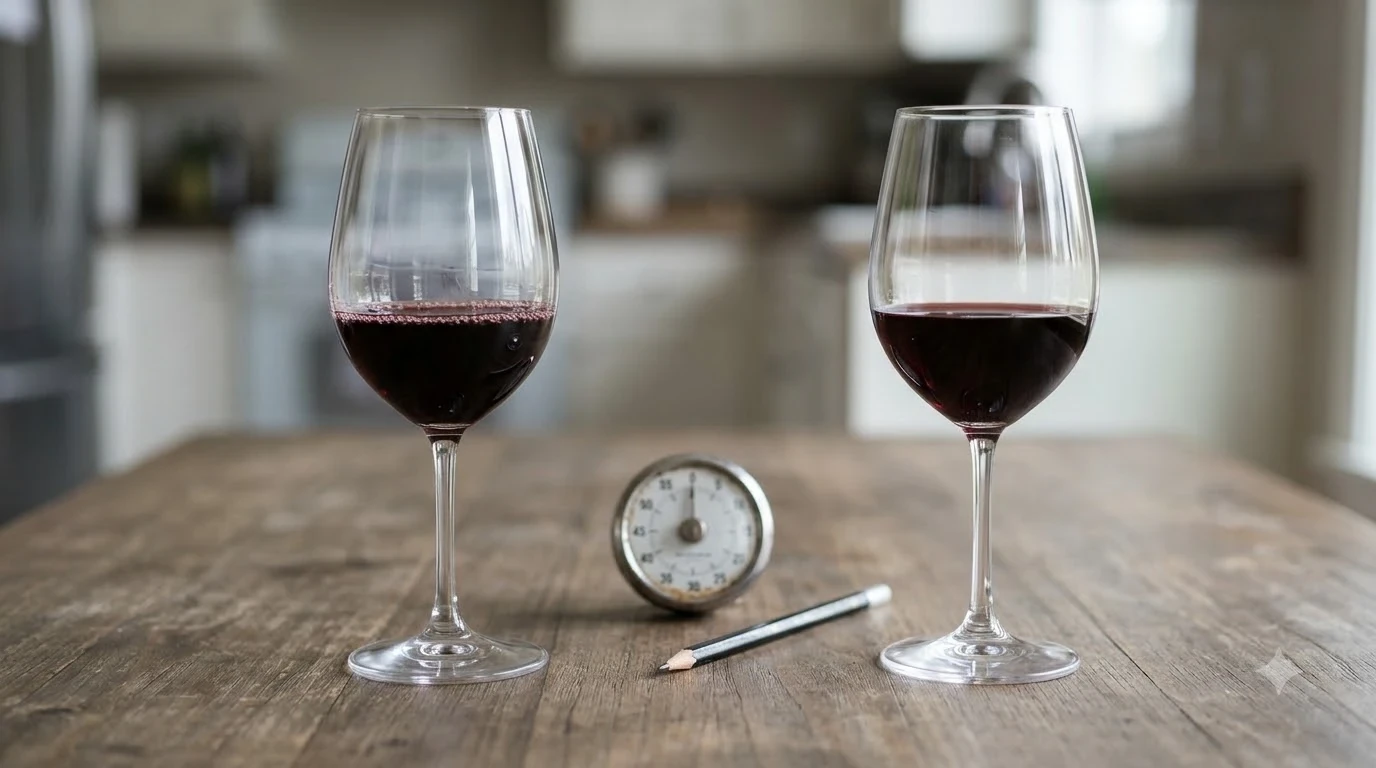
Serve Lambrusco chilled, at around 45 to 55°F (7 to 12°C). It can be served in a universal glass, and it does not need decanting. The bubbles lift the fruit, so a cool bottle keeps the drink crisp and refreshing.
The Riunite site also promotes cocktail uses, including a Blood Orange Wine Sipper, Winter Sangria, and a Lambrusco Shandy. Those recipes are a good way to use the lighter reds at a party, because the fruit and the fizz blend well with citrus and sparkling mixers.
Tip: Keep an opened bottle of sparkling Lambrusco in the fridge and drink it within a few days, since the bubbles fade quickly once the seal is broken.
Food pairing for Lambrusco and Riunite reds
Lambrusco is a food-friendly wine. It goes well with pizza, burgers, and salty snacks, and the acidity cuts through rich food. Good matches include local Italian partners such as Prosciutto di Parma and Parmigiano-Reggiano, which are classic Emilia-Romagna pairings.
The fruit-forward reds, including Blackberry Merlot, work with grilled sausages, barbecue, and dishes with a sweet glaze. Red Sangria suits fruit salads and light desserts. Lambrusco Rosé is a good match for lunch salads, seafood, and picnic spreads.
How to choose a Riunite red for your plans
For a party or a group dinner, Lambrusco and Red Sangria give you the most variety. For a quiet evening with a single glass, a fruit-forward red such as Blackberry Merlot is a comfortable choice. If you want something to drink with a long meal, a classic Lambrusco with food tends to hold up better than a sweet mixed style.
Read the label for the style name and the alcohol level, which varies between bottles. Those details help you match the wine to the food and the crowd. If you are unsure, start with the Lambrusco and add a fruit-forward red as a second option.
Common mistakes with Riunite red wine
The first mistake is serving Lambrusco warm. The bubbles and fruit taste flat at room temperature, and the wine feels heavier than it should. The second is treating every Riunite red as the same style. Blackberry Merlot, Red Sangria, and Zero Red each have a different profile, so a quick look at the label prevents disappointment.
A fourth mistake is buying a single bottle for a mixed group. Lambrusco pleases people who like something bubbly and light, while the fruit reds appeal to those who want a smoother glass. Buying one of each keeps everyone happy with less guesswork.
The third mistake is pairing the wine with very delicate food. The fruit and fizz can overwhelm light fish or simple salads, so choose food with some salt, fat, or spice to balance the glass.
Frequently Asked Questions
Is Riunite red wine sweet?
It depends on the bottle. Riunite’s fruit-forward reds and flavored styles tend to taste sweeter than a classic dry red, while Lambrusco is generally described as dry. Check the label or the producer’s site for the exact profile of the bottle you are buying.
What is Lambrusco?
Lambrusco is a family of Italian grape varieties made into sparkling wines that range from rosé to deep red. Riunite names Lambrusco as its flagship, and the wine is typically served chilled and enjoyed with casual food.
Should Riunite red be served cold?
Yes, Lambrusco is best served chilled, around 45 to 55°F. The cool temperature keeps the fruit lively and balances the bubbles, and it makes the wine more refreshing at a party or a summer meal.
Does Riunite red need to be decanted?
No. Lambrusco is a young, fruit-led wine, and decanting is not needed. Open the bottle, pour, and drink it while the bubbles are still lively.
For a deeper look at Lambrusco itself, the Wine Folly Lambrusco guide covers the grape’s origin, body, and food matches. If you are comparing reds from different countries, the Antinori red wine guide shows how an Italian producer approaches a more structured style, and the Wine Brands hub lists more labels to compare.
More in Wine Brands
 Underwood Wine Price: Compare Bottles, Cans, and Pack SizesUpdated Nov 21, 2026
 Zenato Wine Price: Compare Styles and Choose the Right BottleUpdated Nov 21, 2026
 Zuccardi Wine Price: Compare Bottles and Find the Right RangeUpdated Nov 21, 2026
 Yellow Tail Moscato Review: Taste, Sweetness and Serving TipsUpdated Nov 21, 2026
 Wolf Blass Yellow Label Review: Choose Your Best StyleUpdated Nov 21, 2026
 Wolffer Estate Rose Review: Choose the Right Bottle for Your TableUpdated Nov 21, 2026