

We may earn a commission when you buy through links on this page, at no extra cost to you. Learn more.
The core difference in rioja vs shiraz is region versus grape: Rioja is a Spanish wine region built primarily on Tempranillo and mandatory oak-and-bottle aging, while Shiraz is a bold red grape variety famous in Australia for plush dark fruit and peppery spice. Rioja typically delivers medium to medium-plus body, zesty acidity, and savory leather, dill, or dried-cherry notes shaped by barrel time. Shiraz usually pours deeper purple-black with fuller weight, riper blackberry and plum flavors, dark chocolate richness, and firmer tannins.
Shoppers comparing these two bottles often stand in front of a wine aisle trying to match a red wine to grilled meat, roasted vegetables, or a weekend dinner party. Because one label names a place in northern Spain and the other names a grape variety grown across Australia and beyond, reading the front of the bottle can feel confusing. Breaking down how each wine is grown, aged, and structured makes choosing the right pour straightforward.
Region vs. Grape: What Rioja and Shiraz Actually Mean
Rioja is a protected wine region along the Ebro River in north-central Spain, whereas Shiraz is the Australian name for the Syrah grape variety. Understanding this naming split explains why two bottles of Rioja can taste dramatically different depending on age, while two bottles of Shiraz share a recognizable dark-fruit core.
In Spain, Consejo Regulador DOCa Rioja governs 14 authorized grape varieties across three official sub-zones: Rioja Alta, Rioja Alavesa, and Rioja Oriental. Red Rioja relies on Tempranillo as its backbone, frequently blended with Garnacha for plump red fruit and Graciano for color and acidity. Because Spanish law ties Rioja labels to barrel and bottle aging rather than single-grape percentages, a bottle labeled Rioja tells you where the grapes grew and how long the cellar aged the wine.
Shiraz works in the opposite direction. According to VinePair, Syrah and Shiraz are genetically identical, yet winemakers use the name Shiraz to signal a riper, fruit-forward New World style rather than the leaner, savory Syrah of France’s northern Rhône Valley. Brought to Australia in the early 1800s, Shiraz is now the country’s most widely planted red grape, thriving in warm regions like South Australia’s Barossa Valley and McLaren Vale. For more head-to-head red comparisons, browse the Wine vs Wine library.
Rioja vs Shiraz Side-by-Side Comparison
Rioja leans savory, medium-bodied, and oak-spiced with bright acidity, while Shiraz leans full-bodied, plush, and dark-fruited with higher alcohol and heavier tannin. The table below contrasts typical dry red bottlings across structure, aging, and service metrics.
| Attribute | Red Rioja (Spain) | Australian Shiraz |
|---|---|---|
| Primary Grape | Tempranillo (often blended with Garnacha and Graciano) | 100% Shiraz (Syrah), or blended with Cabernet or Grenache |
| Body | Medium to medium-plus | Full |
| Tannin Level | Medium to medium-plus (softened by extended aging) | Medium-plus to high |
| Acidity | Medium-plus to high | Medium |
| Typical ABV | 13.0% to 14.5% | 14.0% to 15.5% |
| Core Fruit Flavors | Red cherry, plum, strawberry, dried fig | Blackberry, black plum, blueberry, boysenberry |
| Savory & Oak Notes | Vanilla, coconut, dill, leather, tobacco, cedar | Black pepper, dark chocolate, licorice, espresso, sweet spice |
| Aging Rules | Mandatory minimum 2 to 5 years for Crianza, Reserva, Gran Reserva | No legal minimum; typically 12 to 24 months in barrel for top labels |
| Serving Temperature | 60–65°F (55–58°F for young un-oaked Joven) | 60–65°F |
Notice how acidity and body pull these two wines in opposite directions at the dinner table. Rioja’s higher natural acidity keeps even five-year-old Gran Reserva bottlings lively on the palate, cutting through rich sauces without feeling heavy. Shiraz trades some of that tart lift for sheer concentration, coating the mouth with dark berry extract and velvety texture.
Flavor Profile, Body, and Tannin Differences
Rioja tastes of tart red cherry, dried plum, leather, and sweet oak spice, whereas Shiraz bursts with ripe blackberry, black pepper, dark chocolate, and licorice. Both wines spend time in oak barrels, yet their base fruit chemistry creates completely different sensory experiences.
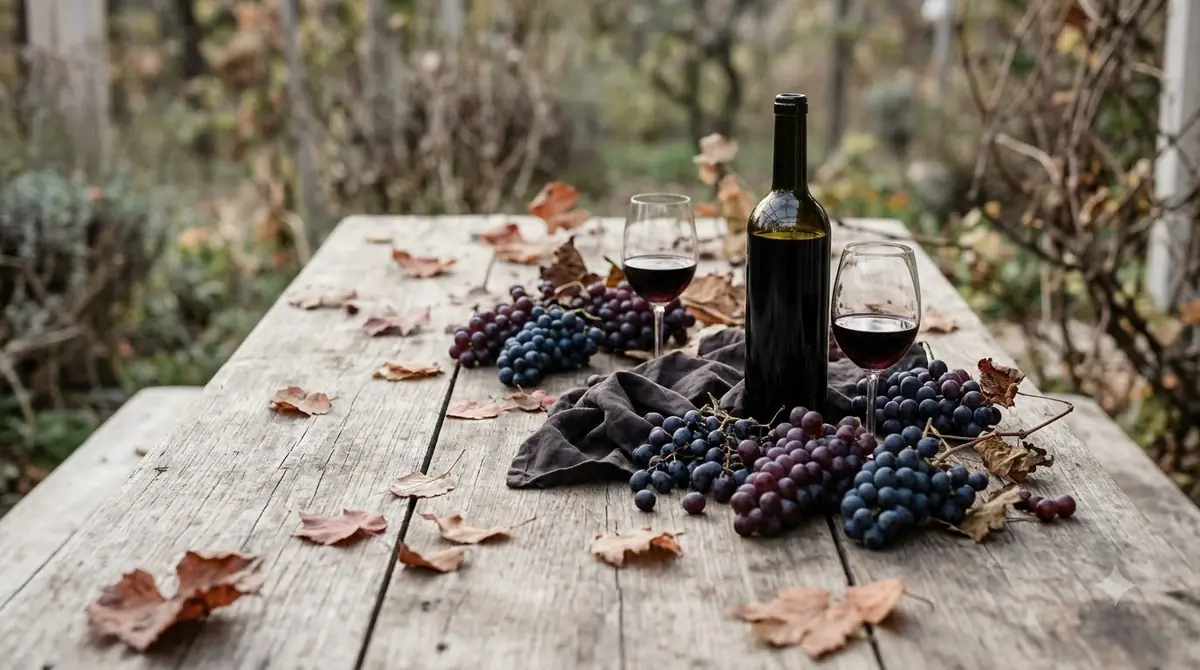
Tempranillo naturally carries moderate sugar and vibrant acidity, which translates into red-toned fruit flavors in youth and savory, earthy complexity as the wine matures. In a classic Rioja, you smell sour cherry, blood orange, dried thyme, and cured tobacco leaf alongside toasted vanilla from barrel aging. Tannins start out moderately firm in young bottlings but turn supple and dusty after years in oak and glass, making aged Rioja remarkably smooth on the finish.
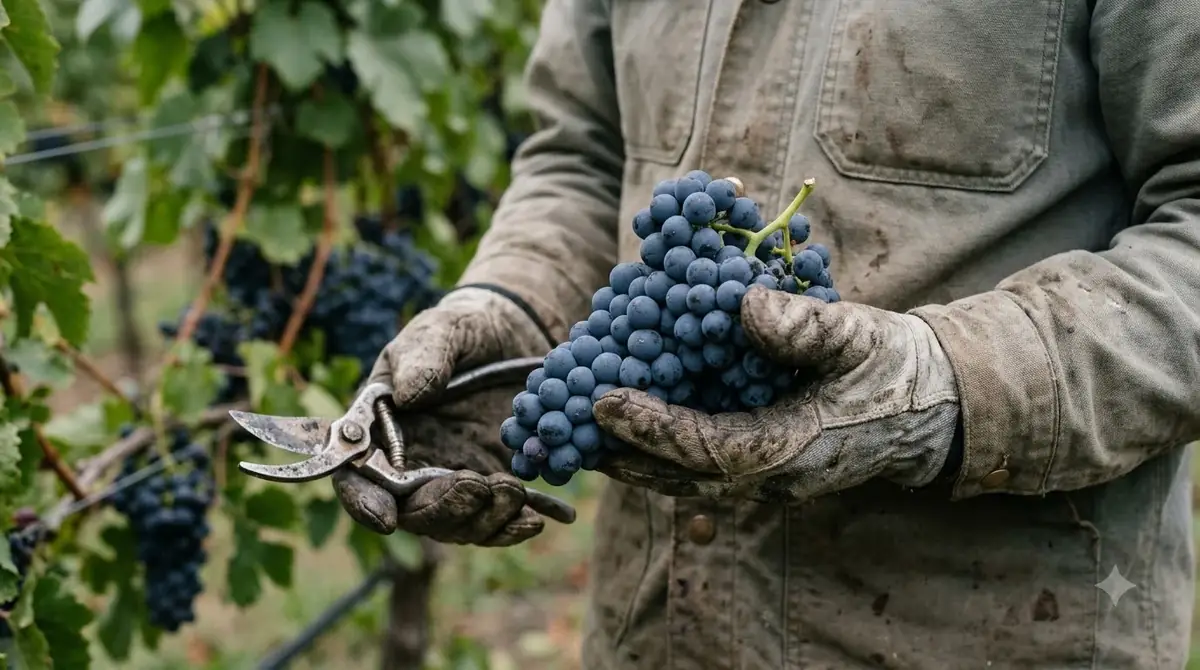
Shiraz produces smaller, thicker-skinned berries that pack deep anthocyanin pigments and higher tannin levels. According to Barossa Australia, traditional dry-grown Barossa Shiraz pours violet to inky black and layers ripe black plum with dark chocolate, licorice, and cracked black pepper. Even when contemporary Australian winemakers harvest earlier for brighter acidity and floral violet aromatics, Shiraz remains noticeably heavier, darker, and more plush than traditional Rioja. Readers who enjoy bold New World reds can also compare shiraz vs zinfandel to see how ripe berry sweetness differs from peppery spice.
Oak Aging Rules: Spanish Tiers vs. Australian Freedom
Rioja enforces strict legal aging minimums printed directly on the bottle, while Australian Shiraz producers choose barrel type and aging duration freely without government tier rules. Knowing how to decode those Spanish aging terms prevents surprises when opening a bottle.
The Four Rioja Aging Tiers
Consejo Regulador DOCa Rioja divides red wines into four regulated aging categories:
- Generic (Joven): Wines aged one to two years with little or no oak contact, preserving fresh strawberry and red cherry fruit.
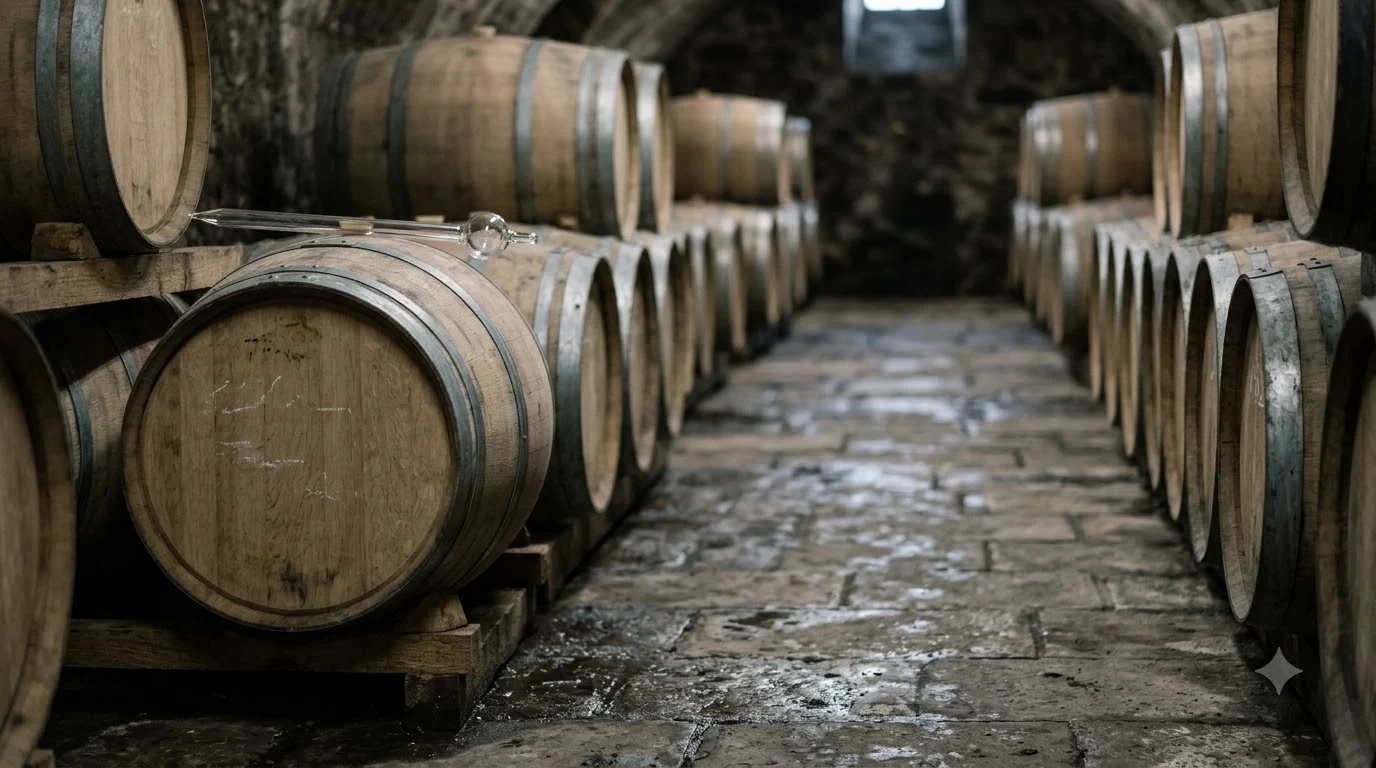
- Crianza: Aged a minimum of 2 years total, including at least 1 year in 225-liter (49.5-gallon) oak barrels, balancing bright cherry fruit with gentle vanilla spice.
- Reserva: Aged at least 3 years total between barrel and bottle, with at least 1 year in oak and a minimum of 6 months in bottle, bringing darker plum, leather, and baking spice.
- Gran Reserva: Produced only in top harvests and aged at least 5 years total, requiring at least 2 years in 225-liter oak barrels plus 2 years in bottle for deep earth, cocoa, and dried-fruit complexity.
How Shiraz Uses Oak
Australian winemakers face no statutory aging clock before releasing Shiraz. Many iconic labels—following the blueprint Penfolds Chief Winemaker Max Schubert established with Grange in the 1950s—mature Shiraz in new or seasoned American oak hogsheads (300-liter barrels) for 12 to 24 months to amplify coconut, vanilla, and mocha richness. Other modern producers favor larger French oak puncheons (500-liter barrels) or neutral barrels to keep blackberry fruit and peppery spice front and center.
Tip: Historically, Rioja winemakers also favored American oak barrels, which explains why both Rioja Reserva and classic Barossa Shiraz can share subtle notes of vanilla, coconut, and sweet baking spice despite having completely different base fruit profiles.
Food Pairing: Matching Rioja and Shiraz to Dinner
Rioja pairs best with roasted lamb, cured meats, and tomato- or herb-based dishes thanks to its high acidity, whereas Shiraz shines alongside smoky barbecue, pepper-crusted ribeye, and rich braised meats. Matching the wine’s acidity and tannin to the weight and seasoning of the plate prevents either the food or the drink from tasting flat.
Because Tempranillo brings zesty natural acidity and savory leather notes, Rioja cuts cleanly through fatty, slow-cooked proteins and bright sauces. Classic regional pairings in northern Spain include roast suckling lamb (lechazo), chorizo tapas, Manchego cheese, and saffron-spiced paella with rabbit or chicken. A Reserva or Gran Reserva also complements wild mushroom risotto and grilled pork tenderloin, where aged tannins soften against savory umami without overpowering delicate herbs.
Shiraz demands bolder char, heavier fat, and sweeter or smokier glazes. Salt and fat soften Shiraz’s firm tannins, making a Barossa Valley bottling an ideal partner for grilled ribeye steak, smoked beef brisket, barbecued pork ribs, and slow-braised short ribs. Watch out for fiery chili heat, though: higher alcohol (often around 14.5% ABV in full-bodied Australian bottlings, per Wine Australia regional guides) and firm tannin amplify capsaicin burn, so mild smoked paprika or cracked black pepper works far better than spicy habanero rubs. If you prefer a lighter red for delicate poultry or salmon, compare pinot noir vs shiraz before opening a full-bodied bottle.
Serving Temperature, Decanting, and Storage
Serve both Rioja and Australian Shiraz slightly below room temperature—around 60°F to 65°F—decanting young full-bodied bottles for 30 to 60 minutes while handling older Gran Reserva bottles gently. Proper temperature keeps alcohol balanced and stops oak spice from turning bitter.
Room temperature in most modern kitchens hovers near 70°F to 72°F, which makes high-alcohol Shiraz taste hot and flattens Rioja’s crisp red-cherry acidity. Placing either bottle in a standard refrigerator for 15 to 20 minutes before pouring brings it down to the ideal 60–65°F serving window. Young, un-oaked Rioja Joven tastes even brighter served slightly cooler at 55–58°F.
Decanting serves two different purposes depending on which bottle is on the table:
- Young Shiraz and Rioja Crianza: Pour into a wide-bottomed decanter for 30 to 60 minutes before dinner so oxygen softens grippy tannins and opens up primary berry and spice aromas.
- Aged Rioja Gran Reserva: Because red Gran Reserva spends at least five years aging before release (including at least two years in oak and two in bottle), according to Consejo Regulador DOCa Rioja, aggressive aeration can fade its delicate dried-flower and cedar bouquet; decant gently just before serving mainly to separate natural sediment.
Pour standard 5-ounce servings—roughly five glasses per 750 ml bottle—and store unopened bottles on their side near 55°F with 50% to 70% humidity so corks stay moist. Once opened, re-cork and refrigerate leftovers; both still reds stay fresh for 3 to 5 days in the fridge.
How to Choose Between Rioja and Shiraz
Pick Rioja when you want higher acidity, savory earth and leather complexity, and a versatile food wine, and pick Shiraz when you want plush dark-berry richness, bold oak spice, and fuller body. Looking at three quick cues—the menu, the season, and bottle age—makes the final decision easy.
- Choose Rioja for tomato sauces, cured meats, and multi-course meals: Its medium-plus body and bright acidity refresh the palate between bites without causing palate fatigue.
- Choose Shiraz for backyard grilling, steakhouse dinners, and cold-weather comfort food: Thick-skinned grapes grown in warm Australian regions like Barossa Valley, where vineyards have produced Shiraz for over 175 years according to Barossa Australia, deliver concentrated plum and chocolate depth that stands up to heavy char.
- Choose Rioja when buying ready-to-drink aged wine: Spanish aging tiers guarantee that Reserva and Gran Reserva bottles arrive with years of cellar maturity already built in, whereas many entry-level Shiraz bottles are released young for immediate fruit power.
Wine drinkers who love the warm red-berry fruit of Rioja’s Garnacha blending grape alongside the peppery weight of Shiraz can also explore grenache vs shiraz to see how those two varieties perform solo and in classic Australian GSM blends.
Frequently Asked Questions
Does Rioja ever contain Shiraz?
No, Shiraz (Syrah) is not among the 14 grape varieties authorized by Consejo Regulador DOCa Rioja. Red Rioja wines must be made from permitted local grapes—primarily Tempranillo, Garnacha, Graciano, Mazuelo, and Maturana Tinta—to carry the Rioja DOCa designation on the label.
Are there white or sparkling versions of Rioja and Shiraz?
Rioja produces white wines using authorized white grapes such as Viura, rosados, and traditional-method sparkling wines aged 15, 24, or 36 months on the lees according to Consejo Regulador DOCa Rioja. Shiraz is strictly a red grape, though Australian wineries occasionally vinify it as a dry rosé or a traditional-method sparkling red wine.
What do municipal names and Viñedo Singular mean on a Rioja label?
Alongside aging tiers like Crianza and Reserva, Consejo Regulador DOCa Rioja allows producers to list one of 144 official municipalities or the Viñedo Singular designation introduced in 2017. Viñedo Singular identifies wine sourced from a single specific vineyard plot with strict yield limits and older vines.
Why do some Australian bottles say Syrah instead of Shiraz?
Although Shiraz and Syrah are genetically identical, Australian winemakers often put Syrah on the label when they harvest earlier or use cooler vineyard sites to produce a lighter, more savory, Rhône-inspired wine. Bottles labeled Shiraz typically signal the classic riper, fuller-bodied style rich in dark plum and chocolate notes.
What is a GSM blend in Australian Shiraz?
GSM stands for Grenache, Shiraz, and Mataro (also known as Mourvèdre), a classic three-grape red blend widely produced in South Australia’s Barossa Valley and McLaren Vale. In these blends, Grenache contributes bright red berry fruit, Shiraz adds mid-palate dark fruit and spice, and Mataro provides earthy structure.
Comparing Rioja and Shiraz comes down to whether your meal calls for Spain’s lively, oak-aged Tempranillo or Australia’s plush, full-bodied dark fruit. Keep a bottle of Rioja Reserva on hand for roasted meats and tapas nights, and reach for a Barossa Shiraz the next time steaks or smoked ribs hit the grill.
More in Wine vs Wine
 Chenin Blanc vs Pinot Gris: Acidity, Body, and Pairing DifferencesUpdated Nov 20, 2026
 Chianti vs Lambrusco: How Tuscany and Emilia-Romagna Reds CompareUpdated Nov 20, 2026
 Chianti vs Primitivo: Key Differences in Taste, Body, and PairingUpdated Nov 20, 2026
 Chianti vs Rioja: Key Differences in Taste, Aging, and PairingUpdated Nov 20, 2026
 Chianti vs Shiraz: How Acidity, Body, and Food Pairings CompareUpdated Nov 20, 2026
 Chianti vs Syrah: Key Differences in Taste, Body, and Food PairingUpdated Nov 20, 2026