

We may earn a commission when you buy through links on this page, at no extra cost to you. Learn more.
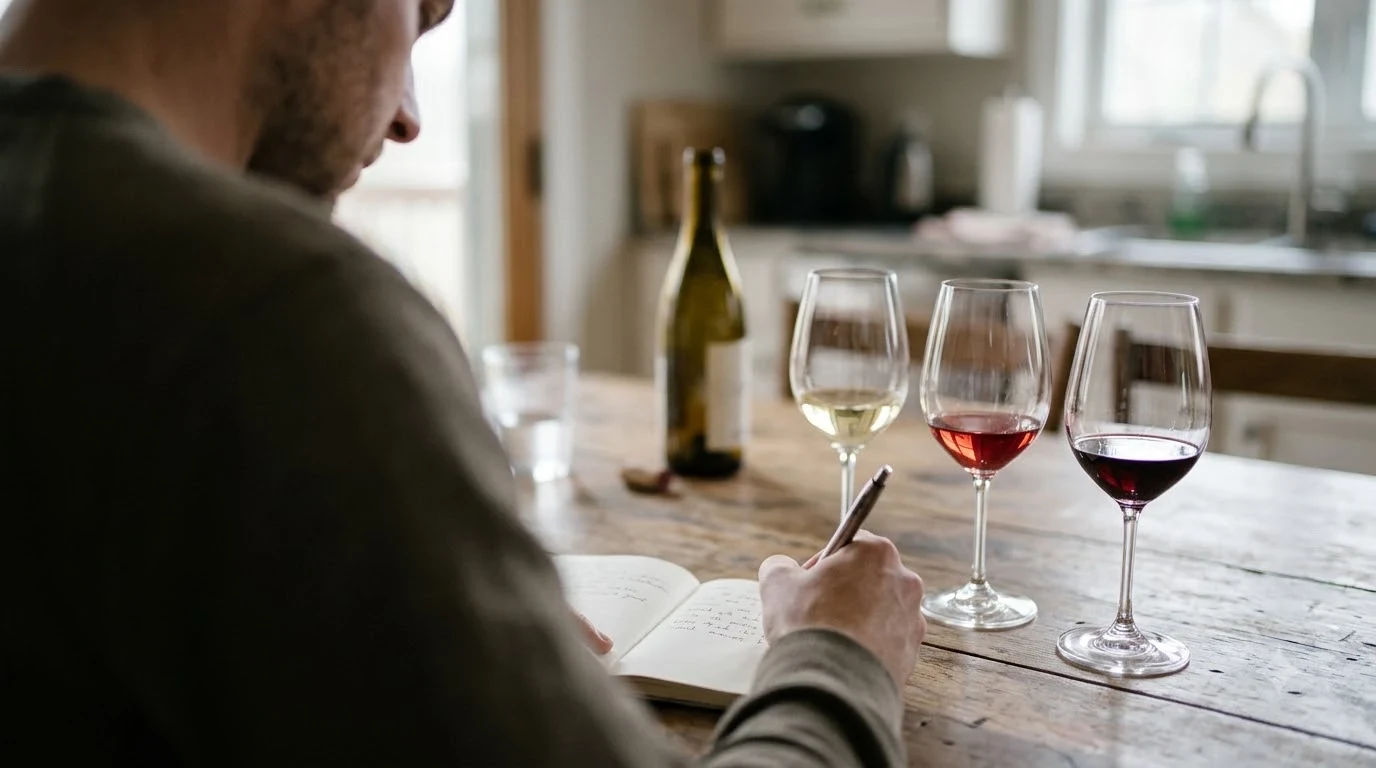
Rioja Tasting Notes typically show red cherry, plum, and savory spice in Tempranillo-led reds, while oak and bottle age can add vanilla, cedar, leather, tobacco, and dried-fruit complexity. Younger examples tend to emphasize fresh fruit and lively acidity; longer-aged wines often trade some primary fruit for more layered aromas and a softer, more integrated texture. The exact balance depends on the grapes, the vineyard area, and the producer’s use of oak.
Rioja is a broad Spanish wine region, not a single flavor profile. A bright Crianza, a mature Gran Reserva, a floral Viura white, and a pale Garnacha rosé can all carry the Rioja name while offering very different aromas and textures. The most useful tasting approach is to identify the fruit first, separate grape character from oak influence, and then use the label’s aging term as context rather than as a guarantee of a particular flavor.
Reading the Core Rioja Flavor Profile
Most red Rioja is built around Tempranillo, a grape that can give the wine a recognizable mix of red and dark fruit, fresh acidity, and moderate-to-firm tannin. Common first impressions include cherry, red plum, blackberry, and currant, followed by notes such as dried herbs, licorice, baking spice, and tobacco as the wine develops.
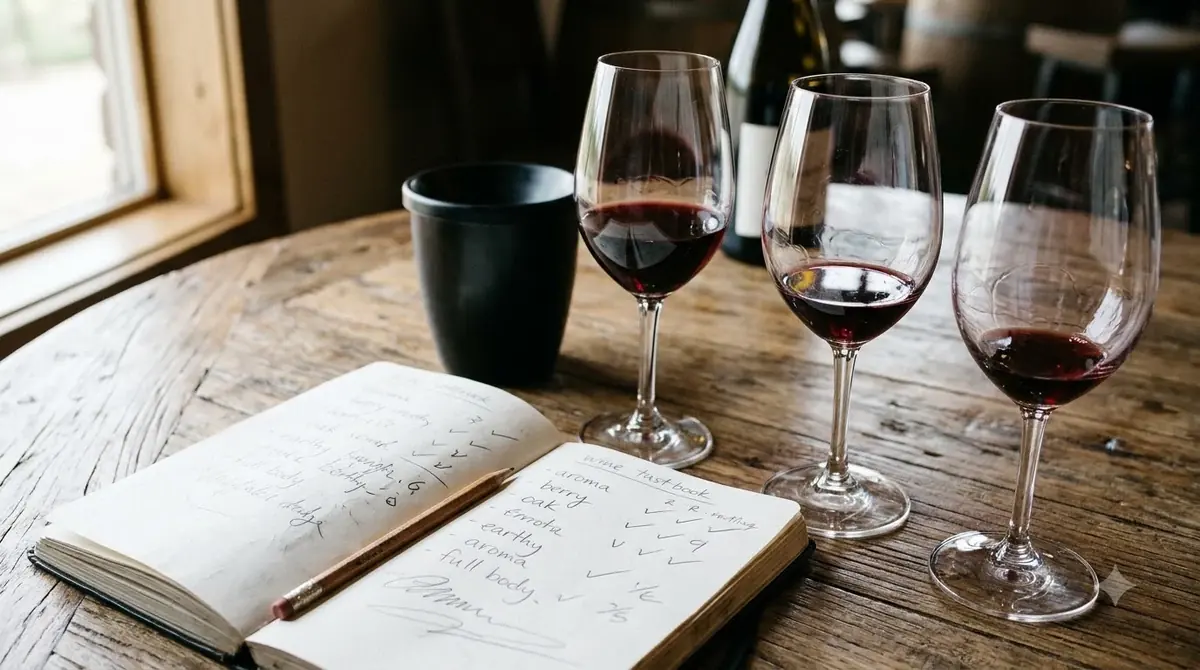
In a younger red, look for fresh cherry, raspberry, and plum before oak aromas take over. The palate often feels medium-bodied, with enough acidity to keep ripe fruit from seeming heavy and tannins that give the wine shape without necessarily making it austere. Some examples lean toward red fruit and herbs; warmer, riper expressions can move toward black plum, blackberry, and a rounder feel. A clean, fruit-led Crianza can therefore taste more direct than the word “aged” might suggest.
With additional time in oak and bottle, the fruit profile often becomes darker or more subdued. Dried cherry, fig, and prune can appear beside cedar, vanilla, clove, leather, forest floor, and cured tobacco. These are not flavorings added to the wine; they are aromas that develop through grape ripeness, fermentation, oxygen exposure, and maturation. A mature Rioja may feel smoother and more savory while retaining fresh acidity. In a tasting note, separate aroma from structure: “cherry and cedar” describes flavor, while “medium body, lively acidity, and moderate tannin” explains how the wine feels.
Tempranillo and the Grapes Behind Rioja
Tempranillo supplies much of Rioja’s red-fruit identity, but traditional blends can include several other authorized varieties that change the wine’s color, acidity, aroma, and structure. The supporting grapes matter: they can make a blend more floral, more savory, rounder, or more firmly structured without erasing the Tempranillo core.
Garnacha, also known as Grenache, commonly brings generous red fruit, warmth, and a softer impression of tannin. In a blend, it can add strawberry, raspberry, ripe cherry, and a peppery or herbal edge. A Garnacha-led Rioja may feel broader and more openly fruity than a Tempranillo-dominant bottling. Readers comparing the grape across regions can also use these grenache tasting notes to recognize which aromas come from the variety rather than from Rioja’s aging regime.
Graciano is valued for fresh acidity, color, and aromatic lift, and can contribute darker fruit, floral notes, and a firmer outline. Mazuelo, known elsewhere as Cariñena or Carignan, adds acidity, tannin, and color; Maturana Tinta is another authorized red variety. Rioja’s regulatory council lists all five, including Tempranillo and Garnacha Tinta, among the red grapes used in the region. Its official account of Rioja red-wine production explains how blending can balance acidity, tannin, and body.
Oak Aging and the Crianza-to-Gran-Reserva Ladder
Rioja’s familiar Crianza, Reserva, and Gran Reserva terms refer to minimum aging periods, not simply to a producer’s rating of quality. For red wines, each step requires more time before release, with oak and bottle maturation contributing different kinds of aroma and texture.
Traditional Rioja aging uses 225-liter oak barrels, which allow slow oxygen exchange and can contribute notes of vanilla, toast, cedar, clove, and spice. American oak is often associated with more pronounced vanilla and coconut-like tones, while French oak can seem subtler and more tightly woven into the fruit. Producers can also use different barrel ages and blends of oak origins, so the intensity of oak aroma varies. The Rioja control board explains that barrel aging can soften tannins and integrate flavors, while bottle aging helps the wine’s components come together.
| Red Rioja category | Minimum total aging | Minimum oak aging | Minimum bottle aging |
|---|---|---|---|
| Crianza | 2 years | 1 year | No separate minimum stated |
| Reserva | 3 years | 1 year | 6 months |
| Gran Reserva | 5 years | 2 years | 2 years |
These are minimums for red Rioja, not tasting guarantees. Wine Enthusiast’s Rioja overview describes Crianza with cherry, plum, and vanilla; Reserva with darker fruit, tobacco, and baking spice; and Gran Reserva with dried fruit, earth, toast, and coffee. Vintage, storage, and producer choices can create overlap between the categories.
Tip: Taste two reds side by side, such as a Crianza and a Reserva, at the same temperature. Note the fruit before the oak, then compare the finish; this makes the effect of longer maturation easier to recognize than tasting either wine in isolation.
Do not assume Gran Reserva automatically means “best” for every meal or preference. A lively Crianza may be the better match for grilled vegetables or a weeknight tomato-based dish, while the savory detail of a mature Reserva or Gran Reserva can suit slow-cooked meat. The most reliable clues are balance, condition, and whether the wine’s flavors fit the food, not the length of the aging term alone.
How Rioja’s Three Subregions Shape the Glass
Rioja’s broad profile is shaped by three main growing areas: Rioja Alta, Rioja Alavesa, and Rioja Oriental. Their positions around the Ebro River valley, along with differences in elevation and climate, help explain why one Rioja can taste brisk and lifted while another seems riper and rounder.
Rioja Alta lies west of Logroño and extends toward the foothills of the Sierra de Cantabria. VinePair describes this area as more hilly, with poorer soils than the lower eastern part of the valley. In the glass, wines from cooler or higher-elevation sites can show firmer acidity, red-fruit definition, and a more restrained profile, although vineyard exposure and producer decisions matter as much as the broad area name.
Rioja Alavesa sits around the Ebro valley and reaches into Álava in the Basque Country. It shares a foothill setting with Rioja Alta, while Rioja Oriental, formerly widely called Rioja Baja, lies farther east and southeast, where the valley becomes lower and warmer toward the Mediterranean. Riper fruit, a broader palate, and more generous alcohol can occur in the warmer eastern area, particularly in Garnacha-based wines.
These descriptions are tendencies, not rigid rules. A high-elevation site in Rioja Oriental may produce a fresher wine than a warmer pocket in Rioja Alta, and a winemaker can emphasize fruit, oak, or texture through harvest decisions and cellar work. Look for the named zone, village, or vineyard on a label when you want a more precise sense of origin. For an especially specific place claim, Rioja’s “Viñedo Singular” designation identifies a delimited vineyard site with additional production and tasting requirements.
White, Rosé, and Sparkling Rioja
Rioja is best known for red wine, but its white, rosé, and sparkling bottlings offer distinct tasting profiles. They can be crisp and floral, lightly textured and citrus-driven, or more layered after fermentation or maturation in oak.
Viura, also called Macabeo, is the leading white grape in Rioja. Young Rioja Blanco can show lemon, green apple, pear, white flowers, and a saline or gently herbal edge, with lively acidity keeping the finish clean. Oak-fermented or oak-aged whites can gain weight and show baked apple, almond, cream, toast, and spice while retaining a fresh line. Producers may present Viura as a crisp, aromatic dry wine or give it greater texture through barrel fermentation and aging.
Rioja rosado is often made from red varieties such as Garnacha and Tempranillo. Pale examples can smell of strawberry, watermelon, pink grapefruit, and citrus peel, with a dry finish and refreshing acidity; deeper styles may show more ripe red fruit and savory herb. These wines are useful at the table because they combine red-fruit character with the livelier feel of a rosé. For a crisp French white-wine comparison, these sancerre tasting notes help show how Sauvignon Blanc’s citrus, green-herb, and mineral cues differ from Viura’s apple, pear, and floral notes.
Rioja also produces traditional-method sparkling wine. These wines may use local varieties and can range from citrus- and orchard-fruit driven to more mature styles with bread dough, toast, and almond aromas. A sparkling Rioja is a useful reminder that the region’s identity is not limited to oak-aged red wine; acidity, lees contact, grape choice, and bottle maturation can create a very different expression under the same regional name.
Serving Rioja and Pairing It With Food
Serving temperature changes how Rioja’s fruit, acidity, alcohol, and tannin are perceived. A modest chill can keep young reds lively, while mature reds usually show more detail when they are cool rather than cold.
Serve a lighter, fruit-forward red Rioja around 55–60°F, and a fuller or more mature red around 60–65°F. If a bottle feels warm or alcoholic, a short spell in the refrigerator can make the fruit seem fresher and the alcohol less prominent. Full-bodied white Rioja is best around 50–55°F, while lighter whites and rosés generally show well at 45–50°F. Sparkling Rioja is best served colder, around 40–50°F. A standard 5-ounce pour gives room to swirl and compare aromas without warming the wine too quickly.
Match Rioja’s structure to the food. Tempranillo’s acidity and moderate-to-firm tannin work well with roast pork, lamb, grilled sausages, mushroom dishes, and tomato-based stews. Salt and fat soften the impression of tannin, so cured ham, Manchego, charred steak, and slow-braised beef can make a structured red feel more balanced. A younger Crianza suits burgers, roasted peppers, or grilled chicken, while Reserva works with lamb shoulder or braised short ribs. Choose white Rioja for seafood, roast chicken, vegetables, or tapas with olive oil and herbs; its acidity refreshes the palate after oily or salty foods. Strongly tannic reds are a poor match for delicate oily fish, and high-alcohol reds can intensify chile heat. Rosado can bridge grilled shrimp, tomato salads, and charcuterie.
After opening, keep still Rioja in the refrigerator and use it within about 3–5 days. Store unopened bottles on their side in a steady, dark place near 55°F. Young, full-bodied reds may benefit from 30–60 minutes in a decanter, while mature bottles often need only a gentle pour. A 750-milliliter bottle yields about five standard 5-ounce glasses. Build a tasting flight with a young red, a Reserva, and a white or rosé; the broader Wine by Type guide can help place Rioja alongside other grapes and regions.
Frequently Asked Questions
These quick answers add label details beyond the main tasting profiles, from the 35-year vine minimum for Viñedo Singular to Viura’s role in Rioja Blanco and the bottle fermentation behind Rioja sparkling wine.
What does Viñedo Singular mean on a Rioja label?
Viñedo Singular identifies a specifically delimited vineyard site rather than a broad regional blend. The vines must be at least 35 years old, the grapes must be hand-harvested, and production, aging, storage, and bottling must take place at the same winery. The wine also undergoes two qualitative tastings, with the second required to rate it excellent.
Can Rioja red wine include white grapes?
Yes. Rioja’s regulatory council permits up to 15% white varieties in red-wine production. That allowance does not mean every red Rioja contains white grapes; many are made entirely from authorized red varieties such as Tempranillo, Garnacha Tinta, Graciano, Mazuelo, and Maturana Tinta.
Is Viura the only grape used in Rioja Blanco?
No. Rioja Blanco can also include Tempranillo Blanco, Malvasía, Garnacha Blanca, Maturana Blanca, and other authorized white varieties. Wine Enthusiast notes that Rioja Blanco blends must contain at least 51% Viura, while the supporting grapes can add herbaceousness, body, or aromatic detail.
Does Rioja make traditional-method sparkling wine?
Yes. Rioja’s Espumoso wines are made by the traditional method, with the second fermentation taking place in the bottle. The official categories include a minimum of 15 months of bottle aging for Espumoso Genérico, 24 months for Espumoso Reserva, and 36 months for Espumoso Gran Añada; sparkling rosé must contain at least 25% red grapes.
What yield limits apply to Viñedo Singular Rioja?
The maximum permitted grape production is 5,000 kilograms per hectare for red varieties and 6,922 kilograms per hectare for white varieties. The maximum processing yield is 65%, which limits the volume of wine that can be obtained from the harvested grapes.
Rioja tasting is easiest when fruit, oak, acidity, and age are considered separately before forming an overall impression. Start with a Tempranillo-based Crianza, compare it with a Reserva, and then try a Viura white or Garnacha rosé to understand the region’s range. The label gives useful context, but the glass provides the final answer.
More in Wine Types & Grapes
 What Does Mourvèdre Taste Like? Flavor Profile, Regions, and PairingsUpdated Nov 20, 2026
 What Does Marsanne Taste Like? Flavors, Styles, and Food PairingsUpdated Nov 20, 2026
 What Does Malvasia Taste Like? Styles, Flavors, and Food PairingsUpdated Nov 20, 2026
 What Does Grenache Blanc Taste Like? Flavor Profile, Styles, and PairingsUpdated Nov 20, 2026
 What Does Garnacha Taste Like? Key Flavors, Styles, and Pairing TipsUpdated Nov 20, 2026
 What Does Fruit Wine Taste Like? A Complete Flavor and Style BreakdownUpdated Nov 20, 2026