

We may earn a commission when you buy through links on this page, at no extra cost to you. Learn more.
Ridge Monte Bello wine is a Cabernet Sauvignon-led red from a single vineyard on Monte Bello Ridge in the Santa Cruz Mountains, first sold as a commercial wine in 1962. The estate’s vines date to 1885, and the blend usually includes Merlot and Petit Verdot, with Cabernet Franc in some years. This guide covers where the vineyard sits, how the wine developed its reputation, and how to serve and pair it.
Monte Bello is one of the best-known names in California red wine, and it is also one of the most discussed. Collectors, sommeliers, and casual drinkers often ask the same questions: what is in the bottle, why it costs what it does, and whether it is worth opening young. This page answers those questions using the winery’s own materials and reference articles, without relying on tasting claims that cannot be verified.
Where the Monte Bello vineyard sits
The Monte Bello vineyard sits on a ridge at about 2,300 feet in unincorporated Santa Clara County, in the Santa Cruz Mountains American Viticultural Area. It lies south of Los Altos and west of Cupertino. The elevation and the mountain setting matter because they give the vineyard a different climate from the flatter valley floor, with cooler nights and soils that drain differently.
The winery’s website describes the company as offering exceptional single-vineyard wines since 1962, and it lists Monte Bello alongside its other estates in Lytton Springs and Paso Robles. That single-vineyard approach is central to the brand. Rather than blending fruit from many sources, Ridge builds its reputation on the character of individual sites.
A short history of the wine
Grapevines were planted on Monte Bello Ridge in 1885, and the first Monte Bello wine was made in 1892. The land changed hands over the twentieth century. Engineers at the Stanford Research Institute bought the site in 1959, and Ridge released its first commercial wine, a Monte Bello Cabernet Sauvignon, in 1962.
Ridge expanded beyond the ridge in the following decades. It produced its first Zinfandel in 1964, began sourcing Sonoma County grapes in 1966, and bought the Lytton Springs vineyard in 1991. Those additions gave the winery two distinct identities: the mountain Cabernet of Monte Bello and the Zinfandel-led wines from Sonoma.
Paul Draper led winemaking from 1971 and retired as chief executive and head winemaker in 2016, staying on as chairman of the board. His tenure is often cited as the period when the Monte Bello style became widely recognized in the American wine press.
What the blend is made of
The signature Monte Bello wine is a field blend of Cabernet Sauvignon with other grapes grown on the same site. Reference articles usually list Merlot and Petit Verdot, and sometimes Cabernet Franc. Because the vineyard is planted as a mix, the final wine is shaped by how each grape ripens in a given year, and the blend ratio can shift from one vintage to the next.
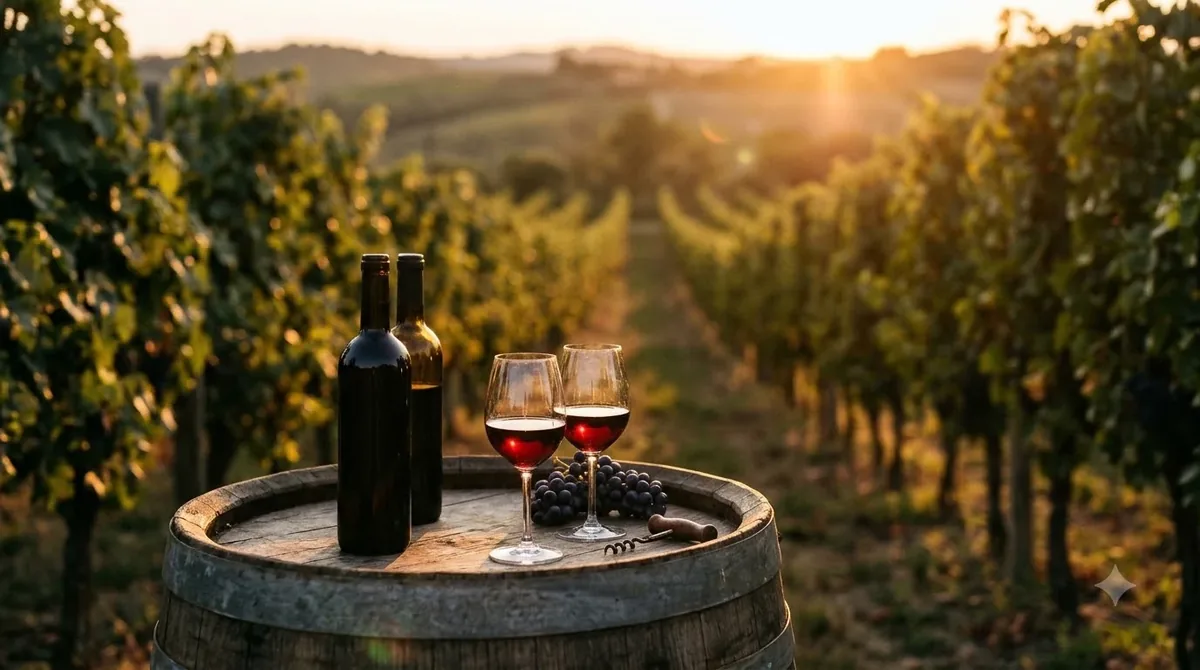
That mix explains the wine’s structure. Cabernet Sauvignon gives the frame and the tannin, Merlot can soften the edges, and smaller amounts of Petit Verdot or Cabernet Franc add color and aromatic lift. Readers who want a simpler introduction to Cabernet can compare this with the Austin Hope red wine range, which shows another California approach to red blends.
| Feature | Monte Bello detail |
|---|---|
| Location | Monte Bello Ridge, Santa Cruz Mountains AVA |
| Elevation | About 2,300 feet |
| Main grape | Cabernet Sauvignon |
| Other grapes | Merlot, Petit Verdot, sometimes Cabernet Franc |
| First commercial release | 1962 |
Recognition and reputation
The wine’s reputation rests on a few well-documented moments. The 1971 Monte Bello Cabernet Sauvignon placed fifth at the 1976 Judgment of Paris tasting, which pitted it against nine other French and California wines. Years later, judges in a retasting ranked Monte Bello first among the wines in that comparison, a result that gave the bottle a second round of attention.
Recognition like this helps explain why collectors pay attention to the brand, but it is not a guarantee of how any single bottle will taste. Vintage conditions, bottle storage, and age all change the experience. Buyers should read the producer’s notes for each release and compare them with independent reviews before deciding.
Lytton Springs and the wider Ridge range
Ridge is not only about Monte Bello. The Lytton Springs vineyard in Sonoma County’s Dry Creek Valley supplies Zinfandel-based blends that are often easier to find and more approachable for newcomers. Ridge’s website lists visitable estates at Monte Bello, Lytton Springs, and Paso Robles, and its collections include Cabernet, Zinfandel, and Rhône-style wines.
For many drinkers, that wider range is a good way to learn the house style before committing to the Monte Bello bottle. Comparing a Zinfandel with a Cabernet from the same producer shows how the winery treats fruit from different sites.
How to serve and pair Monte Bello
Serve the wine at a temperature slightly below room temperature rather than warm, and open it ahead of the meal if the bottle is young and firm. Decanting can help a young red show more of its aroma, and a slower pour gives the wine time to settle. Monte Bello is built for food, so it does best alongside dishes with fat and protein, such as braised beef, roast lamb, or aged hard cheeses.
- Pair it with grilled steak or a rich stew for a classic match.
- Try it with aged cheddar or Gouda if you want a simpler pairing.
- Give it time in the glass before judging the aroma.
Tip: If you are buying a bottle to open soon, compare it with a younger Cabernet from the same winery. The difference in structure tells you how much time the Monte Bello style needs in the cellar.
Who Monte Bello suits
Monte Bello suits readers who already know Cabernet Sauvignon and want to explore a site-driven California red. It is a strong choice for a serious dinner or a special occasion, where the wine’s history can be part of the conversation. Drinkers who prefer light, quick-drinking reds may find the style too firm when young, and those on a tight budget may prefer the winery’s Lytton Springs or Zinfandel bottlings as an entry point.
Buying and storing a Monte Bello bottle
Because Monte Bello is a firm, structured red, many buyers purchase it with the intention of opening it years later. Storage matters more than any single rule. Keep bottles on their side, away from heat, light, and vibration, and at a steady cool temperature. Check the vintage and any producer notes for guidance on when to drink, and compare the bottle’s age with its style before deciding when to open it.
Shoppers should also read the label for the vineyard name, the vintage, and whether the bottle is a single-vineyard release. That detail helps you separate the Monte Bello bottling from other Ridge wines, which can share a similar name on store shelves. If you plan to drink a bottle soon, a younger Cabernet from the same winery can give you a useful preview of the house character.
Frequently Asked Questions
What grapes are in Ridge Monte Bello wine?
The signature wine is a field blend led by Cabernet Sauvignon, with Merlot and Petit Verdot commonly listed as partners and Cabernet Franc in some years.
Where is the Monte Bello vineyard?
It sits on Monte Bello Ridge at about 2,300 feet in the Santa Cruz Mountains, south of Los Altos and west of Cupertino.
When did Ridge first sell Monte Bello?
Ridge released its first commercial Monte Bello Cabernet Sauvignon in 1962, although grapevines were planted on the ridge in 1885.
Should Monte Bello be decanted?
Decanting often helps a young Cabernet-based red open up. Older bottles may need a gentler approach, so taste and adjust rather than follow a fixed rule.
Ridge Monte Bello rewards patience, careful serving, and a good meal. To read the producer’s own account of its estates and collections, visit the Ridge Vineyards website. For a broader view of how wineries in this category differ, the wine brands guide is a practical next stop.
More in Wine Brands
 Underwood Wine Price: Compare Bottles, Cans, and Pack SizesUpdated Nov 21, 2026
 Zenato Wine Price: Compare Styles and Choose the Right BottleUpdated Nov 21, 2026
 Zuccardi Wine Price: Compare Bottles and Find the Right RangeUpdated Nov 21, 2026
 Yellow Tail Moscato Review: Taste, Sweetness and Serving TipsUpdated Nov 21, 2026
 Wolf Blass Yellow Label Review: Choose Your Best StyleUpdated Nov 21, 2026
 Wolffer Estate Rose Review: Choose the Right Bottle for Your TableUpdated Nov 21, 2026