

We may earn a commission when you buy through links on this page, at no extra cost to you. Learn more.
The best restaurant wine fridge depends on your dining room footprint, bottle turnover, and whether you store wine for aging or pull bottles straight to tables at serving temperature. High-capacity dual-zone upright cabinets work best for full-service dining rooms pouring reds and whites simultaneously, while front-venting undercounter coolers fit tight bar stations without wasting floor space. Operators focused on long-term cellar aging or sparkling wine programs should look toward single-zone storage vaults or wide-shelf units built for oversized bottles.
Unlike residential beverage coolers, commercial wine cabinets face constant door openings, warm kitchen ambient air, and tight service windows where a bottle five degrees too warm ruins a pairing. Choosing the right configuration keeps labels visible, protects corks from vibration and dry air, and prevents bottlenecks during peak dinner hours.
Quick Comparison
Different restaurant layouts and beverage programs call for distinct cooling architectures, capacities, and shelving styles.
| Wine Fridge Type | Best Application | Temperature Zones | Ventilation & Placement | Key Advantage |
|---|---|---|---|---|
| High-Capacity Dual-Zone Upright | Full-service dining rooms with active red and white lists | Dual zone (45–50°F and 55–65°F) | Front-venting; built-in or freestanding | Serves reds and whites at table-ready temperatures from one cabinet |
| Front-Venting Undercounter Cooler | Bar stations, sommelier pass-throughs, and tight footprints | Single or dual zone | Front-venting; under-bar flush install | Fits standard 24-inch counter cutouts without rear clearance |
| Label-Forward Display Cabinet | Dining room showpieces and guest-facing wine walls | Single or dual zone | Front-venting; freestanding or recessed | Cradles bottles horizontally with labels facing outward for fast picks |
| Single-Zone High-Capacity Storage Vault | Long-term aging and back-of-house cellar reserves | Single zone (around 55°F) | Freestanding or back-of-house utility area | Maximizes bottle density and temperature stability for aging |
| Wide-Shelf & Upright-Storage Cooler | Champagne programs, Pinot Noir lists, and by-the-glass pours | Single or dual zone | Built-in or freestanding | Accommodates wider Burgundy/Champagne bottles and open bottles upright |
Best for Full-Service Dining Rooms: High-Capacity Dual-Zone Upright Cabinets
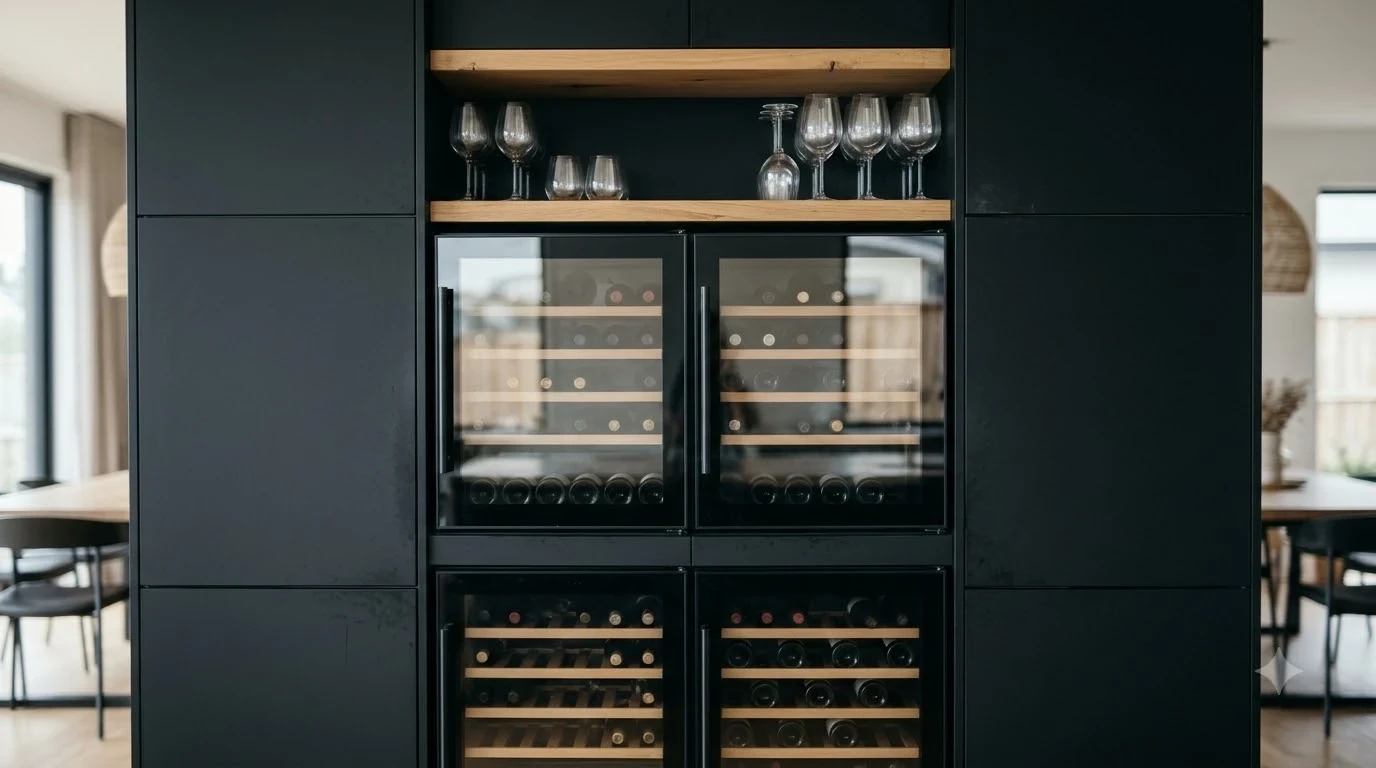
Full-height dual-zone cabinets give busy dining rooms separate, independently controlled compartments so servers can pull chilled whites and cellar-temperature reds from a single footprint.
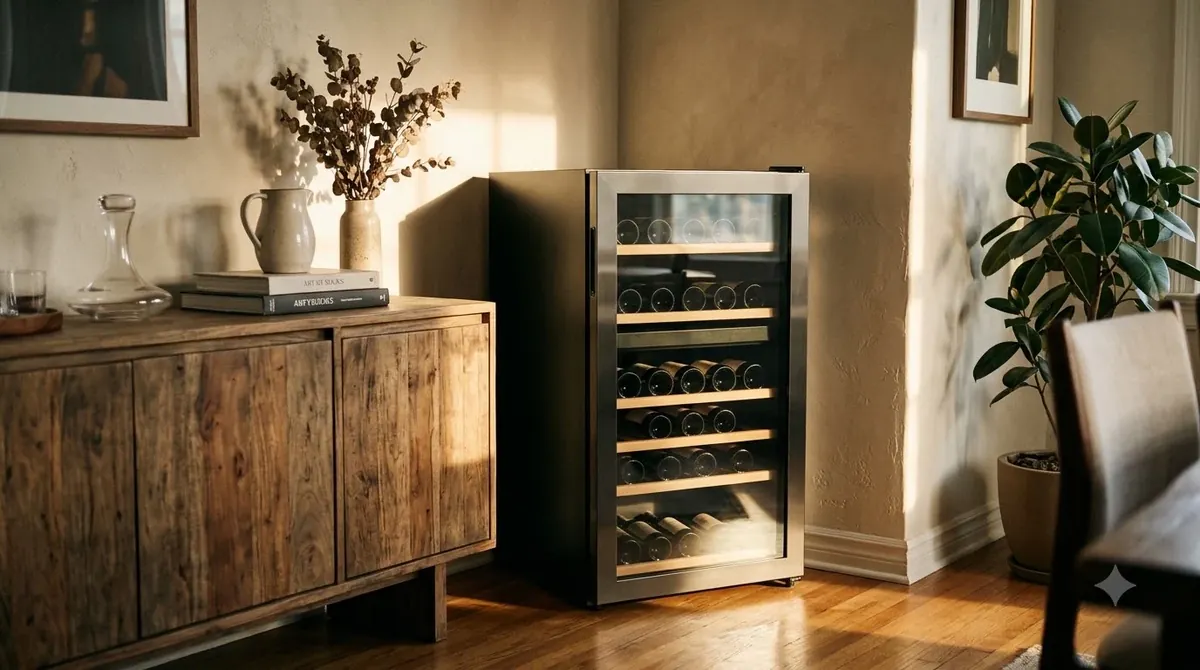
Why it stands out: According to Wine Enthusiast’s wine fridge buying guide, dual-zone units let operators hold white wines at 45–50°F while keeping red wines at 55–65°F simultaneously. Commercial-grade upright cabinets pair high-efficiency inverter compressors with triple-pane UV-resistant glass doors, allowing cabinets to hold steady internal temperatures even when dining room ambient temperatures climb during a packed Saturday service. Many full-size upright units also include lockable casters and door locks to secure high-margin allocations.
Keep in mind: Stated bottle counts on commercial cabinets almost always assume standard 750 mL Bordeaux bottles, so real-world capacity drops once you load wider Pinot Noir, Rhône, or sparkling bottles. Verify door-swing direction and hallway clearance before delivery, and check whether your floor plan benefits from a wine fridge sideboard arrangement near a server station. Best for: Restaurants with active by-the-bottle programs that need 150 to 300+ bottles staged at immediate serving temperatures.
Best for Tight Bar Stations: Front-Venting Undercounter Wine Coolers
Front-venting undercounter coolers slide directly beneath standard bar counters or service islands, exhausting warm air through a toe-kick grille so you never lose valuable aisle space.
Why it stands out: Standard freestanding coolers require several inches of rear and side clearance to dissipate heat, which makes them hazardous to build into millwork. Front-venting models draw and exhaust air entirely from the front panel, enabling flush installation next to ice wells, glasswashers, or point-of-sale terminals. Sliding wooden racks cushion bottles against bar-top vibrations while letting bartenders read neck tags without pulling bottles halfway out.
Keep in mind: Undercounter cabinets typically hold between 40 and 55 standard bottles, which means high-volume venues will still need back-of-house backup storage for restocking between shifts. If your bar program mixes craft cans alongside wine, pairing a dedicated wine unit with a wine and beer fridge keeps beer at near-freezing temperatures without over-chilling delicate whites. Best for: Cocktail bars, tasting counters, and compact bistros where every square foot behind the bar generates revenue.
Best for Guest-Facing Dining Rooms: Label-Forward Display Cabinets
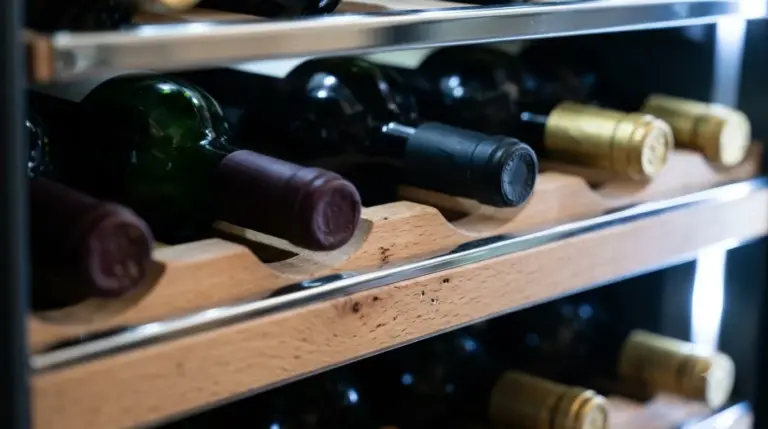
Label-forward cabinets orient bottles parallel to the glass door rather than neck-out, turning your wine inventory into a visual menu that speeds up staff selection.
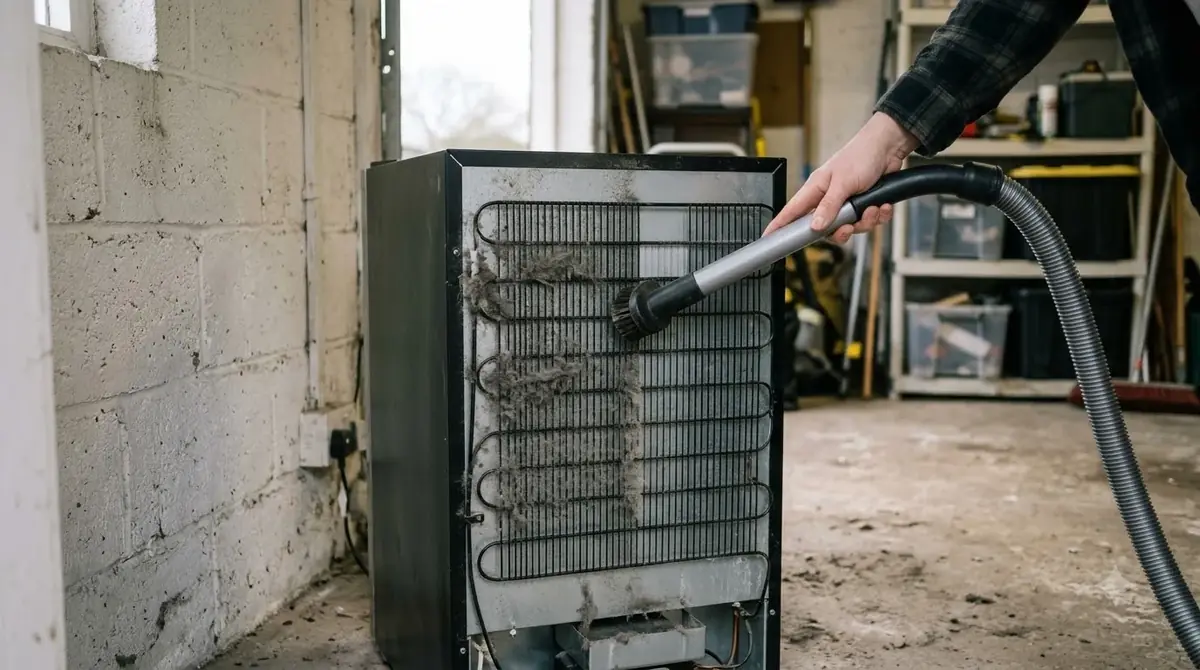
Why it stands out: Reviewers at Wine Enthusiast highlight label-forward shelving for eliminating the friction of hunting through dark racks during rush periods. Staff can spot a specific producer or vintage at a glance without holding the door open and dumping cold air into the dining room. Soft interior LED lighting illuminates labels without emitting heat or harmful ultraviolet rays, while inverter compressors keep operating noise low enough for quiet dining rooms.
Keep in mind: Because bottles rest sideways across wide display cradles, label-forward cabinets generally store slightly fewer bottles per cubic foot than traditional neck-out racking. Wipe down glass doors daily to clear fingerprints, and avoid placing the cabinet near sunny front windows where direct afternoon glare can stress the cooling system. Best for: Upscale dining rooms, wine bars, and open-kitchen concepts where visible bottle presentation drives tableside sales.
Best for Back-of-House Cellaring: Single-Zone High-Capacity Storage Vaults
Single-zone storage vaults maintain one uniform temperature—typically 55°F—across the entire interior, creating stable cellar conditions for holding vintage allocations and case buys.
Why it stands out: Wine Enthusiast’s storage specialists note that single-zone cooling eliminates the thermal boundary between upper and lower compartments, yielding superior temperature consistency for wines resting for months or years. Solid insulated doors on back-of-house vaults block light completely and resist temperature swings in hot prep hallways or storage rooms rated up to 100°F ambient temperature. With fewer partition walls inside, these cabinets pack maximum bottle count into a narrow footprint.
Keep in mind: Bottles stored at 55°F will need 20 to 30 minutes in an ice bucket or a stint in a service cooler before pouring crisp whites or sparkling wines for guests. Solid-door units also lack visual inventory checks, so an organized bin-labeling system is essential for fast restocking. Best for: Steakhouse cellars, fine-dining programs building vintage depth, and operators buying wine by the pallet.
Best for Champagne and By-the-Glass Lists: Wide-Shelf & Upright-Storage Coolers
Coolers built with wide shelf spacing and dedicated upright racks handle oversized sparkling bottles and opened by-the-glass inventory without torn labels or leaked wine.
Why it stands out: Standard racks spaced tightly for slim Bordeaux bottles often scrape labels or jam when loaded with wide-shouldered Napa Cabernets, Burgundy bottles, or Champagne magnums. Units engineered with generous four-inch shelf spacing and adjustable or removable racks accommodate varied bottle geometries effortlessly. Select models also incorporate vertical storage zones that keep opened bottles upright after dinner service, preventing cork leaks when preserving unfinished inventory overnight—especially helpful when tracking how many glasses in a bottle of wine your team pours per shift.
Keep in mind: Removing shelves to fit magnums or upright bottles reduces total bottle capacity, so factor that loss into your par levels before ordering. Make sure any upright section sits in the colder zone if you pour chilled sparkling or white wines by the glass. Best for: Champagne lounges, sommelier-driven wine bars, and restaurants with extensive by-the-glass menus.
How to Choose
Matching a commercial wine cabinet to your service workflow prevents premature compressor failure and protects wine quality across busy seasons. Review these core specifications—alongside our breakdown of essential Specs & Features—before finalizing your kitchen equipment order:
- Cooling Technology: Choose compressor-cooled units over thermoelectric models for any restaurant setting. Thermoelectric coolers struggle in warm commercial environments and lack the cooling power for large bottle loads, whereas inverter compressors handle frequent door openings and higher ambient room temperatures reliably.
- Single-Zone vs. Dual-Zone Control: Pick single-zone storage if you are aging inventory at 55°F or dedicating separate fridges to reds and whites. Opt for dual-zone control when a single cabinet must hold both chilled whites (45–50°F) and ready-to-pour reds (55–65°F).
- Ambient Temperature Rating: Kitchens and busy dining rooms run warmer than residential living spaces. Verify the manufacturer’s maximum ambient operating rating—commercial-grade cabinets often operate reliably in rooms up to 100°F or 109°F.
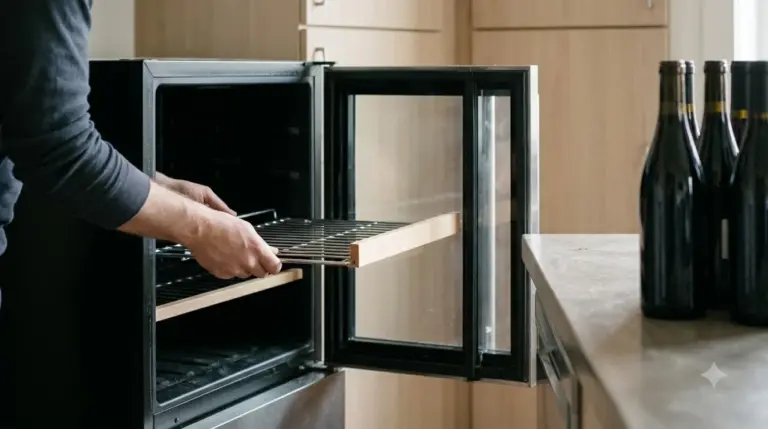
- Shelving and Bottle Geometry: Check shelf spacing and weight ratings if your wine list leans heavily on Pinot Noir, Syrah, or sparkling wines. Smooth-gliding beechwood or coated steel shelves with vibration dampening protect aging sediment and prevent label damage.
- Noise Level and Door Protection: For dining room installations, look for compressor ratings around 40 decibels or lower so hum never intrudes on table conversation. Triple-pane UV-tinted glass, activated charcoal odor filters, and integrated cylinder locks add crucial protection in guest-accessible areas.
Tip: Always order at least 20 to 30 percent more bottle capacity than your current wine list requires—once you account for wider Burgundy and Champagne bottles, real-world capacity routinely drops by a quarter compared to standard Bordeaux specs.
Frequently Asked Questions
Can a restaurant use a residential wine fridge instead of a commercial model?
Residential wine coolers rarely survive commercial service because their compressors are not built for dozens of door openings per hour or warm kitchen ambient temperatures. Commercial-rated units feature heavier-duty inverter compressors, thicker insulation, lockable doors, and warranties that remain valid in business environments.
What temperature should a restaurant wine fridge be set to?
For long-term storage of all wine styles, set a single-zone cabinet to 55°F with moderate humidity to keep corks from drying out. If you are pulling bottles straight to dining tables from a dual-zone cabinet, set the white and sparkling zone between 45°F and 50°F and the red zone between 55°F and 65°F.
How much clearance does a built-in restaurant wine fridge need?
Front-venting built-in models typically require less than an inch of clearance on the sides and top because air enters and exits through the front toe-kick grille. Freestanding cabinets, by contrast, vent from the rear or sides and need two to three inches of open air space around the cabinet to prevent overheating.
Why is a standard reach-in kitchen refrigerator bad for storing wine?
Standard commercial refrigerators run around 38°F to 40°F and actively strip humidity from the interior, which dries out natural corks and mutes wine aromas. They also produce heavy compressor vibrations and store food odors that can taint wine through the cork over time.
Selecting the right commercial wine cooler comes down to separating your immediate table-service needs from your back-of-house cellar storage. Measure your exact cutout and door-swing clearances first, account for wider bottle shapes in your par counts, and prioritize front-venting compressor models built to handle real dining room heat.
More in Wine Fridge Features
 Best Wine Fridge Bar Cabinet Setups for a Better Home BarUpdated Nov 20, 2026
 Wine Fridge for Champagne Bottles: Sizes and Storage GuideUpdated Nov 18, 2026
 Best Wine Fridge for Champagne Bottles: Shelf and Bottle FitUpdated Nov 18, 2026
 Best Wine Fridge with Display Shelf: Glass Doors and Open RacksUpdated Nov 18, 2026
 Best Wine Fridge With Drawers for Easy Access to Every BottleUpdated Nov 18, 2026
 Best Wine Fridge With Freezer: Combo Styles for Kitchens and BasementsUpdated Nov 18, 2026