

We may earn a commission when you buy through links on this page, at no extra cost to you. Learn more.
Red blend carbs typically range from 1 to 4 grams per standard 5-ounce glass for dry styles, while popular off-dry commercial red blends carry 4 to 8 grams or more per pour. Because “red blend” is a broad umbrella term rather than a single grape variety, carbohydrate counts depend entirely on how much unfermented grape sugar remains in the bottle. Traditional Old World blends and dry Meritage-style bottles sit at the low end of that spectrum, whereas smooth, fruit-forward mass-market blends often retain extra residual sugar to soften their tannins.
Checking a bottle of red blend at the wine shop rarely gives you a nutrition panel, leaving shoppers to guess how much carbohydrate sits inside their glass. Unlike single-varietal bottles where fermentation habits are fairly predictable, red blends span everything from bone-dry Bordeaux-inspired cuvées to plush, crowd-pleasing California table wines made with a touch of sweetness.
Understanding Red Blend Carbs and Residual Sugar
All carbohydrates in wine come from residual sugar (RS), which is the natural fructose and glucose left behind after yeast finishes converting grape juice into alcohol. Dry red blends contain under 4 grams per liter of residual sugar, translating to minimal carbs per serving, while off-dry blends hold noticeably more.
During fermentation, yeast cells consume the natural sugars in crushed wine grapes and turn them into ethanol and carbon dioxide. If the winemaker lets fermentation run until virtually all sugar is gone, the resulting wine is considered dry. According to Wine Folly’s guide to carbs in wine, a standard 5-ounce pour of dry wine holds between 0 and 4 grams of net carbs, with truly dry wines usually containing less than 2 grams per liter of residual sugar. Beyond simple sugars, trace amounts of glycerol and unfermented grape solids make up the remaining fraction of a gram counted on standard nutrition databases.
The challenge with red blends is that the term itself has no strict legal definition in the United States. A winemaker can combine Zinfandel, Merlot, Syrah, Cabernet Sauvignon, or Petite Sirah in whatever proportions taste best for that vintage. As VinePair’s breakdown of sweet red blends explains, many domestic producers intentionally leave extra residual sugar in their red blends to appeal to drinkers who find traditional tannic reds too astringent. Because front labels rarely disclose whether a blend is bone-dry or off-dry, two bottles sitting side by side on the shelf can carry very different carbohydrate totals.
Red Blend Carbs by Style and Serving Size
Comparing red blend categories side by side shows how winemaking style shifts both carbohydrate counts and overall calorie density. Dry regional blends stay well under 4 grams per glass, whereas sweet or fortified blends climb steeply.
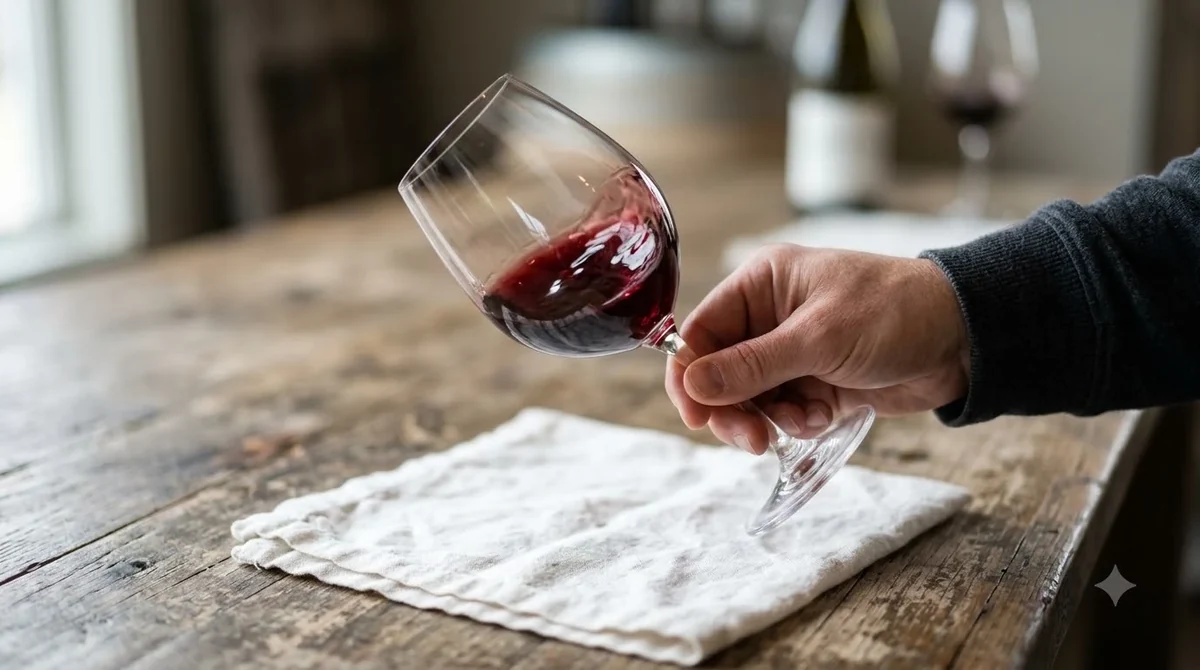
To make sense of the numbers on a restaurant menu or wine shop shelf, it helps to separate red blends into distinct stylistic buckets. Classic European blends and domestic Meritage wines follow strict dry-fermentation traditions, keeping residual sugar low and letting structure come from oak aging and grape tannins rather than sweetness. Conversely, value-driven commercial red blends frequently stop fermentation early or blend in grape concentrate to create a velvety, round mouthfeel that masks harsh edges.
| Red Blend Style | Typical Residual Sugar (g/L) | Carbs per 5 oz Glass | Carbs per 750 ml Bottle | Typical ABV |
|---|---|---|---|---|
| Dry Bordeaux / Meritage Blend | 0 to 4 g/L | 1 to 3 g | 5 to 15 g | 13.0% to 14.5% |
| Dry Rhône / GSM Blend | 0 to 4 g/L | 1 to 3 g | 5 to 15 g | 13.5% to 15.0% |
| Off-Dry Commercial Red Blend | 8 to 18 g/L | 4 to 7 g | 20 to 35 g | 12.5% to 14.0% |
| Sweet / Semi-Sweet Red Blend | 20 to 45 g/L | 8 to 15 g | 40 to 75 g | 10.0% to 12.5% |
| Fortified Red Blend (Ruby Port) | 90 to 110 g/L | 15 to 20 g (per 3 oz) | 120 to 150 g | 19.0% to 20.0% |
Pour size also plays a major role in your actual intake. A standard wine serving is 5 ounces, which yields five glasses per standard 750-milliliter bottle. Home pours and oversized restaurant stemware regularly hold 6 to 8 ounces, which increases the carbohydrate count of a single glass by 20 to 60 percent even when drinking a completely dry wine. If you want a broader look at how single-varietal reds compare against blended styles, our breakdown of dry red wine carbs walks through Cabernet Sauvignon, Pinot Noir, and Merlot benchmarks.
How Different Blend Recipes Affect Carbohydrate Counts
The specific grape varieties inside a blend strongly influence whether a winemaker ferments the wine bone-dry or leaves a cushion of residual sugar. High-tannin grapes often require longer aging to soften naturally, while fruit-forward grapes lend themselves to richer, softer finishes.
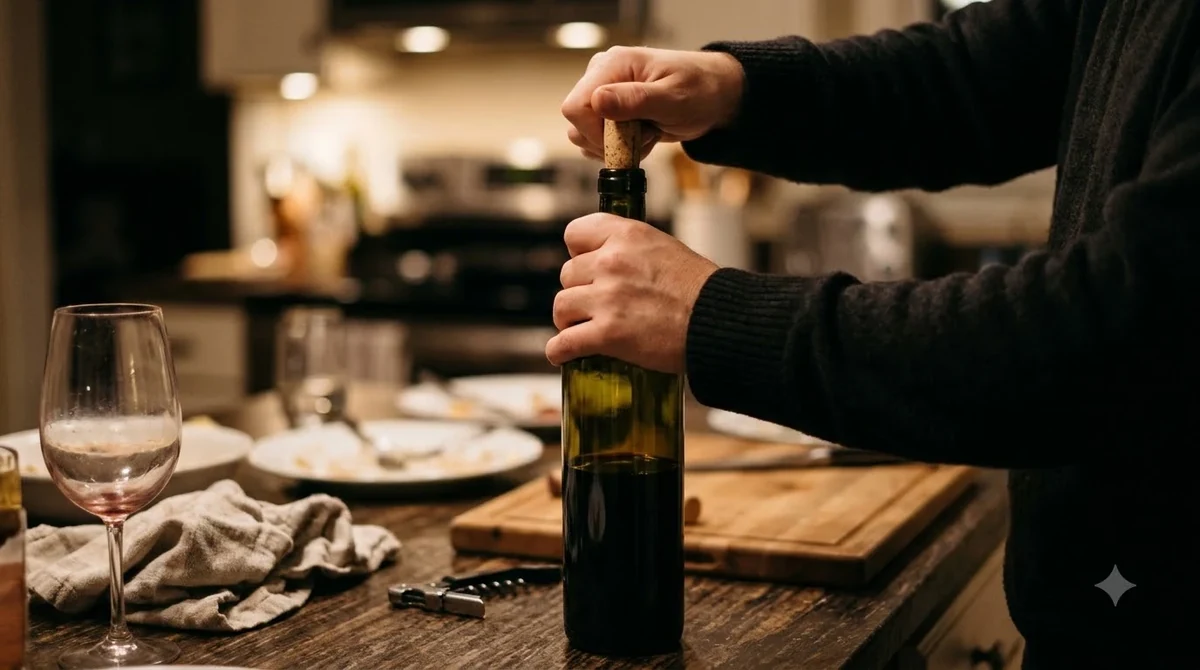
When a winery crafts a traditional Bordeaux blend using Cabernet Sauvignon, Merlot, Cabernet Franc, Petit Verdot, and Malbec, the goal is savory structure, firm grip, and aging potential. Winemakers working in this style almost always ferment the must to complete dryness, leaving less than 2 grams per liter of residual sugar. Similarly, a classic Rhône blend wine built on Grenache, Syrah, and Mourvèdre relies on ripe berry aromatics and natural spice rather than leftover sugar to feel plush on the palate.
Modern California and Washington red blends take a different approach, often anchoring the recipe with Zinfandel, Petite Sirah, or Syrah. Zinfandel ripens unevenly on the vine, frequently producing grapes with high sugar concentrations that push alcohol levels past 14.5 percent ABV before yeast cells reach their limit and die off. In other cases, winemakers deliberately chill the fermentation tanks early to preserve 8 to 15 grams per liter of natural grape sugar, creating that signature jammy, smooth profile popular across American grocery aisles.
Tip: Look up the wine’s official technical sheet online by searching the vintage name plus “tech sheet PDF” to see the exact residual sugar listed in grams per liter.
Label Clues for Spotting Lower-Carb Red Blends
Even without a nutrition label on the back glass, several mandatory and voluntary label details reveal whether a red blend is dry or off-dry. Checking alcohol percentage, appellation rules, and back-label tasting notes gives you reliable clues before buying.
Start by checking the alcohol by volume (ABV) printed in small type on the front or back label. Because yeast converts grape sugar directly into alcohol, a red blend sitting at 13.5 percent to 15 percent ABV usually underwent a thorough fermentation with very little sugar left behind. By contrast, a non-fortified red blend sitting at 11 percent or 12 percent ABV often had its fermentation halted early, meaning a noticeable portion of the grape’s natural sugar remains in the liquid.
Next, examine the geographic origin and varietal disclosure. European wines labeled under strict appellation laws—such as Côtes du Rhône, Bordeaux, Chianti, or Rioja—must adhere to regional dryness standards unless explicitly marked as sweet. In the United States, bottles that list exact grape percentages on the back label or carry the regulated Meritage trademark almost always follow dry winemaking practices. Conversely, bottles with proprietary fantasy names, zero geographic specificity beyond a broad state designation like “California,” and back-label descriptors like “velvety,” “jammy,” or “smooth finish” are far more likely to carry higher residual sugar. You can explore more regional naming conventions in our guide to Wine by Type.
Calories vs. Carbs in Red Blends
Tracking carbohydrates alone tells only part of the nutritional story in a glass of red wine, because alcohol itself supplies the majority of the calories. Understanding how ethanol and residual sugar contribute to total energy helps prevent surprises when comparing dry and off-dry bottles.
Every gram of carbohydrate provides 4 calories, whereas every gram of pure alcohol delivers 7 calories. In a dry red blend containing 2 grams of carbs and 14 percent ABV, the carbohydrates account for roughly 8 calories out of a 125-calorie glass—meaning over 90 percent of the energy comes from ethanol rather than sugar. High-alcohol dry blends made from ripe Syrah or Zinfandel can reach 135 to 150 calories per 5-ounce pour despite having virtually zero residual sugar.
Interestingly, an off-dry red blend with lower alcohol can sometimes match or even undercut a high-octane dry red in total calories. A 12 percent ABV red blend carrying 6 grams of residual sugar per glass gets 24 calories from carbs and roughly 98 calories from alcohol, landing around 122 calories total. Knowing this distinction makes it easier to choose a bottle based on your priorities, whether you are strictly counting net carbs or watching overall calorie intake.
Frequently Asked Questions
Do all red blends have more carbs than Cabernet Sauvignon?
No, dry red blends have roughly the same carbohydrate count as single-varietal Cabernet Sauvignon, typically between 1 and 3 grams per 5-ounce glass. Only off-dry or sweet commercial red blends carry higher carb counts due to unfermented residual sugar left in the wine for a softer mouthfeel.
How do you calculate carbs from residual sugar on a wine tech sheet?
Winery tech sheets list residual sugar in grams per liter (g/L), which is easy to convert to a standard serving. Divide the g/L figure by 6.76 to find the grams of sugar in a 5-ounce (148 ml) glass, then add roughly 0.5 to 1 gram to account for trace glycerol and non-sugar grape compounds.
Are European red blends lower in carbs than California red blends?
On average, yes, because European wine regions enforce strict appellation rules that require standard red blends to be fermented fully dry. While California produces many world-class dry red blends, its mass-market segment also includes popular off-dry blends that retain extra sugar for smoothness.
Does oak aging add carbohydrates to a red blend?
Oak barrels impart aromas of vanilla, baking spice, and toast through volatile wood compounds, not actual sugars. Aging a dry red blend in French or American oak does not increase its carbohydrate count, though the sweet-smelling vanillin compounds can trick your palate into perceiving richness.
Checking a bottle’s ABV, regional origin, and producer tech sheet takes the guesswork out of estimating red blend carbs before you uncork. Whether you prefer a structured, bone-dry Bordeaux-style cuvée or a plush California blend, knowing how residual sugar shapes the glass lets you pour with confidence.
More in Wine Types & Grapes
 Zinfandel Sugar Content: Dry Red vs. White Zinfandel GramsUpdated Nov 21, 2026
 Best Zinfandel Substitute Options for Sipping and CookingUpdated Nov 21, 2026
 Zweigelt Food Pairing: Best Dishes, Cheeses, and Serving TipsUpdated Nov 21, 2026
 Zinfandel Tannins Explained: How Structure Shapes Every BottleUpdated Nov 21, 2026
 Zinfandel Sweetness Level: Dry Red vs. Sweet White Zin ExplainedUpdated Nov 21, 2026
 Xinomavro Food Pairing: Best Dishes, Styles, and Serving TipsUpdated Nov 21, 2026