

We may earn a commission when you buy through links on this page, at no extra cost to you. Learn more.
Qupe wine comes from a Los Olivos, California winery that has focused on cool-climate Chardonnay and Syrah since 1982. The lineup also includes Sauvignon Blanc, a Rosé, Grenache, and Rhône whites such as Roussanne and Marsanne. This guide explains where the winery sits, what its wines generally taste like, and how to serve and pair them at home.
If you have seen the Qupe name on a shelf or a restaurant list and wondered whether it is worth a try, this page gives you the background you need. It sticks to what the producer and reputable wine references say, and it leaves out anything that cannot be checked.
Where Qupe is made
Qupe is based along Foxen Canyon Road in Los Olivos, a small village in the Santa Barbara County wine country. According to the winery’s website, the brand has championed cool-climate Chardonnay and Syrah since 1982. Cool-climate vineyards receive more marine influence and cooler nights than hotter inland sites, and in practice that often means grapes that keep more natural acidity and reach ripeness with moderate sugar levels. That is the thread running through much of the house style.
The producer’s own history includes a change in ownership. The website states that Andrew Murray acquired Qupe, and that the winery was originally established along Foxen Canyon Road, next to Andrew Murray Vineyards. Both properties sit on the same road, so a visitor interested in the area can compare two producers in a single afternoon.
Santa Barbara County is a long, cool valley system that has drawn growers looking for a climate different from the warmer valleys farther north. Producers in the region often describe their wines in terms of place, which is why the county’s sub-regions and the winery’s own address on the label are worth reading closely.
The Qupe lineup
Qupe does not rely on one signature bottle. The current range listed on its website includes a Chardonnay, including a Santa Barbara County bottling and a Small Lot Collection, along with a Sauvignon Blanc and a Rosé.
On the red side, the lineup features a Central Coast Syrah and a Grenache. The white Rhône varieties Roussanne and Marsanne also appear, which gives the brand a small but distinctive corner of Rhône-style whites. That range explains why people can have very different impressions of the brand. A drinker who starts with the Chardonnay may find a richer, more structured white than the crisp Sauvignon Blanc. Someone who tries the Syrah first may expect a dark, spicy red and then notice a leaner, more restrained style. Checking the back label for the grape, vintage, and appellation helps you match a bottle to the meal or the mood.
| Style | Grape listed | General character |
|---|---|---|
| Chardonnay | Chardonnay | Cool-climate white with a structured, fresh profile |
| Sauvignon Blanc | Sauvignon Blanc | Lighter, crisp white for seafood and salads |
| Rosé | Not named on the site | Dry, light pink wine for warm weather |
| Syrah | Syrah | Central Coast red with dark fruit and savory notes |
| Grenache | Grenache | Soft, fruit-forward red for everyday meals |
| Roussanne and Marsanne | Rhône whites | Fuller textures with floral or nutty notes |
What Qupe wines taste like
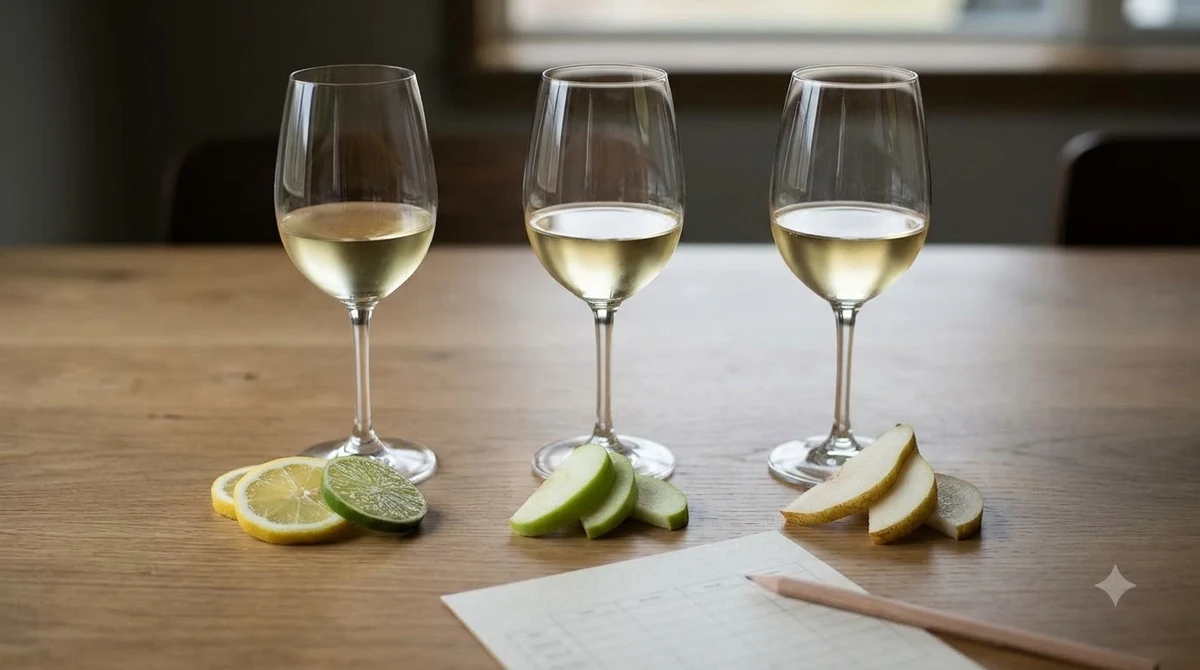
Qupe is best understood through its cool-climate style, which generally favors freshness over heaviness. Cool-climate Chardonnay tends to show citrus, green apple, and stone fruit rather than the tropical or buttery character of warmer regions.
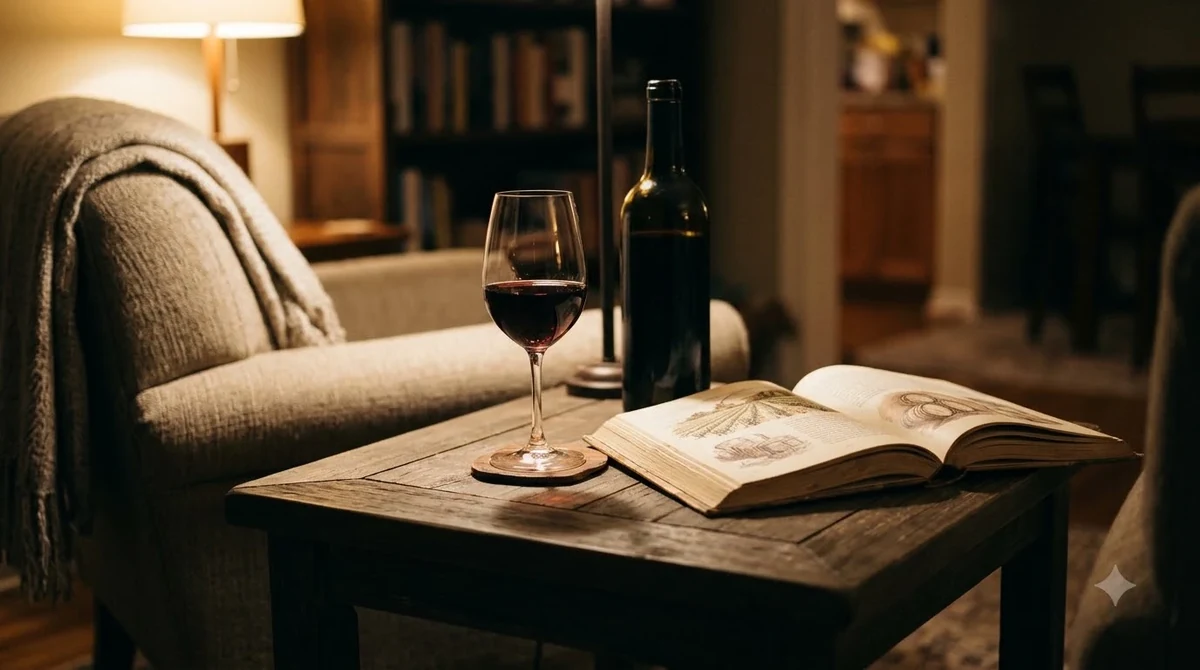
Syrah from the Central Coast can carry dark berry, black pepper, and smoky notes, with more tension than a hot-climate example. Neither style is a rule, and vintage conditions change the balance from year to year. A cool, late-ripening season tends to produce lighter, more lifted wines, while a warmer year can add weight and ripeness to the same vineyard.
When you taste, look for three things: how bright the acidity feels, how much weight the wine carries in the mouth, and whether the finish stays clean or turns heavy. Those signals tell you more about the producer’s approach than any single tasting note, and they help you decide whether the next bottle should be a white or a red.
How to serve and pair Qupe
Serve the whites lightly chilled rather than ice cold, so the fruit and acidity can show. Reds such as Syrah and Grenache work best a little below room temperature, and a short rest in the glass can help them open up. A good rule for food is to match body with body. The lighter Sauvignon Blanc suits salads, seafood, and goat cheese, while the Chardonnay handles roast chicken and creamy pasta. Syrah pairs well with grilled meats, roasted vegetables, and mushroom dishes.
- Start with the Sauvignon Blanc for a light lunch.
- Choose the Chardonnay for a dinner with richer sauces.
- Open the Syrah about an hour before a grilled dinner if it tastes tight.
Tip: If you are buying for a dinner party, pick one white and one red from the same producer. That way guests can compare two styles without guessing which one they will like.
Who Qupe suits
Qupe suits drinkers who like cool-climate Central Coast wines and want a producer with a clear regional identity. It is also a good choice for anyone who enjoys comparing a few styles from one winery. Drinkers who want a big, oaky red may find the Syrah lighter than expected, and those who prefer very sweet wines will need to look elsewhere.
Readers who want a point of comparison for a red from another producer can start with the Antinori red wine guide. Visitors planning a trip should note that the winery lists its hours as open daily from 11 to 5 on its website, so check the schedule before you drive out to Foxen Canyon Road.
Buying and storing Qupe bottles
Many of the wines in this range are made to be drunk within a few years of release, which is common for cool-climate whites and for Central Coast reds that aim to show fresh fruit. Check the vintage on the label, since a recent release usually tastes brighter than an older bottle from a warm or unsettled year. The reliable habit is to buy from a shop that keeps wine cool and out of direct light.
Store bottles on their side in a cool, dark place away from heat and vibration. A bottle that has been stored hot can taste flat or dull, which is a sign that the storage conditions matter more than the label. If you are building a small cellar, buy a few bottles of each style so you can track how the Chardonnay and Syrah change over time.
When you visit Foxen Canyon Road, you can taste the winery’s range and compare the Chardonnay with the Syrah in one sitting. Many visitors also explore nearby producers on the same road, which makes a day trip easy to plan around the winery’s posted hours.
Frequently Asked Questions
Where is Qupe wine made?
Qupe is based along Foxen Canyon Road in Los Olivos, California, in the Santa Barbara County wine region. The winery’s website gives that address for visitors.
Is Qupe known for a particular grape?
The winery’s website highlights cool-climate Chardonnay and Syrah as its long-running focus, so those are the best starting points for a first bottle.
Does Qupe make red wine?
Yes. The range listed on the website includes a Central Coast Syrah and a Grenache, alongside a Rosé and several white wines.
Should Qupe wine be served chilled?
The whites are best lightly chilled, while the reds do well slightly below room temperature. Adjust to taste, since the vintage and the bottle’s own structure change how the wine shows.
Qupe is a straightforward place to start if you want to explore cool-climate California wines. Pick a white and a red, taste them side by side, and see which style you prefer. For the winery’s own description of its wines, visit the Qupe website. If you are comparing producers more broadly, the wine brands guide is a practical next step.
More in Wine Brands
 Underwood Wine Price: Compare Bottles, Cans, and Pack SizesUpdated Nov 21, 2026
 Zenato Wine Price: Compare Styles and Choose the Right BottleUpdated Nov 21, 2026
 Zuccardi Wine Price: Compare Bottles and Find the Right RangeUpdated Nov 21, 2026
 Yellow Tail Moscato Review: Taste, Sweetness and Serving TipsUpdated Nov 21, 2026
 Wolf Blass Yellow Label Review: Choose Your Best StyleUpdated Nov 21, 2026
 Wolffer Estate Rose Review: Choose the Right Bottle for Your TableUpdated Nov 21, 2026