

We may earn a commission when you buy through links on this page, at no extra cost to you. Learn more.
This qupe wine review finds Qupé particularly appealing for drinkers who enjoy balanced California wines, especially cool-climate Syrah, expressive Chardonnay, and Rhône-inspired varieties. The winery emphasizes coastal vineyards, natural acidity, and careful oak use rather than simply pursuing heavy, high-alcohol styles. Its Syrah is the most recognizable starting point, while Chardonnay offers an approachable alternative for white-wine drinkers.
Qupé occupies an interesting position in California wine: it combines the ripe fruit associated with the Central Coast with freshness, savory complexity, and winemaking traditions associated with France’s Rhône Valley. That combination makes its bottles worth considering for people who want more character than a straightforward everyday red or white. The key is understanding the differences between its grape varieties, vineyard-designated bottlings, and broader regional blends before choosing.
Who This Is For: Understanding Qupé’s Wine Style
Qupé is a strong option for drinkers who appreciate California fruit balanced by acidity, savory flavors, and moderate-to-structured tannins. Its Central Coast origins and Rhône-inspired approach make the range especially interesting for people who enjoy Syrah, Grenache, and distinctive Chardonnay.
The winery traces its identity to 1982 and the work of founder Bob Lindquist, whose interest in Rhône varieties helped establish Qupé as an important name in California’s Rhône-inspired wine movement. Alliance Wine identifies Andrew Murray as the winemaker and producer who acquired the brand and returned it to local stewardship. The emphasis remains on vineyard character and balanced wines rather than a single standardized flavor profile.
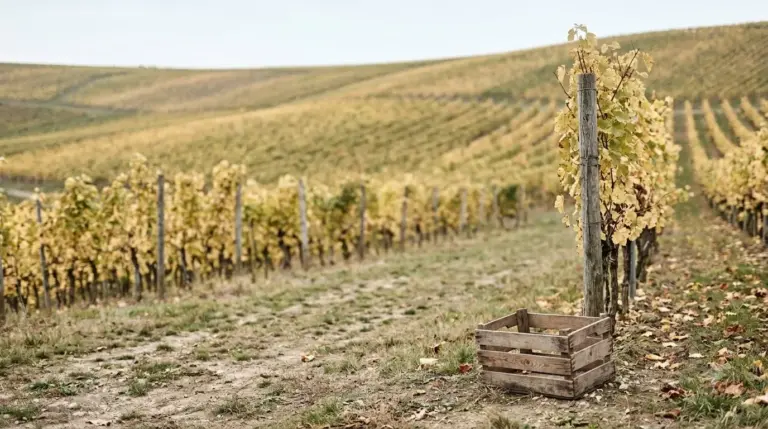
Geography is central to understanding the style. Qupé sources grapes from areas including Arroyo Grande, Santa Maria, Santa Ynez, and Sta. Rita Hills. These coastal-influenced locations experience maritime conditions and afternoon breezes that help preserve freshness in the grapes. Sandy and gravelly soils also form part of the vineyard identity described by the winery.
These characteristics make Qupé particularly attractive to several types of wine drinkers:
- Syrah enthusiasts: People who enjoy blackberry, cherry, pepper, herbs, and savory notes will find plenty to explore.
- California Chardonnay drinkers: Those who like citrus, stone fruit, oak, and a textured finish can explore the Chardonnay range.
- Rhône wine fans: Drinkers familiar with French Syrah and Grenache may appreciate Qupé’s California interpretation of those varieties.
- Food-focused buyers: People who regularly serve lamb, roasted poultry, mushrooms, grilled vegetables, and seafood can find useful pairing options across the portfolio.
However, Qupé may not be the ideal first choice for someone looking exclusively for sweet, soft, fruit-forward wines. Its Syrah is generally a dry, structured red, and some of its vineyard-designated wines are made with aging in mind. Anyone looking for a simple, light-bodied red should consider the grape and bottling carefully instead of assuming every Qupé wine has the same weight.
Key Factors to Compare Before Choosing a Qupé Bottle
The most useful comparisons are grape variety, vineyard origin, oak influence, tannin, and intended drinking time. A Central Coast Syrah and a Santa Barbara County Chardonnay offer substantially different experiences, even though both come from the same producer.
| Comparison factor | What to expect | What it means for buyers |
|---|---|---|
| Established brand identity | Since 1982 | California Rhône-inspired heritage |
| Central Coast Syrah | 100% Syrah in the documented 2022 bottling | Dark fruit, pepper, herbs, and structure |
| Central Coast Syrah aging | 18 months in French oak | Integrated oak and additional texture |
| Santa Barbara Chardonnay | 100% Chardonnay in the documented 2024 bottling | Citrus, apple, pineapple, and brioche |
| Chardonnay alcohol | 13.5% ABV in the documented 2024 bottling | A full-bodied white-wine option |
| Chardonnay barrel aging | 9-12 months | Oak texture balanced by acidity |
| Serving temperature for Syrah | 60-65°F | Preserves freshness while showing red-wine texture |
| Serving temperature for Chardonnay | 50-55°F | Balances fruit, acidity, and oak character |
These figures describe particular documented bottlings and established serving recommendations, not universal specifications for every Qupé release. Vintage, vineyard, and production decisions can change the finished wine, so comparing the actual bottle details matters.
Grape variety should be the first consideration. Syrah generally brings more tannin and savory character than Grenache, while Chardonnay offers a completely different experience based on acidity, fruit, and oak. Someone who enjoys structured reds with lamb may prefer Syrah, whereas someone serving seafood or creamy poultry dishes may find Chardonnay more useful.
Oak is another important consideration. Qupé uses French oak across its portfolio, but barrel treatment varies by wine. The Chardonnay approach can produce toasted brioche, vanilla, and a rounded texture, while the Syrah program can integrate oak with dark fruit, pepper, and herbal flavors. Oak should therefore be considered part of the wine’s overall balance rather than an isolated indicator of quality.
Vineyard origin also deserves attention. A regional blend combines fruit from different sites to produce a consistent expression of the broader area. A vineyard-designated bottle, on the other hand, offers a more specific expression of one location. Buyers interested in comparing terroir should consider trying a Central Coast blend alongside a Bien Nacido vineyard bottling.
Step-by-Step: How to Choose the Right Qupé Wine
A practical selection process starts with the occasion and food, then narrows the choice by grape variety, vineyard designation, and drinking window. Following these steps makes it easier to choose a bottle that suits both the meal and personal taste.
-
Decide between red and white.
Begin with the meal. Choose Syrah for grilled meats, lamb, and savory dishes. Consider Chardonnay for roasted chicken, shellfish, richer fish dishes, or creamy vegetable preparations.
-
Choose the grape variety.
Syrah is the natural starting point for a buyer interested in Qupé’s Rhône heritage. Grenache can offer a different red-wine expression, while Chardonnay is the more familiar white-wine route. Marsanne and Roussanne are also worth exploring if the portfolio includes them in the market being considered.
-
Decide how much structure you want.
Syrah generally has medium-plus to high tannin, while Grenache often feels less firmly structured. Chardonnay has no red-wine tannin and is better judged by its acidity, body, and oak treatment. If you prefer lighter wines, avoid choosing a powerful single-vineyard red solely because of its reputation.
-
Compare regional and vineyard-designated bottlings.
A Central Coast Syrah can provide a broad introduction to the producer’s style. A Bien Nacido Hillside Estate Syrah is more appropriate for someone interested in a specific vineyard expression and a potentially longer cellar life.
-
Read the vintage information.
Look at the vintage, alcohol percentage, grape composition, and production details. These details help distinguish a fresher, earlier-drinking wine from a concentrated red designed to develop over several years.
-
Match the bottle to the drinking occasion.
For a casual dinner, a regional Syrah or Chardonnay may be the practical choice. For a special meal or a cellar collection, a vineyard-designated wine may provide a more distinctive experience.
-
Plan serving and storage.
Chill Chardonnay to approximately 50-55°F and serve Syrah around 60-65°F. If the Syrah is young and particularly concentrated, allow approximately 30-60 minutes of decanting time before serving.
Tip: If you are buying Qupé for the first time, start with a regional Central Coast Syrah and a Chardonnay. Comparing these two varieties reveals the producer’s approach to fruit, acidity, oak, and texture more clearly than buying two similar red wines.
This method is also useful when buying a bottle as a gift. Rather than guessing which vintage or vineyard designation carries the most prestige, consider whether the recipient enjoys red or white wine, how they usually serve it, and whether they prefer immediate drinking or cellar-worthy bottles.
Types and Styles Explained: Syrah, Chardonnay, and Rhône Varieties
Qupé’s portfolio is best understood through its major grape varieties and vineyard expressions. Syrah provides the clearest connection to the winery’s Rhône-inspired identity, while Chardonnay demonstrates its ability to work with coastal California white grapes.
For current producer descriptions and individual wine details, consult Qupé’s official wine portfolio.
Central Coast Syrah
Central Coast Syrah is one of the most recognizable styles associated with Qupé. The winery’s documented 2021 bottling combines hillside fruit from Arroyo Grande with Syrah from Alisos Canyon, Santa Ynez, and Ballard Canyon. Its tasting profile includes cherry, raspberry, purple flowers, garrigue, olive brine, and toasted French oak.
That combination is important because Syrah is not simply a dark-fruit wine. Its peppery and savory characteristics can make it particularly interesting with food. The documented 2021 wine also undergoes 18 months of French oak aging, contributing texture and additional complexity.
Expect a dry red with noticeable structure, medium-plus to high tannin, and enough fruit to balance its savory elements. It is a sensible choice for people who enjoy Rhône-style reds but want a California expression with ripe fruit.
Bien Nacido Vineyard Syrah
Bien Nacido is an important vineyard name in Qupé’s Syrah history. The winery’s 2020 Bien Nacido Hillside Estate bottling is made entirely from Syrah grown in the vineyard’s Z Block, which was planted in 1992.
The producer describes the wine as rich without being heavy, with blueberry, cola, and black pepper characteristics. Its production includes open-top fermentation, approximately 25% whole clusters, and 24 months of French oak aging. The producer also describes a further 2 years of bottle aging before release.
This is a different proposition from a general regional blend. Its vineyard specificity, barrel program, and extended aging make it more interesting to collectors and experienced Syrah drinkers than to someone simply looking for an uncomplicated weekday red.
Wine Enthusiast’s historical review of the 1997 Bien Nacido Reserve Syrah awarded it 91 points and described its youthful tannins and potential to develop berry, plum, spice, and dried-herb flavors with age. That review provides useful historical context, although it should not be treated as a rating of every current Qupé Syrah.
Santa Barbara County Chardonnay
Qupé Chardonnay is a useful alternative for buyers who want the winery’s coastal character in a white wine. Its documented 2022 bottling combines fruit from Santa Maria and Sta. Rita Hills, using French oak for fermentation and aging.
The resulting style is richer than a very lean stainless-steel Chardonnay. White flowers, stone fruit, lemon, toasted brioche, and vanilla appear in the producer’s tasting description. Full malolactic fermentation contributes a softer, more rounded texture, while natural acidity helps keep the wine balanced.
The documented 2024 Santa Barbara County Chardonnay provides another example of the producer’s approach. It is 100% Chardonnay, with a stated alcohol level of 13.5%. Its tasting notes include green apple, lemon rind, pineapple, toasted brioche, and orange marmalade. The producer describes 9-12 months of French oak fermentation and sur-lie aging.
Grenache, Marsanne, and Roussanne
Grenache offers an alternative for drinkers who enjoy red wines with generous fruit and less emphasis on firm tannin. Compared with Syrah, it can feel softer and more approachable, making it useful for roasted poultry, tomato-based dishes, and grilled vegetables.
Marsanne and Roussanne introduce another dimension to Rhône-inspired wine. These white varieties can produce broader textures and distinctive stone-fruit and herbal characteristics. They are worth considering for people who enjoy white wines beyond conventional Sauvignon Blanc and Chardonnay.
Availability varies across markets and vintages, so these varieties should be treated as opportunities to explore rather than guaranteed everyday releases. For additional background on producers and grape categories, the broader Wine Brands resource can help put Qupé into context.
Common Mistakes When Buying Qupé Wine
The most common buying mistakes involve treating every Qupé bottle as the same style, overlooking vineyard differences, and assuming that an expensive or older wine will automatically be more enjoyable. Understanding the distinctions between Syrah, Chardonnay, and individual vineyard bottlings helps prevent those problems.
Assuming every red tastes the same
Syrah and Grenache can differ considerably in tannin, body, and aromatic profile. A Syrah with blackberry, pepper, and smoky notes will not provide the same experience as a softer, fruit-focused Grenache. Choosing by the producer’s name alone is not enough.
Pay attention to the grape and origin. A broad Central Coast bottling can offer a different balance from a single-vineyard wine sourced from Bien Nacido. These distinctions matter even when both bottles come from the same winery.
Expecting Chardonnay to taste completely unoaked
Qupé’s Chardonnay program includes French oak fermentation and aging. Toasted brioche, vanilla, and rounded texture are therefore reasonable expectations, especially in bottlings that undergo malolactic fermentation.
Buyers who prefer very crisp, unoaked whites should consider this production approach before choosing. Chardonnay with oak can still retain lively acidity, but it will not necessarily resemble a lean stainless-steel Sauvignon Blanc.
Opening structured Syrah too early
Some young Syrah wines have pronounced tannins that can dominate the fruit when opened too soon. Wine Enthusiast’s review of the 1997 Bien Nacido Reserve specifically describes a wine that benefits from extended development in the bottle.
This does not mean every Qupé Syrah requires years of aging. Regional blends and single-vineyard bottlings can have different drinking windows. Consider the specific wine’s structure and the producer’s guidance instead of applying one aging rule to the entire portfolio.
Ignoring the food pairing
A full-bodied Syrah is generally better suited to lamb, beef, and richly seasoned dishes than delicate white fish. Its tannins can also be softened by protein and fat, which makes roasted meats and hearty preparations especially useful pairings.
Chardonnay is more flexible with seafood, poultry, and creamy dishes. However, very acidic food needs wine with comparable or higher acidity. Spicy dishes also require care because alcohol and tannin can amplify chili heat.
Buying based only on an old critic score
A historical score can provide context, but it does not tell you exactly how a current release will taste. Wine Enthusiast’s review of the 2018 Qupé Central Coast Syrah awarded that specific vintage 90 points and described roasted meat, black pepper, lavender, and dried herbs.
Compare the vintage, grape, vineyard, and winemaking information before drawing conclusions. A review is most useful when it describes the actual bottle being considered.
Care and Storage Tips for Getting the Best From Qupé
Serving temperature, oxygen exposure, and storage conditions can make a noticeable difference to Qupé wines. A properly stored Syrah or Chardonnay has a better chance of showing its intended balance of fruit, acidity, and oak.
Serve reds and whites at appropriate temperatures
Full-bodied Syrah generally benefits from a serving temperature of 60-65°F. Serving it too warm can make alcohol feel more prominent and can reduce the perception of freshness. A short period in a cool room or refrigerator can help bring a bottle into the recommended range.
Chardonnay is generally best served at 50-55°F. Excessive chilling can make oak and aromatic detail harder to appreciate, while serving it too warm can make its texture seem heavier. Allow the wine to warm slightly in the glass if it initially feels too cold.
Use decanting selectively
Young, concentrated Syrah may benefit from 30-60 minutes in a decanter. Exposure to air can help soften the initial impression of tannin and make fruit and savory aromas more expressive.
However, decanting is not automatically necessary for every bottle. Older wines can be more delicate, and excessive exposure to oxygen may reduce their aromatic character. Pour older wines carefully and assess how they develop rather than automatically giving them an extended decant.
Store unopened bottles correctly
For longer-term storage, keep bottles in a cool, dark environment near 55°F with relatively stable temperature and humidity. Bottles sealed with natural cork should generally be stored on their sides to keep the cork from drying out.
Avoid direct sunlight, frequent temperature fluctuations, and locations close to ovens or heating equipment. A consistent storage environment is more important than a specialized display rack. If a wine is intended for several years of aging, a temperature-controlled cellar or wine refrigerator is preferable to a warm kitchen cupboard.
Preserve opened wine
After opening, reseal the bottle and refrigerate it, including red wine. Refrigeration slows oxidation and helps preserve the remaining wine’s freshness.
- Opened still red wine: Generally 3-5 days when properly resealed and refrigerated.
- Opened still white wine: Generally 3-5 days when properly resealed and refrigerated.
- Opened sparkling wine: Generally 1-3 days with an appropriate sparkling-wine stopper.
These are practical general ranges rather than guarantees. Wine condition, oxygen exposure, closure quality, and storage temperature all affect how long a bottle remains enjoyable.
Choose suitable glassware
A medium-to-large red-wine glass gives Syrah enough room to release its aromas. This is particularly useful for wines with pepper, flowers, dark fruit, and herbal notes.
A standard white-wine glass works well for Chardonnay because it preserves aromatic detail while allowing the wine to warm gradually. There is no need to purchase specialized glassware for every Qupé variety; a good general-purpose red and white glass will cover most occasions.
For more everyday buying comparisons, readers can also explore Qupé wine and compare its style with accessible brands such as Barefoot wine. Those brands serve different drinking preferences, so the important distinction is the style and occasion rather than assuming one producer is suitable for every buyer.
Frequently Asked Questions
Is Qupé an established California wine producer?
Yes. Qupé traces its identity to 1982 and is associated with California’s Rhône-inspired wine movement. Its original founder was Bob Lindquist, and Andrew Murray subsequently acquired the brand. Its history is particularly connected with Central Coast Syrah and Chardonnay.
What does the name Qupé refer to?
The winery’s name is associated with the California poppy, the state’s recognizable golden-orange wildflower. The poppy also appears in the producer’s branding. It provides a distinctive visual identity separate from the grape varieties used in the wines.
Does Qupé make organic or biodynamic wines?
Alliance Wine describes Qupé’s sourcing as including sustainably farmed, SIP-certified vineyards, with some organic and biodynamic farming in its wider vineyard approach. This does not establish that every bottle is certified organic or biodynamic. Buyers seeking a specific certification should distinguish vineyard practices from the certification status of an individual wine.
What does the Qupé poppy logo represent?
The California poppy is a recognizable symbol of the producer and its California identity. Alliance Wine specifically identifies the winery’s Californian poppy logo as an established part of its visual branding. It helps distinguish Qupé bottles from other Rhône-inspired California producers.
Can Qupé wines be suitable for a wine collection?
Some vineyard-designated Syrah bottlings have the structure and development potential associated with collectible wines. The producer has described its 2020 Bien Nacido Hillside Estate Syrah as having additional cellar potential of 10-15 years. That guidance applies to the particular bottling, not automatically to every Qupé wine.
Qupé is a worthwhile producer to explore if you enjoy coastal California wines with Rhône-inspired character, particularly structured Syrah and textured Chardonnay. Start with a regional bottling to understand the house style, then explore vineyard-designated releases if you want more complexity and aging potential. Choosing by grape variety, food pairing, and intended drinking time will make the experience more rewarding than relying on the producer’s name alone.
More in Wine Brands
 Zuccardi Wine Price: Compare Bottles and Find the Right RangeUpdated Nov 21, 2026
 Yellow Tail Moscato Review: Taste, Sweetness and Serving TipsUpdated Nov 21, 2026
 Wolf Blass Yellow Label Review: Choose Your Best StyleUpdated Nov 21, 2026
 Wolffer Estate Rose Review: Choose the Right Bottle for Your TableUpdated Nov 21, 2026
 Wolf Blass Yellow Label Price: What to Expect for Each BottleUpdated Nov 21, 2026
 Yellow Tail Pinot Grigio Price: Compare Bottle Sizes and Retail CostsUpdated Nov 21, 2026