


We may earn a commission when you buy through links on this page, at no extra cost to you. Learn more.
Prosecco food pairing works best with light, fresh, and salty dishes, and with fried foods, because the wine’s bubbles and acidity cut through oil and salt. Dry styles such as Brut and Extra Dry suit most savory food, while slightly sweeter Dry bottles work with fruit desserts. Serve it chilled.
Prosecco is an Italian sparkling wine made mostly from the Glera grape in the Veneto and Friuli-Venezia Giulia regions. Its fruit is light, its acidity is bright, and its bubbles are gentler than Champagne’s. Those traits make it one of the easiest sparkling wines to match with food, which is why it turns up at everything from seaside lunches to holiday buffets. This guide explains which dishes it suits, how sweetness changes the match, and what to avoid.
What Prosecco Tastes Like
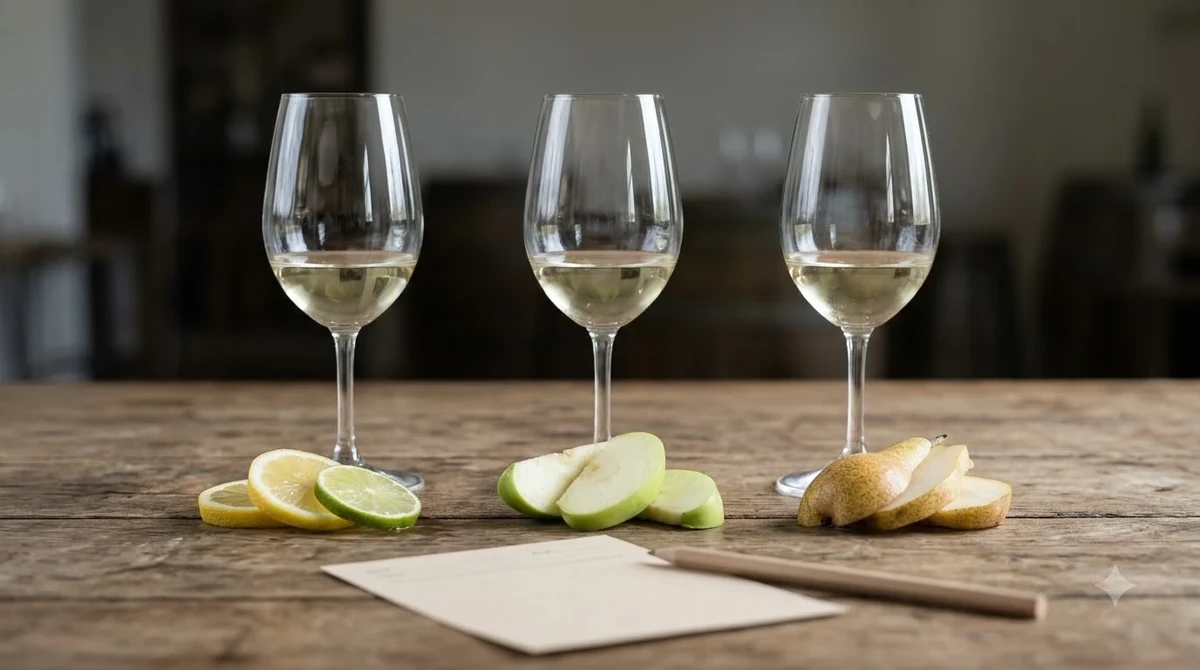
Prosecco usually shows green apple, pear, white peach, and sometimes honeysuckle or citrus blossom. Most bottles are made with the Charmat method, in which the second fermentation happens in pressurized tanks rather than in individual bottles. That process keeps the bubbles lively and the fruit forward, so the wine tends to feel crisp rather than yeasty or toasty.
Because the flavors are simple and clean, Prosecco works best with food that is also fresh and uncomplicated. It can overwhelm delicate dishes, but it rarely clashes with them, which is part of its appeal for casual meals.
Sweetness Levels and How They Change the Match
The sweetness label on a Prosecco bottle tells you how much residual sugar it holds, and that number decides which foods it can stand beside. Under EU rules the main categories are Brut, Extra Dry, and Dry, and each one fits a different kind of meal.
Brut is the driest style and has the most acidity, so it suits salty and savory food. Extra Dry is the most common style and is the most flexible for a mixed table. Dry has a noticeably softer finish, which makes it a better partner for fruit-based desserts.
| Style | Residual sugar | Best food matches |
|---|---|---|
| Brut | Up to 12 g/L | Oysters, fried calamari, potato chips, sushi |
| Extra Dry | 12 to 17 g/L | Charcuterie, pizza, grilled chicken, soft cheeses |
| Dry | 17 to 32 g/L | Fruit tarts, pound cake, spiced fruit, strawberries |
Tip: When you are unsure, pick Extra Dry. It has enough acidity for salty food and enough fruit for lightly sweet dishes.
Seafood, Shellfish, and Light Appetizers
Seafood is the classic match for Prosecco because the wine’s acidity lifts the sea-salt flavor without drowning it. Raw oysters, clams, and steamed mussels all work well with a Brut bottle. The bubbles also clean the palate between bites of rich fish.
Light appetizers follow the same logic. Bruschetta with tomato and basil, prosciutto-wrapped melon, and fresh figs with mild cheese are all easy choices. The wine’s fruit echoes the sweetness of the melon and figs, while its acidity keeps the pairing from feeling heavy.
Sushi and sashimi are also good options, especially with a Brut or Extra Dry bottle. Soy sauce is salty and can make a dry wine taste thin, so keep the portions of soy modest when you serve a sparkling wine with sushi.
Fried Foods, Salty Snacks, and Cheese
Fried food and sparkling wine have long been partners, and Prosecco fits the role well. The bubbles and acidity refresh the palate after each bite of fried batter, so the wine keeps the meal from feeling greasy. Fried zucchini, arancini, tempura, and fish and chips all suit a crisp, dry style.
Cheese is a more mixed case. Fresh and mild cheeses, such as mozzarella, burrata, and young goat cheese, pair nicely with Prosecco. Aged, strongly flavored cheeses are harder to match, so choose a Dry bottle if the cheese is sweet or nutty and a Brut bottle if it is sharp.

Pasta, Pizza, and Richer Dishes
Prosecco can handle more substantial food than many people expect. Tomato-based pasta, pizza with cured meats, and grilled chicken are all reasonable matches for an Extra Dry bottle. The wine’s bubbles and fruit balance the acidity of tomato sauce and the salt of cured meat.
Creamy sauces need more care. A cream sauce with butter and Parmesan can make a dry, light sparkling wine taste sharp. If you want to serve Prosecco with a rich pasta, choose a bottle with a little more body, or pick a fruit-forward Extra Dry that has enough sweetness to round out the dish. Our Chianti food pairing guide covers red wines that handle heavier Italian sauces, which can be a useful contrast if you want both on the table.
| Dish | Why it works | Best style |
|---|---|---|
| Oysters on the half shell | Acidity cuts the brine | Brut |
| Fried calamari | Bubbles clean the oil | Brut or Extra Dry |
| Margherita pizza | Fruit matches tomato | Extra Dry |
| Strawberry shortcake | Sweetness echoes the fruit | Dry |
Desserts and Sweet Pairings
Dessert is where Prosecco’s sweetness styles matter most. A Brut bottle can taste sour next to sweet cake, so save it for savory courses. Dry Prosecco is the better choice for pound cake, lemon tart, peach cobbler, and fresh berries. The wine’s fruit flavors and gentle bubbles complement these desserts without overwhelming them.
Avoid very rich chocolate desserts with a dry bottle, since the chocolate tends to make the wine taste thin. If chocolate is part of the menu, a sweeter sparkling wine works better, and a light fruit dessert is a safer pairing for Prosecco.
Building a Prosecco-Friendly Menu
When you plan a meal around Prosecco, think about the order of the courses as well as the individual pairings. Sparkling wine works well as an opener, because its bubbles and acidity wake up the palate before the main course. Serving light savory bites first, then moving to a richer dish, lets the wine do its job across the whole meal instead of only at one point.
A simple menu might start with fried zucchini or arancini, move to a green salad with a lemon dressing, and finish with a fruit tart. The Extra Dry bottle carries the savory courses, and a Dry bottle can take over for the dessert. If you want to serve a red wine with the main course, pick one with soft tannins so it does not compete with the sparkling wine on the table.
Portion size matters too. Prosecco is light in body and generally lower in alcohol than many still wines, so it suits long, relaxed meals and casual gatherings. Pour smaller servings if the meal runs for several hours, and keep water on the table alongside the bubbles. Serving it cold and keeping the bottle in an ice bucket helps the wine stay crisp from the first glass to the last.
Finally, match the wine to the setting as well as the food. A bright Extra Dry bottle fits a summer patio, a Brut suits an oyster bar, and a Dry bottle is a good choice for a birthday cake. Thinking about the occasion first makes the pairing decision much simpler.
Frequently Asked Questions
What is the best food to pair with Prosecco?
Light, salty, and fried foods are the strongest matches. Oysters, fried calamari, prosciutto, fresh mozzarella, and bruschetta all work well because the wine’s acidity and bubbles balance their texture and salt.
Does Prosecco go well with pizza?
Yes. An Extra Dry Prosecco pairs well with margherita and other tomato-based pizzas, especially when the toppings are simple. The fruit in the wine matches the tomato, and the bubbles refresh the palate between slices.
Should I serve Prosecco with dessert?
Choose a Dry bottle for dessert. Fruit tarts, pound cake, and berries are good matches. Brut can taste sour with sweet desserts, and very rich chocolate desserts can make the wine taste thin.
What temperature should Prosecco be served at?
Prosecco is typically served chilled. A cold glass keeps the bubbles lively and the fruit flavors clean, and it helps the wine balance salty and fried foods at the table.
Prosecco is one of the most flexible sparkling wines for the table. Start with an Extra Dry bottle, keep the food light or salty, and move to a Dry style when dessert arrives. For more pairing ideas across other wine styles, visit the wine pairing guide, or read dessert wine food pairing for sweeter options. For background on the wine itself, the Prosecco entry on Wikipedia covers its regions, grape, and sweetness rules.
More in Food & Wine Pairing
 Risotto With White Wine Recipe: Make a Creamy Dinner at HomeUpdated Nov 20, 2026
 Wassail With Wine Recipe for a Festive Spiced Holiday DrinkUpdated Nov 20, 2026
 Spritz Veneziano Recipe: Make a Classic Venetian Aperitivo at HomeUpdated Nov 20, 2026
 Summer Wine Punch Recipe for Easy Homemade EntertainingUpdated Nov 20, 2026
 Bishop Recipe: How to Make a Bright, Citrus-Forward Red Wine CocktailUpdated Nov 20, 2026
 Wine Cupcakes Recipe: Bake Rich Chocolate Cupcakes at HomeUpdated Nov 20, 2026