

We may earn a commission when you buy through links on this page, at no extra cost to you. Learn more.
The best prince edward county wineries include Closson Chase Vineyards, Hinterland Wine Company, The Grange of Prince Edward Winery, Sandbanks Estate Winery, and Lighthall Vineyards, each offering a distinctive introduction to Ontario’s cool-climate wines. Located along the eastern end of Lake Ontario, Prince Edward County is particularly known for Chardonnay, Pinot Noir, and sparkling wine. The right winery itinerary depends on whether you prefer traditional wine tastings, vineyard scenery, food pairings, or experimental winemaking.
Prince Edward County, often called The County, is one of Canada’s most interesting wine destinations. Its limestone-rich soils, lake-influenced growing conditions, and relatively small-scale producers create a wine scene with a distinctive character. Visitors can spend an afternoon exploring the concentrated vineyards around Hillier, enjoy a meal near Wellington, or travel farther south toward Milford for a more relaxed tasting experience. This guide explains which wineries deserve attention, what to compare before booking, and how to organize a rewarding visit without rushing between tasting rooms.
Who Should Visit Prince Edward County Wineries?
Prince Edward County is especially appealing to wine enthusiasts who enjoy cool-climate Chardonnay, Pinot Noir, and sparkling wines rather than powerful, high-alcohol reds. Its approximately 44-degree-north latitude, limestone bedrock, and proximity to Lake Ontario help create conditions that favor fresh acidity, restrained fruit expression, and wines with a strong sense of place.
The region is a particularly good destination for people who want to understand how geography influences wine. According to the Ontario Wine Appellation Authority, the appellation was officially established in 2007, and its soils include limestone bedrock covered by clay loam, sandy loam, and shale fragments. These conditions contribute to drainage and encourage mature vines to develop extensive root systems. The result is a regional identity that differs from warmer wine-growing destinations. The authority’s Prince Edward County appellation overview provides additional detail about the region’s geography, soils, climate, and characteristic wines.
First-time visitors should consider beginning with producers that offer recognizable grape varieties and approachable tasting experiences. Closson Chase Vineyards is a useful introduction for Chardonnay and Pinot Noir enthusiasts, while Sandbanks Estate Winery offers several ways to explore wine through guided tours, tasting flights, and food experiences. Visitors interested in sparkling wine should make room for Hinterland Wine Company, which specializes in bubbles made using different production methods.
The County also suits travelers who prefer a relaxed countryside experience. Some wineries offer outdoor seating, historic buildings, vineyard views, or meals alongside tasting flights. For example, Broken Stone Winery combines wine tastings with artisanal wood-fired pizza, while Huff Estates connects its winery experience with an inn, restaurant, and sculpture garden.
Travelers comparing Ontario wine destinations with other American wine regions can also explore our guides to the best Amador County wineries and best Loudoun County wineries. Those destinations offer useful contrasts in grape varieties, climate, and winery experiences.
Key Factors to Compare When Choosing a Winery
The best winery for your visit depends on its wine selection, tasting format, location, food options, and overall atmosphere. Comparing at least five practical factors before choosing your stops makes it easier to build an itinerary that matches your interests.
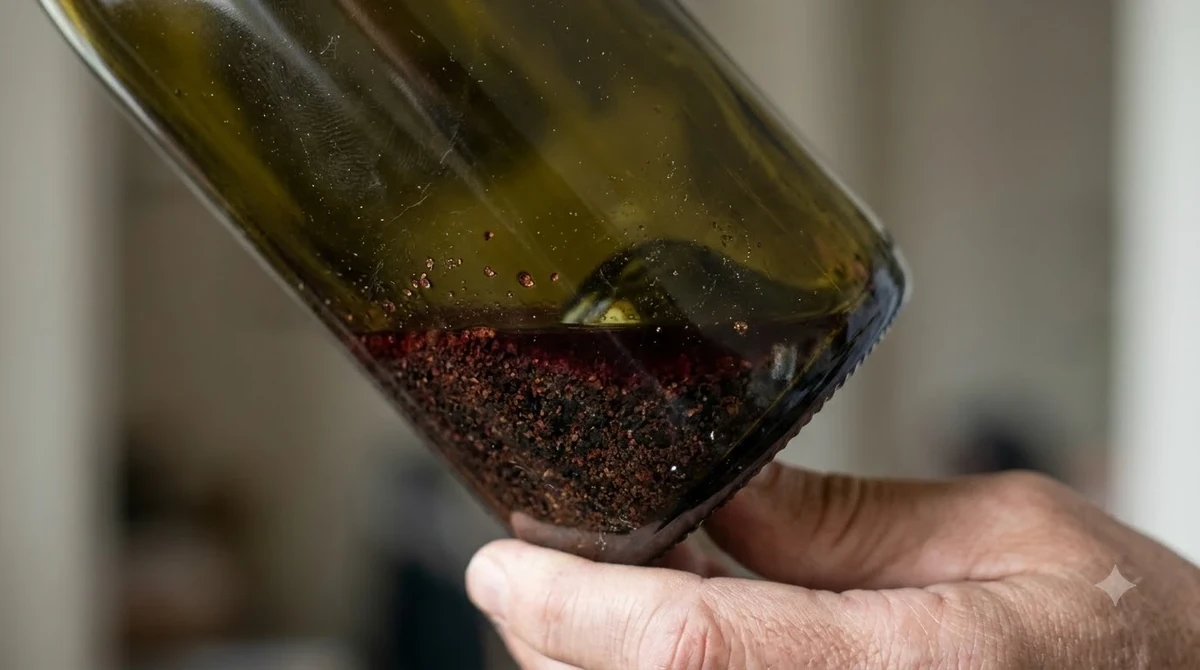
Start with grape varieties. Chardonnay and Pinot Noir are two of the region’s defining wines, but the experience can differ considerably between producers. Chardonnay may be unoaked and crisp, barrel-aged and textured, skin-fermented, or produced as sparkling wine. Pinot Noir generally offers a lighter-bodied red profile, with red fruit, fresh acidity, and earthy or mineral characteristics.
Next, consider the tasting format. Some wineries focus on traditional flights served at a tasting counter, while others provide guided tours, seated experiences, outdoor tastings, or opportunities to explore the cellar. A guided experience is useful for beginners who want to understand fermentation, grape selection, and vineyard conditions. More experienced wine drinkers may prefer producers offering smaller-production or experimental wines.
Location is another important consideration. Hillier contains a particularly concentrated collection of wineries, especially around Closson Road. Wellington offers several tasting opportunities alongside restaurants, accommodations, and village attractions. Milford provides a quieter southern destination, while Bloomfield is useful for combining wine with galleries and other local experiences.
The following comparison highlights representative wineries and their distinguishing experiences. These are useful starting points rather than a definitive ranking, since the best choice depends on personal wine preferences and the availability of specific tastings.
| Winery | Area | Wine or experience focus | Notable feature |
|---|---|---|---|
| Closson Chase Vineyards | Hillier | Chardonnay, Pinot Noir, Pinot Gris | Historic purple barn and tasting flights |
| Hinterland Wine Company | Hillier | Sparkling wine | Charmat and traditional-method options |
| The Grange of Prince Edward | Hillier | Estate-grown Chardonnay and Pinot Noir | Restored historic barn |
| Traynor Family Vineyard | Hillier | Pét-nat, orange wine, vermouth | Cellar tasting experiences |
| Sandbanks Estate Winery | Wellington area | Red and white wines | Guided tours and food experiences |
| Karlo Estates | Wellington | Wine and plant-based pairings | 1805 post-and-beam barn |
| Lighthall Vineyards | Milford | Chardonnay, Pinot Noir, sparkling wine | Wine-and-cheese experiences |
| Huff Estates | Bloomfield | Estate wines and tasting flights | Restaurant, inn, and sculpture garden |
Food availability deserves special attention. A winery with a restaurant or seasonal kitchen can turn a short tasting into a longer afternoon, while a smaller producer may offer a more focused experience centered on the wine itself. Broken Stone Winery, for example, provides an opportunity to pair its wines with wood-fired pizza, while Lighthall offers wine-and-cheese experiences.
Finally, consider the season. Outdoor seating and vineyard activities are especially attractive during warmer months, but indoor tasting rooms can make a cooler-weather visit enjoyable. Destination Ontario notes that operating hours can vary seasonally and recommends reservations for larger groups.
Step-by-Step: How to Plan a Prince Edward County Wine Tour
A successful wine tour begins with a manageable schedule, a clear geographic route, and a few carefully selected tasting experiences. For a first visit, planning three wineries over approximately five to six hours is a practical approach that leaves room for food, conversation, and travel.
-
Choose your main wine interest.
Decide whether Chardonnay, Pinot Noir, sparkling wine, or experimental styles should shape the day. If you enjoy Burgundy-inspired wines, prioritize producers such as Closson Chase, The Grange, and Keint-He. If sparkling wine is the main attraction, include Hinterland. For unconventional styles, consider Traynor Family Vineyard.
-
Select a geographic starting point.
Hillier is a sensible starting area because several wineries are concentrated around Closson Road. Wellington is another useful base, especially for travelers who want to combine wine tastings with dining. Milford is better suited to a southern excursion rather than an unnecessary detour during a short Hillier-focused itinerary.
-
Choose three complementary wineries.
A useful combination is one traditional producer, one specialist, and one winery with a food or outdoor experience. For example, Closson Chase provides classic Chardonnay and Pinot Noir, Hinterland offers sparkling wine, and Broken Stone adds a relaxed tasting and pizza experience.
-
Check opening hours and reserve tasting appointments.
Visit the wineries’ official websites to confirm their current schedules, available tasting formats, group policies, and seasonal experiences. Reserve in advance for weekends, holidays, and larger parties. Do not assume that a tasting room will accept walk-ins throughout the year.
-
Allow enough time at each stop.
Plan approximately 60 to 90 minutes for a standard tasting visit, allowing additional time for guided tours or food. Three stops at this pace create a comfortable afternoon without turning the trip into a race. A fourth stop is better treated as optional rather than essential.
-
Arrange transportation before tasting.
Choose a designated driver, private wine tour, or other transportation option that does not require someone who has been drinking to drive. The rural layout means that distances between wineries matter, even when they appear close together on a map.
-
Finish with food and a bottle selection.
Leave time for lunch or an early dinner, particularly if a winery offers a restaurant, pizza, or cheese pairing. Before leaving, identify one or two wines you particularly enjoyed and ask about bottle availability and suitable storage conditions.
A useful first-day itinerary could begin at Closson Chase in Hillier, continue to Hinterland for sparkling wine, and finish at Broken Stone for a tasting and pizza. This combination provides three different experiences without requiring a broad tour of every corner of the appellation.
For travelers who prefer a more structured experience, organized wine tours can remove the need to coordinate individual transportation. Destination Ontario also identifies guided group tours operating from Bloomfield, with visits to producers such as Sugarbush Vineyards, Harwood Estate, Broken Stone Winery, and Huff Estates.
Tip: Keep your first wine tour to three wineries and leave at least 60 minutes for each tasting. A slower schedule makes it easier to compare Chardonnay, Pinot Noir, and sparkling wine without rushing through the explanations or missing the food experiences.
Types of Prince Edward County Wines and Winery Experiences
Prince Edward County is best understood through its cool-climate grape varieties and the different winemaking approaches used by local producers. Chardonnay, Pinot Noir, sparkling wine, and lighter-bodied regional reds provide the clearest introduction to the appellation.
Chardonnay: The essential white wine
Chardonnay is one of the region’s strongest varieties, and its range of styles makes it a particularly interesting wine to compare between wineries. Unoaked versions can emphasize citrus, orchard fruit, and fresh acidity, while barrel-aged examples may have greater texture, creamy notes, and subtle spice.
The Prince Edward County Winegrowers Association identifies barrel-aged, unoaked, skin-fermented, and sparkling Chardonnay as established regional expressions. This variety is a good starting point for visitors who want to understand the relationship between grape variety, limestone-rich soils, and winemaking decisions.
Closson Chase, The Grange, Lighthall, and Rosehall Run are useful names to investigate when planning a Chardonnay-focused visit. Compare wines from different producers rather than assuming that all County Chardonnay will have the same texture or oak influence.
Pinot Noir: A signature cool-climate red
Pinot Noir is particularly important to the region’s identity. Its relatively thin skins and sensitivity to growing conditions make it a demanding grape, but Prince Edward County’s cooler environment can produce elegant wines with fresh acidity and nuanced red-fruit characteristics.
Expect a lighter style than many Cabernet Sauvignon-based wines from warmer regions. Red cherry, raspberry, earthy notes, and mineral impressions can feature in the overall profile. Pinot Noir also tends to have lower-to-medium tannin, making it a versatile option with poultry, mushrooms, roasted salmon, and moderately rich dishes.
Closson Chase, The Grange, Keint-He, and Stanners Vineyard are producers worth researching for Pinot Noir. Their different approaches offer an opportunity to compare regional character rather than concentrating on a single house style.
Sparkling wine: Traditional method and tank method
Sparkling wine is another major reason to explore the County. Hinterland Wine Company is particularly relevant for visitors interested in bubbles, as its portfolio includes sparkling wines produced using different techniques, including the Charmat method.
The production method affects the finished wine. Traditional-method sparkling wine undergoes its second fermentation in the bottle, generally creating fine bubbles and opportunities for additional complexity from yeast aging. The Charmat method conducts the second fermentation in a pressurized tank and can preserve a fresher, fruit-forward profile.
Hinterland is an obvious specialist to include, while Lighthall and Rosehall Run are additional producers to investigate for sparkling selections. Ask about the grape varieties, fermentation method, and dosage if you want to compare wines more carefully.
Cabernet Franc, Gamay, and other regional varieties
Chardonnay and Pinot Noir do not represent the entire County wine scene. Cabernet Franc and Gamay contribute additional red-wine options, while Pinot Gris, Sauvignon Blanc, and Riesling provide alternatives for white-wine drinkers.
Cabernet Franc generally offers more noticeable tannin than Pinot Noir, along with red fruit, herbal notes, and savory characteristics. Gamay is often lighter-bodied, with juicy red-fruit flavors and fresh acidity. These varieties are particularly useful when comparing regional styles with wines from other cool-climate areas.
Visitors interested in less conventional bottles should also explore pét-nat, orange wine, vermouth, and piquette at Traynor Family Vineyard. These wines offer a different perspective on local winemaking and may appeal to people who already know traditional Chardonnay and Pinot Noir.
Common Mistakes When Visiting Prince Edward County Wineries
The most common mistakes are trying to visit too many wineries, overlooking seasonal schedules, and choosing stops without considering the type of wine or experience each producer offers. A little preparation can make a three-stop itinerary considerably more enjoyable.
Trying to visit every popular winery in one day
Prince Edward County has a substantial selection of producers, and Destination Ontario describes approximately 40 wineries in the region. Even if several are concentrated around Hillier, visiting too many in a single day can make the experience feel repetitive and leave little time to enjoy the wines.
Instead of selecting six or seven tasting rooms, choose three with distinct strengths. For example, combine a Chardonnay specialist, a sparkling-wine producer, and a winery with a restaurant. This provides a broader understanding of the region than visiting several places offering similar flights.
Ignoring differences between winery locations
Not every winery is part of the Hillier cluster. Milford, Bloomfield, Wellington, and Picton each provide additional tasting opportunities, but traveling between these areas requires planning.
A visit to Lighthall Vineyards in Milford makes more sense as part of a southern County itinerary. Likewise, Huff Estates in Bloomfield can be combined with local dining and gallery visits. Do not assume that every winery can be reached conveniently within a few minutes.
Assuming every winery specializes in the same wines
Although Chardonnay and Pinot Noir are important regional varieties, individual producers have different priorities. Hinterland emphasizes sparkling wine, while Traynor Family Vineyard offers unconventional styles such as pét-nat and orange wine.
Check the available tasting menu before reserving. If you are particularly interested in traditional-method sparkling wine, a producer specializing in bubbles is more appropriate than a winery whose main focus is still Chardonnay.
Forgetting to plan meals
Wine tastings are more enjoyable when the itinerary includes appropriate food. A long day involving three tasting rooms can become uncomfortable if there is no planned lunch or substantial snack.
Broken Stone Winery is an option for visitors interested in wine and wood-fired pizza. Sandbanks Estate Winery offers guided tours and food-and-wine experiences, while Huff Estates has a restaurant overlooking its vineyards. Karlo Estates also provides tasting experiences with dairy-free cheese and plant-based charcuterie.
Arriving without checking seasonal availability
Winery schedules and outdoor experiences can change between summer, autumn, and winter. A tasting room that offers outdoor seating during warm weather may operate differently during colder months.
Check appointment availability, food-service schedules, and seasonal events before traveling. Large groups should make reservations, and visitors who want a guided tasting should confirm that the experience is actually being offered on their chosen day.
Wine Care, Storage, and Tasting Tips for Your Visit
Buying bottles during a winery visit is a good way to bring home wines that are difficult to find elsewhere, but proper transportation and storage matter. Keep bottles protected from excessive heat, avoid unnecessary temperature changes, and store wines appropriately once you return home.
Keep purchased wine away from heat
Temperature stability is more important than finding an elaborate storage arrangement for a few bottles. Avoid leaving wine in a hot vehicle, especially during summer travel. A cool insulated carrier can help protect bottles during transportation, while minimizing the time they spend in direct sunlight is another sensible precaution.
For longer-term storage, keep bottles in a cool, dark environment near 55 degrees Fahrenheit when practical. Traditional cork-finished bottles are generally stored horizontally so the cork remains in contact with the wine. Avoid areas with significant temperature fluctuations, vibration, or strong odors.
Serve different styles at suitable temperatures
Serving temperature changes how a wine’s acidity, aroma, alcohol, and texture are perceived. Sparkling wines are generally best served around 40 to 50 degrees Fahrenheit, while light whites and rosés are often most enjoyable around 45 to 50 degrees.
For Prince Edward County Chardonnay, approximately 50 to 55 degrees Fahrenheit is a useful range for fuller-bodied examples. Pinot Noir is generally more expressive around 55 to 60 degrees, while lighter regional reds can also benefit from slightly cooler serving temperatures than full-bodied reds.
Do not serve every red wine at warm room temperature. A cool-climate Pinot Noir can lose some of its freshness if served too warm, while an excessively cold Chardonnay may conceal some of its aromas and texture.
Preserve opened bottles
Once opened, still wines generally retain their best qualities for approximately three to five days when properly recorked and refrigerated. Sparkling wines are more delicate and typically keep for around one to three days with a suitable sparkling-wine closure.
For a bottle of County Chardonnay or Pinot Noir that you want to enjoy over several evenings, close it promptly and return it to the refrigerator. Allow it to approach its preferred serving temperature before pouring another glass.
Choose the right food pairing
Food pairing can help reveal different characteristics in the wines you discover. Chardonnay works particularly well with roasted chicken, seafood, creamy sauces, and mild cheeses. Pinot Noir is a natural partner for mushrooms, duck, roasted poultry, and salmon dishes that are not excessively oily or heavily sauced.
Fresh, high-acidity white wines can balance richer foods and pair well with dishes containing citrus, herbs, or moderate amounts of butter. Sparkling wine is especially versatile with salty snacks, seafood appetizers, soft cheeses, and fried foods.
When selecting bottles at a winery, consider what you plan to serve with them. A bright, unoaked Chardonnay may be more suitable for a simple seafood dinner, while a richer barrel-aged example can work with roasted poultry. If you are exploring other North American wine destinations, our guide to the best Temecula wineries offers another perspective on regional wine tourism, while our wine-buying resources can help with selecting and storing bottles after your trip.
Frequently Asked Questions
These five questions address practical details that can help visitors make better decisions before booking a Prince Edward County wine experience.
Is Prince Edward County wine similar to Burgundy?
There are stylistic comparisons, particularly for Chardonnay and Pinot Noir, because both regions are associated with limestone-influenced soils and cooler growing conditions. However, Prince Edward County has its own growing-season characteristics and regional identity. Similar grape varieties do not mean the wines will taste identical.
What does VQA Prince Edward County mean on a wine label?
VQA stands for Vintners Quality Alliance, Ontario’s appellation and wine certification system. The designation identifies wine meeting the applicable Ontario origin and production standards. It provides consumers with a way to distinguish certified regional wines from products made with grapes sourced elsewhere.
Can visitors purchase Prince Edward County wine outside Ontario?
Some producers and retailers offer shipping or distribution beyond Ontario, but availability depends on the winery and destination regulations. Wine shipping rules differ between Canadian provinces and international markets. Contact the producer directly if you want a particular bottle delivered to another location.
What is the difference between a pét-nat and traditional-method sparkling wine?
Pét-nat, short for pétillant naturel, is commonly made by bottling wine before its primary fermentation has finished, allowing fermentation to continue in the bottle. Traditional-method sparkling wine undergoes a separate second fermentation in the bottle after its base wine has been made. The methods can produce different textures, aromas, and levels of clarity.
Does Prince Edward County produce icewine?
Yes, icewine is among the styles produced in the region. It is made from naturally frozen grapes harvested while frozen, concentrating their sugars and acidity. These wines are typically sweet and are often served in smaller pours alongside fruit-based desserts, blue cheese, or other rich foods.
The best Prince Edward County wineries offer much more than a chance to sample Ontario wine. From the Chardonnay and Pinot Noir of established producers to the sparkling specialists and experimental winemakers, The County provides a varied introduction to cool-climate winemaking. Start with three carefully chosen tasting stops, leave time for local food, and choose bottles that reflect the styles you enjoyed most. A thoughtful itinerary makes it easier to appreciate the region’s distinctive wines and discover producers worth visiting again.
More in Wine Buying Guides
 Cheap Red Blend: How to Find a Flavorful Bottle for LessUpdated Nov 20, 2026
 Pinot Grigio Gift: How to Choose a Bottle They’ll EnjoyUpdated Nov 20, 2026
 Best White Wine at Total Wine for Every MealUpdated Nov 20, 2026
 Wine Fridge Replacement Shelves: Find the Right FitUpdated Nov 20, 2026
 Best Sparkling Wine Under 20: Find Bubbles Worth BuyingUpdated Nov 20, 2026
 Best Wine For Birthday Celebrations With Perfect Party PairingsUpdated Nov 20, 2026