

We may earn a commission when you buy through links on this page, at no extra cost to you. Learn more.
The best Amador County wineries are the ones that show what the region does well: old-vine Zinfandel, mountain-grown fruit, and a working history that goes back to the Gold Rush. Amador County sits in the Sierra Foothills of Northern California, and Wikipedia’s entry on the county states that it is home to over 40 wineries. Choosing among them is easier when the visit is built around a style or a story rather than a long list of names.
Amador County is smaller and less crowded than many California wine destinations, and that is part of its appeal. The county has a long winemaking history, a high share of old Zinfandel vines, and a range of elevations that gives its wines more variety than the name suggests. This guide explains what to look for in a winery, how the styles differ, and how to plan a visit that does not try to cover too much in one day.
What Makes Amador County Different
Amador County is best known for Zinfandel, and the county’s old vines are a large part of that reputation. Wikipedia notes that a high percentage of the county’s Zinfandel vines are old, with some vineyards more than 125 years old. Those vines produce smaller crops with concentrated fruit, which is why many visitors come to taste the grape at its most intense.
The county also has unusual elevation. Wikipedia gives its elevation as roughly 250 feet in the west and more than 9,000 feet in the east, with Thunder Mountain reaching 9,414 feet. That range means the vineyards do not all grow under the same conditions. Warm valley sites tend to produce ripe, fuller wines, while higher sites can produce wines with more freshness. Knowing that difference helps when choosing which wineries to visit and which bottles to buy.
Quick Comparison of Visit Styles
The table below compares the kinds of stops a visitor is likely to find across the county. Individual wineries vary, so use it as a guide for planning rather than a ranking.
| Type of stop | What you are likely to taste | Good fit for |
|---|---|---|
| Old-vine Zinfandel estates | Dense, jammy red wines with spice | Zinfandel fans and serious red drinkers |
| Historic sites tied to the Gold Rush | Wines that show the region’s early winemaking story | History-minded visitors |
| Higher-elevation vineyards | Brighter, cooler-climate styles with more freshness | Visitors who want variety in one afternoon |
| Smaller family-run tasting rooms | A short, focused flight with staff who know the vines | First-time visitors and couples |
Best for Zinfandel Lovers
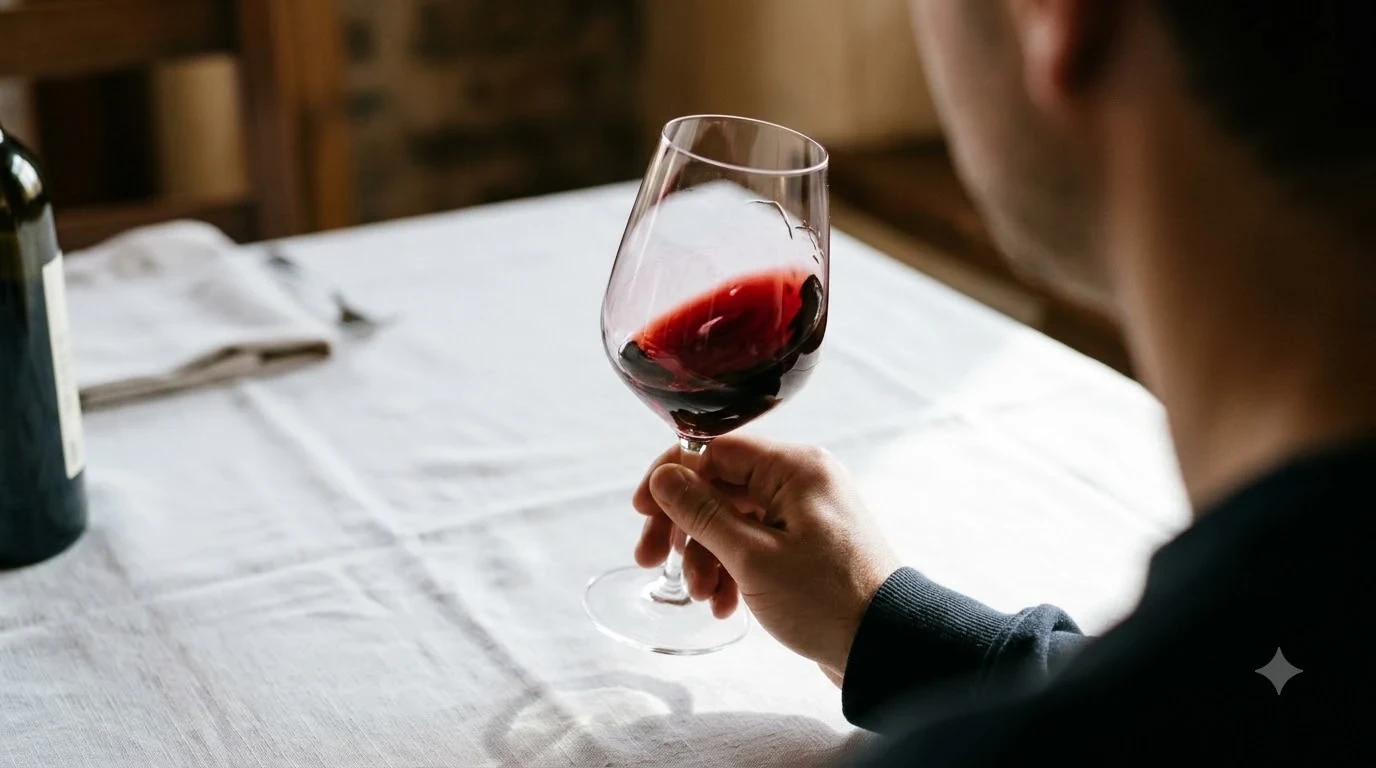
Zinfandel is the reason many people make the drive to Amador County. Wine Folly’s Zinfandel guide describes the grape as a dry, bold red with jammy fruit and smoky spice, usually medium-full bodied, with medium-high tannins and medium-low acidity. Its typical alcohol is 14% or higher, so the flavors can feel rich and warm. Visitors who like that style will find a strong set of options here.
When tasting Zinfandel, notice where the fruit falls on the spectrum. The same grape can show red berry in a cooler site and deeper black fruit with baking spice in a warmer one. A tasting room that pours a range of Zinfandels from different sites is a good way to learn how the region’s vineyards differ, and a single bottle from an old-vine block is a useful reference point for the rest of the trip.
Best for History and Old Vines
Amador County has a deeper history than many newer wine regions. Wikipedia’s county entry notes that the Shenandoah Valley was once California’s principal viticultural region, and that Gold Rush demand drove the growth of many wineries. The industry then declined during the end of the Gold Rush and Prohibition, and the area has since been revived. That story is part of what visitors taste in a glass today.
The county’s oldest vines carry much of that history. Wikipedia describes the Grandpère vineyard, planted before 1869 and covering about 10 acres, as believed to be the oldest Zinfandel vineyard in America. Estates that work with old vines often describe their vineyards in detail, and a visit that includes a walk through the vines gives context that a tasting alone cannot. Ask staff about the age of the vines behind each wine.
Best for Mountain-Grown Wines
Amador County’s higher ground gives some wineries a different growing season from the valley floor. Wine Folly notes that Sierra Foothills vineyards gain acidity from cool nights at elevation, and that is a useful way to think about the wines from higher sites. Those bottles often taste brighter and more lifted than the fuller valley reds, while still carrying the region’s fruit.
If the goal is to taste a range of styles, look for a winery that labels the elevation of its vineyards or explains where its fruit comes from. A winery that can describe the difference between its lower and higher blocks is usually a good place to learn about the region. The contrast is most useful when the same grape is poured from two sites in the same flight.
Best for Visitors Who Want Variety
With more than 40 wineries, Amador County suits a visitor who wants to see a range of styles in one trip. The county is not a single wine town, and the stops can differ a great deal in size, setting, and approach. Some are historic and focused on old vines, while others feel more like a relaxed country outing with a short list of wines.
A good plan for variety is to pick three or four stops that represent different approaches rather than trying to visit every tasting room. Start with one historic estate, add a higher-elevation site, and finish with a smaller family-run room. That mix covers the county’s main contrasts without the fatigue that comes from a long list of tastings.
Best for Planning a Day Trip
Amador County is a manageable day trip for visitors who prefer a slower pace. Tasting rooms often pour small flights, and a relaxed lunch between stops keeps the day from feeling rushed. Plan the drive between wineries before leaving, since some stops sit in the foothills and the roads can be narrow and winding.
Because the county is spread across a wide range of elevations, the weather can change between stops. Bringing a layer is a practical habit, and so is choosing a designated driver or booking a shuttle for a longer day. Visitors who plan the route in advance usually get more from the trip than those who wander.
How to Choose a Winery
Start with the style you want to taste, then choose the stop that matches it. A short checklist helps when the list of options is long.
- Choose an old-vine Zinfandel estate if you want the county’s signature grape at its most concentrated.
- Choose a historic site if you want the region’s Gold Rush and Prohibition story alongside the wine.
- Choose a higher-elevation vineyard if you prefer brighter, more lifted reds.
- Choose a smaller family-run room if you want a short, personal tasting with staff who know the vines.
Read the tasting menu before you arrive. Many wineries list the grapes and vineyard sources on their website, and that information helps you decide which flights to order. If a winery does not explain where its fruit comes from, ask the staff, since a clear answer is a good sign of how the team approaches its wines.
Frequently Asked Questions
What is Amador County best known for?
Amador County is best known for Zinfandel, especially wines made from old vines. The county’s history of winemaking dates back to the Gold Rush, and it has a high share of old Zinfandel vineyards.
How many wineries are in Amador County?
Wikipedia’s entry on the county states that it is home to over 40 wineries. The number of operating tasting rooms can change, so check current hours before planning a route.
What style of wine should a first-time visitor try?
A first-time visitor should start with a Zinfandel flight, since it shows the county’s signature style. Adding a lighter or higher-elevation wine helps show how the region’s vineyards differ.
Is Amador County a good day trip from the Bay Area or Sacramento?
Amador County can work as a day trip for visitors who plan the route in advance. Driving between stops can take time in the foothills, so choosing a few wineries and leaving room for lunch usually makes the day more enjoyable.
Visitors who like the idea of a foothill tasting can compare other regions in the guide to best Paso Robles wineries, or learn more about buying by style in wine buying. The best approach in Amador County is to pick a few stops with clear purposes and let the old vines and mountain fruit set the pace of the day.
More in Wine Buying Guides
 Riesling Gift: Choose a Bottle They’ll LoveUpdated Nov 21, 2026
 Sweet Red Wine Gift: Choose a Bottle They’ll LoveUpdated Nov 21, 2026
 Malbec Gift: How to Choose a Memorable Bottle for Any OccasionUpdated Nov 21, 2026
 Sherry Gift Ideas That Match Every Wine LoverUpdated Nov 21, 2026
 Moscato Gift: How to Choose a Sweet Wine They’ll LoveUpdated Nov 21, 2026
 Merlot Gift: How to Choose a Bottle They’ll AppreciateUpdated Nov 21, 2026