

We may earn a commission when you buy through links on this page, at no extra cost to you. Learn more.
The prince edward county wine region is a cool-climate wine appellation in eastern Ontario, Canada, known for mineral-driven Chardonnay, elegant Pinot Noir, and traditional-method sparkling wines. Its limestone bedrock, stony soils, and proximity to Lake Ontario create distinctive growing conditions that favor grapes suited to a relatively short growing season. Visitors can explore small wineries around Hillier, Wellington, Bloomfield, and Picton, while wine enthusiasts can discover a range of crisp whites, refined reds, and sparkling bottlings.
Often called simply The County, Prince Edward County has developed a distinctive identity within Canadian wine country. Although its modern wine industry is relatively young, its combination of challenging vineyard conditions, agricultural heritage, and adventurous winemaking has helped establish a recognizable regional style. Understanding its geography, grape varieties, and producers makes it easier to appreciate what separates these wines from those made elsewhere in Ontario.
Where Prince Edward County Wine Country Is Located
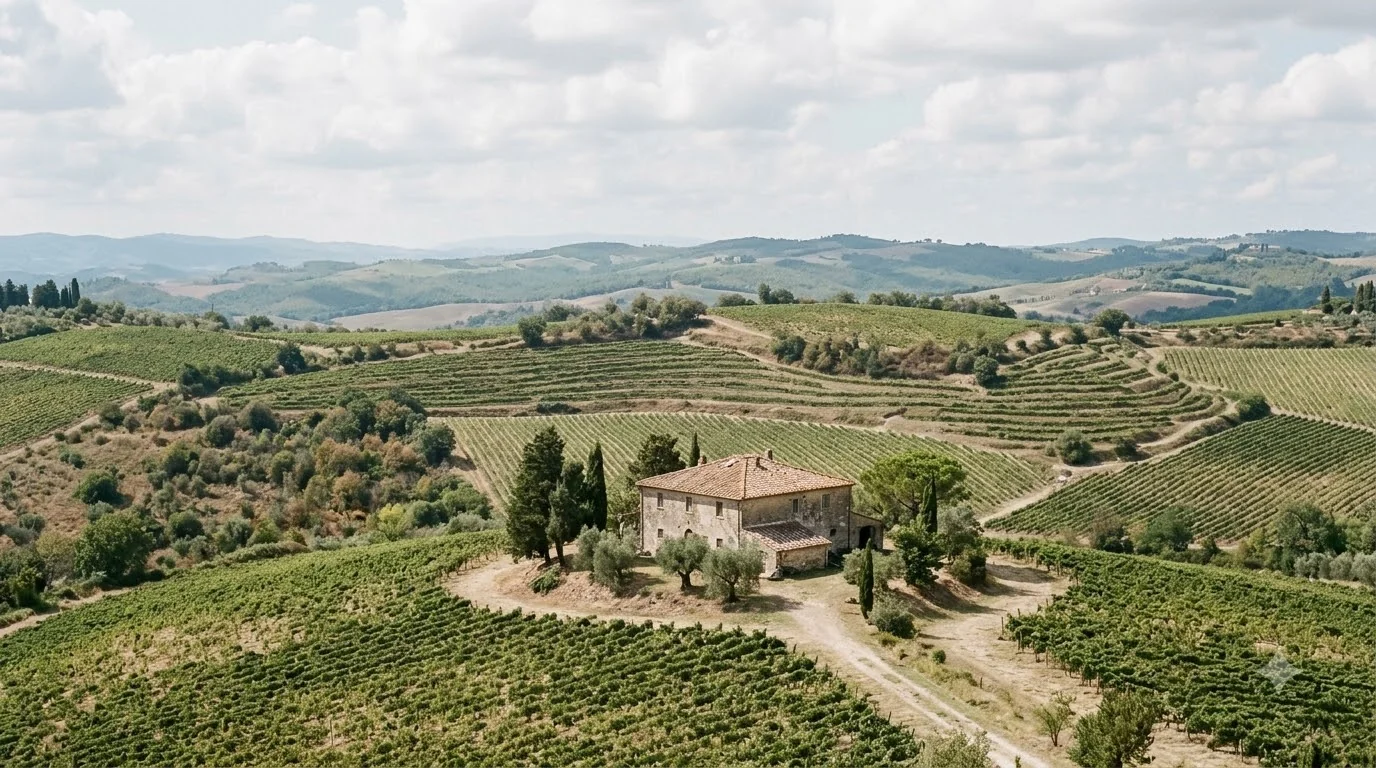
Prince Edward County occupies a peninsula-like area at the eastern end of Lake Ontario, just south of Belleville. Its position between the lake and the Bay of Quinte creates a distinctive geographical setting, with water influencing vineyard temperatures and growing conditions throughout the region.
The appellation includes Prince Edward County itself, Amherst Island, and a narrow strip of nearby mainland territory. At approximately 44 degrees north latitude, it is Ontario’s northernmost established wine appellation. The Ontario Wine Appellation Authority identifies more than 500 miles of shoreline around the area, including numerous bays, coves, and inlets. This extensive water boundary helps explain why the region behaves differently from many inland agricultural areas.
For visitors, the main wine-country experience revolves around several communities rather than one concentrated vineyard district. Hillier is particularly important for winery visits, while Wellington provides a convenient base for exploring vineyards, restaurants, and lakeside scenery. Bloomfield and Picton offer additional accommodation, dining, and shopping opportunities.
The region is also accessible from larger Ontario population centers. Wine travelers commonly approach from Belleville, which provides access to the County through the Norris Whitney Bridge. Toronto is approximately 200 kilometers west of the region, making Prince Edward County a practical destination for a longer weekend trip.
Its official recognition as a VQA appellation of origin in 2007 established Prince Edward County as a defined wine-producing area within Ontario’s regulated wine system. VQA, or Vintners Quality Alliance, identifies wines made according to provincial appellation standards. The designation gives consumers a way to distinguish geographically identified Ontario wines from products using grapes sourced elsewhere.
The landscape is not simply a flat agricultural peninsula. Deep valleys, gentle east-west ridges, and occasional steep escarpments create different vineyard exposures. Rocky bluffs along the northern and eastern shorelines can reach approximately 100 feet or more, while the western side features sandy shores and formations around West Lake and East Lake.
These differences matter because vineyard elevation, slope, exposure, and proximity to water influence ripening conditions. A vineyard on a sheltered slope may experience different temperatures and wind exposure from one situated closer to an exposed shoreline. Such local variations help explain the range of expressions found among producers within the same appellation.
Travelers planning their first visit can use a broader overview of prince edward county wine country to understand how the area’s wineries, villages, and agricultural attractions fit together.
Limestone Soils and the Cool Climate Terroir
Prince Edward County’s defining natural characteristics are its fractured limestone bedrock, stony soils, and moderating lake influence. Together, these conditions encourage naturally low grape yields, relatively slow ripening, and wines with fresh acidity and concentrated flavors.
According to the Ontario Wine Appellation Authority, the underlying geological foundation consists largely of Trenton limestone. Surface soils commonly range from reddish-brown clay loam to sandy loam, with fragments of limestone and shale distributed throughout the vineyard landscape.
This geological combination has several practical effects on grape growing. The rocky surface and broken limestone help excess water drain away, particularly during spring snowmelt. At the same time, the soil structure can retain moisture during the growing season, encouraging established vines to develop deeper root systems.
Deep roots are particularly useful during warmer, drier periods. Rather than relying entirely on moisture near the surface, mature vines can access water deeper in the ground. The rocky material also absorbs and retains heat, helping vineyard soils warm during spring.
The limestone influence is frequently discussed in relation to the mineral character of regional wines. Mineral descriptions are sensory impressions rather than literal evidence that a wine contains recognizable pieces of limestone. In tasting terms, they often refer to restrained fruit expression, savory nuances, fresh acidity, and a persistent finish.
Climate is equally important. Lake Ontario and the Bay of Quinte moderate temperature fluctuations, while prevailing southwesterly breezes help cool vineyards during summer. The appellation authority describes average summer temperatures around 22 degrees Celsius, providing a useful indication of the region’s cool-climate character.
These conditions present both opportunities and challenges. A shorter growing season means producers must choose varieties and vineyard locations carefully. Grapes need sufficient warmth and sunlight to ripen, but excessive heat can reduce the fresh acidity that distinguishes cool-climate wines.
Winter is another significant consideration. The region experiences cold conditions that can threaten sensitive grapevines. Vineyard management therefore requires attention to winter protection, site selection, pruning, and the long-term health of individual vines.
The result is a wine-growing environment that rewards careful agricultural decisions. A suitable vineyard site, thoughtful canopy management, and appropriate harvesting dates can make a meaningful difference to the quality and character of the finished wine.
For more technical regional information, the Ontario Wine Appellation Authority’s Prince Edward County profile provides details about the area’s geography, soil composition, climate, and wine characteristics.
Principal Grape Varieties and Their Wine Styles
Chardonnay and Pinot Noir are the two most recognizable varieties associated with Prince Edward County, although Pinot Gris, Cabernet Franc, Gamay, Riesling, and Sauvignon Blanc also contribute to the regional portfolio. Their different ripening requirements and structural characteristics give local producers considerable flexibility.
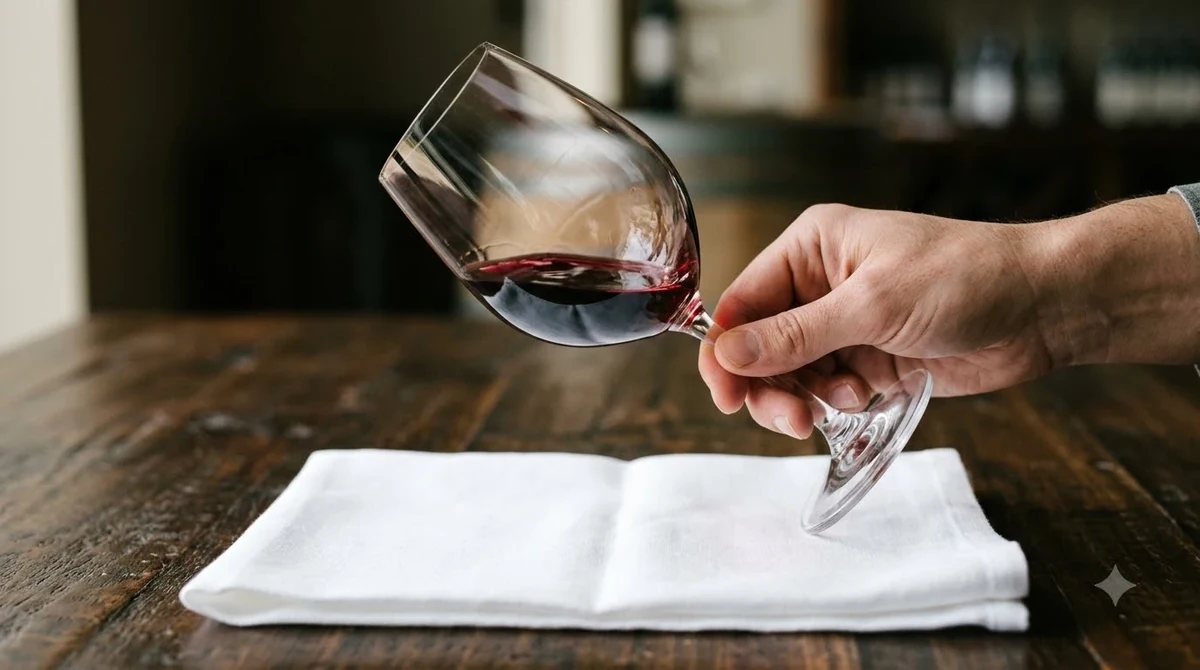
Chardonnay is especially important because it adapts well to the region’s cool growing conditions. Producers use it for everything from crisp, unoaked whites to richer barrel-aged wines and sparkling bottlings. The resulting wines can combine citrus, orchard fruit, subtle floral notes, and refreshing acidity.
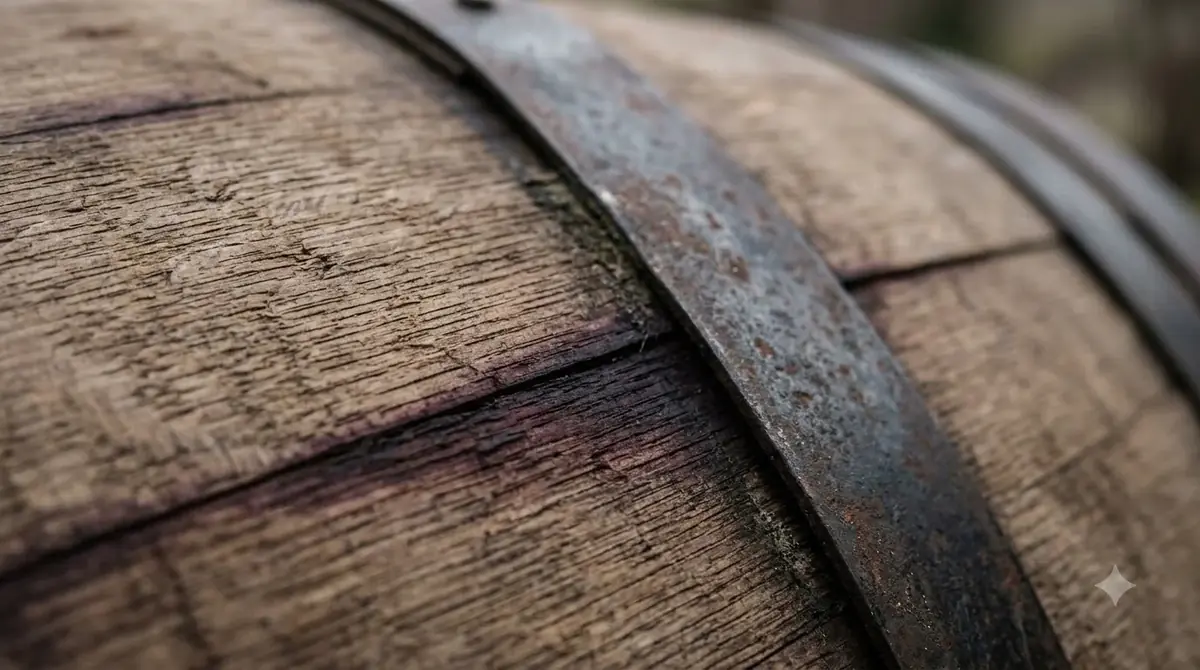
Unoaked Chardonnay is a useful starting point for understanding the region’s natural fruit character. These wines often emphasize lemon, green apple, pear, and a clean finish. Barrel-aged versions can introduce additional texture, creamier sensations, and subtle toast or spice notes, depending on the winemaking approach.
Pinot Noir is the region’s signature red variety. It is notoriously challenging to cultivate because it requires careful management and favorable conditions to reach suitable ripeness. The reward can be a delicate, aromatic wine with red cherry, raspberry, cranberry, earthy nuances, and a mineral impression on the finish.
Compared with many warmer-climate Pinot Noir wines, County examples frequently emphasize freshness rather than concentrated jammy fruit. Their relatively moderate alcohol levels and lively acidity can make them especially suitable for meals involving poultry, mushrooms, pork, and salmon.
Cabernet Franc provides another important red-wine expression. It can offer red berry fruit, herbal notes, and a firmer structure than Pinot Noir. Its naturally distinctive aromatic character makes it a useful option for consumers looking for a more savory regional red.
Gamay adds a lighter and often approachable style to the selection. Expect bright red fruit, fresh acidity, and moderate tannin in many examples. It can work particularly well with charcuterie, roasted chicken, grilled vegetables, and casual meals.
Pinot Gris is an important white alternative, often showing pear, apple, citrus, and floral characteristics. Depending on the producer, it may be made as a crisp stainless-steel white or with additional texture and lees contact.
Riesling and Sauvignon Blanc contribute further diversity. Riesling can combine pronounced acidity with citrus and stone-fruit aromas, while Sauvignon Blanc typically emphasizes freshness, herbal notes, and citrus flavors. Both varieties can be especially appealing during warmer weather.
The following table summarizes the main varieties and their typical regional expressions. Individual bottles vary according to vineyard site, vintage, harvesting decisions, and winemaking techniques.
| Grape variety | Typical style | Common tasting characteristics | Serving temperature |
|---|---|---|---|
| Chardonnay | Dry white | Apple, lemon, pear, mineral notes | 45–55°F |
| Pinot Noir | Light to medium red | Cherry, cranberry, raspberry, earth | 55–60°F |
| Pinot Gris | Dry white | Pear, citrus, apple, floral notes | 45–50°F |
| Cabernet Franc | Medium-bodied red | Red berries, herbs, spice | 55–60°F |
| Gamay | Light-bodied red | Fresh cherry, raspberry, floral notes | 55–60°F |
| Riesling | Dry to sweet white | Citrus, peach, apple, floral notes | 45–50°F |
| Sauvignon Blanc | Dry white | Citrus, herbs, green fruit | 45–50°F |
These varieties should not be treated as interchangeable. Pinot Noir typically has lower to medium tannin and high acidity, while Cabernet Franc can provide a firmer structure. Chardonnay generally has medium acidity, whereas Riesling and Sauvignon Blanc are particularly notable for their high acidity.
For anyone exploring the region through its wines rather than its vineyards, beginning with one Chardonnay, one Pinot Noir, and one Cabernet Franc provides a useful introduction to the differences in grape structure and regional expression.
Prince Edward County Chardonnay and Pinot Noir
Chardonnay and Pinot Noir deserve special attention because they provide the clearest introduction to the region’s cool-climate identity. Both varieties are associated with Burgundy in France, but their County expressions reflect local growing conditions, vineyard decisions, and individual winemaking philosophies.
Chardonnay is often the easiest variety for new visitors to appreciate. The range of styles makes it possible to compare several different interpretations of the same grape during one tasting visit. A stainless-steel version may emphasize lemon, apple, and a crisp finish, while a barrel-aged bottling can offer greater body and a softer texture.
Some producers also experiment with skin fermentation, extended lees contact, and sparkling production. These approaches demonstrate that regional Chardonnay is not restricted to one recognizable flavor profile. Instead, it can move between fresh, restrained expressions and more textural wines.
When tasting Chardonnay, pay attention to the balance between fruit, acidity, and texture. A good cool-climate example should feel lively rather than heavy. Citrus and orchard fruit may dominate the aroma, while subtle savory or mineral impressions can become more noticeable as the wine develops in the glass.
Pinot Noir presents a different experience. Its relatively thin skins and sensitivity to vineyard conditions make it demanding to grow. In a cooler region, achieving complete and balanced ripeness requires careful attention to vineyard exposure, crop levels, and harvest timing.
County Pinot Noir frequently features red cherry, cranberry, raspberry, and subtle earthy characteristics. The structure tends to emphasize freshness and moderate tannin instead of the dense concentration associated with some warmer-climate reds.
Serving temperature can significantly influence how these wines perform. A light Pinot Noir generally benefits from a temperature around 55–60°F, while Chardonnay is best served around 45–50°F for lighter styles or 50–55°F for fuller, barrel-aged versions.
Food pairing offers another way to understand the differences. Chardonnay works well with roast chicken, grilled white fish, creamy vegetable dishes, and seafood pasta. Its acidity can also help balance dishes containing butter or cream.
Pinot Noir is a natural partner for roast duck, pork tenderloin, mushroom risotto, and herb-roasted chicken. Its relatively restrained tannin makes it more versatile with delicate foods than a powerful Cabernet Sauvignon or Syrah.
For a useful comparison, taste an unoaked Chardonnay beside a barrel-aged example, followed by two Pinot Noirs from different producers. Differences in acidity, fruit concentration, texture, and oak influence can reveal how vineyard site and cellar decisions shape the final wine.
Sparkling Wines and Experimental Winemaking
Sparkling wine is another important part of Prince Edward County’s identity. The cool climate, natural acidity, and suitability of Chardonnay and Pinot Noir provide favorable conditions for producing fresh sparkling wines, including traditional-method examples.
The traditional method involves a second fermentation inside the bottle. This process produces the bubbles and can contribute additional complexity through contact with spent yeast cells, known as lees. Depending on the length of aging and the producer’s approach, the resulting wine may show citrus, apple, toast, brioche, or nutty characteristics.
Hinterland Wine Company is one of the region’s most recognizable sparkling specialists. Its focus on traditional-method production demonstrates how County grapes can be used for wines inspired by established European sparkling traditions without simply copying them.
Traditional-method sparkling wine should be distinguished from tank-method sparkling wine. The tank method conducts the second fermentation in a sealed pressure tank rather than individual bottles. Prosecco is a familiar example of this approach, generally made primarily from Glera grapes.
Prince Edward County’s sparkling producers often work with Chardonnay and Pinot Noir, varieties that are also important in Champagne. Their naturally fresh acidity is useful because sparkling wines need enough structural freshness to balance the pressure, texture, and flavors created during fermentation.
Another interesting development is pét-nat, short for pétillant naturel. This style is produced by bottling wine before its initial fermentation has completely finished, allowing the remaining fermentation to generate carbonation. Pét-nat can be less predictable in appearance and texture than conventional sparkling wine, but it offers an alternative approach to bubbles.
Producers such as Trail Estate explore sparkling wines alongside still whites and reds. The winery’s broader approach also includes Riesling, Cabernet Franc, and hybrid grape varieties, reflecting the experimental side of the regional wine industry.
Natural and lower-intervention winemaking is another visible part of the County’s character. Some producers experiment with spontaneous fermentation, skin contact, minimal filtration, and alternative grape varieties. These methods can produce wines with distinctive textures and aromas, although individual bottles differ considerably.
Visitors should approach unusual wines with an open mind while recognizing that low-intervention production does not automatically indicate higher quality. The best examples still demonstrate balance, freshness, and a clear expression of their ingredients and production choices.
For a sparkling tasting, begin with a traditional-method Chardonnay-based wine before comparing a rosé or pét-nat. Serve sparkling wines around 40–50°F to preserve freshness while allowing their aromas to develop.
Tip: Taste sparkling wines before moving on to fuller reds during a winery visit. Their delicate aromas and refreshing acidity are easier to appreciate before more concentrated wines influence your palate.
Notable Wineries and Wine-Producing Communities
Prince Edward County’s winery scene combines established producers with smaller operations exploring different grape varieties and winemaking techniques. Hillier, Wellington, and nearby communities provide a useful starting point for visitors who want to compare regional styles without spending an entire day driving between distant locations.
Hillier is particularly important for wine tourism. Several notable producers operate in or around this area, including The Grange, Hinterland, Stanners, and Trail Estate. Their different approaches provide a useful overview of the region’s strengths.
The Grange of Prince Edward
The Grange is located in Hillier and is associated with an agricultural estate and historic barn setting. Its wines include Gamay, Pinot Noir, Chardonnay, and Cabernet Franc. The producer offers an opportunity to explore several of the region’s leading grape varieties within one winery visit.
Its combination of red and white varieties makes it especially useful for visitors who want to compare lighter reds with structured whites. The property’s historic character also reflects the agricultural background of the wider County.
Hinterland Wine Company
Hinterland has developed a distinctive identity through its specialization in sparkling wines. Its traditional-method bottlings provide an introduction to the region’s ability to produce bottle-fermented sparkling wine using cool-climate grapes.
The producer is particularly relevant for visitors interested in Champagne-style techniques and the role of Chardonnay and Pinot Noir in sparkling production. Its sparkling focus provides a different perspective from wineries concentrating primarily on still wine.
Stanners Vineyard
Stanners is another Hillier producer associated with Pinot Noir, Cabernet Franc, and Chardonnay. The winery’s founders, Cliff and Colin Stanners, bring scientific backgrounds to their winemaking work, according to Wine Enthusiast’s regional coverage.
The winery is also known for its environmentally conscious straw-bale tasting room. Its grape selection makes it a useful stop for comparing the County’s principal red and white varieties.
Trail Estate Winery
Trail Estate explores organic and regenerative agricultural practices alongside a diverse selection of wines. Its portfolio includes Chardonnay, barrel-fermented Riesling, Cabernet Franc, sparkling wine, and pét-nat.
This producer is particularly interesting for visitors who want to understand the experimental side of Prince Edward County winemaking. Its use of different grape varieties and cellar techniques demonstrates that the region is not limited to Burgundy-inspired wines.
Rosehall Run Vineyards
Rosehall Run is located near Wellington and has played an important role in the area’s wine development. Its range includes Pinot Noir, Sauvignon Blanc, and Riesling, offering another opportunity to compare cool-climate styles.
The winery is particularly useful for visitors interested in aromatic whites and fresh reds. Its location also makes it convenient to combine wine tasting with a visit to Wellington’s restaurants and waterfront attractions.
Picton, Bloomfield, and Wellington provide additional options for food, accommodation, and evening activities. The wine experience can therefore extend beyond vineyard visits to include local restaurants, farm products, cheese producers, and small hospitality businesses.
For a closer look at producers and tasting-room experiences, the Wine Enthusiast regional travel guide discusses several wineries and hospitality destinations around The County.
Planning a Wine Visit and Pairing County Wines with Food
A successful visit to Prince Edward County combines realistic travel planning with a little preparation for winery tastings. The region’s producers are spread across several communities, so choosing a compact group of destinations is generally more rewarding than attempting to visit every available tasting room in one day.
Late spring through early fall is a popular period for wine tourism. Summer offers warm outdoor conditions, vineyard views, and access to seasonal hospitality experiences. September and October can be particularly appealing because vineyards enter the harvest period and the surrounding landscape begins changing color.
However, winter visits can also be rewarding. Some wineries maintain seasonal tasting opportunities, and cooler weather makes fuller Chardonnay, Pinot Noir, and sparkling wines appealing companions for meals and fireside gatherings.
Opening schedules and tasting arrangements vary between producers. Summer weekends can be busy, particularly at well-known estates around Hillier and Wellington. Making reservations where required and confirming operating hours before departure helps prevent unnecessary travel between closed tasting rooms.
A practical first-time itinerary might include three wineries in one day. Begin with a Chardonnay-focused producer, move to a winery offering Pinot Noir and Cabernet Franc, and finish with a sparkling specialist. This sequence creates a logical tasting progression while allowing time for lunch and travel.
Wine tasting also benefits from a little attention to serving temperatures. Whites served too cold can lose much of their aromatic character, while warm reds can seem overly alcoholic and heavy. The following guidelines provide a useful starting point:
- Sparkling wines: 40–50°F.
- Light whites and rosé: 45–50°F.
- Fuller-bodied whites: 50–55°F.
- Light reds, including many Pinot Noirs: 55–60°F.
- Full-bodied reds: 60–65°F.
- Sweet white wines: 43–50°F.
Food pairing is relatively straightforward because many County wines emphasize freshness and balanced acidity. Chardonnay is a good choice for roast chicken, grilled seafood, creamy pasta, and local cheeses. Pinot Noir pairs well with duck, pork, mushrooms, and herb-seasoned poultry.
Cabernet Franc can accompany roasted lamb, grilled vegetables, and dishes with tomato-based sauces. Its herbal character can complement rosemary, thyme, and other savory ingredients. Gamay is particularly flexible with charcuterie, grilled sausages, roasted chicken, and lighter meat dishes.
Riesling and Sauvignon Blanc are useful choices for dishes containing citrus, herbs, and acidic ingredients. When pairing wine with an acidic dish, choose a wine with equal or higher acidity so the wine does not taste flat. For spicy food, avoid overly alcoholic or tannic reds because alcohol and tannin can amplify chili heat.
Sweet wines should generally be at least as sweet as the dessert they accompany. Salt and fat can soften tannin, which is one reason structured red wines can work with rich cheeses and fatty meats. Conversely, oily fish generally works better with fresh white wines or lighter reds than with heavily tannic wines.
For visitors who want to focus their trip around tasting experiences, a dedicated prince edward county wine tasting itinerary can help organize winery stops and compare different styles.
The region also has wine-focused events throughout the year. The prince edward county wine festival provides another way to encounter local producers, learn about their wines, and experience the broader agricultural culture.
Travelers comparing destinations across Canada can also explore additional Wine Regions to understand how lake-influenced growing conditions, latitude, and soil composition affect wine styles in different parts of the country and beyond.
Frequently Asked Questions
Is Prince Edward County part of Niagara wine country?
No. Prince Edward County and the Niagara Peninsula are separate Ontario VQA appellations. They have different geographical boundaries, vineyard conditions, and regional wine identities. The two destinations can be combined into a longer Ontario wine trip, but they should be understood as distinct wine-producing areas.
What does VQA mean on a Prince Edward County wine label?
VQA stands for Vintners Quality Alliance, Ontario’s wine appellation and quality designation system. The designation identifies wines that meet applicable origin and production requirements. It helps distinguish appellation-designated wines from products that do not qualify for the same geographical designation.
Does Prince Edward County produce icewine?
Ontario is internationally associated with icewine, a specialty produced from grapes naturally frozen on the vine. Prince Edward County is primarily recognized for cool-climate still and sparkling wines, but the wider Ontario wine industry includes dedicated icewine producers. Icewine production depends on suitable winter temperatures and harvesting conditions rather than simply on a region’s general climate classification.
How many glasses of wine are in a standard bottle?
A standard 750-milliliter wine bottle contains approximately five servings when poured at 5 ounces each. The actual number depends on the pour size and the wine’s alcohol content. Smaller tasting pours allow visitors to compare more wines while keeping individual servings manageable.
How should an opened bottle of County wine be stored?
Refrigerate opened still wines and aim to drink them within approximately three to five days. Sparkling wine generally retains its best character for around one to three days with a suitable sparkling-wine stopper. Keeping the bottle cold and minimizing air exposure helps preserve its freshness and aromatic character.
Prince Edward County has earned its place among Canada’s distinctive cool-climate wine destinations through the combination of limestone geology, lake-moderated growing conditions, and thoughtful winemaking. Chardonnay, Pinot Noir, and traditional-method sparkling wines provide the strongest introduction, while Gamay, Cabernet Franc, Riesling, and experimental bottlings reveal the region’s wider range. Whether exploring its vineyards or opening a bottle at home, understanding these regional characteristics makes every County wine more interesting.
More in Wine Regions
 Willcox Wine Trail: Discover Arizona’s High-Elevation Wine CountryUpdated Nov 20, 2026
 Yakima Valley Wine Region: Find the Best Styles to TryUpdated Nov 20, 2026
 Vosne Romanee Wine Tasting: Identify Aromas and Choose Better PairingsUpdated Nov 20, 2026
 Yakima Valley Wine Festival: Find the Best Seasonal Wine EventsUpdated Nov 20, 2026
 Wales Vineyards: Discover Cool-Climate Wines and Where to VisitUpdated Nov 20, 2026
 Yountville Wine Festival: Discover Napa Wines and Local FoodUpdated Nov 20, 2026