

We may earn a commission when you buy through links on this page, at no extra cost to you. Learn more.
Prince Edward County wine country is a cool-climate wine destination in eastern Ontario, Canada, known for limestone-influenced Chardonnay, delicate Pinot Noir, lively sparkling wines, and independent wineries. Located along Lake Ontario, the region combines a relatively short growing season with distinctive rocky soils and moderating lake breezes. Visitors can explore more than 40 winery destinations, enjoy relaxed cellar-door tastings, and discover a growing food and hospitality scene across communities such as Hillier, Wellington, Bloomfield, and Picton.
Often called The County by local residents, Prince Edward County has developed a recognizable identity among Canada’s wine regions. Its appeal comes from more than the vineyards themselves: historic villages, lakeside scenery, independent restaurants, farm markets, and small wineries create a destination where wine exploration and a countryside getaway naturally fit together. Understanding the geography, grapes, and winery districts makes it easier to plan a rewarding visit or choose bottles that represent the region.
Where Prince Edward County Wine Country Is Located
Prince Edward County sits at the eastern end of Lake Ontario, just south of Belleville in southeastern Ontario. Its position between Lake Ontario and the Bay of Quinte gives the region a distinctive peninsula-like geography that influences both its vineyard climate and its tourism character.
The VQA appellation encompasses Prince Edward County itself, Amherst Island, and a narrow strip of land to the north. Officially established as an appellation of origin in 2007, it is Ontario’s northernmost established wine appellation, located at approximately 44 degrees north latitude. The surrounding waterways create more than 500 miles of shoreline, including the celebrated Sandbanks area.
For travelers, the distance from Toronto is approximately 200 kilometers, making the County a practical destination for a longer weekend or several days away. Belleville provides an important mainland access point, while Picton serves as one of the County’s principal service and accommodation centers. The drive from the Greater Toronto Area is considerably longer than a quick afternoon excursion once winery stops, meals, and local sightseeing are included.
The destination is not a single vineyard estate or concentrated wine village. Wineries are distributed across several communities, rural roads, and agricultural districts. Hillier and Wellington are particularly useful starting points for visitors planning multiple tastings, while Bloomfield and Picton offer convenient places to combine wine visits with shopping, restaurants, and accommodation.
It is helpful to distinguish the geographic destination from the formal wine appellation. The VQA designation identifies wines meeting the applicable Ontario origin and production requirements. A winery operating in the County may offer wines made from grapes grown elsewhere, so the appellation name on a bottle provides useful information about grape origin rather than simply identifying the winery’s address. The Ontario Wine Appellation Authority’s Prince Edward County profile provides additional information about the appellation’s boundaries, geology, climate, and recognized grape varieties.
Climate, Limestone Soils, and the County’s Terroir
Prince Edward County’s cool climate, lake-influenced temperatures, and limestone-rich soils are central to its wine identity. These conditions favor grapes that develop aromatic complexity and fresh acidity rather than relying on consistently high summer temperatures to produce very ripe fruit.
The geological foundation is Trenton limestone, overlaid by varying combinations of reddish-brown clay loam, sandy loam, and shale fragments. The soils are often shallow and stony, creating growing conditions that differ considerably from deeper, more fertile agricultural land elsewhere in Ontario. Water drains through the broken limestone structure, while mature vine roots can penetrate deeper into the underlying material.
These conditions influence vineyard management. Well-drained soils can help prevent excessive water retention, while stones and rocky fragments contribute to heat absorption and retention. During warmer periods, vines may need to develop deeper root systems to access moisture. The result can be relatively small grape crops with concentrated fruit character, although the precise outcome depends on the vineyard site, vintage, and farming decisions.
Lake Ontario and the Bay of Quinte also play an important role. Water moderates temperature changes, while prevailing southwesterly breezes help cool vineyards during summer. According to the Ontario Wine Appellation Authority, average summer temperatures are around 22 degrees Celsius. This moderation helps create a growing environment in which freshness and acidity remain important features of the finished wines.
The appellation is not climatically uniform. Hills, valleys, ridges, shoreline exposure, and local soil variations create different growing conditions within relatively short distances. A vineyard on a sheltered slope may experience different conditions from one exposed to stronger lake winds. These differences help explain why neighboring producers can make noticeably different interpretations of the same grape variety.
Winter is another important consideration. The County’s cold conditions make vine survival and winter protection significant parts of local viticulture. Growers must select suitable sites, manage vine health, and use appropriate protection practices to reduce winter injury. This additional work contributes to the region’s distinctive agricultural identity and helps explain why grape growing here requires considerable attention to local conditions.
For wine drinkers, the practical result is a recognizable combination of freshness, moderate fruit expression, and mineral-influenced character. These qualities are particularly apparent in Chardonnay, Pinot Noir, and traditional-method sparkling wines, although individual bottles can differ substantially according to vineyard and cellar techniques.
Grape Varieties and Signature Wine Styles
Chardonnay and Pinot Noir are two of Prince Edward County’s most important varieties, with Pinot Gris and Cabernet Franc also playing significant roles. The cool growing conditions encourage wines with bright acidity, restrained ripeness, and a sense of freshness that suits both food-focused drinking and more formal wine appreciation.
Chardonnay: A Leading White Wine
Chardonnay is one of the strongest representatives of the County’s vineyards. Producers make several interpretations, ranging from fresh unoaked examples to richer barrel-aged wines. Some wines undergo skin fermentation, while others are produced as sparkling wine, giving visitors a useful opportunity to explore how one grape can express different winemaking decisions.
Unoaked Chardonnay often emphasizes citrus, green apple, pear, and fresh acidity. Barrel-aged examples can introduce additional texture, toast, and subtle spice. The cooler climate generally encourages a balance between fruit and acidity rather than the heavier, more tropical profile associated with some warmer growing regions.
Pinot Noir: The Region’s Signature Red
Pinot Noir is particularly important to the County’s reputation. It is a challenging grape because it responds closely to growing conditions, vineyard exposure, crop management, and harvest timing. The local winegrowers association describes County Pinot Noir as delicate and nuanced, with flavors reflecting the region’s distinctive soils.
Expect red cherry, raspberry, cranberry, subtle earthy notes, and refreshing acidity in many examples. Tannin is generally lower to medium rather than aggressively structured, although extraction and oak treatment can change the overall impression. These characteristics make Pinot Noir an especially useful introduction for drinkers who prefer lighter-bodied red wines.
Other Important Varieties
Pinot Gris offers another accessible route into the region. Depending on the producer, it can be crisp and citrus-driven or more textured and aromatic. Riesling and Sauvignon Blanc provide additional high-acidity white wine options, while Cabernet Franc and Gamay contribute lighter and medium-bodied red styles.
Cabernet Franc is particularly interesting for visitors who enjoy herbal aromas alongside red fruit. Gamay provides a fresh, approachable alternative to more tannic red wines. Some producers also experiment with skin-contact whites, natural sparkling wines, and less conventional grape varieties, making the County an interesting destination for adventurous wine drinkers.
The following table summarizes the principal varieties and their typical characteristics.
| Grape variety | Typical wine style | Common characteristics |
|---|---|---|
| Chardonnay | White, still, or sparkling | Apple, citrus, mineral notes, fresh acidity |
| Pinot Noir | Light to medium-bodied red | Red cherry, cranberry, earth, gentle tannin |
| Pinot Gris | White | Pear, citrus, floral notes, refreshing acidity |
| Cabernet Franc | Light to medium-bodied red | Red berries, herbs, moderate tannin |
| Gamay | Light-bodied red | Fresh berries, lively acidity, soft tannin |
| Riesling | Dry to sweet white | Citrus, orchard fruit, pronounced acidity |
| Sauvignon Blanc | Dry white | Herbal notes, citrus, crisp acidity |
These are broad stylistic expectations rather than fixed descriptions of every bottle. Vintage conditions, vineyard location, fermentation, oak maturation, and residual sugar all influence the final wine. Exploring several producers’ interpretations of Chardonnay and Pinot Noir is one of the best ways to understand the County’s diversity.
Winery Districts and Notable Producers to Explore
Prince Edward County has more than 40 winery destinations, with tasting experiences spread across several communities. Hillier is particularly useful for visiting multiple producers, while Wellington, Bloomfield, and the eastern part of the County provide different combinations of wine, food, and countryside scenery.
Hillier and the Closson Road Area
Hillier is one of the most concentrated winery districts in the County. Its rural landscape, agricultural properties, and relatively close winery locations make it a convenient base for a tasting itinerary. Closson Road is a particularly recognizable wine route, with several producers operating within a manageable driving area.
Closson Chase Vineyards is known for Chardonnay and Pinot Noir, two varieties that have become central to the County’s identity. Its reputation makes it a useful stop for visitors interested in comparing local wines with examples from other cool-climate regions.
The Grange of Prince Edward provides another opportunity to explore estate-focused wine production in Hillier. Its setting and wine selection make it a useful addition to an itinerary centered on the region’s principal grape varieties.
Stanners Vineyard produces Pinot Noir, Chardonnay, Cabernet Franc, and Riesling. This range offers visitors an opportunity to compare red and white wines from a single producer and observe how different varieties respond to the same broad regional climate.
Traynor Family Vineyard is particularly interesting for those seeking alternative wine styles. Its production includes pét-nat, orange wine, vermouth, and piquette alongside hand-harvested wines. These styles offer a different perspective on the County’s contemporary wine scene.
Wellington and Bloomfield
Wellington is an attractive stop for combining tastings with village dining and accommodation. The surrounding area includes producers such as Rosehall Run Vineyards, which is associated with Chardonnay, Pinot Noir, and other County wines. The village also provides a convenient point for organizing visits to nearby rural properties.
Bloomfield offers a different atmosphere, with independent shops, restaurants, and historic buildings. Huff Estates Winery is one of the area’s recognized wine destinations, combining a modern winery setting with additional visitor amenities. Its location makes it a convenient stop for travelers moving between Picton and the Hillier district.
Waupoos and Milford
The eastern and southern parts of the County provide quieter alternatives to the more concentrated Hillier routes. Waupoos Estates Winery is a waterfront destination with a vineyard property and restaurant facilities. Its location gives visitors an opportunity to combine wine exploration with views of Lake Ontario.
Milford provides another option for a slower-paced countryside visit. Lighthall Vineyards is one of the producers associated with this area and offers an additional perspective on the County’s varied vineyard geography.
Rather than attempting to visit every district in one day, choose a cluster and allow enough time for conversations, food, and a proper examination of each tasting flight. A more focused itinerary generally produces a better understanding of the differences between producers.
Planning Winery Visits and Making the Most of Tastings
A successful County wine visit depends on planning a realistic route, allowing sufficient time at each tasting room, and checking seasonal arrangements before departure. Three or four winery stops can provide a substantial day of wine exploration without making the schedule feel rushed.
Begin by choosing a geographic cluster. Hillier is a sensible choice for first-time visitors because of its concentration of wineries. Wellington and Bloomfield work well for visitors who want to include restaurants, shops, and village experiences. Waupoos and Milford are useful alternatives for travelers interested in a quieter countryside itinerary.
Before leaving, identify the wineries that interest you most and verify their current tasting arrangements. Some producers operate seasonally, while others maintain more extensive opening schedules. Large groups may need reservations, and private tastings or guided experiences can require advance arrangements.
Do not assume that every tasting room offers the same experience. One producer may focus on structured seated flights, while another may offer a casual counter tasting or a vineyard-focused tour. Some wineries have restaurants or outdoor food service, while others concentrate primarily on wine sales and education.
How to Approach a Wine Tasting
Start with lighter wines before moving to fuller-bodied examples. A useful progression is sparkling wine, crisp white wine, Chardonnay, Pinot Noir, and then more structured reds. This sequence allows more delicate aromas and flavors to remain noticeable throughout the tasting.
Ask about the grape variety, vineyard location, vintage conditions, and fermentation method. For Chardonnay, find out whether the wine was aged in oak or fermented without oak influence. For sparkling wines, ask whether the producer used traditional bottle fermentation or another production method.
When tasting Pinot Noir, pay attention to acidity, tannin, fruit character, and texture. Compare these features with Cabernet Franc or Gamay if both are available. Small differences between producers can reveal how soil, exposure, and cellar practices influence the final wine.
Tip: Limit a full day of driving to a manageable number of winery stops, arrange transportation before drinking, and leave room for lunch and water between tastings. If a producer offers a private or educational tasting, consider reserving it as the main experience of the day rather than squeezing it between several quick visits.
For visitors who want to explore tasting formats in greater detail, the Prince Edward County wine tasting experience provides another useful starting point. It is particularly helpful to approach each tasting with a question in mind, whether that concerns vineyard soils, grape varieties, fermentation, or food pairing.
Another useful consideration is the timing of the visit. Summer weekends generally attract more visitors, while quieter periods may offer more relaxed conversations with winery staff. Harvest season can provide a particularly interesting view of vineyard activity, although the exact timing depends on grape variety and growing conditions.
Local Food, Wine Pairings, and Serving Suggestions
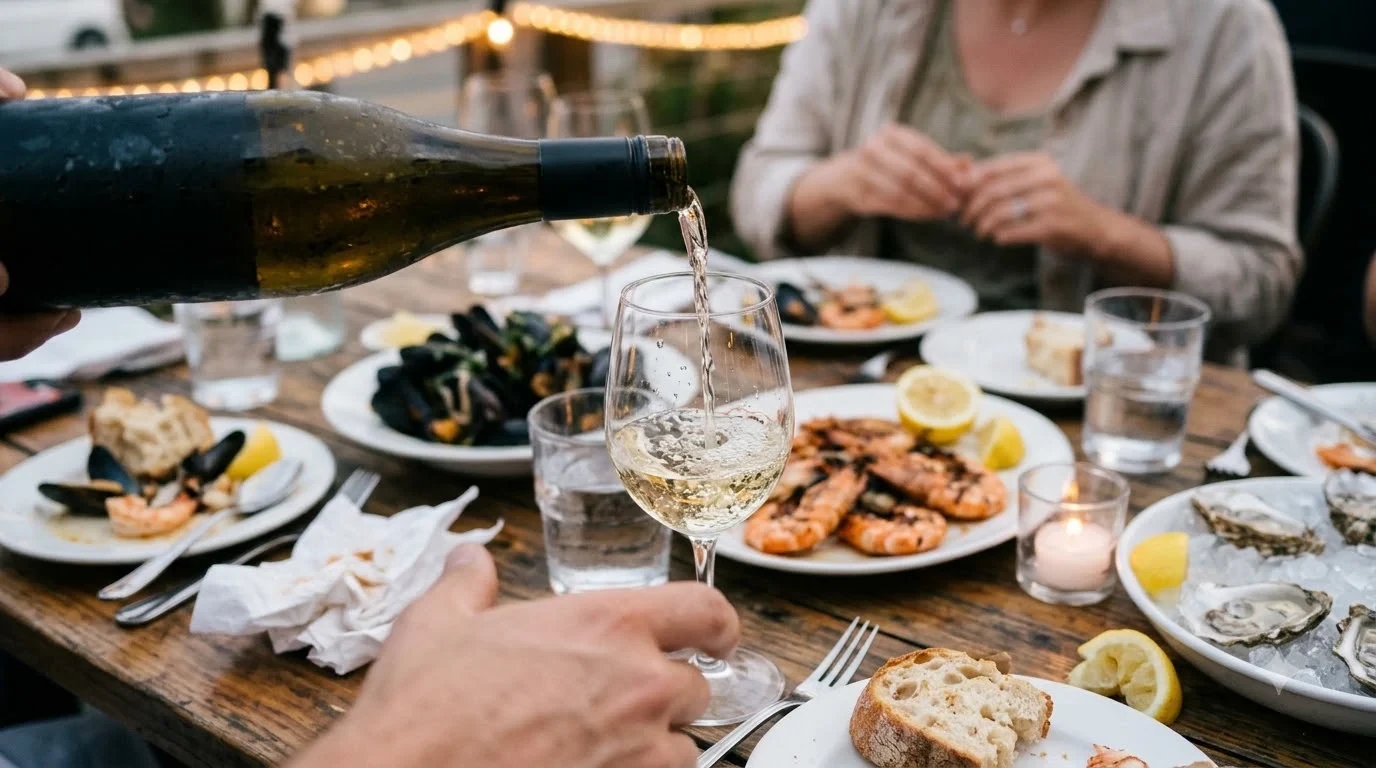
Prince Edward County’s wine scene works especially well alongside regional food, including local cheeses, charcuterie, seasonal vegetables, seafood, and farm-produced ingredients. The bright acidity of many County wines makes them particularly suitable for meals that combine freshness, salt, herbs, and moderate richness.
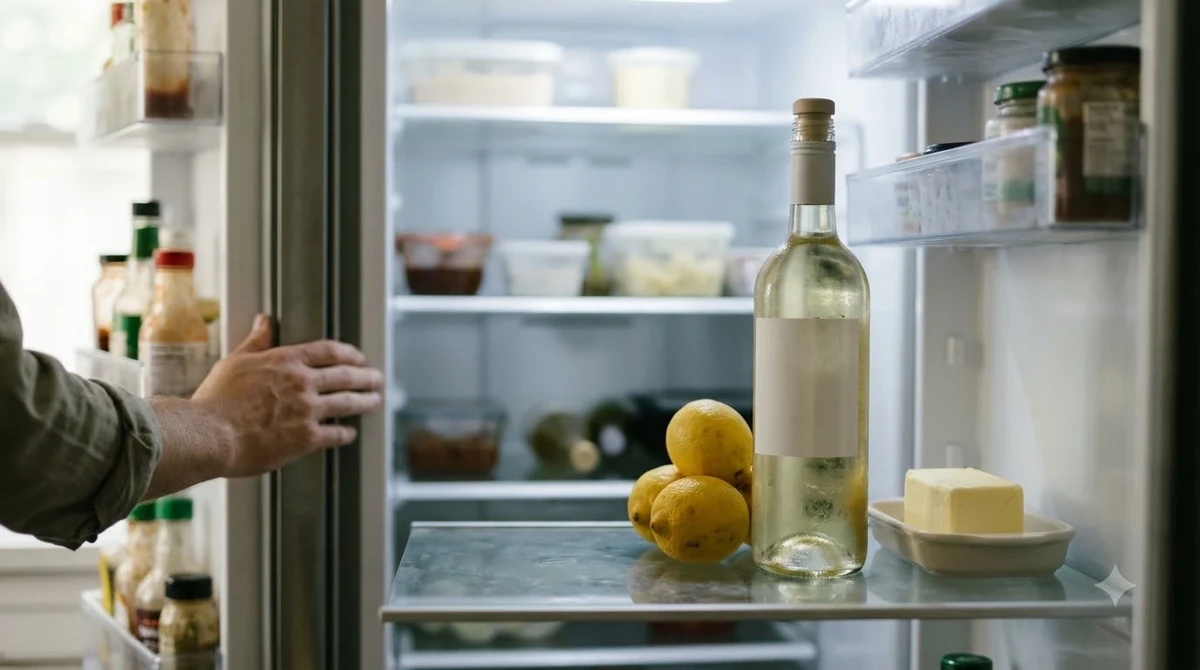
Chardonnay is a versatile companion for roast chicken, grilled white fish, creamy pasta, and dishes featuring mushrooms. Unoaked examples work particularly well with lighter preparations, while barrel-aged Chardonnay can handle richer sauces and roasted poultry. Serving Chardonnay at approximately 50 to 55 degrees Fahrenheit helps preserve freshness while allowing fuller examples to show their texture.
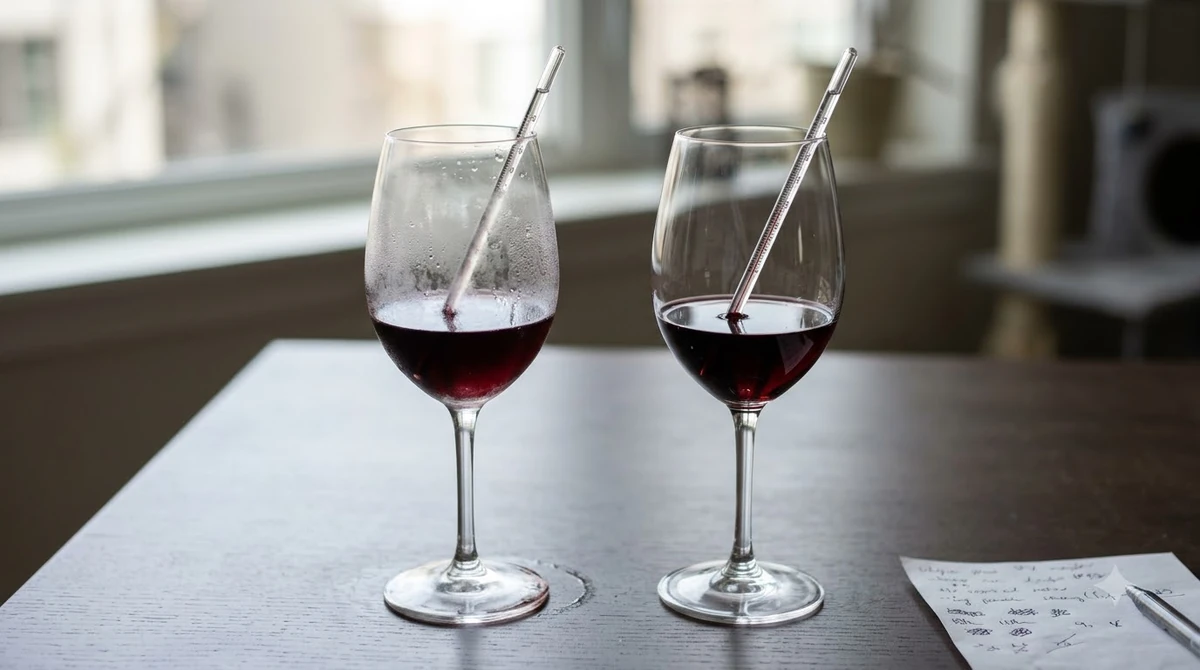
Pinot Noir pairs naturally with roast duck, grilled salmon, mushroom dishes, and roasted vegetables. Its relatively moderate tannin and fresh acidity make it more adaptable than highly structured red wines. Serve lighter examples around 55 to 60 degrees Fahrenheit rather than allowing the bottle to become too warm.
Cabernet Franc works well with grilled vegetables, roast pork, herb-seasoned chicken, and dishes featuring mushrooms or tomato-based sauces. Its herbal character can complement green herbs and roasted peppers. Gamay is a useful match for charcuterie, roast poultry, pizza, and casual dishes with tomato or fresh herbs.
Pinot Gris is particularly useful with seafood, salads, soft cheeses, and lighter vegetable dishes. Riesling can work with spicy Asian-inspired food, aromatic dishes, and meals with a noticeable degree of sweetness. The key is to match the wine’s acidity and sweetness to the dish rather than relying only on the grape name.
Local cheeses and charcuterie are practical choices during winery visits. Fresh and semi-soft cheeses can complement Chardonnay and Pinot Gris, while aged cheeses often work well with Pinot Noir and Cabernet Franc. Salt and fat can soften the perception of tannin in red wines, making richer cheeses especially useful partners for structured examples.
For a broader meal, consider the following combinations:
- Chardonnay and roast chicken: The wine’s acidity balances the richness of the meat, especially when served with herbs or mushrooms.
- Pinot Noir and duck: Red fruit and moderate tannin complement the savory character of duck without overwhelming the dish.
- Cabernet Franc and grilled vegetables: Herbal aromas complement roasted peppers, eggplant, and herbs.
- Pinot Gris and seafood: Fresh acidity supports delicate fish and shellfish preparations.
- Riesling and spicy dishes: A slightly off-dry style can balance chili heat and aromatic seasoning.
- Traditional-method sparkling wine and local cheese: Fine bubbles and refreshing acidity provide a useful contrast to creamy textures.
When tasting several wines with food, consider the overall intensity of the meal. Delicate Pinot Noir can disappear beside heavily spiced or strongly smoked dishes, while a more structured Cabernet Franc may be better suited to richer preparations. Oily fish generally pairs more comfortably with white wine or lighter reds than with strongly tannic reds.
Food is also part of the destination itself. Destination Ontario highlights wineries with charcuterie boards, seasonal pizzas, and on-site dining. Checking these facilities before visiting can help turn a tasting itinerary into a complete lunch or afternoon outing.
Best Seasons, Wine Events, and Practical Travel Advice
Prince Edward County is a year-round destination, but spring, summer, and fall provide different experiences for wine travelers. The warmer months generally offer more opportunities for outdoor tastings and vineyard visits, while seasonal events and quieter winter experiences give the region a different character.
Spring is an interesting time to visit as vineyards begin their annual growth cycle. The landscape changes quickly, and wine-focused events such as Terroir provide opportunities to discover regional producers and their latest releases. Weather can remain variable, so indoor tasting options are useful when planning an early-season trip.
Summer is popular for visitors who want outdoor patios, lakeside scenery, restaurant meals, and multiple winery stops. Long daylight hours make it easier to organize a full day of activities. However, summer weekends can be busy, and reservations are particularly useful for groups or visitors planning special experiences.
Fall combines harvest activity with changing countryside scenery. The grape harvest takes place at different times depending on variety, vineyard exposure, and seasonal conditions. Chardonnay, Pinot Noir, and other varieties do not necessarily reach harvest readiness together. Visitors interested in vineyard operations may find this period especially informative.
Winter is quieter, but it has its own regional traditions. Visit The County highlights Wassail and Élevage among the area’s colder-season wine events. These gatherings provide an opportunity to explore regional wine culture outside the main summer tourism period, although individual winery opening schedules may be reduced.
Wine Events Worth Knowing
Terroir is a spring wine event associated with the County’s producers and wine culture. It provides an opportunity to explore regional wines and meet people involved in local production. Visitors interested in learning about the appellation can use wine events to compare bottles from several wineries in one setting.
Fall harvest celebrations highlight the agricultural side of the region, connecting vineyard activity with local food and seasonal experiences. The colder months bring Wassail and Élevage, which offer different ways to engage with the County’s wine community.
For event planning and regional background, the Prince Edward County wine festival information can help visitors identify wine-focused gatherings and build a trip around a particular event. Dates, participating producers, ticket arrangements, and programming can change, so confirm details before booking accommodation.
Transportation and Accommodation
Driving is the most practical way to explore the County’s dispersed winery districts, but anyone participating in several tastings should arrange a designated driver or professional transportation. Winery visits are spread across rural roads, and relying on spontaneous transportation arrangements can make a carefully planned itinerary difficult.
Accommodation is available in and around communities such as Picton, Bloomfield, and Wellington. Staying overnight makes it easier to explore multiple winery districts without rushing back to the mainland. It also allows time for local restaurants, independent shops, and shoreline attractions.
Visitors should also consider including Sandbanks Provincial Park or a village visit in their itinerary. These attractions provide a useful contrast to winery stops and demonstrate why the County has become more than a wine-only destination.
For additional background on the area’s appellation and its relationship to other Ontario wine destinations, explore the Prince Edward County wine region overview or browse the broader Wine Regions collection.
Frequently Asked Questions
Is Prince Edward County part of the Niagara wine region?
No. Prince Edward County is a separate VQA appellation from the Niagara Peninsula. Ontario recognizes both as distinct wine-growing regions, with different vineyard geography and local growing conditions. Visitors can explore them on separate trips or combine them into a longer Ontario wine itinerary.
What does VQA mean on a Prince Edward County wine label?
VQA stands for Vintners Quality Alliance, Ontario’s appellation and wine certification system. The designation identifies wines that meet established origin and production standards. It provides consumers with a way to distinguish certified wines associated with a specific Ontario appellation from other wines produced or sold by a local winery.
Can visitors buy Prince Edward County wines directly from wineries?
Yes. Many participating wineries operate tasting rooms and retail sales facilities where visitors can purchase bottles directly. Some producers also offer wine club memberships, special releases, or seasonal events. Availability differs between wineries, so visitors interested in particular bottles should contact the producer before making a special trip.
How should Prince Edward County wine be stored after returning home?
Store unopened bottles in a cool, dark location with a stable temperature close to 55 degrees Fahrenheit. Bottles sealed with natural cork are generally best stored on their sides to keep the cork from drying out. Avoid direct sunlight, significant temperature fluctuations, and locations near heat-producing appliances.
Does Prince Edward County produce sparkling wine using traditional methods?
Yes. The region has producers making traditional-method sparkling wines, in which the second fermentation takes place inside the bottle. Chardonnay and Pinot Noir are particularly relevant varieties for this style. The County also has producers experimenting with pét-nat, which is made using a different fermentation approach and offers another expression of local sparkling wine production.
Prince Edward County wine country offers a distinctive combination of cool-climate viticulture, limestone-based soils, independent wineries, and memorable countryside experiences. Start with Chardonnay and Pinot Noir, explore the different winery districts, and leave enough time to enjoy the region’s food, villages, and lakeside scenery. Whether the goal is discovering new Ontario wines or planning a relaxed weekend away, The County provides an engaging introduction to Canada’s cool-climate wine culture.
More in Wine Regions
 Willcox Wine Trail: Discover Arizona’s High-Elevation Wine CountryUpdated Nov 20, 2026
 Yakima Valley Wine Region: Find the Best Styles to TryUpdated Nov 20, 2026
 Vosne Romanee Wine Tasting: Identify Aromas and Choose Better PairingsUpdated Nov 20, 2026
 Yakima Valley Wine Festival: Find the Best Seasonal Wine EventsUpdated Nov 20, 2026
 Wales Vineyards: Discover Cool-Climate Wines and Where to VisitUpdated Nov 20, 2026
 Yountville Wine Festival: Discover Napa Wines and Local FoodUpdated Nov 20, 2026