

We may earn a commission when you buy through links on this page, at no extra cost to you. Learn more.
The best port at costco is the best-quality Ruby, Reserve Ruby, Tawny, or Late Bottled Vintage Port available at your local warehouse, chosen according to your taste and intended use. Costco’s Port selection can vary by location, and its online catalog does not guarantee that a particular bottle is stocked. Rather than relying on an assumed Kirkland Signature Port or a particular vintage, compare the style, producer, label information, and intended drinking occasion before buying.
Port is a naturally sweet, fortified wine from Portugal’s Douro Valley, known for concentrated fruit, warming alcohol, and flavors that range from fresh blackberry to toasted nuts and caramel. It can be an excellent after-dinner bottle, a companion for chocolate and cheese, or an ingredient for cocktails and cooking. The trick to shopping at Costco is understanding which category delivers the experience you actually want and knowing how to recognize a worthwhile bottle when the warehouse selection changes.
Who Should Look for Port at Costco
Costco is worth checking for Port if you want a bottle for dessert, entertaining, cheese boards, or occasional after-dinner pours. The most useful starting points are Ruby and Tawny Port because they offer two distinct flavor profiles without requiring the long-term planning associated with collectible Vintage Port.

Port is different from ordinary red table wine. Producers make it by adding grape spirit during fermentation, which stops fermentation before all the natural grape sugar has been converted into alcohol. The result is a sweet, fortified wine that typically reaches approximately 20% alcohol by volume. A small glass can therefore provide a concentrated experience without requiring a full-sized wine pour.
For Costco shoppers, the first consideration is availability. Costco’s online Red Wine & Port category does not establish that a particular Port is currently available for delivery or stocked at every warehouse. The retailer specifically explains that warehouse merchandise can differ from online merchandise and recommends checking with a local warehouse. A product that appears in an older shopping discussion may no longer be stocked in your area.
There is also a difference between buying Port for immediate enjoyment and purchasing it as a collectible. A Ruby Reserve or Tawny is generally a practical choice for someone who wants to open a bottle without elaborate preparation. Vintage Port, by comparison, can require careful storage, decanting, and a larger gathering because its quality can change quickly after opening.
Consider the occasion before comparing bottles:
- Casual dessert drinking: Ruby Port provides ripe berry and plum flavors that work naturally with chocolate.
- Slow after-dinner sipping: Tawny Port offers nutty, caramelized flavors and generally keeps longer after opening.
- Special dinners: Late Bottled Vintage Port offers more concentrated fruit and structure.
- Summer entertaining: White Port is a useful alternative for chilled drinks and aperitifs.
- Cooking: An uncomplicated Ruby Port is useful for sauces, reductions, and desserts.
If the Port selection is limited, it can make sense to compare it with other Costco wine categories instead. The best red wine at costco may be a more suitable purchase if you need a bottle for the main course rather than dessert. Port is most useful when its sweetness and concentrated character serve a particular purpose.
Key Factors to Compare Before Buying
The strongest buying decision starts with four details: Port style, producer, alcohol level, and bottle-aging information. These details tell you more about the likely drinking experience than an attractive label or an unfamiliar vintage designation.
Use this comparison to narrow down the options you find at Costco. The serving temperatures and typical pour sizes below provide practical starting points based on established Port-serving guidance.
| Port style | Typical character | Serving temperature | Typical serving | Best use |
|---|---|---|---|---|
| Ruby | Blackberry, cherry, plum | 54–61°F | 3 oz | Chocolate and casual sipping |
| Reserve Ruby | Richer dark fruit and fuller texture | 54–61°F | 3 oz | Cheese and dessert |
| Late Bottled Vintage | Concentrated fruit, spice, structure | 60–65°F | 3 oz | Special dinners and chocolate |
| Tawny | Dried fruit, hazelnut, caramel | 50–57°F | 3 oz | Nuts, caramel desserts, aged cheese |
| White | Citrus, orchard fruit, honey | 43–55°F | 3 oz | Aperitifs and cocktails |
| Vintage | Dense dark fruit and complex bottle-aged flavors | 60–65°F | 3 oz | Special occasions and cellaring |
These are general style guidelines rather than guarantees for every bottle. Individual producers and bottling methods can affect the final profile, so compare the label’s category with the wine’s intended use. The differences are especially important between a filtered LBV and an unfiltered bottle-matured Port, which can require different preparation.
Producer and origin
Look for an identifiable Port producer and a clearly stated Portuguese origin. Authentic Port comes from the Douro Demarcated Region in Portugal. Recognizable producer names are useful starting points because the quality of the grape selection, blending, and maturation has a direct effect on the finished wine.
Port blends commonly include indigenous varieties such as Touriga Nacional, Touriga Franca, Tinta Roriz, Tinta Barroca, and Tinto Cão. These grapes contribute different elements, including dark fruit, floral aromas, color, structure, and acidity. You do not need to memorize every variety to make a good purchase, but a clearly identified producer and Port category help establish what you are buying.
Alcohol and bottle details
Port is usually around 20% ABV, considerably stronger than most conventional table wines. Compare the alcohol information on the bottles, particularly if you are choosing between different fortified wines. A smaller pour is normal and helps make the wine suitable for a leisurely dessert course.
Also distinguish between a bottle intended for immediate drinking and one designed for bottle aging. Tawny Port is generally aged in wood before bottling, while Vintage Port spends much of its development in the bottle. This difference affects its flavor, storage needs, and behavior after opening.
Step-by-Step: How to Find the Best Port at Costco
A practical Costco Port search does not need to be complicated. Start with the local inventory, identify your preferred style, and compare the information printed on the bottles before deciding.
-
Check the warehouse before visiting.
Use Costco’s local warehouse information and customer-service options to ask whether Port is currently stocked. Ask about Ruby, Tawny, LBV, and Vintage categories rather than asking only for a specific brand. This gives staff a clearer idea of the type of wine you want and helps avoid a wasted trip.
-
Decide whether you want fruit or nutty complexity.
Choose Ruby if blackberry, cherry, and plum sound appealing. Choose Tawny if you prefer dried figs, toasted almonds, hazelnuts, and caramel. These two styles cover the most common Port preferences and make a useful starting comparison.
-
Identify the producer.
Look for an established Port producer with a clearly identified wine category. Avoid treating a familiar-looking label as proof of quality. Producer identity, the category, and the bottle’s aging method are more informative than packaging alone.
-
Read the full Port designation.
Distinguish between Ruby, Reserve Ruby, LBV, Vintage, and Tawny. A 10-year-old Tawny and a Vintage Port are not interchangeable, even though both can be considered premium bottles. The former communicates an age-indicated wood-aged style; the latter identifies wine from a single declared vintage intended for bottle development.
-
Compare the alcohol percentage and volume.
Check the ABV and bottle size to understand what you are purchasing. Port commonly has approximately 20% ABV, and a 3 oz pour is a useful serving reference. Do not compare two bottles solely by their apparent size or label presentation.
-
Match the wine to your food.
For chocolate cake or dark chocolate, choose Ruby or LBV. For pecan pie, walnuts, caramel desserts, or aged cheese, Tawny is usually the more natural pairing. A bottle intended for a cheese board may not be the same one you would choose for a refreshing summer cocktail.
-
Check the bottle’s condition.
Look for a clean, undamaged bottle, an intact closure, and no obvious signs of leakage. For Vintage Port, consider how it has been stored and whether the bottle has remained in suitable conditions. Poor storage can undermine the value of an otherwise appealing bottle.
-
Buy according to your opening plans.
If you are drinking alone or with one other person, Tawny is a particularly practical choice because wood-aged Port generally tolerates opening better than bottle-aged Vintage Port. For a dinner party, LBV or Ruby may be more suitable when several guests will share the bottle.
Tip: If Costco has several unfamiliar Port bottles, prioritize the clearest label information. A named producer, an identifiable Port category, and a recognizable aging designation are more useful buying signals than an attractive package or an unsupported claim of exceptional value.
One useful approach is to take a photograph of the bottles you are considering and compare their categories before purchasing. This is particularly helpful if the selection includes multiple Tawny age indications or both filtered and unfiltered LBV wines. Those distinctions affect how the wine tastes and how much preparation it needs.
Types of Port Explained: Ruby, Tawny, LBV, and Vintage
Port has several distinct categories, and choosing the right one is more important than chasing an unfamiliar label. Ruby and Tawny represent the main contrasting styles, while LBV and Vintage provide additional options for shoppers seeking more concentration or bottle-aged complexity.

Ruby Port: The approachable choice
Ruby Port is generally bottled relatively young to preserve its fresh, dark-fruit character. Expect flavors such as blackberry, raspberry, black cherry, and plum. It is often the easiest style to understand because its fruit-forward profile makes an immediate impression without requiring extensive knowledge of wine aging.
Ruby is a good option if you want a versatile bottle for chocolate desserts, berry pastries, or casual after-dinner drinking. It also works in cooking. Wine Folly identifies Ruby Port as an economical style for cooking applications, where its fruit and sweetness can contribute to sauces and desserts.
When shopping at Costco, a straightforward Ruby or Reserve Ruby is a sensible choice if you do not have a strong preference for oak-aged flavors. Reserve Ruby generally offers a richer, more selected blend than basic Ruby, although exact differences depend on the producer.
Tawny Port: The nutty, mellow alternative
Tawny Port spends time aging in wooden casks, where gradual oxygen exposure changes its color and flavor. The result is a more amber-toned wine with characteristics such as dried fig, walnut, hazelnut, butterscotch, caramel, and baking spice.
This is often the most practical style for someone who enjoys a small glass over several evenings. Wood-aged Tawny has already experienced controlled oxidation during maturation, so it is generally more resilient after opening than Vintage Port. Its flavor also works especially well with pecan pie, caramel desserts, roasted nuts, and aged cheeses.
Age-indicated Tawny bottles may carry designations such as 10, 20, 30, or 40 years. These numbers describe the intended average age profile of the blend rather than promising that every wine in the bottle is exactly that old. A 10-year Tawny can be an accessible introduction to the category, while older indications generally signal more developed and layered flavors.
Late Bottled Vintage: More depth without collectible bottle aging
Late Bottled Vintage, commonly abbreviated LBV, comes from a single harvest year and spends an extended period maturing in wood before release. The category offers concentrated dark fruit and a more structured character than a basic Ruby.
LBV is a useful choice for people who want something more substantial for a dinner party without necessarily purchasing a collectible Vintage Port. Some LBV wines are filtered before bottling and are ready to serve immediately. Traditional unfiltered LBV may develop sediment and can benefit from decanting.
For a Costco shopper, the key is to distinguish the filtered and unfiltered versions rather than assuming every LBV bottle needs identical preparation. If the label does not make the filtration status clear, ask the retailer or consult the producer’s information.
Vintage Port: A bottle for a special occasion
Vintage Port is made from a single declared vintage and is intended to develop in the bottle over time. It can offer remarkable concentration, dark fruit, spice, and increasingly complex aromas as it matures. Unlike a ready-to-drink Tawny, it is a wine that may benefit from careful cellaring and preparation.
Vintage Port is generally unfiltered and can develop sediment as it ages. It should usually be stood upright before opening and gently decanted to separate the wine from the deposit. Older bottles can be fragile, making their storage history and handling particularly important.
This is not necessarily the best everyday purchase at Costco. If you want a simple bottle for a Tuesday evening dessert, Ruby or Tawny is usually easier. Vintage makes more sense for a planned celebration, a serious collector, or a dinner where the bottle will be enjoyed soon after opening.
White and Rosé Port: Alternatives worth recognizing
White Port is produced using white grape varieties, including Rabigato, Viosinho, Gouveio, and Malvasia. Its character can range from dry and fresh to sweet and honeyed. It can be served chilled as an aperitif or mixed with tonic water, ice, and citrus.
Rosé Port is a younger, fruit-forward style with cherry, strawberry, and raspberry characteristics. It is generally suited to chilled drinking and lighter occasions. These styles may be less familiar in a Costco wine aisle, but they are useful alternatives if you prefer something less traditional than a dark, rich red Port.
For a broader comparison of fortified and sparkling alternatives, the best champagne at costco serves a different occasion: Champagne is generally drier and sparkling, whereas Port is fortified and often sweet. Both can appear at celebrations, but they do not provide the same drinking experience.
Common Mistakes When Buying Port at Costco
Several buying mistakes can lead to disappointment even when the bottle itself is sound. Most involve confusing Port categories, assuming warehouse inventory is universal, or selecting a wine that does not suit the occasion.
Assuming every Costco carries the same bottle
Costco’s wine selection varies among warehouses. Regional purchasing decisions, distribution, seasonal inventory, and local availability can all influence what appears on the shelves. A bottle mentioned in an online discussion is not proof that the same product is currently available at your nearest location.
The same caution applies to Kirkland Signature products. Do not assume that a Kirkland Port is a permanent offering simply because Costco carries Kirkland Signature wines in other categories. Verify the specific bottle rather than relying on an old product mention or an unconfirmed warehouse photograph.
Confusing Tawny age statements with Vintage years
A 20-year Tawny and a Vintage Port from a particular harvest year describe different production approaches. The age indication on Tawny communicates an average profile produced through wood aging. A Vintage designation identifies wine from a single harvest selected for bottle aging.
These bottles are not directly interchangeable. Someone who enjoys caramel and hazelnut may prefer an age-indicated Tawny, while a collector interested in developing dark fruit and bottle complexity may prefer Vintage Port.
Choosing sweetness without considering dessert
Port is generally sweet, but different styles have different degrees of sweetness and fruit intensity. Pairing a wine with a dessert that is substantially sweeter can make the wine seem thin or less satisfying. The useful rule is to choose a wine at least as sweet as the dessert.
Ruby and LBV are natural partners for dark chocolate, brownies, and chocolate mousse. Tawny generally makes more sense with pecan pie, caramel, dried fruit, and nut-based desserts. If the dessert is extremely sweet, choose a Port that has enough sweetness and concentration to hold its own.
Buying Vintage Port without considering sediment
Vintage Port is not always ready to pour immediately after opening. Bottle aging can create a deposit that should be separated from the wine through decanting. Pouring the entire bottle without preparation can introduce sediment into the glasses and affect the drinking experience.
It is also important not to confuse sediment with a defect. In an older, unfiltered bottle, it can be a natural consequence of maturation. The important factors are storage condition, bottle age, and careful handling.
Using a full wine pour for a fortified wine
A standard table-wine serving is larger than the usual Port serving. Port is commonly poured in portions of approximately 3 oz, allowing enough room for its concentrated aromas without treating it like an ordinary glass of red wine.
A smaller pour also makes it easier to serve several styles during a dessert course. For example, a guest could compare Ruby with Tawny without committing to two full glasses. This is a particularly useful approach for a tasting after dinner.
Care, Serving, and Storage Tips for Costco Port
Good storage and serving habits help preserve the character of Port after purchase. Keep unopened bottles in suitable conditions, serve each style at an appropriate temperature, and pay attention to the different opening windows for Tawny and Vintage Port.
Serving temperatures
Port generally benefits from being served cooler than a warm room. Tawny is best slightly chilled, while Ruby and Vintage are better served cool rather than refrigerator-cold. White Port is also well suited to chilling, especially when served as an aperitif.
- Ruby and Reserve Ruby: approximately 54–61°F.
- LBV: approximately 60–65°F as a practical starting point.
- Tawny: approximately 50–57°F.
- Vintage: approximately 60–65°F.
- White Port: approximately 43–55°F, depending on style and sweetness.
These temperatures are starting points rather than rigid rules. A slightly cooler Tawny can emphasize freshness, while allowing a glass to warm gradually can reveal more developed aromas. Avoid serving a complex Vintage Port excessively warm because alcohol can become more prominent and obscure its fruit.
Glassware and portion sizes
A traditional Port glass is useful, but a small white wine glass is also suitable. Premium Port Wines recommends an 8–10 oz white wine glass or traditional Port glass rather than a tiny cordial glass. A larger opening allows you to swirl the wine and appreciate its aromas.
Pour approximately 3 oz at a time. This gives the wine room to release its aromas while keeping the serving size appropriate for its concentrated sweetness and alcohol. A bottle can be shared among several people without needing the same volume of wine poured for everyone.
Decanting and opening
Ruby and most filtered LBV wines are generally ready to serve without decanting. Tawny is also usually ready to pour because its maturation and clarification happen before bottling. Vintage Port is different because sediment can accumulate during bottle aging.
According to Premium Port Wines’ proper serving guidance, Vintage Port younger than 40 years is generally opened and decanted two to three hours before drinking. Bottles older than 40 years are more fragile and are generally decanted only 30 minutes to one hour before serving. Stand the bottle upright first, pour gently, and stop when sediment approaches the neck.
Storage before opening
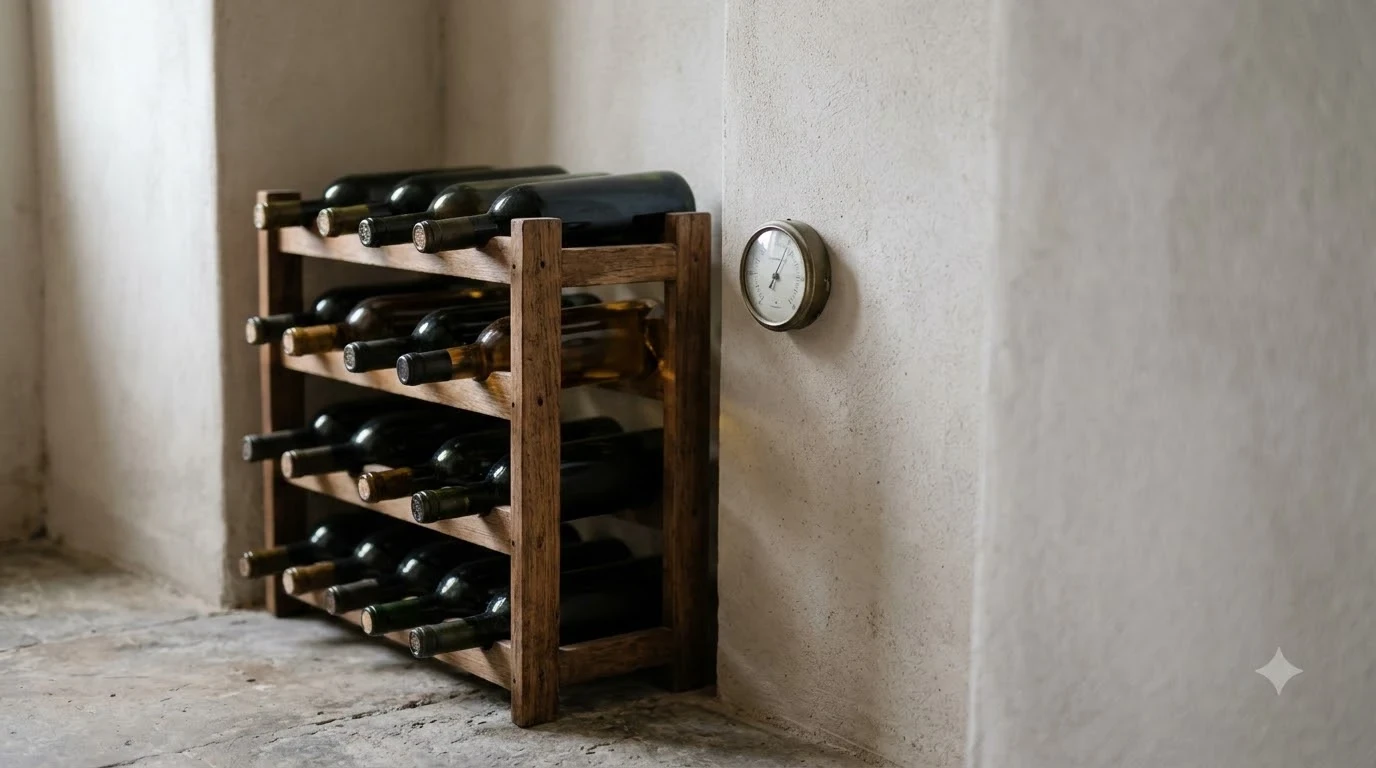
Store suitable unopened Port bottles in a cool, dark, stable environment away from direct sunlight and temperature fluctuations. For long-term wine storage, a location near 55°F is a useful general target. Traditional cork-sealed bottles intended for extended aging should generally be stored on their sides to keep the cork from drying out.
Not every Port needs long-term cellaring. Many Ruby and Tawny bottles are released ready to drink and will not necessarily improve with additional years in your home. Follow the producer’s recommendations rather than assuming that every fortified wine becomes better with age.
Keeping an opened bottle
Once opened, Port’s lifespan depends strongly on its category. Wood-aged Tawny is generally more resistant to oxygen than Vintage Port, while young Ruby gradually loses its fresh fruit character. Close the bottle promptly and keep it in a cool environment; refrigeration is a practical way to preserve many opened styles.
Premium Port Wines states that Tawny can remain fresh for months after opening and that young Ruby may remain fresh for approximately six to eight weeks under suitable conditions. These are producer guidance figures, not guarantees for every bottle. Vintage Port is much more delicate and should ideally be enjoyed within one or two days after opening.
For shoppers choosing one bottle to keep around for occasional desserts, Tawny can therefore be a particularly convenient purchase. For a planned dinner with several guests, Ruby or LBV can be more practical if the bottle will be finished shortly after opening.
Frequently Asked Questions
Does Costco sell Kirkland Signature Port wine?
Costco’s online wine category does not establish that Kirkland Signature Port is a permanent product. Its online catalog also explains that warehouse merchandise may differ from online availability. Contact your local warehouse to confirm whether a specific Kirkland Port bottle is currently stocked.
What is the difference between Port and regular red wine?
Port is fortified with grape spirit during fermentation, which preserves natural grape sweetness and increases alcohol content. Regular dry red wine generally completes fermentation without this addition. Authentic Port also has a protected geographic origin in Portugal’s Douro Demarcated Region.
Can Port wine be used to make cocktails?
Yes. White, Ruby, Rosé, and Tawny Port can all be used in different cocktail preparations. White Port with tonic water, ice, and lime is a traditional-style aperitif combination commonly known as a Portonic. Ruby Port can also contribute dark-fruit character to mixed drinks.
Does an older Tawny Port need to be aged at home?
Generally, no. An age-indicated Tawny has already developed its intended wood-aged character before bottling and is normally ready to drink when purchased. Additional home aging is not required to achieve its advertised age profile.
Can Port wine be served with savory food instead of dessert?
Yes. Ruby and Vintage Port can complement blue cheese, while Tawny can accompany roasted nuts and aged cheeses. White Port also works with salty appetizers, olives, and savory snacks. The combination of sweetness and salt is particularly useful for balancing intensely flavored cheeses.
The best port at costco depends on what your local warehouse actually carries and whether you prefer fresh Ruby fruit, mellow Tawny complexity, or the greater concentration of LBV and Vintage Port. Start with the label, producer, and style rather than assuming a particular bottle is available everywhere. With those details in mind, you can choose a Port that suits your dessert table, cheese board, or next special dinner.
More in Wine Buying Guides
 Riesling Gift: Choose a Bottle They’ll LoveUpdated Nov 21, 2026
 Sweet Red Wine Gift: Choose a Bottle They’ll LoveUpdated Nov 21, 2026
 Malbec Gift: How to Choose a Memorable Bottle for Any OccasionUpdated Nov 21, 2026
 Sherry Gift Ideas That Match Every Wine LoverUpdated Nov 21, 2026
 Moscato Gift: How to Choose a Sweet Wine They’ll LoveUpdated Nov 21, 2026
 Merlot Gift: How to Choose a Bottle They’ll AppreciateUpdated Nov 21, 2026