

We may earn a commission when you buy through links on this page, at no extra cost to you. Learn more.
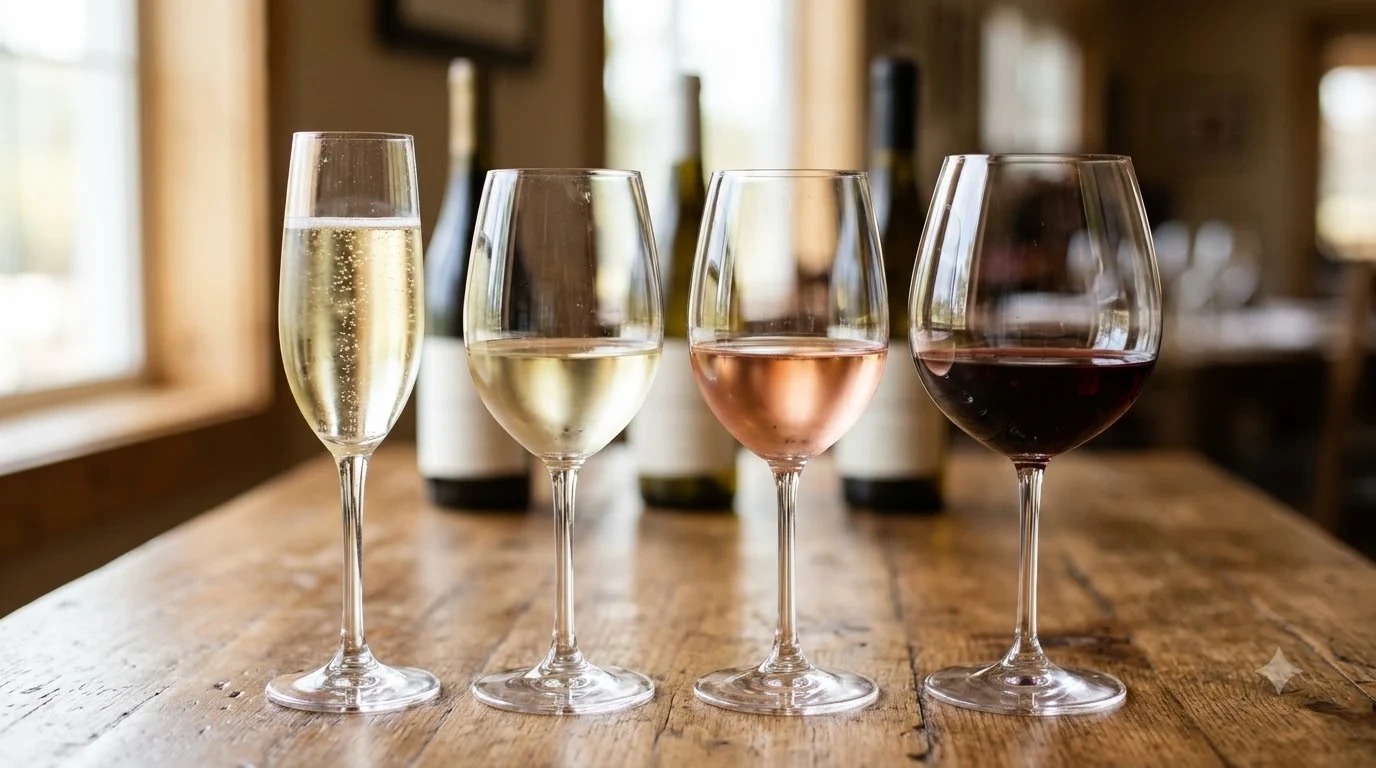
The best champagne at Costco depends on the sweetness you want, and the label tells you most of that before you reach the register. A Brut bottle from the Champagne region of France is a sensible starting point because it is the most common dry style and suits a wide range of food. Stock changes by warehouse and season, so any list of bottles on the shelf is only a starting point.
Shoppers searching for the best champagne at Costco usually want one bottle for a celebration, a holiday table, or a gift. The bulk format means the selection rotates, which makes it harder to pick by memory of a brand. A better approach is to learn a handful of label terms and compare bottles on those terms. Once you know what Brut, Extra Dry, and vintage mean, you can judge most sparkling wines on the shelf in under a minute.
Quick Comparison of Champagne Styles
Sweetness is the first thing to check. The Champagne appellation sets sugar ranges for each style, measured in grams per litre, and those ranges are what separate a bone-dry bottle from a sweeter one. The table below summarises the main styles you are likely to see at a warehouse club.
| Label term | Sugar range (g per litre) | Flavor direction | Good with |
|---|---|---|---|
| Extra Brut | Under 6 | Tight, crisp, citrus and chalk | Oysters, fried snacks, sushi |
| Brut | Under 12 | Dry, bright apple and brioche | Almost any course, toasts |
| Extra Dry | 12 to 17 | Softer, a touch of ripe fruit | Spicy dishes, fruit desserts |
| Demi-Sec | 32 to 50 | Sweet, honeyed, round | Cakes, fruit tarts, blue cheese |
Despite the name, Extra Dry sits on the sweeter side of Brut. Many shoppers reach for it expecting a drier wine, so reading the sugar range matters more than the word “dry” on its own.
Best for a Dry, Versatile Toast
A Brut bottle is the choice most people want for a general celebration. It has enough acidity to cut through rich food and enough fruit to be pleasant on its own before dinner.
Wine Folly’s Champagne guide describes the wine as dry, with light body and high acidity, and recommends serving it between 38 and 45°F (3 to 7°C) in a flute. A chilled Brut is therefore easy to serve to a mixed group. It does not need decanting, and it works both as an aperitif and alongside the main course. The same source notes that salty, fried, or fishy dishes pair well with Champagne, which makes Brut a practical pick for a party spread.
Best for a Bone-Dry Pairing
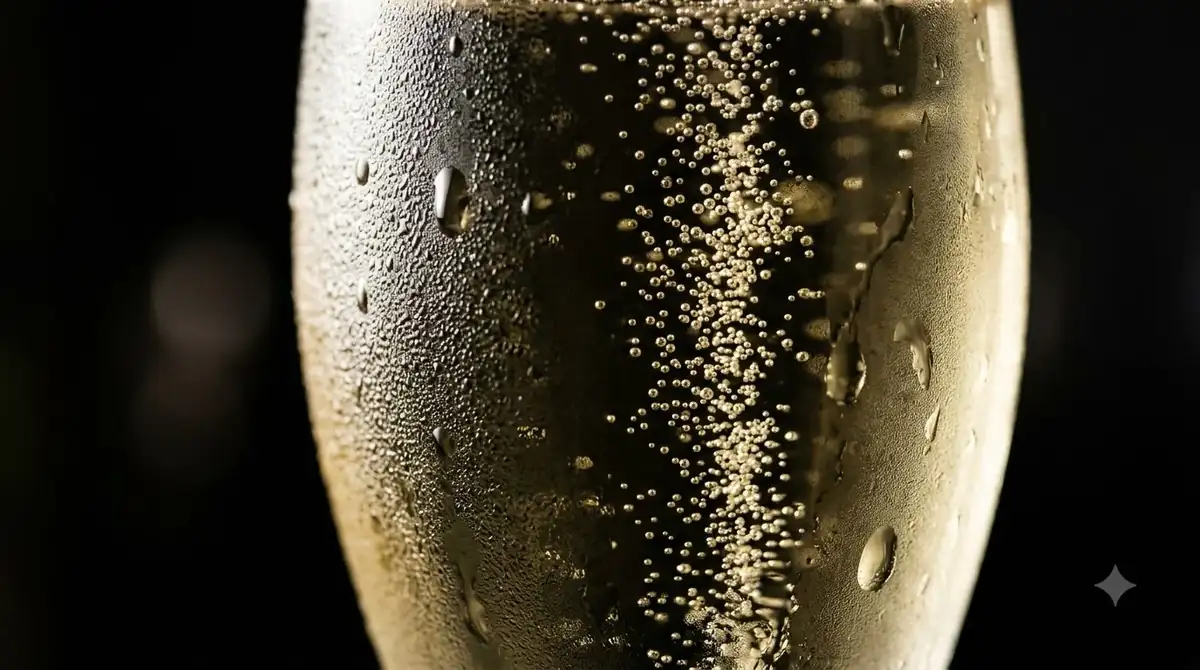
Extra Brut and Brut Nature bottles have very little added sugar. They suit diners who find sweet wines heavy and want a sharper, more mineral finish with oysters, raw seafood, or salty snacks.
Because there is so little sugar to soften the acidity, these wines show their structure clearly. Many people find them an acquired taste at first, and a practical test is to pour a small glass alongside a plate of simple food, such as fried potatoes or a fresh cheese, and see whether the wine lifts the flavours. If it does, a bone-dry bottle will likely become a regular choice for savoury meals.
The trade-off is intensity. A very dry bottle can taste thin when served with a sweet dessert, so choose it for savoury food or for an early pour. Check the label for the words Extra Brut or Brut Zero to find these styles.
Best for Sweeter Dessert Pairings
Extra Dry and Demi-Sec bottles carry more sugar, which balances tart fruit desserts and creamy cakes. Demi-Sec is the sweetest common style, with a range of 32 to 50 grams per litre, and it is often chosen for a dessert course rather than an aperitif.
A slightly chilled sweet sparkling wine can be a good match for fruit tarts or a simple cake. Because sweet wines tend to taste flatter when they are too warm, keep the bottle cold until just before the dessert is served.
Best for a Chalky, Crisp Chardonnay Style
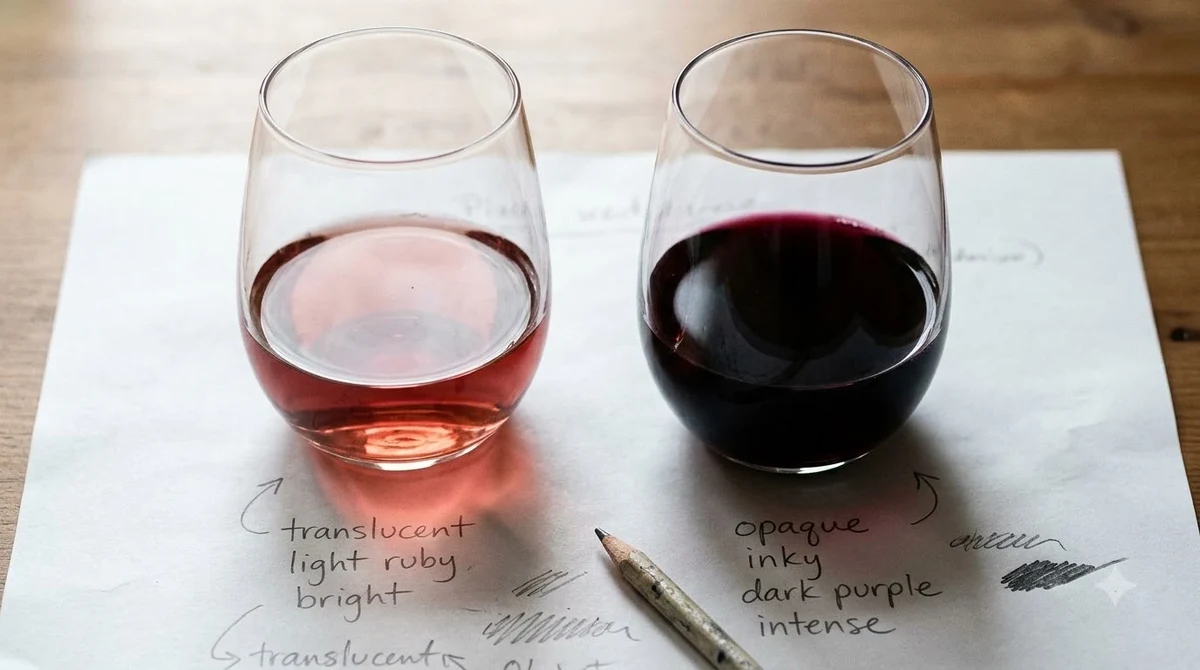
Blanc de Blancs wines are made from Chardonnay alone. They tend to be lighter and more citrus-driven than blends built on Pinot Noir, and many drinkers find them the most refined option on a shelf full of sparkling wine.
The label term Blanc de Blancs describes the grape, not the sweetness, so check the sugar level separately. A Blanc de Blancs bottle can be Brut or Extra Brut. Pair it with light seafood, chicken, or a cheese plate where the wine’s acidity can refresh the palate between bites.
Best for a Fuller, Berry-Led Style
Blanc de Noirs is made from Pinot Noir, Pinot Meunier, or both. The wine is usually fuller and rounder, with red-fruit notes that suit a meal with roast poultry or richer sauces. Rosé Champagne is a related option that adds berry character and a pink colour, which makes it a common choice for a special occasion.
Because these styles carry more body, they can handle heavier food than a light Brut. They are less versatile at a mixed table, so match them to the dish they will accompany rather than serving them as a general welcome drink.
How to Choose
Use this checklist before you pick up a bottle. Each point is something you can read directly on the label or the shelf card. Start with the sweetness word, then consider the occasion, and only then compare producers. A clear order keeps the decision simple even when the shelf is crowded.
Bottle size also matters for a gathering. Standard 750 ml bottles are easy to share, while larger formats are better suited to a long party. Whatever size you choose, give it enough time in the refrigerator to reach the serving range before the party starts.
- Read the sweetness word. Brut is dry, Extra Brut is drier, and Demi-Sec is sweet. The word is the most useful single clue.
- Decide between non-vintage and vintage. Non-vintage Champagne blends grapes from several harvests and is the most common style. Under the appellation rules it must age at least 15 months to develop its flavour. Vintage Champagne comes from one declared year and must mature for at least three years.
- Confirm the region. Only sparkling wine from the Champagne region of France can use the name Champagne. Other sparkling wines, such as Prosecco or Cava, are a different category.
- Match the food. Choose a dry style for savoury dishes and a sweeter style for desserts.
- Chill before serving. Aim for 38 to 45°F before you open the bottle, and keep it cold until the moment it is poured.
Frequently Asked Questions
Is every sparkling wine at Costco called Champagne?
No. The name is protected. Under the appellation rules, Champagne is a sparkling wine made in the Champagne region of France. Sparkling wines from other regions carry their own names and should be judged on their own labels.
What does Brut mean on a champagne label?
Brut means the wine contains less than 12 grams of sugar per litre. It is the most common style sold today and is dry enough to pair with most meals, which is why it is often the first bottle people try.
Is a vintage Champagne better than a non-vintage bottle?
Neither is better in every case. Non-vintage bottles blend several years for a consistent house style, while vintage bottles reflect one harvest and must age at least three years. Choose vintage for a special bottle to keep, and non-vintage for everyday drinking.
How cold should champagne be served?
Wine Folly suggests serving Champagne between 38 and 45°F (3 to 7°C). Keep the bottle in the refrigerator until shortly before serving, and pour into a flute so the bubbles last longer.
Choosing the best champagne at Costco comes down to reading the sweetness word, deciding whether you want a vintage bottle, and matching the style to the meal. For a broader look at how these choices fit together, the wine buying guide covers the basics, and if you are comparing the warehouse selection with other stores, the champagne at Trader Joe’s guide shows how a different shelf is organised.
More in Wine Buying Guides
 Riesling Gift: Choose a Bottle They’ll LoveUpdated Nov 21, 2026
 Sweet Red Wine Gift: Choose a Bottle They’ll LoveUpdated Nov 21, 2026
 Malbec Gift: How to Choose a Memorable Bottle for Any OccasionUpdated Nov 21, 2026
 Sherry Gift Ideas That Match Every Wine LoverUpdated Nov 21, 2026
 Moscato Gift: How to Choose a Sweet Wine They’ll LoveUpdated Nov 21, 2026
 Merlot Gift: How to Choose a Bottle They’ll AppreciateUpdated Nov 21, 2026