

We may earn a commission when you buy through links on this page, at no extra cost to you. Learn more.
Piper Heidsieck Brut is the house’s Cuvée Brut, a dry Champagne made from the three classic Champagne grapes, Chardonnay, Pinot Noir and Pinot Meunier, and it is the bottle many people reach for when they want a bright, dependable sparkling wine. The style leans toward citrus, yellow apple and light toast, and it is served chilled in a flute. The house itself dates back to 1785.
If you have seen the name on a restaurant list or a shop shelf and wondered what it actually tastes like, how it is served, and whether it is the right bottle for a particular meal, this guide walks through those questions in order. It draws on the producer’s own pages and on a Champagne overview from Wine Folly, and it keeps to what those sources describe.
What Piper-Heidsieck Brut Is
Piper-Heidsieck is a Champagne house, which means its wines come from the Champagne region of northern France and follow the rules of that appellation. The house’s Cuvée Brut is one of the wines it lists in its core range, and it is the Champagne most people encounter first when they explore the brand.
The producer’s own Our House page calls the wine “complex but not complicated,” a phrase that signals the house is aiming for a Champagne that rewards attention without asking for it. That is a marketing line rather than a technical description, so treat it as the house’s intention rather than a measured result.
Grapes and Blend
Champagne is made from three grapes: Chardonnay, Pinot Noir and Pinot Meunier. Chardonnay contributes lift and freshness, while the two red-skinned varieties add body and structure even though the juice is pressed off the skins. According to Wine Folly’s Champagne overview, these three grapes are the foundation of every style in the region, and a house blend simply sets the proportions.
The producer’s pages do not publish the exact share of each grape in the Cuvée Brut, so this guide does not give percentages. What you can rely on is the general Champagne framework: a blend of these three varieties, a second fermentation in the bottle that creates the bubbles, and a dry finish in the Brut category.
Blending matters more than most drinkers realize. A house blends wines from several vintages and sites so that each bottle tastes the same from year to year, and that consistency is part of what a house-style Brut is meant to deliver. Chardonnay tends to bring the lighter, more floral lift, Pinot Noir adds weight and red-fruit depth, and Pinot Meunier rounds out the middle with softer fruit. When you taste a Brut, you can often trace those three contributions in turn: a bright first impression, a fuller middle, and a finish that lingers on toast and citrus.
Flavor and Style
Brut is the category most people mean when they order Champagne without a sweetness word attached. Wine Folly describes Champagne in general as dry with high acidity and a light body, and lists citrus, yellow apple, cream, almond and toast as the core flavors. Those are the notes to look for in a Brut from this house.
Because the wine is dry, it does not read as sugary the way some sparkling wines do. The acidity gives it a clean edge, and the toasty, nutty notes come from time spent aging on the lees. That acidity is also why a dry Brut is easy to match with food, since it has enough edge to cut through rich or fried dishes without overwhelming a simple plate.
| Aspect | What Wine Folly Says About Champagne |
|---|---|
| Grapes | Chardonnay, Pinot Noir, Pinot Meunier |
| Dryness | Dry, high acidity, no tannins |
| Body and alcohol | Light body, roughly 10 to 11.5% ABV |
| Typical flavors | Citrus, yellow apple, cream, almond, toast |
| Serving temperature | 38 to 45 degrees F (3 to 7 degrees C) |
| Glass | Flute |
How to Serve It
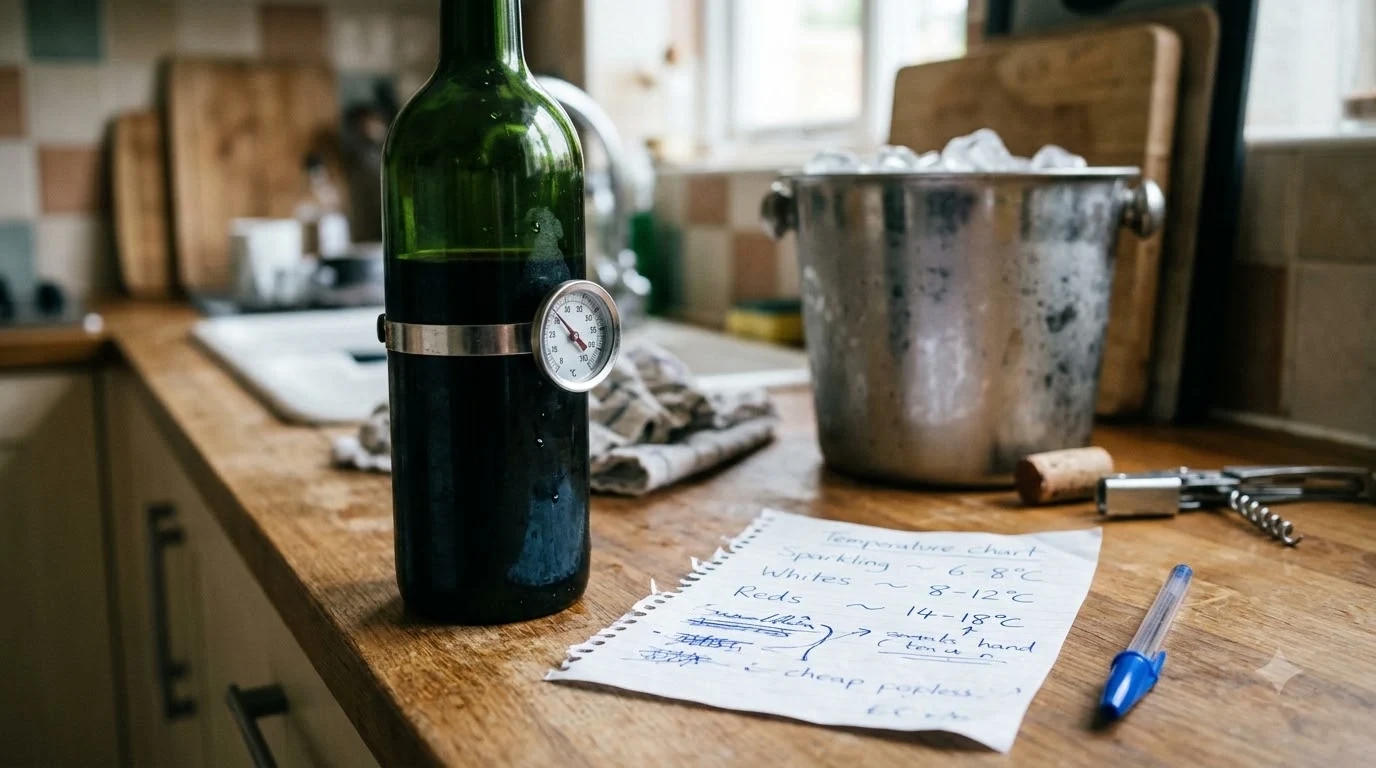
Serve the Cuvée Brut well chilled, in the range Wine Folly recommends for Champagne, which is 38 to 45 degrees Fahrenheit. A bottle that sits in the refrigerator for a few hours will land in that window. Pour it into a flute, which keeps the bubbles lively and concentrates the aromas. A wide glass works too, but a flute is the standard choice.
Decanting is not necessary. Wine Folly advises against decanting Champagne, because the bubbles and fresh fruit character are what you want to keep. Open the bottle carefully, pour gently, and drink it within a day or two of opening so the carbonation stays lively.
Food Pairing
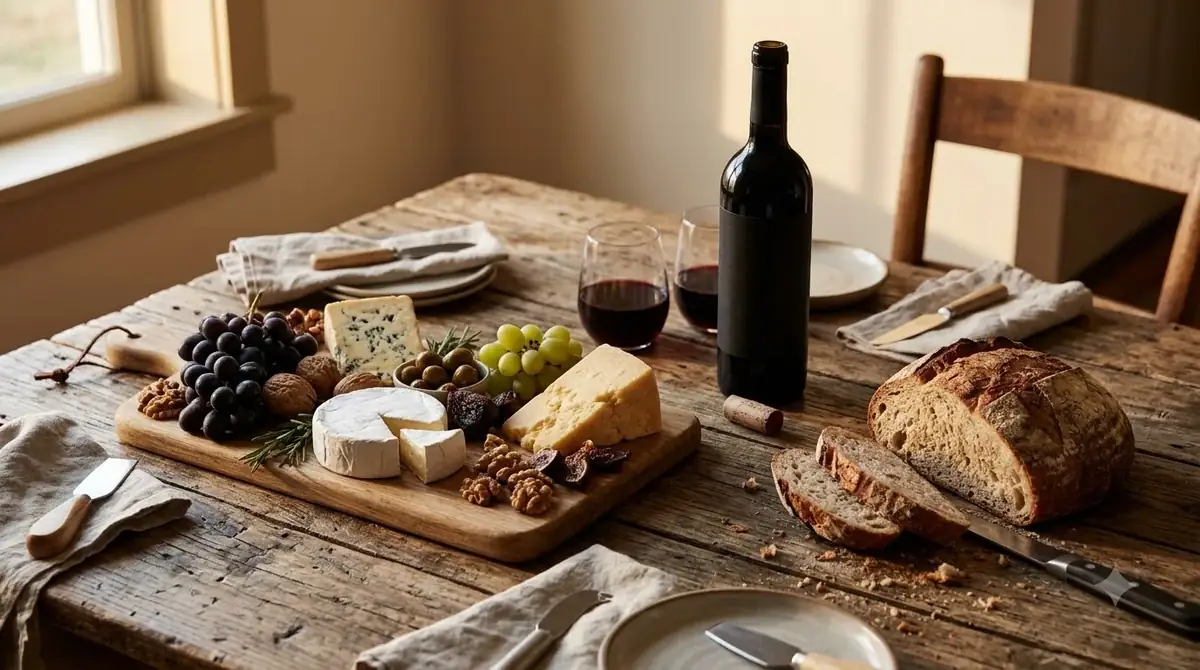
Champagne is more versatile at the table than most people expect, and Wine Folly notes that salty, fried and fishy dishes pair well with it. The acidity and bubbles scrub the palate after a rich bite, which is why sparkling wine shows up alongside fried chicken, oysters, smoked salmon and buttery popcorn.
Wine Folly also suggests serving Champagne with the main course rather than limiting it to the aperitif hour. A Brut can carry a full meal if the food has some salt or fat. For a lighter pairing, try soft cheeses, cucumber sandwiches, or a simple plate of roasted vegetables with lemon. For celebrations, a classic pairing is with a plate of fried appetizers and a small bowl of salted nuts.
How to Choose This Bottle
Choose the Cuvée Brut when you want a dry Champagne that works across many occasions. If you prefer a softer, more fruit-forward sparkling wine, a sweeter style may suit you better, and it helps to remember that the Brut category is only one point on the sweetness scale. If you are hosting a larger group, consider how many guests will want to drink Champagne with dessert, since a drier Brut can feel sharp next to very sweet food. If you are building a broader sparkling collection, it helps to compare Brut from several houses so you learn which style you like before you commit to a case.
When you compare bottles, look at the label for the Champagne designation and the house name, and read the back label for any serving advice. Champagne from other regions that is made by the same method is labeled sparkling wine, so the word Champagne on the front is the clearest sign you are buying the real thing from the region. Store the bottle on its side in a cool, dark place if you plan to keep it for a while, and drink it within a few years of purchase for the freshest character. For a wider look at how producers position their lines, the wine brands guide is a useful next stop, and the Andre Spumante page shows how a different sparkling wine compares in style.
Frequently Asked Questions
Is Piper-Heidsieck Brut dry or sweet?
The Cuvée Brut is a Brut-style Champagne, which places it in the dry category. Wine Folly describes Champagne in general as dry with high acidity, and the citrus and toasty flavors give it a clean finish rather than a sugary one.
What grapes go into Piper-Heidsieck Brut?
Champagne is made from Chardonnay, Pinot Noir and Pinot Meunier. The producer does not publish the exact percentage of each grape in the Cuvée Brut, so the blend is best described by the general Champagne framework.
What temperature should I serve it at?
Wine Folly recommends serving Champagne between 38 and 45 degrees Fahrenheit, or 3 to 7 degrees Celsius. A few hours in the refrigerator usually brings the bottle into that range.
When was Piper-Heidsieck founded?
The house says it was founded in 1785 by Florens-Louis Heidsieck, and its own pages describe its founding vision as creating wines full of joy, elegance and audacity.
Piper-Heidsieck Brut is a practical starting point for anyone who wants a dry, well-balanced Champagne. Serve it cold in a flute, pair it with salty or fried food, and use the house history and the wider wine brands guide to compare it with other producers as your taste develops.
More in Wine Brands
 Underwood Wine Price: Compare Bottles, Cans, and Pack SizesUpdated Nov 21, 2026
 Zenato Wine Price: Compare Styles and Choose the Right BottleUpdated Nov 21, 2026
 Zuccardi Wine Price: Compare Bottles and Find the Right RangeUpdated Nov 21, 2026
 Yellow Tail Moscato Review: Taste, Sweetness and Serving TipsUpdated Nov 21, 2026
 Wolf Blass Yellow Label Review: Choose Your Best StyleUpdated Nov 21, 2026
 Wolffer Estate Rose Review: Choose the Right Bottle for Your TableUpdated Nov 21, 2026