

We may earn a commission when you buy through links on this page, at no extra cost to you. Learn more.
Pinot Noir with scallops can be an excellent pairing when you choose a light-bodied, low-tannin red with bright acidity and serve it alongside seared or roasted scallops. The wine’s red fruit, gentle earthy notes, and refreshing structure complement the shellfish’s natural sweetness without overwhelming its delicate texture. For the best results, use moderate seasoning, avoid heavy sauces, and serve the Pinot Noir slightly cool at 55–60°F.
Scallops are commonly associated with crisp white wines, but a carefully selected red can bring another dimension to the meal. Pinot Noir is particularly suitable because it combines relatively soft tannins with lively acidity and flavors that complement caramelized seafood, mushrooms, herbs, and savory accompaniments. The key is to match the wine to the complete preparation rather than treating every scallop dish the same way.
Why Pinot Noir Works With Scallops
Pinot Noir works because its gentle tannins and bright acidity respect the scallop’s delicate sweetness while providing enough flavor to complement its rich, tender flesh. The pairing is most successful when the wine is elegant rather than heavily extracted or dominated by oak.
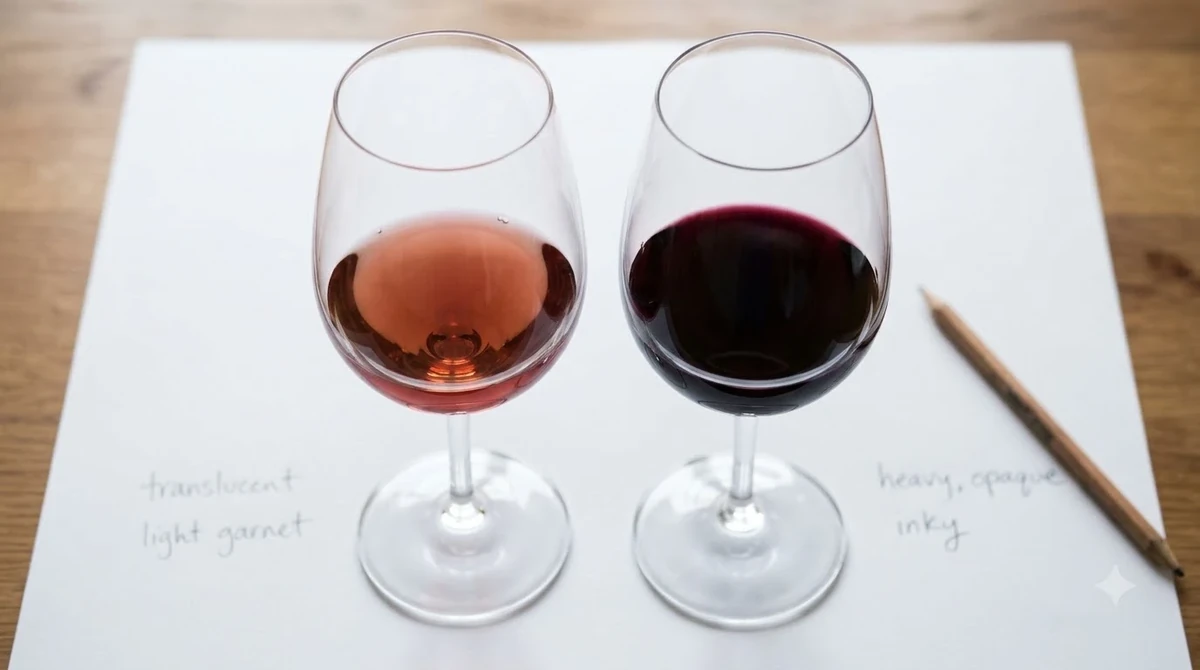
Scallops have a naturally sweet, slightly briny flavor and a smooth, meaty texture. When cooked correctly, they develop a golden exterior while remaining tender inside. This combination creates a dish that is flavorful but still relatively delicate compared with grilled beef, lamb, or heavily seasoned pork. A powerful red wine can easily overpower those qualities.
Pinot Noir offers a more restrained structure. Its typical flavors include cherry, raspberry, strawberry, cranberry, and subtle earthy characteristics. Depending on the growing region and winemaking approach, a bottle may also show mushroom, forest floor, dried herbs, or gentle spice. These characteristics can complement the browned surface of a scallop and savory ingredients served alongside it.
Acidity is another important advantage. Scallops are naturally rich, particularly when prepared with butter or olive oil. Pinot Noir’s acidity refreshes the palate between bites, preventing the combination from feeling too heavy. This is especially useful when the dish includes a buttery pan sauce, roasted vegetables, or a small amount of cream.
Tannin requires more attention. Unlike Cabernet Sauvignon, which generally has high tannin, Pinot Noir usually has low-to-medium tannin and a softer mouthfeel. That makes it a more appropriate red wine for delicate seafood. Strong tannins can interact poorly with seafood and create an unpleasant metallic impression, particularly with briny or very delicate preparations.
The pairing is not universal, however. Raw scallops with lime, delicate scallop ceviche, and lightly steamed scallops generally favor crisp white wines. Pinot Noir becomes more convincing when cooking adds caramelization, roasted flavors, or savory ingredients that give the wine something substantial to complement.
Choosing the Right Pinot Noir Style
The best Pinot Noir for scallops is light to medium-bodied, fresh, and restrained, with moderate alcohol, soft tannins, and noticeable acidity. Cool-climate examples are useful starting points because they often emphasize fresh red fruit and a more delicate structure.
Burgundy is a natural place to begin. Pinot Noir from Burgundy, France, often emphasizes red cherry, subtle earthiness, fresh acidity, and relatively restrained fruit expression. These qualities can complement seared scallops without making the seafood taste secondary. Look for a youthful, approachable bottle rather than an intensely concentrated or heavily structured example.
Oregon is another excellent source. Pinot Noir from the Willamette Valley frequently combines bright cherry and cranberry flavors with earthy undertones and refreshing acidity. These characteristics work particularly well with scallops served alongside mushrooms, roasted shallots, thyme, or a light brown-butter preparation.
California Pinot Noir can also work, particularly when the wine maintains freshness and moderate weight. Some warmer-site examples have riper fruit, higher alcohol, and more noticeable oak. Those characteristics may suit richer dishes, but a powerful, heavily extracted bottle is less appropriate for simply prepared scallops.
New Zealand offers another option. Pinot Noir from Central Otago can have generous red and dark fruit flavors, while cooler growing areas may produce a more restrained expression. Choose according to the preparation: a fruitier style can complement roasted scallops with mushrooms, while a lighter style is preferable for straightforward pan-seared scallops.
Use the following comparison as a starting point when selecting a bottle. These are general regional tendencies rather than guarantees about every producer or vineyard.
| Pinot Noir style | Typical characteristics | Best scallop preparation |
|---|---|---|
| Burgundy, France | Fresh cherry, earth, acidity, soft tannins | Seared scallops with herbs |
| Willamette Valley, Oregon | Cranberry, cherry, mushroom, balanced acidity | Scallops with mushrooms or brown butter |
| California | Riper cherry, strawberry, sometimes noticeable oak | Roasted scallops with savory accompaniments |
| Central Otago, New Zealand | Expressive red fruit, spice, moderate structure | Grilled scallops with roasted vegetables |
| Alsace, France | Light fruit, freshness, relatively gentle tannins | Simply seared scallops with herbs |
Alcohol level also deserves attention. A moderate-alcohol Pinot Noir is generally easier to pair with seafood than a particularly powerful red. High alcohol can make delicate shellfish taste less expressive, especially when the dish includes chili, black pepper, or other assertive seasonings.
Oak is another consideration. Light oak influence can add gentle spice and texture, but strong vanilla, toast, or smoky flavors may dominate a simple scallop preparation. A fresher, less heavily oaked bottle usually offers greater flexibility.
Tip: If choosing between two Pinot Noir bottles, start with the lighter, fresher option for simply seared scallops. Reserve the fuller, fruitier bottle for roasted scallops accompanied by mushrooms, bacon, or a savory reduction.
Matching Pinot Noir With Different Scallop Cooking Methods
Cooking method determines how much flavor and texture the scallops contribute to the pairing. Pan-searing, grilling, roasting, and baking create different levels of caramelization and richness, so each preparation calls for a slightly different Pinot Noir style.
Pan-seared scallops
Pan-seared scallops are one of the strongest candidates for Pinot Noir. The hot pan creates a golden-brown crust with savory, lightly caramelized flavors while the center remains tender. These browned notes provide a bridge between the seafood and the wine’s cherry, cranberry, and subtle earthy characteristics.
Use a light-bodied Burgundy or an elegant Willamette Valley Pinot Noir. Keep the seasoning simple with salt, black pepper, and fresh thyme. A small amount of butter can add richness without making the preparation too heavy.
Allow the scallops to develop a proper crust before turning them. Crowding the pan releases moisture and makes browning difficult. Properly seared scallops offer the concentrated flavor needed to make the red wine pairing feel natural.
Grilled scallops
Grilling adds a smoky, slightly charred character that makes scallops more compatible with red wine. Pinot Noir can complement these roasted flavors, particularly when the scallops are brushed with olive oil and seasoned with herbs.
Choose a medium-weight Pinot Noir with fresh red fruit and a restrained oak profile. A bottle from Oregon or California can work well, provided its alcohol and tannins do not dominate the dish.
Grilled scallops also work with vegetables such as zucchini, asparagus, and roasted bell peppers. These additions introduce earthy and sweet elements that connect naturally with the wine. Avoid heavy barbecue sauces, which can overwhelm Pinot Noir’s more delicate flavors.
Roasted and baked scallops
Roasting and baking can concentrate scallop flavors and introduce browned, savory notes. These preparations often include breadcrumbs, garlic, herbs, cheese, or butter, giving Pinot Noir additional flavors to match.
A fresh Burgundy Pinot Noir is a good choice for roasted scallops with thyme, parsley, or mushrooms. For baked scallops with a richer breadcrumb topping, a slightly fuller Oregon Pinot Noir may provide enough fruit and structure to remain noticeable.
Cheese requires some restraint. A modest amount of Parmesan can contribute salty, nutty flavors that complement the wine, but a thick layer of strongly flavored cheese may overpower the scallops and make the pairing less balanced.
Raw and lightly cooked scallops
Raw scallops and ceviche are generally less suitable for Pinot Noir. Their clean, delicate flavor and soft texture are better supported by crisp white wines with high acidity and mineral character.
For raw scallops, consider Albariño from Rías Baixas, dry Riesling, or a mineral Chablis. These wines complement the seafood without introducing the tannin or red-fruit character of a traditional red wine.
If Pinot Noir is essential to the meal, reserve it for a cooked scallop course rather than forcing it into a raw preparation. This allows the wine to show its strengths without competing with citrus, brine, or delicate raw seafood flavors.
Best Sauces and Seasonings for the Pairing
Sauces can determine whether Pinot Noir complements scallops or overwhelms them. The most successful combinations use butter, mushrooms, herbs, and restrained savory ingredients rather than intense acidity, heavy sweetness, or excessive spice.
Brown butter and herbs
Brown butter is one of the most useful accompaniments for Pinot Noir with scallops. Heating butter creates toasted, nutty flavors that complement the wine’s earthy notes and red fruit. The fat also gives the dish enough richness to stand alongside the wine.
Add thyme, parsley, or a small amount of sage to introduce aromatic complexity. Keep lemon juice restrained because excessive acidity in the food can make a less acidic wine taste flat. A Pinot Noir with lively acidity is especially useful for this preparation.
Mushroom sauce
Mushrooms create a natural connection between scallops and Pinot Noir. Their earthy, savory flavors echo the mushroom and forest-floor characteristics found in many Burgundy and Oregon wines.
Use sautéed cremini mushrooms, shiitake mushrooms, or finely sliced oyster mushrooms. A light mushroom sauce with shallots and a little butter can provide depth without covering the sweetness of the scallops.
For this preparation, choose a Pinot Noir with recognizable earthy characteristics and moderate fruit intensity. An overly ripe, heavily oaked bottle can make the mushroom flavors seem less balanced.
Bacon and pancetta
Small amounts of bacon or pancetta can make a scallop dish more compatible with red wine. Their smoky, salty, and fatty characteristics provide a stronger flavor foundation for Pinot Noir than plain scallops alone.
Cook the bacon until crisp and use it as a garnish rather than allowing it to become the dominant ingredient. The salt and fat soften the perception of tannin, while the smoky flavor connects with the wine’s savory notes.
Pair bacon-topped scallops with a fresh Oregon Pinot Noir or a fruit-forward Burgundy. Avoid very smoky bacon preparations because excessive smoke can conceal the shellfish’s natural sweetness.
Garlic, shallots, and citrus
Garlic and shallots are useful ingredients when applied carefully. Lightly sautéed garlic creates savory depth, while softened shallots contribute sweetness and aromatic complexity. Both can complement the fruit and earthy character of Pinot Noir.
Citrus requires more consideration. A small amount of lemon zest can brighten the dish without introducing excessive acidity. Large quantities of lemon juice or a strongly acidic vinaigrette may make the wine taste less lively by comparison.
Cream-based sauces
Light cream sauces can work with Pinot Noir, particularly when mushrooms, thyme, or shallots are included. However, a thick cream sauce can make the wine seem thin and emphasize its acidity.
Keep the sauce relatively light and use a Pinot Noir with enough body to remain present. A richer Oregon example may be more appropriate than an extremely delicate Burgundy. For very rich cream preparations, Chardonnay is usually a more reliable choice.
How to Serve Pinot Noir With Scallops
Serving temperature, glassware, and cooking timing all influence the final pairing. Pinot Noir should generally be served at 55–60°F, while scallops should be cooked close to serving time so their crust and tender interior remain at their best.
Choose the correct serving temperature
Pinot Noir benefits from being served slightly cooler than many full-bodied red wines. A temperature of 55–60°F preserves freshness while allowing the wine’s fruit and aromatic complexity to remain expressive.
When Pinot Noir is served too warm, alcohol becomes more noticeable and the wine can seem heavier than intended. Excessive chilling has the opposite problem: the aromas become muted and the tannins may feel more prominent.
If the bottle has been stored at room temperature, place it in the refrigerator briefly before serving. Check its temperature before pouring rather than relying exclusively on the time spent chilling.
Select suitable glassware
A medium-to-large Burgundy-style wine glass is a useful option. Its broad bowl allows Pinot Noir to develop its aromatic character while directing the wine toward the palate in a way that emphasizes freshness and texture.
A standard red wine glass also works perfectly well. The important consideration is providing enough space for the wine to release its aromas without filling the glass too high.
Plan the serving sequence
Prepare the scallop sauce and side dishes before cooking the seafood. Scallops cook quickly, so they should generally be seared immediately before serving rather than left waiting while other components finish.
Pour a 5-ounce serving of Pinot Noir alongside the finished dish. A standard 750 ml bottle provides approximately five such glasses, making one bottle suitable for a small dinner shared by several guests.
Young, particularly structured Pinot Noir may benefit from a short period of air exposure, but extensive decanting is rarely necessary for a delicate scallop pairing. If the wine is already expressive and aromatic, simply opening the bottle shortly before dinner is sufficient.
For a meal with multiple seafood courses, consider beginning with a crisp white wine before moving to Pinot Noir with the seared or roasted scallops. This sequence allows the more delicate preparations to retain their freshness while giving the red wine a more substantial dish.
When to Choose White Wine Instead
Although Pinot Noir can accompany scallops successfully, white wine remains the more dependable choice for many preparations. Raw seafood, citrus-heavy sauces, and strongly briny flavors generally benefit from white wines with higher acidity and a cleaner, more mineral profile.
Chablis is a particularly useful alternative. Its fresh acidity and restrained fruit complement simply prepared scallops without adding excessive weight. It is an especially good option when the dish features lemon, parsley, or a light butter sauce.
Albariño from Galicia is another strong choice. Its refreshing acidity and citrus character work particularly well with raw scallops, ceviche, and preparations featuring lime or fresh herbs. The wine’s aromatic character complements the shellfish without overwhelming it.
Chardonnay is more appropriate for richer preparations. A balanced Chardonnay can accompany scallops with cream, butter, or a gratin topping because its body and texture match the additional richness. An unoaked or lightly oaked style is often preferable when the seafood remains delicate.
Dry Riesling is useful when the dish includes ginger, lime, or Asian-inspired seasoning. Its naturally high acidity provides freshness, while a slightly off-dry example can balance moderate chili heat and sweet-savory sauces.
Champagne and other dry sparkling wines also deserve consideration. Their acidity and bubbles refresh the palate, making them particularly effective with baked or lightly fried scallops. A Brut or Extra Brut style is a good starting point for preparations that emphasize the shellfish’s natural sweetness.
The following quick guide summarizes the main choices:
| Scallop preparation | Recommended wine | Main pairing reason |
|---|---|---|
| Raw scallops | Albariño | Fresh acidity and mineral character |
| Scallop ceviche | Dry Riesling | Acidity complements citrus and seafood |
| Pan-seared scallops | Light Pinot Noir or Chablis | Freshness and gentle structure |
| Brown-butter scallops | Pinot Noir or Chardonnay | Acidity balances richness |
| Mushroom scallops | Burgundy Pinot Noir | Earthy flavors complement one another |
| Scallops with cream sauce | Chardonnay | Body matches the sauce’s richness |
| Baked scallops | Brut Champagne | Bubbles and acidity refresh the palate |
| Scallops with ginger and chili | Off-dry Riesling | Freshness and slight sweetness balance seasoning |
The most important principle is to consider the entire plate. A delicate scallop with lemon needs a different wine from a roasted scallop with bacon and mushrooms. The latter has enough savory intensity to accommodate Pinot Noir, while the former generally benefits from a crisp white wine.
This same approach applies to other meals. For additional ideas, explore pinot noir with chicken, where poultry preparation and sauce influence the choice of wine. You can also compare pinot noir with pasta or learn how toppings affect pinot noir with pizza. The broader principles are covered in the Grape x Food pairing guide.
For additional expert perspectives, Decanter’s scallop pairing recommendations explain how cooking methods and sauces influence wine selection. Wine Enthusiast’s scallop pairing advice also explores the role of acidity, caramelization, and the shellfish’s natural richness.
Frequently Asked Questions
Does Pinot Noir go with scallops?
Yes, particularly when scallops are seared, grilled, or roasted. Pinot Noir’s relatively gentle tannins and bright acidity make it one of the more suitable red wines for seafood. Its success depends on selecting a restrained style and avoiding preparations dominated by strong citrus or briny flavors.
Is Burgundy Pinot Noir a good choice for scallops?
Yes. Burgundy is the traditional French home of Pinot Noir, and many examples offer the fresh cherry, earthy character, and restrained structure that suit scallops. A lighter Bourgogne Rouge can be a practical starting point for a simple seared preparation.
Can I serve rosé instead of Pinot Noir with scallops?
Yes. A dry rosé offers a useful middle ground between red and white wine, particularly when scallops are grilled or served with vegetables. Look for a fresh, dry style from Provence or the Loire Valley rather than a noticeably sweet rosé.
Should I decant Pinot Noir before serving it with scallops?
Most approachable Pinot Noir does not require extensive decanting. Older bottles can be delicate and may lose their aromatic freshness with prolonged exposure to air. For a young, structured example, approximately 15–30 minutes of air exposure can be sufficient before dinner.
Can I use Pinot Noir in a scallop pan sauce?
Yes, although the wine should be used sparingly. A small quantity can add red-fruit and savory notes to a shallot-based reduction, especially when mushrooms accompany the scallops. Reduce it separately before incorporating butter, and avoid allowing its acidity to dominate the finished sauce.
Pinot Noir with scallops is a rewarding alternative to conventional white-wine pairings when the seafood is seared, roasted, or served with savory ingredients. Choose a fresh, low-tannin bottle, keep the sauce balanced, and serve the wine at 55–60°F. With the right preparation, the combination brings together delicate seafood sweetness, red fruit, and earthy complexity in a balanced dinner.
More in Food & Wine Pairing
 Risotto With White Wine Recipe: Make a Creamy Dinner at HomeUpdated Nov 20, 2026
 Wassail With Wine Recipe for a Festive Spiced Holiday DrinkUpdated Nov 20, 2026
 Spritz Veneziano Recipe: Make a Classic Venetian Aperitivo at HomeUpdated Nov 20, 2026
 Summer Wine Punch Recipe for Easy Homemade EntertainingUpdated Nov 20, 2026
 Bishop Recipe: How to Make a Bright, Citrus-Forward Red Wine CocktailUpdated Nov 20, 2026
 Wine Cupcakes Recipe: Bake Rich Chocolate Cupcakes at HomeUpdated Nov 20, 2026