

We may earn a commission when you buy through links on this page, at no extra cost to you. Learn more.
Picolit wine is a rare, sweet white wine from Friuli-Venezia Giulia in northeastern Italy, made from the Picolit grape and known for its golden color, floral aromas, and notes of apricot, honey, and dried fruit. Its small, naturally sparse clusters make it difficult to produce in large quantities. The best-known expression carries the Colli Orientali del Friuli Picolit DOCG designation, which ties the wine to a defined area and production rules.
Often called a “meditation wine” in Friuli, Picolit is made for measured pours and unhurried drinking. It can accompany dessert or savory dishes such as blue cheese and foie gras, but its appeal starts in the vineyard, where the grape’s poor fruit set limits the crop before winemaking begins.
What Is Picolit Wine?
Picolit is a white wine grape native to Friuli-Venezia Giulia, the northeastern Italian region that borders Austria and Slovenia. Its name is also used for the sweet wine made from it, most famously under the Colli Orientali del Friuli Picolit DOCG designation. The typical bottle is still, golden, sweet or medium-sweet, and more concentrated than an everyday dry table white.
The wine’s identity is unusually specific. Picolit is not a generic name for any Italian dessert wine, nor is it a grape blend such as a broad “white dessert wine” category. The grape itself is rare, and the DOCG label identifies a protected origin in the eastern hills of Friuli. The Australian Wine Research Institute describes Picolit as being used almost exclusively for sweet wines in Italy, including this DOCG, although it can also appear in certain regional blends.
A Colli Orientali del Friuli Picolit DOCG is expected to show the warm, aromatic profile associated with the grape and appellation. A regional wine that lists Picolit as one component of a broader blend may taste quite different.
Friuli’s Hills, Soils, and Historic Reputation
The heartland of Picolit lies in the Colli Orientali del Friuli, a hilly area in the province of Udine near the Slovenian border. Vineyards occupy a mix of slopes and terraces, with the DOCG territory extending across 19 municipalities and the Cialla subzone occupying a smaller area in northern Prepotto.
The local soil is known as ponca, a Friulian term for layers of marl and sandstone. The regional consortium places many vineyards between 100 and 400 meters above sea level, often on the higher parts of the hills. A terraced parcel in Cialla is not identical to a site near Buttrio, even when both grow the same grape.
Picolit also has a long cultural history. The Consorzio Colli Orientali del Friuli traces its cultivation to Roman imperial times and records how Count Fabio Asquini of Fagagna promoted the wine in the 18th century. In 1762, Asquini began trading on a larger scale and sent bottles to markets and courts across Europe, including London, Paris, Amsterdam, and the Court of France. The wine’s reputation weakened after his death, then later producers helped restore its standing. The Perusini family’s work at Rocca Bernarda was central to that revival, and the consortium records wine writer Luigi Veronelli’s visit to taste Countess Giuseppina Perusini’s Picolit in 1959.
The consortium’s overview of the Picolit DOCG explains why the name is tied to Friuli rather than used as a general label for sweet white wine.
Why the Picolit Grape Produces So Little
Picolit is scarce largely because of its natural fruit set, not because growers simply choose to make a tiny quantity. The flowers do not all develop into berries, a condition regional sources describe as partial floral abortion; the resulting bunches are loose, with fewer and smaller grapes than a grower would expect from a high-yielding variety.
The Australian Wine Research Institute describes Picolit bunches as small and loose, with small berries and low yields. It attributes poor fruit set to infertile pollen and notes that, in vineyard management, the variety is best grown alongside other vines with more fertile pollen. This is a viticultural challenge rather than a winemaking trick: the scarcity is already built into the crop before harvest decisions are made.
Fewer berries can mean a very different harvest from a large-clustered white grape. The fruit is often picked late and may be dried further to concentrate sugars and flavors, but drying does not create the grape’s rarity; it builds on an already limited crop. The DOCG production rules cap the grape harvest at 4 metric tons per hectare, while the permitted conversion from grapes to wine is also tightly limited. Those figures are legal ceilings, not a promise that every vineyard reaches them.
Low yield has practical consequences for buyers. Picolit is usually released in smaller quantities than widely planted international grapes, and the same producer may bottle only a limited amount in a particular year. Bunch selection, weather, drying choices, and maturation can therefore make noticeable differences from estate to estate.
How DOCG Picolit Is Made
Producers generally harvest Picolit late, select the sparse bunches carefully, and ferment the concentrated juice as a still white wine. The production rules allow the grapes to dry on the vine, on racks, or in crates, either outdoors or in suitable rooms with temperature, humidity, or ventilation controls.
That flexibility means there is no single drying schedule that defines every bottle. Some producers use a period of appassimento after harvest, while others leave part or all of the crop to dry on the vine. Ronchi di Cialla, for example, describes a cuvée in which half the grapes are harvested late in October, with varying development of noble rot, while the other half is left to dry on the vine. Its must ferments spontaneously in French oak and the wine matures in the same barrels. This is one estate’s approach, not a universal requirement for Picolit.
Other producers make different cellar choices. Vigna Petrussa describes hand-selecting sparse bunches in late autumn, while the DOCG rules permit wooden barrels without making oak compulsory. Stainless steel can preserve fruit and floral character; oak can add texture and savory complexity. Drying time and botrytis also affect the balance of sweetness, acidity, and aroma. The table below summarizes several practical requirements from the Colli Orientali del Friuli Picolit specification.
| DOCG requirement | Rule | What it means |
|---|---|---|
| Varietal composition | At least 85% Picolit | Up to 15% may come from other eligible white grapes; Traminer Aromatico is excluded |
| New or replanted vineyards | At least 3,500 vines per hectare | Sets a minimum planting density |
| Maximum grape crop | 4 metric tons per hectare | Limits vineyard yield for the designation |
| Minimum natural alcohol in the grapes at harvest | 13.0% by volume | Requires naturally ripe fruit before cellar work |
| Maximum grape-to-wine yield | 55%, or 22 hectoliters per hectare | Limits the volume of finished wine |
| Release date | After September 1 of the year following harvest | Prevents immediate release after harvest |
The rules also specify a minimum total alcohol level of 15% by volume for the finished DOCG wine and a minimum total acidity of 4 grams per liter. The legal minimum is not the same as the alcohol percentage of every bottle’s label analysis, and producers may aim for a different balance. For readers who want to check the details directly, the official Colli Orientali del Friuli Picolit production specification sets out the rules for grapes, vinification, and presentation.
Tip: Do not assume that every Picolit is made with the same amount of dried fruit or oak. Ask whether the producer uses on-vine drying, post-harvest appassimento, botrytis, stainless steel, or barrel aging; those choices can explain major differences between two bottles.
What Picolit Tastes Like
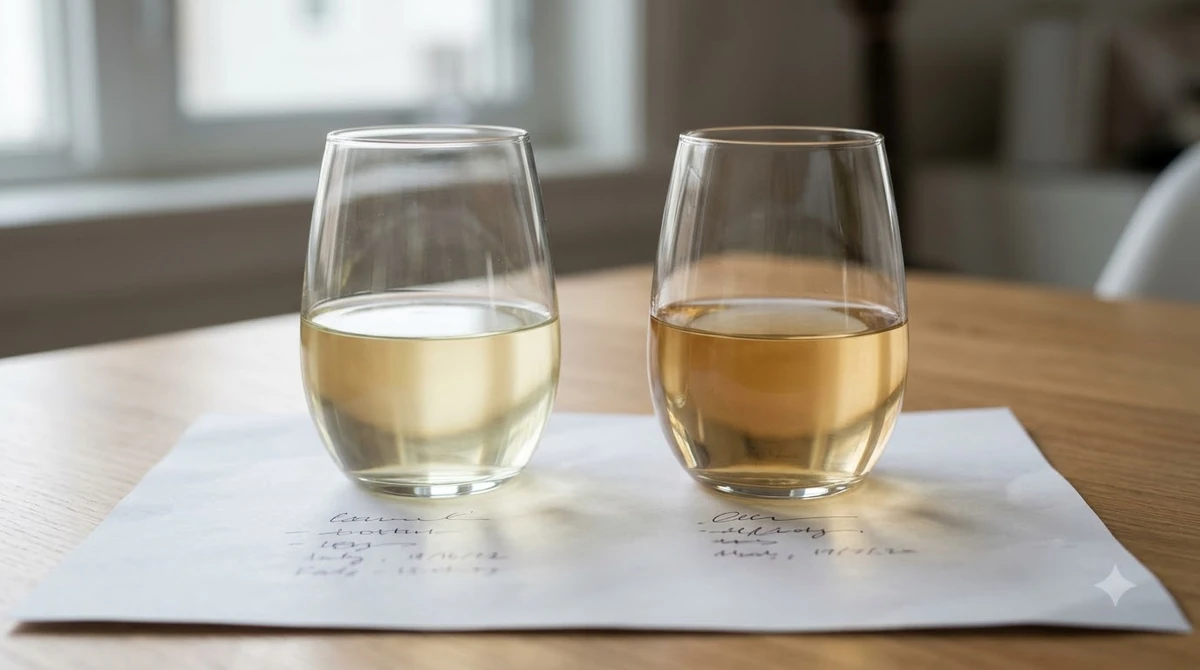
A typical Picolit is deep straw yellow to golden, with older or wood-aged examples sometimes taking on an amber cast. Aromas often include apricot, honey, dried fruit, and flowers; regional tasting descriptions also mention broom and linden blossom, while producers may identify acacia, fig, melon, peach, candied orange, or almond.
The palate is usually sweet or medium-sweet, full-bodied, and persistent, but it should not taste like plain syrup. The regional consortium describes the wine as harmonious and balanced, with a lingering fruit-driven finish. A well-made bottle combines sweetness with enough freshness and structure to keep the finish from feeling flat. Texture can range from smooth and creamy to more rounded and weighty, depending on drying and maturation.
Expect variation rather than one rigid flavor formula. A fresher style may lean toward peach, wildflowers, and almond, while a more concentrated or oak-aged example can show dried apricot, fig, honey, candied fruit, spice, and a deeper golden color. Noble rot, when a producer uses it, can add its own layered aromas, but it should not be treated as an essential feature of every Picolit. The key is the combination of concentrated fruit, sweetness, floral notes, and a finish that holds its shape.
Picolit is also different from a dry, sharply acidic white such as Arinto wine. Both are white wines, but the usual Picolit expression is a rich dessert-style wine, while Arinto is better known for brisk acidity and dry table-wine styles. For another Italian grape with a very different sweet-wine identity, the Brachetto grape offers a red-fruited contrast rather than Picolit’s golden, honeyed profile.
Serving Picolit and Pairing It with Food
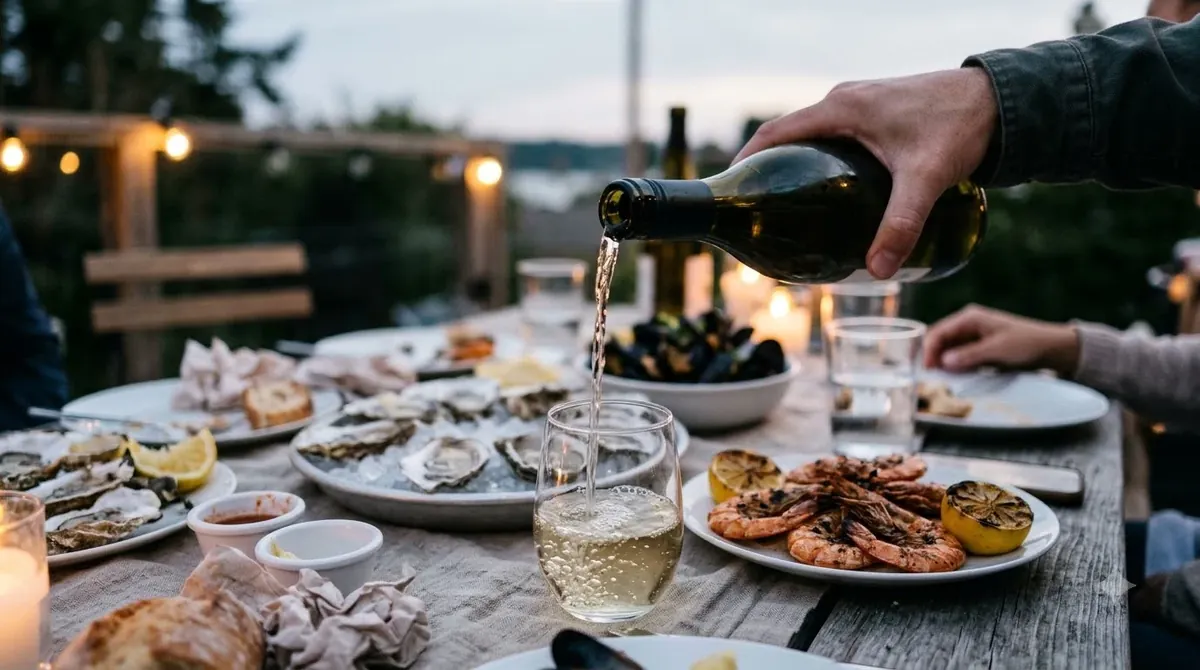
Serve Picolit cool rather than ice-cold, around 45 to 50°F, so the sweetness stays refreshing and the floral and dried-fruit aromas remain easy to notice. A small white-wine or dessert-wine glass works well; pour a modest amount, then allow the wine to warm gradually in the glass if its aromas seem restrained at first.
Sweetness is the starting point for pairing. A dessert should be no sweeter than the wine, or the wine can seem less expressive and more tart by comparison. Almond cookies, biscotti, fruit tarts, baked apples, and pastries with apricot or dried fruit are natural partners. The almond and honey notes in Picolit make nut-based desserts especially intuitive, while a simple plate of dry pastries keeps the wine itself in focus.
Savory pairings can be just as convincing. Friulian recommendations include mature cheeses such as formadi frant, while blue cheese, fermented cheeses, foie gras, and pâté are also traditional matches in producer suggestions. The contrast between sweet wine and salty, rich food creates balance, and a small pour can work as a final course after a meal. For a regional touch, try Picolit with a local aged cheese or serve it alongside a small portion of foie gras rather than a heavily spiced main dish.
For a simple tasting, begin with the wine on its own, then try it with a savory bite and a dessert bite. Blue cheese can emphasize the fruit, while a dry almond biscuit can echo its nutty finish. Keep sweetness and intensity in proportion rather than matching every flavor exactly.
Choosing a Bottle and Understanding the Label
For a first bottle, look for the words “Colli Orientali del Friuli Picolit DOCG” and choose a producer that gives clear information about harvest timing, drying, and maturation. The DOCG is the strongest guide to origin and production standards; the producer’s technical notes help explain whether the style is fruit-forward, more concentrated, or shaped by oak.
The denomination requires at least 85% Picolit in the vineyard composition used for the wine. Up to 15% may come from other eligible white grapes grown in Friuli-Venezia Giulia, with Traminer Aromatico specifically excluded. That allowance does not mean every producer blends: many estate bottlings are made entirely from Picolit. The distinction is useful because a regional wine carrying Picolit in its name is not automatically required to be a single-variety bottling, while a producer may still choose to use 100% Picolit.
Pay attention to the subzone name Cialla if it appears on the label. Cialla is a smaller, defined part of the DOCG area in the north of Prepotto, and individual producers there may have distinct vineyard and cellar practices. A Cialla wine is not a separate grape variety; it is an expression tied to a particular place within the broader appellation. As with other small-production wines, comparing producer notes can be more helpful than assuming that all bottles from the same denomination will taste alike.
Do not confuse Picolit with Ramandolo, another sweet Friulian wine made from Verduzzo Friulano. The wines share a regional setting and can both show honeyed, mature-fruit character, but they are not interchangeable. Picolit is also distinct from Brachetto, a red grape associated with a very different aromatic style.
Frequently Asked Questions
These quick answers cover a few details that can help with pronunciation, bottle format, and the range of Picolit styles.
How do you pronounce Picolit?
Picolit is commonly pronounced “pee-koh-LEET,” with the emphasis on the final syllable. The accent mark sometimes used in regional writing, Picolìt, gives English-speaking readers a useful clue to that final stress.
Does the DOCG require a vintage year on the label?
Yes. The production specification makes the harvest year mandatory on the label for Colli Orientali del Friuli Picolit DOCG. It also restricts extra quality terms such as “reserve” or “superior” that are not provided for by the denomination rules.
How large can a DOCG Picolit bottle be?
The production specification permits bottles with a capacity of up to 5 liters. It also requires a cork closure, so the denomination’s rules cover packaging as well as vineyard and cellar practices.
Can Picolit age for decades?
Some carefully made examples can age for a very long time. Ronchi di Cialla says that particular vintages of its Cialla Picolit can exceed 40 years, although that is an estate-specific statement rather than a guarantee for every bottle.
Was Picolit exported outside Europe in the past?
The Colli Orientali consortium reports that a shipment of Picolit was sent to the United States in the early 19th century. That detail indicates the wine had an international reputation well before modern export networks.
Picolit rewards curiosity because its rarity is rooted in the vine itself, while its aromas and textures reflect the choices made by each producer. Choose a bottle from Friuli’s Colli Orientali, serve it cool, and give it a pairing that respects its sweetness and concentration; the broader Wine by Type guide can help place it among other styles.
More in Wine Types & Grapes
 Zinfandel Sugar Content: Dry Red vs. White Zinfandel GramsUpdated Nov 21, 2026
 Best Zinfandel Substitute Options for Sipping and CookingUpdated Nov 21, 2026
 Zweigelt Food Pairing: Best Dishes, Cheeses, and Serving TipsUpdated Nov 21, 2026
 Zinfandel Tannins Explained: How Structure Shapes Every BottleUpdated Nov 21, 2026
 Zinfandel Sweetness Level: Dry Red vs. Sweet White Zin ExplainedUpdated Nov 21, 2026
 Xinomavro Food Pairing: Best Dishes, Styles, and Serving TipsUpdated Nov 21, 2026