

We may earn a commission when you buy through links on this page, at no extra cost to you. Learn more.
Peter Michael wine comes from an estate winery in Northern California that makes single-vineyard Chardonnay, Sauvignon Blanc, Pinot Noir and Cabernet Sauvignon. The winery was founded by Sir Peter Michael, a British engineer and businessman, and is run by the Michael family. Its vineyards sit across three estates in Sonoma County and Napa Valley, and the house style leans toward minimal intervention in the cellar.
This guide covers who makes Peter Michael wine, how the three estates differ, which varietals the winery is known for, and how to serve and find these bottles. Most of the detail comes from the winery’s own website and from the public biography of its founder, so treat the tasting notes as a starting point and check the current releases before you buy.
Who Makes Peter Michael Wine
Peter Michael Winery was started by Sir Peter Michael, who built a career in engineering and business before turning to wine. Public biographies date the winery’s founding to 1983, the year he set up the estate in the Knights Valley region near Calistoga. The winery’s own website describes the Michael family and its ranch, vineyard and winemaking teams working since 1982 to protect the land and keep wildlife alongside the vines, so the family’s involvement predates the official founding date.
The estate is still a family operation rather than a large label built around a brand name. That matters for readers who want to know why the wines are priced and distributed the way they are: the production is tied to specific properties, not to a blend sourced from many growers.

Three Estates, Three Landscapes
The winery’s wines come from three estates, each in a different appellation. The Knights Valley Ranch is in Sonoma County, the Seaview Estate sits on the Sonoma Coast in the Fort Ross-Seaview AVA, and the Oakville Estate is in Napa Valley. Together the properties cover more than 1,200 protected acres, but only about 200 acres are planted to vines.
Most of the Knights Valley and Seaview land is kept as wildlife corridors, and the winery says more than 10,000 trees have been planted on those properties. For a buyer, the practical point is that the label on a bottle tells you which estate the fruit came from, and that estate shapes the character of the wine.
Reading the estate names also helps when comparing bottles across vintages. Each site has its own soils, elevation and exposure, so a Knights Valley bottling and an Oakville bottling of the same varietal are not interchangeable. A buyer who likes one site can use that preference to choose the next bottle, rather than relying only on the varietal name.
| Estate | Appellation | What the winery says about it |
|---|---|---|
| Knights Valley Ranch | Knights Valley AVA, Sonoma County | Home base; private tours and tastings by appointment |
| Seaview Estate | Fort Ross-Seaview AVA, Sonoma Coast | Cool coastal site; large share kept as wildlife corridor |
| Oakville Estate | Oakville AVA, Napa Valley | Napa Valley estate; part of the winery’s three-site portfolio |
The Main Varietals and Their Styles
The winery names four varietals: Chardonnay, Sauvignon Blanc, Pinot Noir and Cabernet Sauvignon. That short list is typical of an estate that focuses on a few grapes rather than a wide range of labels. The winery says its fruit needs minimal intervention in the cellar, which is a way of describing a style that lets the vineyard and vintage show through.
In general terms, cool-climate sites such as the Sonoma Coast tend to favor brighter acidity and more restrained fruit in Chardonnay and Pinot Noir, while the warmer Napa Valley floor tends to produce riper, more structured Cabernet Sauvignon. Those are general patterns in California winemaking rather than claims from the winery, so use them to guess what a bottle might taste like and then compare it with the producer’s own description on the label or site.
Tip: If you are comparing two Peter Michael bottles, check the estate and vintage first. Two wines with the same varietal can taste quite different when they come from different sites.
The four varietals also give a simple way to build a tasting. Pairing a white and a red from the same estate lets you compare how the site shows up in different grapes, and a Pinot Noir next to a Cabernet Sauvignon makes the contrast between cool and warm growing conditions easy to notice. Tasting notes from reviewers vary by vintage, so use those comparisons as a guide to what to look for rather than a fixed rule.
How to Serve and Store Peter Michael Wine
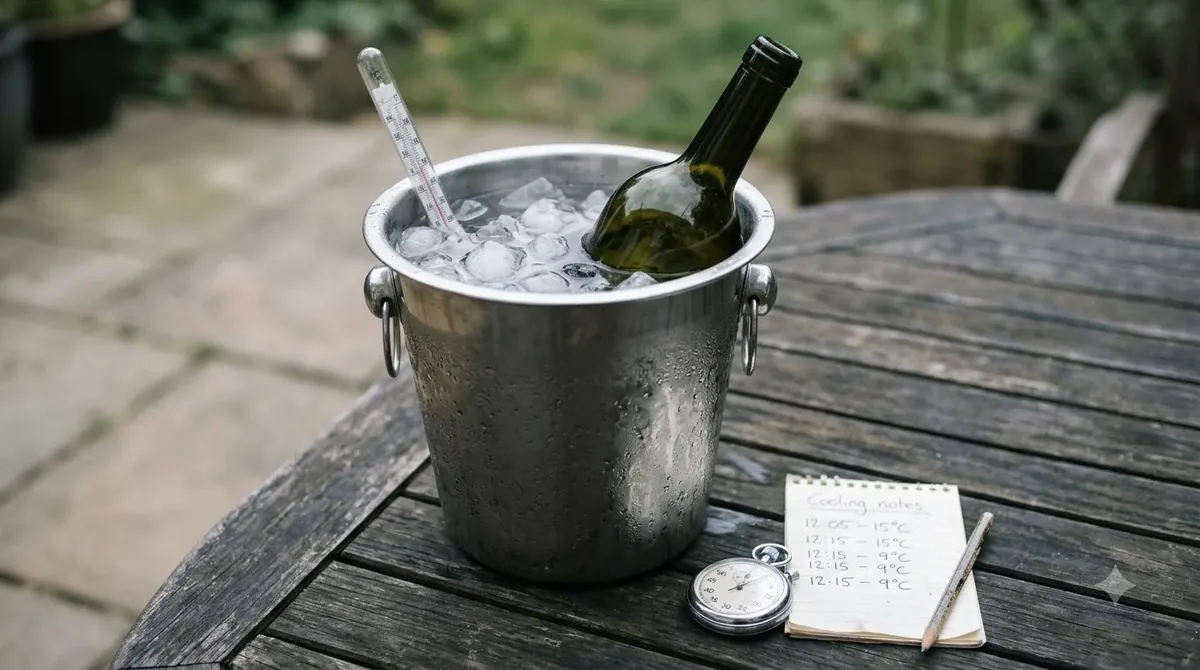
Serving temperature and glassware change how a wine tastes, and the right approach depends on the bottle. White wines generally show best cooler than room temperature, while reds are usually better slightly below room temperature than warm. For a structured Cabernet Sauvignon, a short rest after opening gives the aromas more room to show, and a decanter helps younger bottles open up.
The winery’s website links to a dedicated page on caring for, storing and serving its wines. That page is the best reference for the producer’s own recommendations, because storage advice can differ between a young release and an older bottle. If you plan to keep a bottle for years, store it on its side in a cool, dark place with stable temperature and humidity.
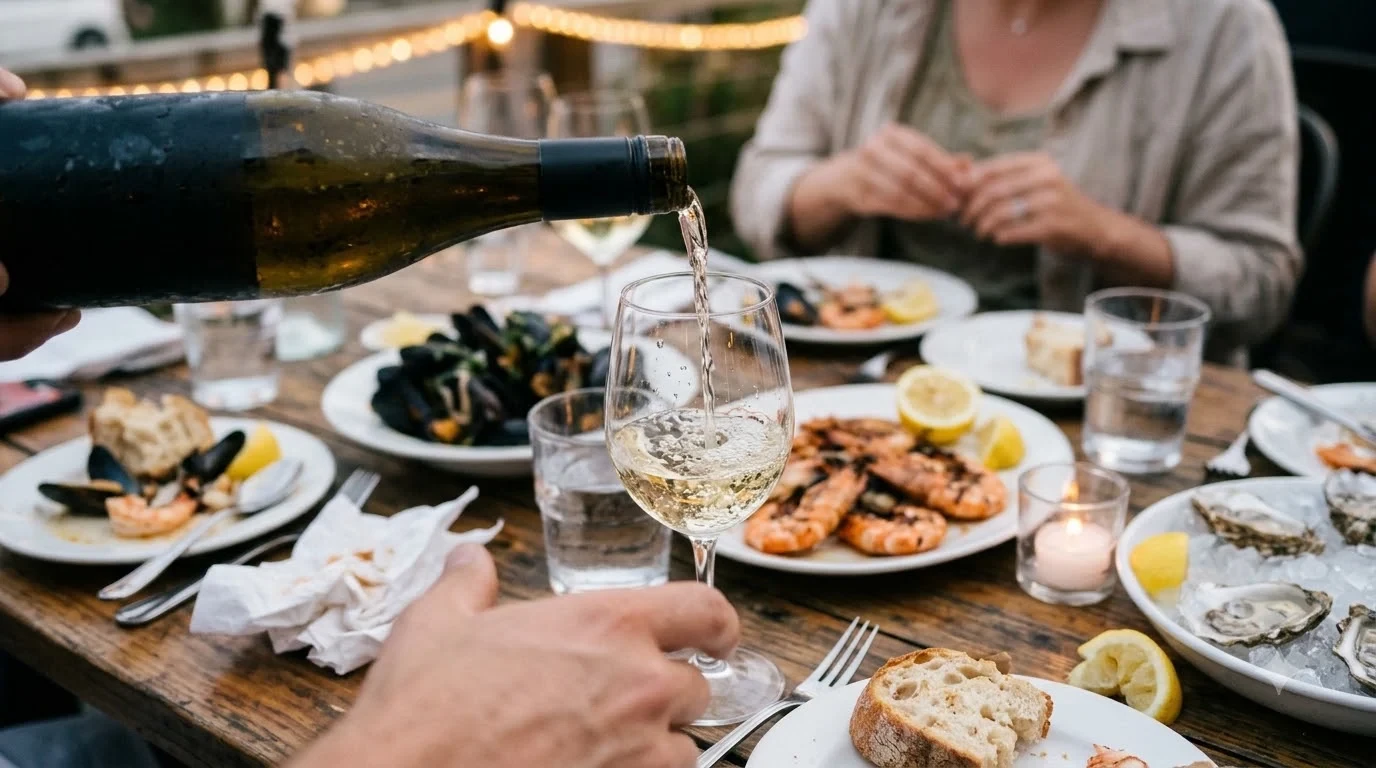
Pairing is simpler than many readers expect. Chardonnay and Sauvignon Blanc suit lighter seafood, poultry and salads, while Pinot Noir works with roasted chicken, salmon and mushroom dishes. Cabernet Sauvignon is a natural match for grilled or braised red meat. The aim is to match weight and acidity, not to follow a rigid rule. For more general background on serving and matching, the wine brands guides on this site cover how producers differ and what to expect from each style.
Where to Find the Wines and Visit the Estate
The winery says private tours and tastings take place by appointment at the Knights Valley Ranch in Sonoma County. Because the estates are working vineyards and wildlife land, visits are structured rather than open-door. Plan ahead, and check the winery’s contact information before you travel.
If you cannot visit, the winery’s website is the most direct place to confirm which wines are current, what each estate produces, and how to contact the team about availability. Information on older vintages and limited bottlings can change, so the site is more reliable than a third-party listing written months earlier.
For buying, look for the estate name on the label, not just the producer name. Retailers and restaurant lists may carry different bottlings, and older vintages can be hard to find. If you enjoy the family-run approach and want a Texas comparison, the Pedernales wine guide is a useful contrast for how a different region shapes a bottle.
Frequently Asked Questions
Who founded Peter Michael Winery?
The winery was founded by Sir Peter Michael, a British engineer and businessman. Public biographies date the founding to 1983, and the winery says the Michael family has worked on the land since 1982.
Where are Peter Michael wines made?
The wines come from three estates: Knights Valley Ranch in Sonoma County, Seaview Estate on the Sonoma Coast in the Fort Ross-Seaview AVA, and Oakville Estate in Napa Valley.
What grapes does Peter Michael make?
The winery names Chardonnay, Sauvignon Blanc, Pinot Noir and Cabernet Sauvignon as its main varietals, with single-vineyard focus on each estate.
Can you visit the Peter Michael estate?
Yes, but visits are by appointment. The winery offers private tours and tastings at the Knights Valley Ranch in Sonoma County, so contact the winery ahead of time.
Peter Michael wine rewards readers who look at the estate and vintage before they choose a bottle. Start with the varietal you already enjoy, check which estate it comes from, and use the winery’s serving guidance as your reference. For more brand guides, browse the wine brands section.
More in Wine Brands
 Underwood Wine Price: Compare Bottles, Cans, and Pack SizesUpdated Nov 21, 2026
 Zenato Wine Price: Compare Styles and Choose the Right BottleUpdated Nov 21, 2026
 Zuccardi Wine Price: Compare Bottles and Find the Right RangeUpdated Nov 21, 2026
 Yellow Tail Moscato Review: Taste, Sweetness and Serving TipsUpdated Nov 21, 2026
 Wolf Blass Yellow Label Review: Choose Your Best StyleUpdated Nov 21, 2026
 Wolffer Estate Rose Review: Choose the Right Bottle for Your TableUpdated Nov 21, 2026