


We may earn a commission when you buy through links on this page, at no extra cost to you. Learn more.
The ideal pedro ximenez sherry serving temperature is 54°F to 57°F (12°C to 14°C), which translates to lightly chilled rather than ice-cold or warm. Serving this fortified dessert wine at cellar-cool temperatures tames its intense syrupy sweetness while keeping complex aromatics of dried fig, raisin, molasses, and espresso expressive in the glass.
Because Pedro Ximénez is among the richest, densest sweet wines in the world, even a ten-degree shift dramatically alters how it feels on the palate. Pouring it straight from a warm kitchen counter makes the alcohol and sugar feel heavy, whereas chilling it in a standard household refrigerator without warming it up locks away the toasted nut and coffee nuances that make aged Spanish sherry so compelling.
Ideal Serving Temperature Range for Pedro Ximénez
The Consejo Regulador of Jerez recommends serving Pedro Ximénez between 54°F and 57°F (12°C and 14°C), a cool cellar range that balances high natural sugar with brisk aromatic lift. Some producers, including Bodegas Lustau, also note that serving slightly cooler around 50°F to 54°F (10°C to 12°C) works well during warmer months or alongside richer desserts.
Understanding pedro ximenez serving temperature comes down to managing viscosity and perceived sweetness. By law in the Jerez Denomination of Origin, Pedro Ximénez must contain at least 212 grams per liter of residual sugar, and many bottlings exceed 400 grams per liter—making the liquid thicker than maple syrup. At 54°F to 57°F (12°C to 14°C), mild coolness firms up that velvety texture so the wine coats the palate cleanly without feeling cloying.
Temperature also regulates volatile aroma compounds in oxidative fortified wines. According to the Consejo Regulador de Vinos de Jerez, serving PX lightly chilled allows dried fruit, toffee, and roasted coffee notes to unfold gradually as the wine warms slightly in the glass. If you prefer drinking your glass slowly after dinner, starting near 50°F to 52°F (10°C to 11°C) gives you a longer window before the pour reaches room temperature.
Sherry Serving Temperature Comparison Table
Different styles across the sherry spectrum require distinct serving temperatures because their aging methods, alcohol levels, and sugar concentrations vary widely. Grouping all fortified wines into a single storage or serving habit either mutes delicate biological styles or flattens rich oxidative ones.
| Sherry Style | Sweetness Profile | Recommended Temp (°F) | Recommended Temp (°C) | Chilling Method |
|---|---|---|---|---|
| Fino and Manzanilla | Bone dry | 41°F–45°F | 5°C–7°C | Full fridge chill or ice bucket |
| Pale Cream | Off-dry to medium sweet | 45°F–48°F | 7°C–9°C | Standard refrigerator |
| Amontillado | Dry (oxidative) | 54°F–57°F | 12°C–14°C | Wine fridge or brief fridge chill |
| Oloroso and Palo Cortado | Dry (oxidative) | 54°F–57°F | 12°C–14°C | Wine fridge or brief fridge chill |
| Cream Sherry | Sweet blend | 54°F–57°F | 12°C–14°C | Wine fridge or on the rocks |
| Pedro Ximénez (PX) | Intensely sweet | 54°F–57°F | 12°C–14°C | Wine fridge or 45–60 min in fridge |
| VOS and VORS Aged Sherries | Dry to sweet (20–30+ yrs) | 59°F | 15°C | Cool cellar temperature |
Notice how oxidative styles sit together in the low-to-mid 50s Fahrenheit, far warmer than crisp Fino and slightly cooler than ultra-aged VOS or VORS bottlings. When comparing cream sherry serving temperature with Pedro Ximénez, both share the same 54°F to 57°F (12°C to 14°C) sweet spot, though Cream sherry carries lower sugar and slightly lighter body because it is blended from dry Oloroso and sweet wine.
How to Chill Pedro Ximénez Without Over-Cooling It
Getting a bottle from a 70°F pantry down to 55°F takes minimal planning, and avoiding an overly cold fridge shock protects the wine’s aromatic complexity. A standard kitchen refrigerator operates around 37°F to 40°F, which is roughly 15 degrees colder than Pedro Ximénez needs.
If your bottle starts at room temperature, place it in the main compartment of a kitchen refrigerator for 45 to 60 minutes before pouring. That brief chill drops the liquid into the target 54°F to 57°F window without freezing the aromatic compounds. If you store an open bottle in the refrigerator long-term, pull it out onto the counter 20 to 30 minutes before serving so it can warm gently back toward cellar temperature.
For faster chilling when guests are already at the table, fill a small bucket with cold tap water and a single handful of ice cubes rather than packing the bottle in solid ice. Submerging the bottle for 12 to 15 minutes brings the wine down evenly. In warm summer weather, Bodegas Lustau and the Jerez wine council note that pouring PX over a single large ice cube with a twist of orange peel also works well as a refreshing digestif.
Tip: Never chill Pedro Ximénez in the freezer—extreme cold suppresses its dried-fruit bouquet and makes the high-sugar liquid overly thick and sluggish to pour.
Why Temperature Shapes Flavor, Sugar, and Alcohol Balance
Human taste receptors perceive sweetness, acidity, and ethanol differently depending on liquid temperature. At warmer temperatures around 68°F to 72°F (20°C to 22°C), volatile alcohol vapors rise aggressively from the glass while residual sugar registers at full intensity. Because Pedro Ximénez is fortified with grape spirit to roughly 15% to 17.5% ABV, serving it warm makes the spirit feel sharp and overshadows delicate cacao, licorice, and fig notes.
Lowering the temperature to 54°F to 57°F (12°C to 14°C) slows ethanol evaporation and tempers sweet receptors on the tongue. At the same time, natural acidity in the sun-dried grapes feels brighter, giving the wine lift and structure through its long finish. If you are exploring what is pedro ximenez sherry for the first time, experiencing it at 55°F versus room temperature reveals how much precision a few degrees of cooling adds.
Conversely, dropping below 45°F (7°C) numbs the palate and locks aromatic esters inside the viscous liquid. Older solera bottlings that have spent 12 to 30 years in American oak casks develop intricate secondary aromas of toasted walnut, leather, and espresso. Serving aged PX closer to 57°F to 59°F (14°C to 15°C) lets those cask-driven nuances shine without sacrificing freshness.
Glassware, Pour Size, and Storage After Opening
Choosing the right glass and portion size helps maintain your ideal serving temperature from the first sip to the last. Narrow, tulip-shaped glasses concentrate aromas while minimizing hand contact with the bowl, keeping the wine cooler for longer.
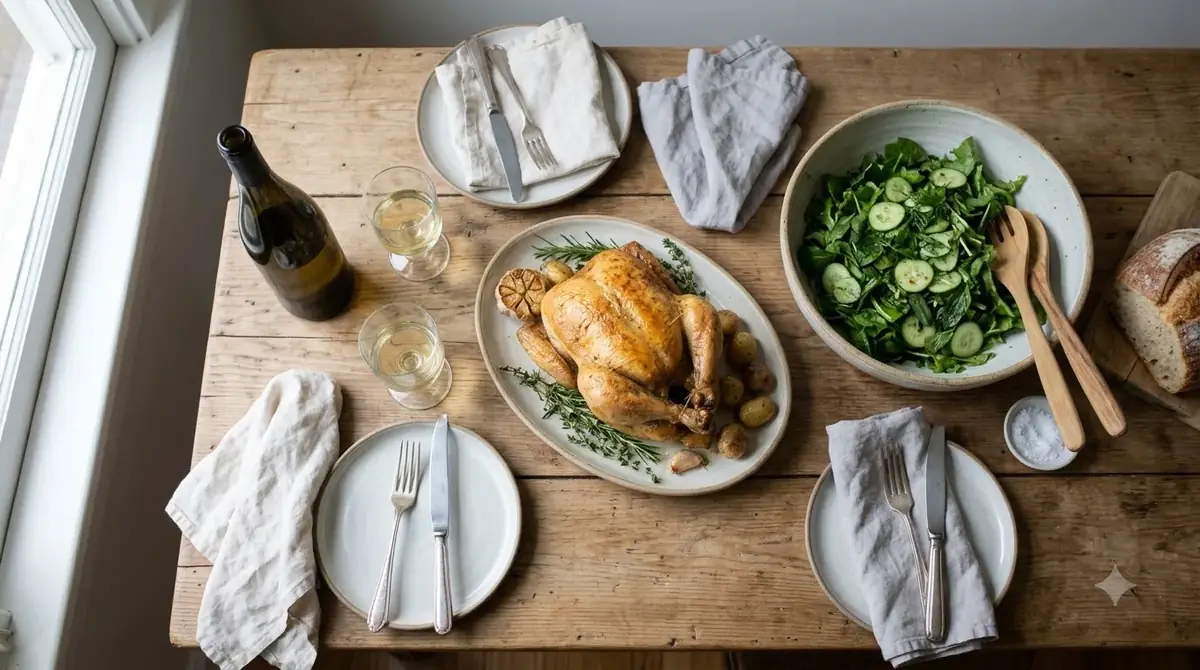
Avoid tiny, wide-brimmed antique sherry schooners, which allow aromatics to dissipate quickly and cause small pours to warm up within minutes. Instead, use a traditional Spanish catavino or a standard white wine glass filled only one-third full. A standard serving of Pedro Ximénez is 2 to 3 ounces (60 to 90 milliliters)—smaller than a table wine pour because of its rich concentration and fortified alcohol level.
Once opened, Pedro Ximénez is remarkably resilient compared to dry white wines or biological Fino sherry. Because high sugar and 17% ABV act as natural preservatives, an opened bottle tightly recorked and kept upright in the refrigerator stays fresh for two to three months, and many producers note it remains enjoyable for up to six months or more. Always store open bottles standing upright to minimize the surface area exposed to oxygen inside the bottle.
Pairing Pedro Ximénez by Temperature and Dish
Adjusting serving temperature by just two or three degrees lets you tailor Pedro Ximénez to different courses across a meal, spanning Wine by Type traditions from savory cheese boards to rich chocolate desserts. Matching the temperature of the wine to the temperature and weight of the food prevents one from overwhelming the other.
Serve PX at the cooler end of its range—around 50°F to 54°F (10°C to 12°C)—when pairing it with chilled or room-temperature savory starters such as Roquefort, Stilton, Cabrales blue cheese, or duck liver pâté. The brisk chill cuts through salty, creamy fats and keeps the pairing balanced rather than heavy.
When serving PX alongside warm desserts—such as dark chocolate fondant, pecan tart, spiced fig cake, or poured directly over cold vanilla bean ice cream—aim for 55°F to 57°F (13°C to 14°C). The slightly warmer pour flows smoothly like a warm espresso-caramel sauce and harmonizes smoothly with baked spices and roasted nuts.
Frequently Asked Questions
Can you serve Pedro Ximénez sherry at room temperature?
Serving Pedro Ximénez at warm room temperature (around 70°F) is generally not recommended because heat amplifies its intense sweetness and makes the fortified alcohol feel sharp. Lightly chilling the bottle to 54°F–57°F (12°C–14°C) keeps the texture velvety and brings out complex dried fig, coffee, and nut aromas.
Should Pedro Ximénez sherry be kept in the fridge?
Yes, storing an opened bottle of Pedro Ximénez upright in the refrigerator slows oxidation and keeps it fresh for several months. Because a standard kitchen fridge runs near 38°F, take the bottle out 20 to 30 minutes before pouring so it warms into the ideal 54°F–57°F serving window.
Can you put ice in Pedro Ximénez sherry?
Yes, serving Pedro Ximénez over a single large ice cube is an accepted casual option, especially in hot weather or as an afternoon aperitif. Use one large, slow-melting cube rather than crushed ice so the wine cools down without becoming overly diluted.
How much Pedro Ximénez sherry do you pour per serving?
A standard pour of Pedro Ximénez is 2 to 3 ounces (60 to 90 milliliters), served in a white wine glass or traditional catavino. Smaller pours keep the wine from warming up too quickly in the glass and match its dense, dessert-level richness.
Dialing in the right serving temperature transforms Pedro Ximénez from a thick sweet wine into a layered, aromatic dessert pour. Keep your bottle in a wine fridge at 55°F or give it 45 minutes in a standard refrigerator before pouring 2 to 3 ounces into a tulip-shaped glass. With the right chill, every sip balances deep raisin and espresso richness with clean, refreshing lift.
More in Wine Types & Grapes
 What Does Mourvèdre Taste Like? Flavor Profile, Regions, and PairingsUpdated Nov 20, 2026
 What Does Marsanne Taste Like? Flavors, Styles, and Food PairingsUpdated Nov 20, 2026
 What Does Malvasia Taste Like? Styles, Flavors, and Food PairingsUpdated Nov 20, 2026
 What Does Grenache Blanc Taste Like? Flavor Profile, Styles, and PairingsUpdated Nov 20, 2026
 What Does Garnacha Taste Like? Key Flavors, Styles, and Pairing TipsUpdated Nov 20, 2026
 What Does Fruit Wine Taste Like? A Complete Flavor and Style BreakdownUpdated Nov 20, 2026