

We may earn a commission when you buy through links on this page, at no extra cost to you. Learn more.
Pahlmeyer wine comes from a Napa Valley winery that makes Bordeaux-style blends from high-elevation vineyards, with a lineup that runs from approachable bottlings to small, allocated releases. The brand’s founding idea, as its website tells it, was to create a California take on Château Mouton, and the range still centers on that Bordeaux model.
If you have seen Pahlmeyer on a restaurant list or a collector’s shelf and want to know how the different bottlings compare, this guide walks through the winery’s origin, its vineyards, the tiers of its lineup, and how to serve and store the wines. Facts come from the winery’s website, and where that site stays general, this guide keeps its wording general too.
Where the Pahlmeyer Idea Came From
Pahlmeyer is a Napa Valley winery, and the address in the site footer places it in the valley itself. The website says the winery has been making wine for over 35 years, but it does not give a single founding year in the text, so readers who need an exact date should check a current winery directory.
The brand story is personal. The site features Jayson Pahlmeyer, who describes the original goal of making his own “California Mouton,” a rich and powerful Napa Valley Bordeaux blend. That framing tells you the house is built around the Bordeaux model rather than a single grape, and it explains why many of its wines are blends in the tradition of Left Bank France.
For a buyer, the origin story sets expectations. You are not looking at a Pinot Noir specialist or a light, everyday Napa producer. You are looking at a house that aims for depth, structure and age, and it builds its tiers around those goals.
The Vineyards Behind the Wines
The winery’s site names five vineyards that feed its range: Waters Ranch, Antica, Vangone, Upper Range and Stagecoach. Naming the sources this way gives a serious reader a starting point for comparing bottlings, because a wine’s vineyard often shapes how it tastes from year to year.
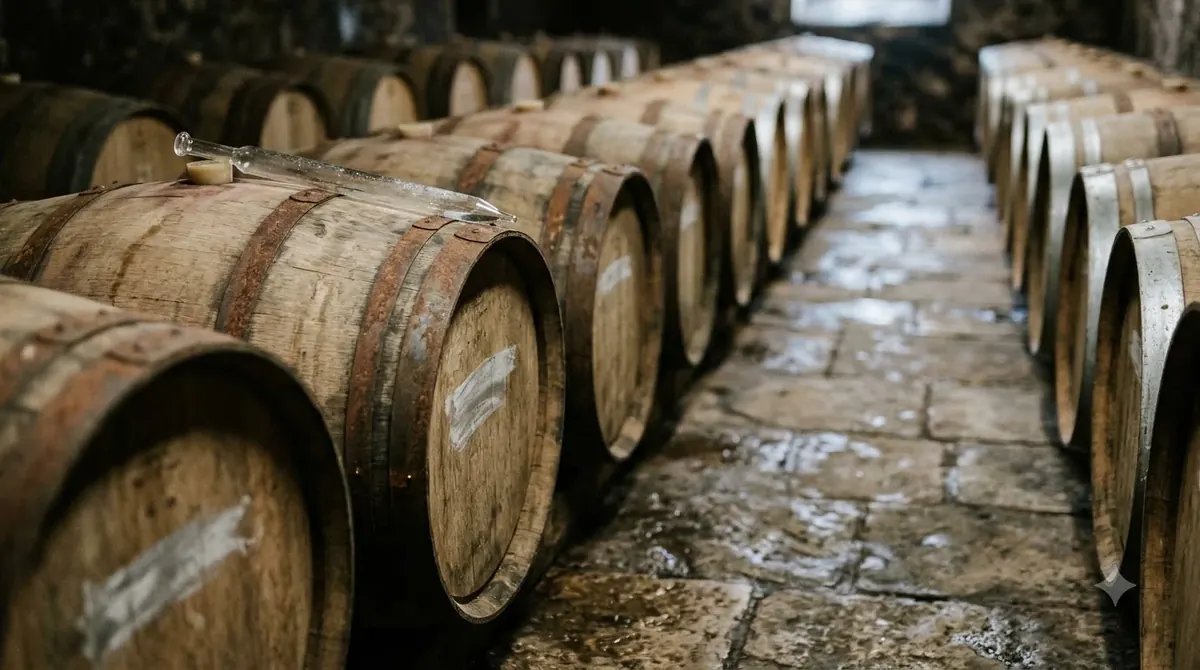
The site describes the fruit as high-elevation and hand-harvested, and it says the winemaking is gentle. Those three points together point to a style built on concentration and fine texture rather than on heavy oak or fruit pushed for ripeness. The site’s own wording is that the wines show “unparalleled concentration, complexity, and age-worthiness,” with a Bordeaux-inspired, mountain-born character.
Because the site does not publish a grape breakdown for each vineyard, this guide does not assign percentages. The safer reading is the one the winery itself gives: a Bordeaux-style structure, built from mountain fruit, aimed at long life in the bottle.
| Lineup tier | How the winery describes it | Who it suits |
|---|---|---|
| Pahlmeyer Icons | The most highly allocated wines, made only in exceptional vintages | Collectors who plan to hold bottles for years |
| Classic Pahlmeyer | Described as cellar-worthy bottlings | Buyers who want the core Bordeaux-style blend |
| Jayson by Pahlmeyer | Intentionally rich and more approachable | Drinkers who want a fuller style sooner |
| Les Élus | Small-lot, allocated offerings | Buyers who follow limited releases |
Understanding the Tiers: Icons, Classics and Jayson
The lineup is layered, and the layers matter. The Icons sit at the top and are the most allocated wines, made only in exceptional vintages. If a year is not declared as an Icon year, that bottle simply does not exist, which is one reason collectors pay attention to vintage declarations.
The Classic bottlings are the core of the house. The website describes them as cellar-worthy, which means they reward a long rest and are not designed to be opened young. Jayson by Pahlmeyer takes a different route. The site calls it intentionally rich and approachable, so it is the most accessible entry point in the family of wines.
The Les Élus releases are small-lot and allocated. Like the Icons, they are limited, so the buying approach is different. Watch for release announcements and be ready to act when a bottle becomes available. The product images on the site list a mix of styles, including Sauvignon Blanc, Chardonnay, red wine and Cabernet Sauvignon under the Jayson label, all shown as 2022 Napa Valley bottlings. That tells you the range is not limited to one style, even if the reds get most of the attention.
How to Serve and Pair Pahlmeyer Wine
Serve the reds a little below room temperature, and let them open in the glass before you judge the structure. A young Napa Bordeaux-style red often shows tight tannins at first, and a short decant or a rest of an hour or so brings out the fruit. Older Icons or Classic bottlings need gentler handling and a careful pour so sediment stays in the bottle.
Pair the wine with food that has fat and protein. Grilled ribeye, roast lamb, braised short ribs and aged cheeses all suit a structured red. Mushroom dishes and rich sauces work well too. For the approachable Jayson bottling, a simple roast or grilled meat is enough. The big, age-worthy Classic and Icon bottlings call for a bigger meal, so save them for a dinner where the wine can take center stage. For a different take on American reds, Pedernales wine is a useful comparison for a meal built around a single red.
Tip: Match the bottle to the occasion. A Classic or Icon is a cellar project rather than a weeknight bottle, and the Jayson label is the better pick when you want a red that drinks well sooner.
Storing and Buying Pahlmeyer Wine
Storage matters for this style. Keep bottles lying on their side in a cool, dark place with a steady temperature. Avoid heat, light and vibration, because those are the things that age a wine faster than it should age. A basic wine fridge or a quiet closet works well for a collection that will be opened over several years.
Buying depends on the tier. For the Classic and Jayson bottlings, a reputable retailer or a shop that stocks the vintage clearly is the simplest route. For allocated Icons and Les Élus, the winery’s own release channels and the mailing list are the main way to get bottles, and allocations are small. Expect to be disappointed on some releases, because limited bottlings sell out quickly.
When you buy, record the vintage and the label. Pahlmeyer’s lineup means that two bottles from the same estate can be very different in style and in how long they will need. Keeping track of the vintage helps you decide which bottle to open this year and which one to hold.
Frequently Asked Questions
What kind of wine does Pahlmeyer make?
The winery focuses on Bordeaux-style blends from Napa Valley vineyards. Its website describes the goal as a California take on a rich Bordeaux blend, and the lineup spans cellar-worthy classics, approachable bottlings and small allocated releases.
Which Pahlmeyer wine is best for a first purchase?
The Jayson label is the more approachable entry point, according to the winery’s description. Pick a Classic if you want the core Bordeaux-style blend and are willing to give it time in the cellar.
Do Pahlmeyer wines need to age?
The Classic bottlings are described as cellar-worthy, and the Icons are made only in exceptional vintages. Many buyers keep these wines for years, but a younger bottle can be enjoyed with food and a short decant.
Where can I find current release information?
The winery’s website at pahlmeyer.com lists its tiers and vineyards. For broader context on how estates are grouped, the Wine Brands guide is a good next step.
Pahlmeyer rewards readers who want to understand the tiers before they buy. Start with the house idea, learn the five vineyards, and then choose a bottling that matches your timeline and your table. Whether you pick the approachable Jayson or a Classic to hold for years, the wine is built to give you more with time and a good meal.
More in Wine Brands
 Underwood Wine Price: Compare Bottles, Cans, and Pack SizesUpdated Nov 21, 2026
 Zenato Wine Price: Compare Styles and Choose the Right BottleUpdated Nov 21, 2026
 Zuccardi Wine Price: Compare Bottles and Find the Right RangeUpdated Nov 21, 2026
 Yellow Tail Moscato Review: Taste, Sweetness and Serving TipsUpdated Nov 21, 2026
 Wolf Blass Yellow Label Review: Choose Your Best StyleUpdated Nov 21, 2026
 Wolffer Estate Rose Review: Choose the Right Bottle for Your TableUpdated Nov 21, 2026