

We may earn a commission when you buy through links on this page, at no extra cost to you. Learn more.
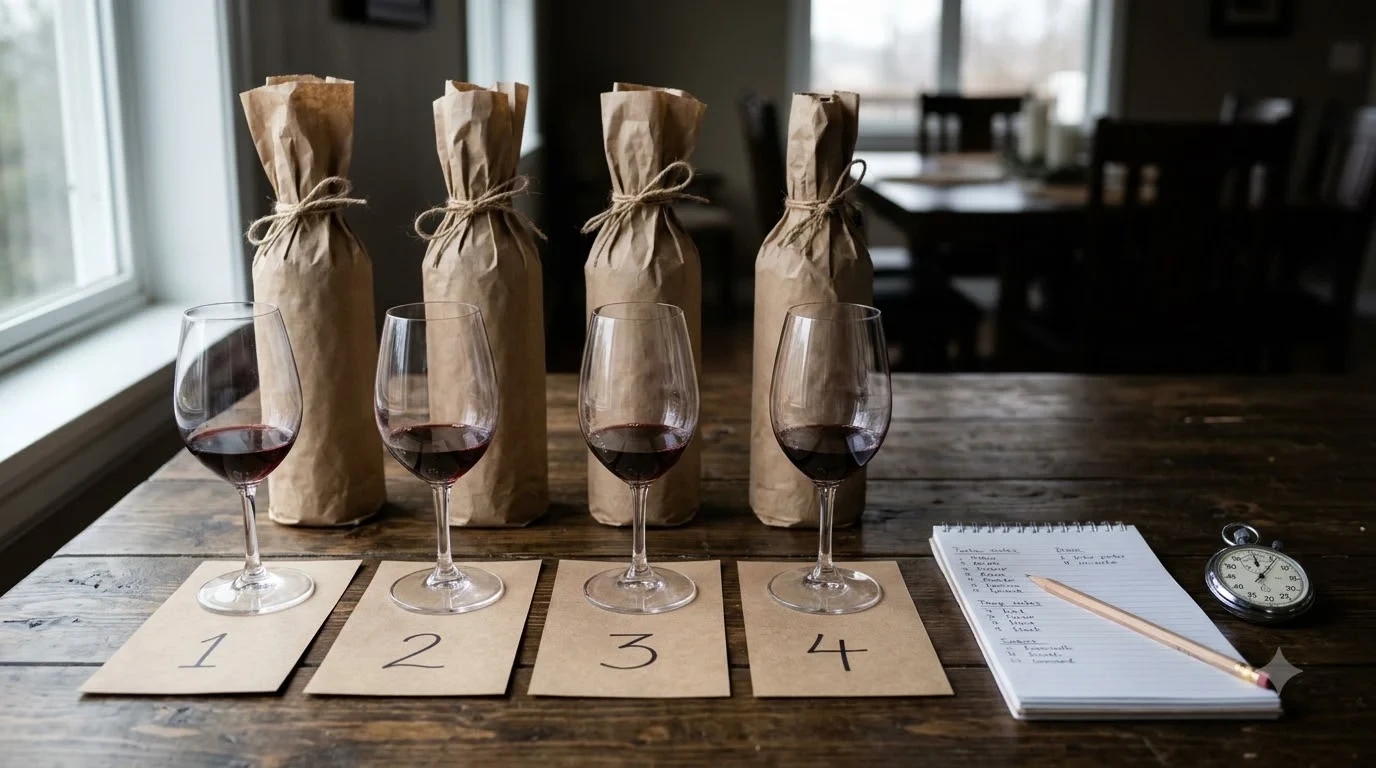
Page Springs wine is made by Page Springs Cellars, a winery at 1500 N. Page Springs Road in Cornville, Arizona, and its tasting room and bistro make it easy to sample the range in person before you buy. The range is grouped into white and rosé, red, dessert, specialty, and distilled spirits, so you can explore by style rather than by a single signature bottle. This guide explains what the winery offers, how to plan a visit, and how to choose a bottle to take home.
If you have seen Page Springs on a wine list or a shop shelf and wondered what to expect, this article gives you a practical overview. It draws on the winery’s own published information, describes the categories of wine it sells, and shows how a tasting room visit can help you decide what to buy. It also includes a few serving and pairing tips that suit an Arizona winery’s approach to everyday drinking.
Who makes Page Springs wine
Page Springs Cellars is an Arizona winery located in Cornville, a small community in the Verde Valley area of central Arizona. The winery presents itself through its tasting room, its shop, and its visitor programs, rather than through a long public history on its website. For that reason, the most useful way to learn about the wines is to read the category descriptions on the winery’s own site and to taste the range in person.
The winery’s tagline, “Trust Your Palate,” signals an approach that favors personal taste over a rigid set of rules. That fits a visitor-friendly shop where you can compare categories and decide for yourself what you enjoy. If you are new to Arizona wine, treat the tasting room as a learning space and take notes on what you like.
What the Page Springs range includes
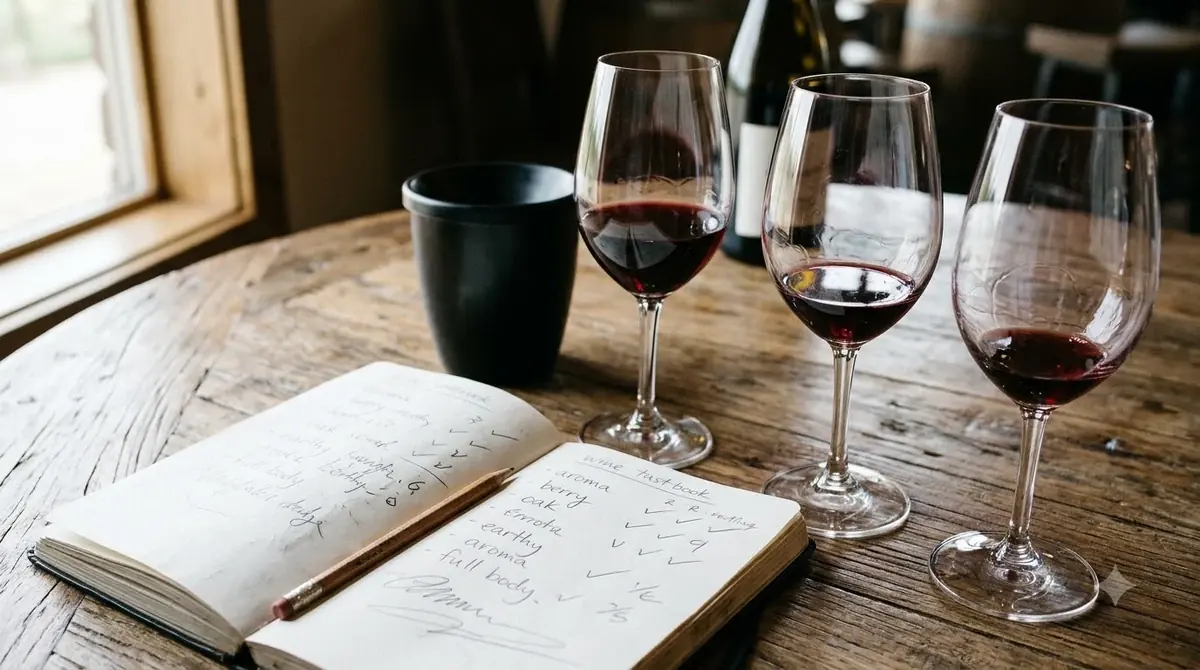
The winery’s shop organizes its products into several clear categories. White and rosé wines form the lighter end of the range, while the red section covers fuller styles that are usually better with food. A dessert section and a specialty section round out the wine selection, and a separate distilled spirits section offers spirits alongside the wine.
The shop also includes a member’s only section and a selection described as under a set price point, which can help you narrow choices if you are shopping for a particular occasion. Check the current listings on the winery’s website, because stock and categories can change between visits.
A wine club is available for guests who want regular shipments, and the winery’s site also describes a vineyards and sustainability section and a product called Vin de Filles. The details are brief on the site, so ask the tasting room staff for the current terms and the full product list before you sign up for anything.
| Category | What it covers | Good starting point for |
|---|---|---|
| White and rosé | Lighter, fresher styles | Warm afternoons and simple meals |
| Red | Fuller, food-friendly styles | Dinners and slow evenings |
| Dessert | Sweeter styles | After-dinner pours |
| Specialty | Less common bottlings | Trying something new |
| Distilled spirits | Spirits from the same shop | Gifts and mixed drinks |
Visiting the tasting room
The tasting room and bistro are the easiest way to compare the range. According to the Page Springs Cellars website, hours run from 11 am to 6 pm on Sunday through Wednesday and from 11 am to 8 pm on Thursday through Saturday. Hours can change on holidays and during special events, so confirm them before you drive out.
Reservations are encouraged but not required, and walk-ins are welcome. For parties larger than six, the site asks guests to call or email the tasting room ahead of time. Tours, group visits, and a corkscrew gallery are also listed as visitor options, which makes the trip useful for both casual guests and planned outings.
The winery also hosts regular evening events. Thursday evenings and first-Thursday locals’ nights feature draft wine and small bites, so a weeknight visit can be a relaxed way to try several styles without committing to a full bottle. Arrive early on busy evenings, since walk-in seating can fill quickly.
If you are traveling with a group, plan the visit around the tasting room’s listed hours and leave time for a bistro meal. Staff can help you choose a sequence of pours, and a slower pace usually gives everyone a better sense of the range than rushing through a long list of styles.
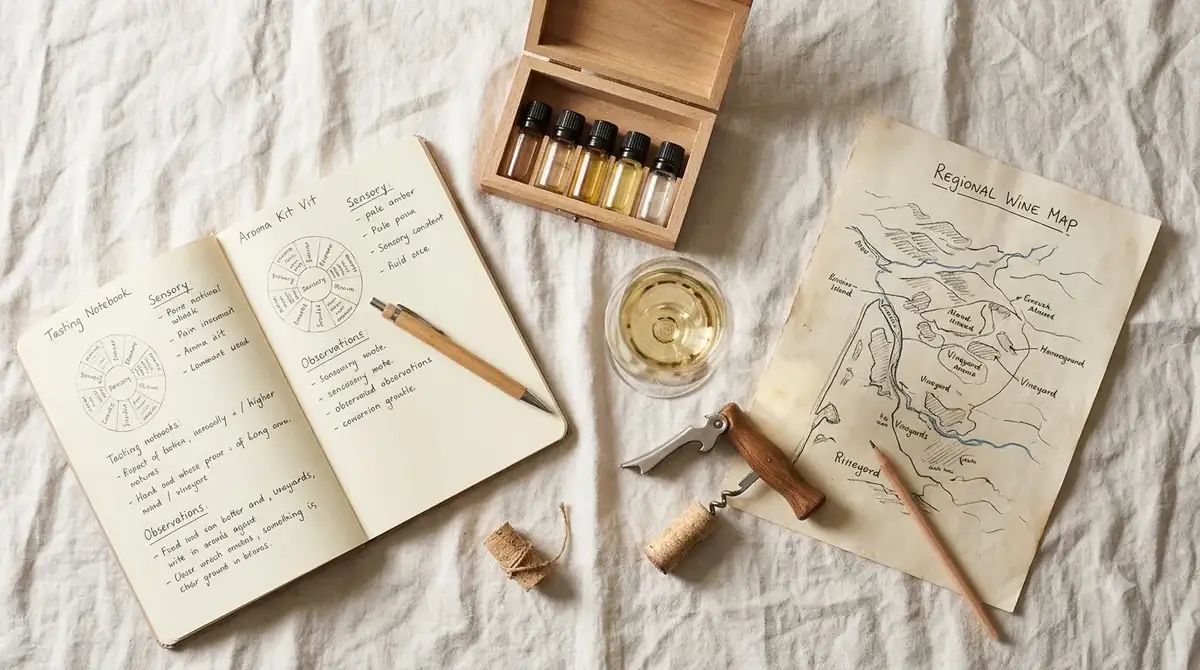
Tip: Ask staff to pour two or three styles side by side, starting with the lightest white and finishing with the fullest red. Comparing them in order makes differences easier to notice.
How to choose a bottle to take home
Start with the style you already enjoy. If you prefer crisp, fresh whites, begin in the white and rosé section. If you like richer, savory wines, the red section will give you more to compare. Use the tasting room as a short guided test before you buy a full case.
Think about the occasion too. A lighter bottle suits a warm afternoon or a simple lunch, while a fuller red is better for a long dinner with roasted or grilled food. Dessert wines work best as a finish to a meal rather than as an aperitif. Matching the bottle to the moment often matters more than the label.
If you want to compare a broader range before choosing, the producers A to Z Wineworks and Andre Spumante offer other styles to consider. Our guide to wine brands explains how different producers approach their wines, which can help you build a shortlist.
Serving and pairing tips for these styles
Serve white and rosé wines cool but not ice-cold, so the aromas can open up in the glass. Red wines are usually best slightly cooler than room temperature, and a short rest in the fridge before pouring can help if the room is warm. Use a standard glass for each style, and pour modest amounts so the wine stays fresh over the course of a meal.
For pairing, match the lighter styles with salads, grilled fish, and fresh cheeses, and match the fuller reds with roasted meats or hearty vegetable dishes. Dessert styles pair well with fruit-based sweets and simple cakes rather than with spicy food. When in doubt, serve the lighter wine first and move to the fuller one as the meal goes on.
Frequently Asked Questions
Where is Page Springs Cellars located?
The winery’s address is 1500 N. Page Springs Road in Cornville, Arizona. Check the winery’s website for directions and current visiting information before you plan a trip.
Do I need a reservation to visit the tasting room?
Reservations are encouraged but not required, and walk-ins are welcome. Parties larger than six should call or email the tasting room in advance.
What types of wine and spirits does Page Springs sell?
The shop lists white and rosé, red, dessert, and specialty wines, along with a distilled spirits section. Category details can change, so review the current listings on the winery’s website.
Is Page Springs a good choice for a first visit to Arizona wine?
Yes, because the tasting room lets you compare several categories in one visit. Ask staff to pour a few styles and take notes on which ones you enjoy most before buying a full bottle.
Page Springs Cellars gives you a clear way to explore its range: visit the tasting room, compare the categories, and then choose the bottles that fit your taste and your meals. Check the winery’s current hours and events before you go, and build your shortlist from the styles you enjoy most.
More in Wine Brands
 Underwood Wine Price: Compare Bottles, Cans, and Pack SizesUpdated Nov 21, 2026
 Zenato Wine Price: Compare Styles and Choose the Right BottleUpdated Nov 21, 2026
 Zuccardi Wine Price: Compare Bottles and Find the Right RangeUpdated Nov 21, 2026
 Yellow Tail Moscato Review: Taste, Sweetness and Serving TipsUpdated Nov 21, 2026
 Wolf Blass Yellow Label Review: Choose Your Best StyleUpdated Nov 21, 2026
 Wolffer Estate Rose Review: Choose the Right Bottle for Your TableUpdated Nov 21, 2026