

We may earn a commission when you buy through links on this page, at no extra cost to you. Learn more.
paarl wine tasting offers visitors the chance to explore South Africa’s distinctive Shiraz, Chenin Blanc, Pinotage, and other wines across a diverse collection of historic estates and modern wineries. Located in the Western Cape, Paarl combines Mediterranean growing conditions, varied vineyard soils, and a long winemaking tradition. Visitors can enjoy everything from structured cellar tastings and sparkling wines to farm restaurants, cheese pairings, and scenic vineyard experiences. Its location approximately 40 minutes from Cape Town also makes it a practical destination for a day trip or a longer Cape Winelands visit.
Paarl is one of South Africa’s established wine-producing districts, but its appeal extends beyond its best-known bottles. The region brings together cooperative cellars, family estates, independent producers, and historic properties, each offering a different perspective on local winemaking. Understanding its grapes, geography, tasting experiences, and seasonal conditions helps visitors build a more rewarding itinerary and recognize what makes Paarl wines distinctive.
Understanding Paarl’s Wine Region and Its Distinctive Terroir
Paarl’s wine identity comes from the combination of warm Mediterranean weather, mountain-influenced vineyard sites, and diverse soils. Its established wine-growing history and range of growing conditions allow producers to make both structured reds and fresh, characterful whites.
The Paarl district received Wine of Origin status in 1972. According to South African Tourism, the broader district encompasses the Wellington, Simonsberg-Paarl, and Voor Paardeberg wards. These areas contain different vineyard landscapes, from relatively low-lying agricultural land to slopes influenced by the surrounding mountain ranges. Wines carrying the Paarl designation therefore do not necessarily represent one uniform growing environment.
The landscape is strongly associated with Paarl Mountain and its prominent granite formations. The mountain is an important geographical feature, and decomposed granite contributes to the region’s soil diversity. Other vineyard soils include potassium-rich gravel, clay loam, sandstone, and shale. These differences influence drainage, water availability, vine growth, and the conditions under which individual grape varieties ripen.
Water is another important consideration. The Berg River provides an important source for agricultural irrigation, while the Groot Drakenstein, Klein Drakenstein, and surrounding mountain ranges influence the broader landscape. Wines of South Africa describes the region as receiving approximately 500 to 700 millimeters of rainfall annually. This rainfall, combined with irrigation and vineyard location, contributes to the different growing conditions found across Paarl.
The climate is generally Mediterranean, with long, hot summers and mild, wetter winters. Afternoon breezes help moderate summer conditions, although individual vineyard sites can experience different temperatures and exposures. Higher or more sheltered locations may produce grapes with different ripening patterns from those grown on warmer, lower ground.
These environmental differences are important when comparing wines from different estates. A Shiraz grown on a particular mountain slope may have a different balance of fruit, acidity, and structure from one grown on a warmer site. Likewise, Chenin Blanc from different soils can range from crisp and fruit-driven to broader, more textured expressions.
Paarl’s geographical position also makes it an interesting point of comparison with nearby wine regions. Visitors exploring the broader Cape Winelands can compare its warm-climate reds with the styles encountered during Willcox wine tasting or investigate the different growing conditions found through Alsace wine tasting.
Grape Varieties to Look for During Paarl Wine Tasting
The most useful starting point is to explore Paarl Shiraz, Chenin Blanc, Pinotage, Cabernet Sauvignon, and Grenache. These grapes demonstrate the region’s ability to produce both generous red wines and whites with different levels of freshness, texture, and complexity.
Shiraz is one of Paarl’s signature red varieties. South African Shiraz can display dark berry fruit, plum, pepper, savory spice, and sometimes smoky or earthy notes. The region’s warm growing conditions can encourage ripe fruit character and a substantial palate. Tannin levels are generally medium-plus to high, depending on the wine’s production and style.
When tasting Shiraz, pay attention to the balance between ripe fruit, acidity, alcohol, and tannin. A more approachable example may emphasize blackberry and plum, while a more structured wine can show firmer tannins and additional savory complexity. Comparing two Shiraz wines from different producers is a useful way to understand how vineyard location and winemaking influence the finished wine.
Chenin Blanc deserves equal attention. It is an important South African grape and produces a wide range of styles in Paarl. Younger examples may feature apple, pear, citrus, and fresh acidity. Other bottlings can have a fuller texture, stone-fruit character, or subtle notes from oak maturation.
Chenin Blanc is especially useful for understanding how a single variety responds to different vineyard conditions and production decisions. Ask whether a wine is fermented and matured in stainless steel, concrete, or oak. These choices can affect its texture and aromatic expression without changing the grape itself.
Pinotage, South Africa’s distinctive crossing of Pinot Noir and Cinsault, is another important wine to explore. Depending on its style, it can offer plum, blackberry, dark cherry, and earthy or smoky notes. Paarl’s varied soils make it possible to find different interpretations, including examples from sandy vineyard sites.
Cabernet Sauvignon and Merlot provide useful comparisons. Cabernet Sauvignon generally has high tannin, dark fruit character, and a firmer structure. Merlot usually has medium tannin and a softer texture. These varieties also appear in red blends, where Cabernet Sauvignon can provide structure and Merlot can contribute a rounder palate.
Grenache and Viognier are worth seeking out as well. Grenache can offer red berry fruit, spice, and a softer tannin profile, while Viognier is an aromatic white grape often associated with floral notes, stone fruit, and a fuller texture. Both connect Paarl’s wine identity with the broader Rhône grape tradition.
Tip: Ask for a flight that includes Shiraz, Pinotage, and Cabernet Sauvignon, followed by Chenin Blanc and Viognier. Comparing these five varieties provides a useful introduction to Paarl’s red and white wine styles without concentrating on just one grape.
Wineries and Estates Worth Including on Your Itinerary
Paarl offers a broad selection of wine estates, from established names to smaller producers and cooperative cellars. Choosing a few wineries with different tasting formats gives visitors a better understanding of the region than visiting several properties that offer similar experiences.
Fairview is one of the recognizable names on the Paarl Wine Route. Its wine and cheese identity makes it particularly appealing to visitors who want to combine wine with food. The estate provides an opportunity to explore South African wine alongside locally produced cheeses, making it a useful stop for visitors interested in pairing as well as grape varieties.
KWV is another significant name in Paarl’s wine history. Visitors interested in the production and heritage side of the industry can investigate its cellar experiences and the Cathedral Cellar. A visit can provide context about South African wine production beyond the individual vineyard and bottle.
Babylonstoren offers a different kind of estate experience, combining wine with gardens, food, and the atmosphere of a historic working farm. Visitors interested in a longer stop can explore its gardens and wine-related experiences alongside the estate’s hospitality offerings.
Spice Route provides another option for visitors who want a varied outing. The estate is associated with a collection of artisanal food and drink experiences, making it suitable for groups with different interests. Its setting also makes it a useful place to combine wine exploration with a relaxed meal or additional tasting activities.
Perdeberg deserves attention from visitors particularly interested in Chenin Blanc. Its wines provide an opportunity to compare different interpretations of this important South African grape. A tasting focused on several Chenin Blanc expressions can reveal how ripeness, vineyard selection, and production techniques influence the final result.
Other wineries listed by the official Paarl Wine Route include Brookdale, Nederburg, Rhebokskloof, Niel Joubert, Windmeul, Boland Cellar, Ridgeback, and Avondale. Each gives visitors another possible route into the region’s wine styles and hospitality experiences.
The best estate depends on the purpose of the visit. Someone interested in traditional wine production may prefer a cellar-focused experience, while a visitor traveling with family or friends might favor a property with restaurants, gardens, and outdoor spaces. It is sensible to select wineries based on their actual tasting offerings rather than choosing solely by reputation.
The official Paarl Wine Route winery directory provides a useful starting point for identifying participating estates and exploring the different experiences they offer. Individual wineries should be contacted directly for current tasting arrangements, booking requirements, and opening information.
Planning a Wine-Tasting Route and Choosing the Right Experience
A well-planned Paarl wine itinerary should include approximately three tasting stops rather than attempting to visit every major estate in one day. This allows enough time to understand the wines, enjoy food, and appreciate the surroundings without rushing between appointments.
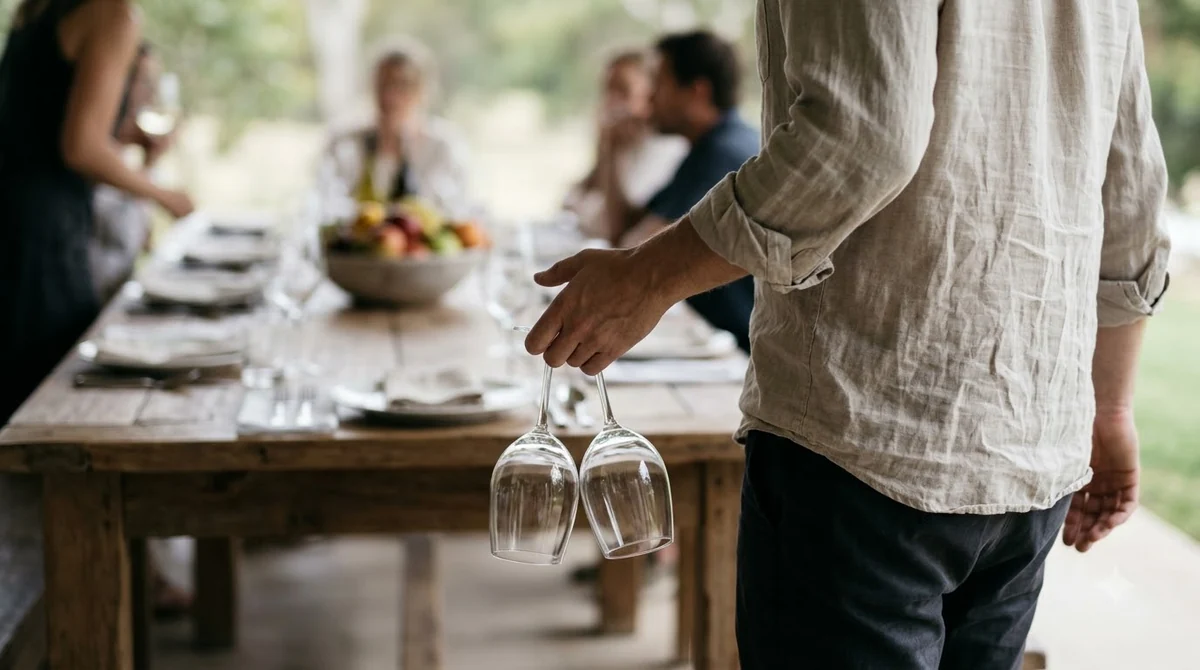
The Paarl Wine Route includes cooperative cellars, family-owned properties, and wineries with different approaches to hospitality. Some specialize in technical tastings, while others provide informal experiences in gardens or under historic oak trees. The official route also identifies blending workshops, private cellar tastings, farm visits, garden walks, and chocolate pairings as available experience types among its members.
For a first visit, consider organizing the day around three distinct themes:
- First stop: Regional introduction. Begin with a winery offering a selection of local white and red wines. Try Chenin Blanc, Shiraz, and Pinotage to establish a basic understanding of Paarl’s signature varieties.
- Second stop: Estate and food experience. Choose a property such as Fairview or another winery with food options. Explore how cheese, lunch dishes, and other accompaniments interact with different wines.
- Third stop: Focused tasting. Finish with a more structured tasting or a producer specializing in a particular variety. Compare several expressions of Shiraz, Chenin Blanc, or a red blend.
Allow approximately 60 to 90 minutes for each tasting experience, with additional time for lunch, travel, and any scheduled cellar tour. A more extensive technical tasting may require longer, especially if the winemaker discusses vineyard sites, fermentation, and maturation in detail.
Private tastings are particularly useful for visitors who want a more educational experience. They may provide opportunities to compare different vintages, discuss blending decisions, or learn how individual vineyard blocks contribute to the finished wine. However, availability and the format of these sessions vary between estates.
Groups should consider making reservations, especially for private tastings, workshops, and food pairings. A winery that accepts casual visitors may still require advance arrangements for a specialized session. Weekend visits and larger groups also benefit from planning ahead.
Transportation is another important part of the itinerary. Because the wineries are spread across the wider district, driving between estates is often necessary. A designated driver, private wine tour, or local transport arrangement allows visitors to enjoy the day without having to drive after tasting.
For visitors who want to explore more than wine, Paarl can be combined with cultural and outdoor attractions. The Afrikaans Language Monument, Paarl Mountain, and the historic Main Road offer alternatives between winery visits. This is particularly useful for travelers spending more than one day in the area.
Best Time to Visit Paarl and What to Expect Seasonally
Spring and autumn are particularly attractive seasons for exploring Paarl, while summer offers an opportunity to experience the region during its main growing and harvest period. The best choice depends on whether visitors prioritize vineyard scenery, harvest activity, or comfortable outdoor tasting conditions.
Spring brings fresh growth and flowering orchards. South African Tourism specifically identifies the season as an appealing time to visit because the orchards bloom and the oak trees along the main road develop new foliage. The landscape can be especially attractive for photography and outdoor estate experiences.
Summer generally runs from December through April. This is a warm period, with long sunny days and substantial vineyard activity. The harvest typically begins around mid-January and continues through the end of March or early April, although exact timing varies according to grape variety, weather, and vineyard conditions.
Visitors arriving during harvest may see more activity around wineries and vineyards. However, the harvest is also a busy period for producers, so specialized tours and private appointments should be arranged in advance. Not every winery offers public access to its working production facilities during this time.
Autumn, particularly April through early July, is another appealing period. South African Tourism describes the season as generally mild, with cooler evenings. Visitors can enjoy a more relaxed outdoor atmosphere while experiencing the landscape after the main harvest period.
Winter brings cooler temperatures and more rainfall. June through September is the rainy season, so indoor cellar tastings and winery restaurants can be especially appealing. Visitors should bring layers because conditions can change during the day.
The following table summarizes the main seasonal considerations.
| Season or period | Typical timing | What visitors can expect |
|---|---|---|
| Spring | September-November | Flowering orchards, green oak trees, and pleasant outdoor scenery. |
| Summer | December-April | Long, warm days and active vineyard conditions. |
| Harvest | Mid-January to March or early April | Grape harvesting and increased cellar activity. |
| Autumn | April-early July | Mild days and cooler evenings. |
| Rainy season | June-September | Wetter weather and cooler conditions suitable for indoor tastings. |
For most first-time visitors, spring or autumn provides a comfortable balance between scenery and outdoor hospitality. Summer is attractive for those interested in harvest activity, while winter can suit travelers who prefer quieter cellar experiences and longer meals indoors.
Food Pairings and Wine Styles to Explore in Paarl
Food is an important part of a Paarl wine visit, particularly because the region produces wines with enough variety to accompany cheese, grilled meat, vegetables, seafood, and local dishes. Choosing the right pairing can also help visitors understand the acidity, tannin, sweetness, and body of individual wines.
Start with Chenin Blanc alongside goat cheese, fresh salads, or grilled chicken. Its acidity can complement dishes with citrus, herbs, and moderate richness. A fuller-bodied Chenin Blanc may also work with roasted poultry, creamy sauces, or grilled vegetables.
Shiraz is a natural partner for grilled lamb, beef, and dishes seasoned with black pepper or aromatic herbs. Its dark fruit character and medium-plus to high tannin can complement rich meat preparations. Fat and salt soften the perception of tannin, which is why a structured Shiraz often works well with grilled or roasted meat.
Pinotage can accompany barbecue, roasted pork, and grilled mushrooms. Its fruit-forward character and possible smoky or earthy notes make it versatile with dishes that have a browned or grilled exterior. The wine’s actual structure should guide the pairing, since lighter examples may work better with less heavily seasoned food.
Cabernet Sauvignon pairs well with red meat, aged hard cheese, and dishes containing rich sauces. Its high tannin benefits from protein and fat, which soften its more astringent qualities. Merlot is a useful alternative when a softer red is preferred, particularly with roast chicken, pork, or moderately rich beef dishes.
For aromatic whites such as Viognier, consider roast chicken, lightly spiced dishes, and creamy vegetable preparations. Its fuller texture can support richer food than a very crisp white, although excessive chili heat can overwhelm the wine.
Visitors should also consider the region’s sparkling and fortified wine traditions. Méthode Cap Classique wines are made using the traditional method, with a second fermentation in the bottle. They can be served as an aperitif or paired with salty snacks, seafood, and fried appetizers.
When choosing a sparkling wine, understanding the sweetness scale is useful. Brut Nature and Extra Brut are among the driest categories, followed by Brut, Extra Dry, Dry, Demi-Sec, and Doux. The term Extra Dry can be misleading because it indicates a sweeter style than Brut.
For sweet wines, the basic pairing principle is to select a wine that is at least as sweet as the dessert. A wine that is less sweet than the food may taste sour or thin. Fortified wines can also accompany cheese, dried fruit, and desserts, depending on their sweetness and intensity.
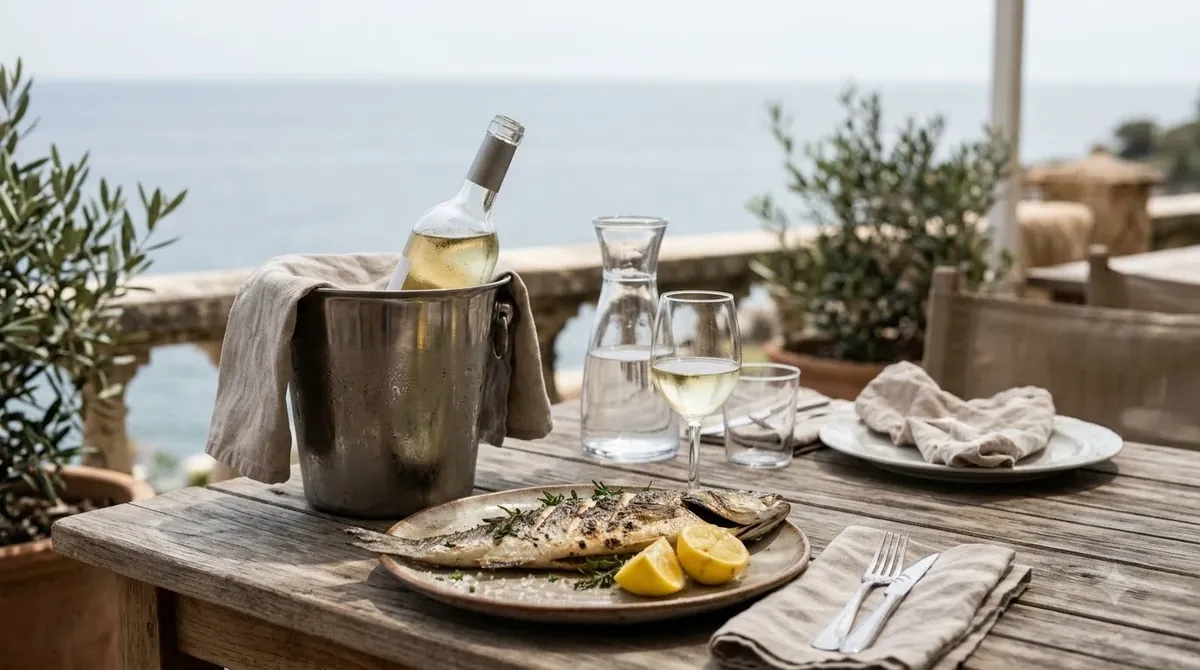
Food pairings should account for more than grape variety alone. A highly acidic dish needs a wine with equal or greater acidity, while very spicy food can make alcohol and tannin feel more pronounced. Oily fish is generally a better match for a crisp white than for a strongly tannic red.
Visitors who want to learn more about the wider range of regional styles can explore the Bolgheri wine tasting experience for a comparison with Italian red blends, or use the broader Wine Regions resource to understand how climate, geography, and grape selection influence wines from different countries.
Practical Tasting Tips for Getting More from Every Visit
A little preparation makes it easier to compare wines accurately and enjoy several winery visits in one day. Pay attention to serving temperature, tasting order, glass size, and the way each wine changes as it sits in the glass.
Begin with sparkling wines and lighter whites before moving to fuller whites and reds. A typical progression is sparkling wine, fresh Chenin Blanc, fuller-bodied white wine, Pinotage, Shiraz, and Cabernet Sauvignon. Sweet or fortified wines generally work well at the end of a tasting because their sweetness and intensity can affect the perception of drier wines afterward.
Temperature is particularly important. Sparkling wines are generally served between 40 and 50 degrees Fahrenheit. Light whites and rosé are best around 45 to 50 degrees, while fuller-bodied whites can be served slightly warmer at 50 to 55 degrees.
Light reds are usually best around 55 to 60 degrees, and full-bodied reds around 60 to 65 degrees. Sweet white wines generally benefit from a serving temperature of 43 to 50 degrees. Very warm red wine can emphasize alcohol, while excessively cold red wine can make tannin seem more prominent and suppress aromas.
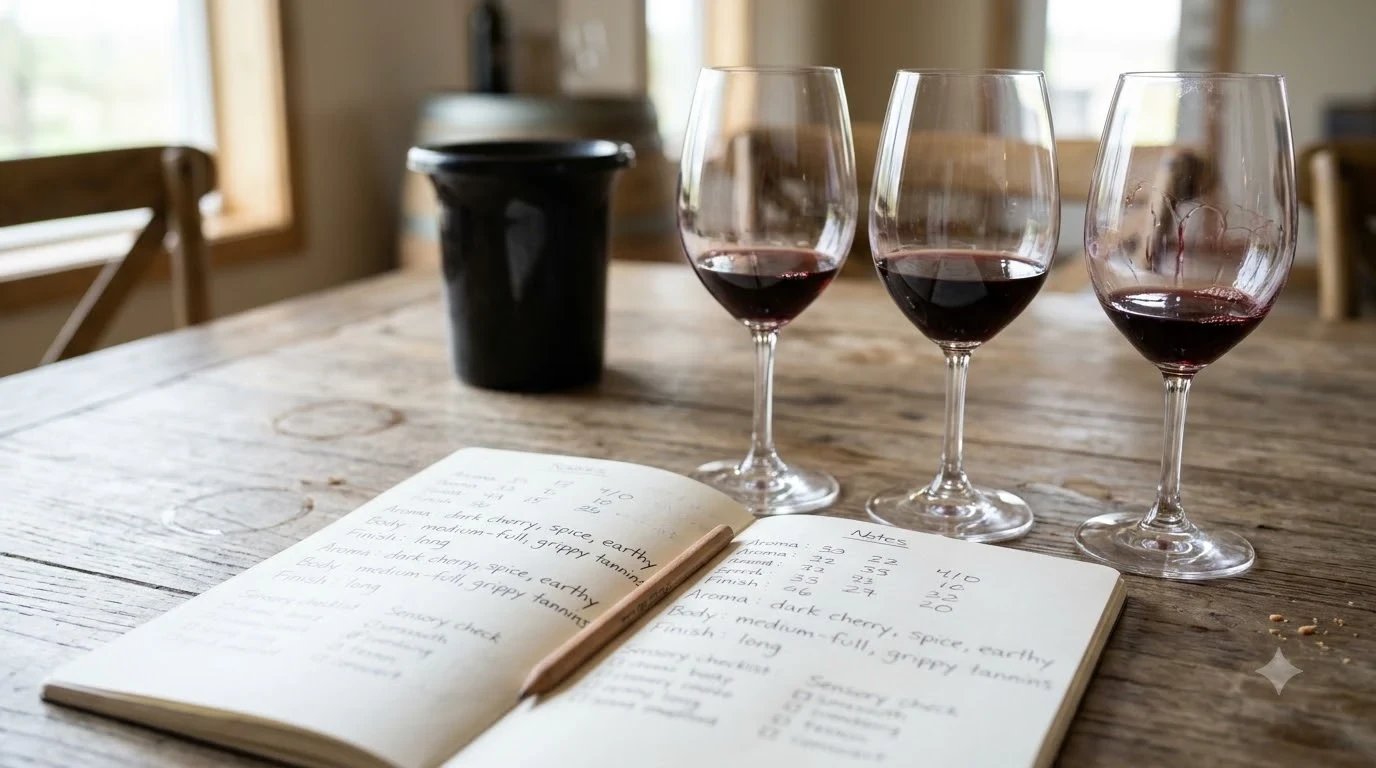
For comparison, use similar tasting conditions for each wine. If one Shiraz is served much warmer than another, differences in alcohol perception and aroma may be related to temperature rather than the wine’s underlying character. Taking short notes about fruit, acidity, tannin, body, and finish helps make the comparison more useful.
Standard tasting pours are often smaller than restaurant servings. A typical full glass of wine is approximately 5 ounces, and a standard 750-milliliter bottle contains about five such glasses. During a tasting, visitors may receive smaller samples, allowing them to compare several wines without filling a full glass each time.
It is also helpful to drink water and take breaks between tasting flights. Food can make a meaningful difference to the way wines are perceived, particularly when comparing high-tannin reds or sweet wines. Avoid rushing through a tasting just to reach the next estate.
For younger, full-bodied red wines, decanting for approximately 30 to 60 minutes can help expose additional aromas and soften the initial impression. Not every red wine requires decanting, however. Older or more delicate wines may need more careful handling rather than prolonged exposure to air.
If bringing bottles home, protect them from excessive heat during transportation. For longer storage, bottles are generally best kept on their sides in a stable environment near 55 degrees Fahrenheit, away from direct sunlight and temperature fluctuations.
Opened bottles also have different storage expectations. Sparkling wines generally keep for approximately one to three days in the refrigerator with a suitable sparkling-wine stopper. Still wines typically remain in good condition for three to five days when refrigerated and properly sealed. Fortified wines can last several weeks after opening, depending on their style and storage conditions.
Finally, ask questions. A winery representative can often explain why one Shiraz comes from a particular vineyard site, why a Chenin Blanc has a richer texture, or how a red blend achieves its balance. These conversations are among the most useful parts of a regional tasting experience because they connect the wine in the glass with the landscape and decisions behind it.
Frequently Asked Questions
Is Paarl part of the Coastal Region of South Africa?
Yes. Paarl belongs to South Africa’s Coastal Region wine classification. This broader regional designation includes several important wine districts, including Stellenbosch, Swartland, Wellington, and Franschhoek. The Coastal Region designation is broader than the Paarl district’s own Wine of Origin identity.
What does the name Paarl mean?
Paarl is the Afrikaans word for pearl. The name is associated with Paarl Mountain, whose granite formations can glisten after rainfall. This distinctive geographical feature is one of the most recognizable landmarks in the Cape Winelands.
What is the difference between Paarl and Simonsberg-Paarl wine?
Paarl is the broader wine district, while Simonsberg-Paarl is one of its recognized wards. A ward identifies a more specific geographical growing area within a wine district. The distinction allows producers to communicate a narrower origin when their wine meets the relevant geographical and production requirements.
What is Méthode Cap Classique wine?
Méthode Cap Classique, commonly abbreviated to MCC, is South African sparkling wine made using the traditional bottle-fermentation method. The wine undergoes its second fermentation in the bottle, similar to the production method used for Champagne. It is a useful style to explore alongside Paarl’s still white and red wines.
What is the Afrikaans Language Monument in Paarl?
The Afrikaans Language Monument is a landmark on the slopes of Paarl Mountain that commemorates the Afrikaans language. Its location makes it an interesting cultural stop between winery visits. Visitors can combine the monument with exploration of the surrounding mountain landscape and Paarl’s historic town center.
Paarl offers a rewarding combination of established wine producers, diverse vineyard conditions, and distinctive South African grape varieties. A thoughtful itinerary built around Chenin Blanc, Shiraz, Pinotage, and a few carefully selected estates provides an excellent introduction to the region. Whether visiting for a single day or spending several days in the Cape Winelands, Paarl offers plenty of opportunities to discover the character of its wines and the people who make them.
More in Wine Regions
 Willcox Wine Trail: Discover Arizona’s High-Elevation Wine CountryUpdated Nov 20, 2026
 Yakima Valley Wine Region: Find the Best Styles to TryUpdated Nov 20, 2026
 Vosne Romanee Wine Tasting: Identify Aromas and Choose Better PairingsUpdated Nov 20, 2026
 Yakima Valley Wine Festival: Find the Best Seasonal Wine EventsUpdated Nov 20, 2026
 Wales Vineyards: Discover Cool-Climate Wines and Where to VisitUpdated Nov 20, 2026
 Yountville Wine Festival: Discover Napa Wines and Local FoodUpdated Nov 20, 2026