

We may earn a commission when you buy through links on this page, at no extra cost to you. Learn more.
The paarl wine festival is an opportunity to explore South African wines, meet regional producers, and experience the Cape Winelands through tastings, food, and cultural activities. One of the region’s upcoming highlights is The Grenache Collective, scheduled for November 28, 2026, at Nederburg Wine Estate. The event brings together more than 10 producers and showcases Grenache Noir, Grenache Blanc, rosé, and Grenache-based blends. Visitors can also discover the wider Paarl Wine Route, which includes historic estates, contemporary wineries, restaurants, and vineyard experiences.
Paarl is one of South Africa’s established wine-producing districts, situated in the Western Cape north of Stellenbosch. Its mountain scenery, diverse vineyard sites, and combination of traditional and modern wineries make it an appealing destination for wine enthusiasts. Whether attending a dedicated wine event or planning a longer visit to the region, understanding the local grapes, participating estates, and tasting experiences helps make the trip more rewarding.
What to Expect From the Paarl Wine Festival
The Paarl wine festival experience combines wine education, producer interaction, and relaxed outdoor hospitality. The Grenache Collective provides a particularly focused opportunity to explore the variety while discovering how different Paarl producers interpret the same grape.
The Grenache Collective is scheduled for Saturday, November 28, 2026, at Nederburg Wine Estate in Paarl. According to the event listing published by wine.co.za, the festival runs from 12:00 p.m. until 7:00 p.m. and is organized by the Paarl Wine Route. Rather than concentrating on a single winery’s portfolio, the event brings together more than 10 producers to present a broader selection of regional Grenache wines.
Visitors can expect a walk-around tasting format, which allows them to move between participating producers and compare different interpretations of Grenache. This format is useful because grape variety, growing conditions, harvest decisions, fermentation, and maturation can all influence the finished wine. A Grenache Noir from one producer might emphasize fresh red fruit, while another version could show darker fruit, savory notes, or a more structured finish.
The festival also incorporates food trucks and picnic opportunities on the lawns at Nederburg. This creates a more relaxed setting than a formal seated tasting and gives visitors time to discuss wines, revisit favorite producers, and enjoy the surrounding estate. Additional activities listed for the event include Grenache masterclasses, art workshops, and wine-blending workshops. These experiences offer different ways to engage with wine beyond simply sampling glasses.
For anyone planning to attend, the event should be treated as a specialized Grenache celebration rather than a general exhibition of every wine produced in Paarl. Its central theme makes it especially interesting for visitors who want to understand the grape’s versatility. Event details and ticket arrangements should be confirmed through the Grenache Collective event listing before traveling.
Where the Paarl Wine Festival Takes Place
The festival takes place within the Paarl district of South Africa’s Western Cape, a wine-producing area shaped by mountains, river valleys, and varied vineyard conditions. Understanding the geography helps explain why Paarl supports several different grape varieties and wine styles.
The Grenache Collective is scheduled at Nederburg Wine Estate on Sonstraal Road in Suider Paarl. Nederburg is one of the established winery names associated with the district, and the Paarl Wine Route includes it in its official winery directory. Its location makes the estate a useful starting point for exploring the surrounding wine country.
According to Wines of South Africa, Paarl lies north of Stellenbosch and is bordered by Wellington to the northeast. The Groot and Klein Drakenstein mountain ranges and the Franschhoek ranges help define the district’s southeastern surroundings. The Berg River runs through the area, providing an important geographical feature for local agriculture and viticulture.
The district is not one uniform vineyard landscape. Its official wine-growing areas include three wards: Simonsberg-Paarl, Agter-Paarl, and Voor Paardeberg. Each contributes to the broader regional identity, with differences in elevation, exposure, soils, and water availability influencing vineyard management.
These differences matter because grapevines respond to their growing environment. Slope orientation can influence sunlight exposure, while soil characteristics affect drainage and water retention. A vineyard on an eastern slope may have different water requirements from one situated on the valley floor. The result is a region capable of producing wines with varied textures, fruit profiles, and structures.
Visitors interested in understanding the geography behind South African wine can explore the official Wines of South Africa regional overview. It provides useful context for comparing Paarl with nearby wine districts, including Stellenbosch and Franschhoek.
Grape Varieties and Wine Styles to Discover
Paarl is known for a broad selection of red and white grapes rather than a single signature wine. Cabernet Sauvignon, Pinotage, Shiraz, Chardonnay, and Chenin Blanc are among the varieties that Wines of South Africa identifies as having strong potential in the district.
The Grenache Collective gives particular attention to Grenache, a grape with considerable stylistic flexibility. Grenache Noir is the red form, Grenache Blanc is a white-wine variety, and Grenache can also contribute to rosé and blended wines. Comparing these expressions provides a useful introduction to how winemakers can create different results from related grape material.
Grenache Noir and Grenache-based reds
Grenache Noir is often associated with ripe red fruit, including strawberry, raspberry, and cherry. Depending on the climate and winemaking approach, wines can also show herbal, peppery, or earthy characteristics. Alcohol levels, acidity, tannin, and body vary according to ripeness and production choices.
Grenache is frequently used in blends because it can contribute fruit character and generous texture. A Grenache-led blend may combine it with varieties such as Syrah and Mourvèdre. The resulting wine can balance Grenache’s fruit-forward character with additional structure and savory complexity from its blending partners.
Grenache Blanc and rosé
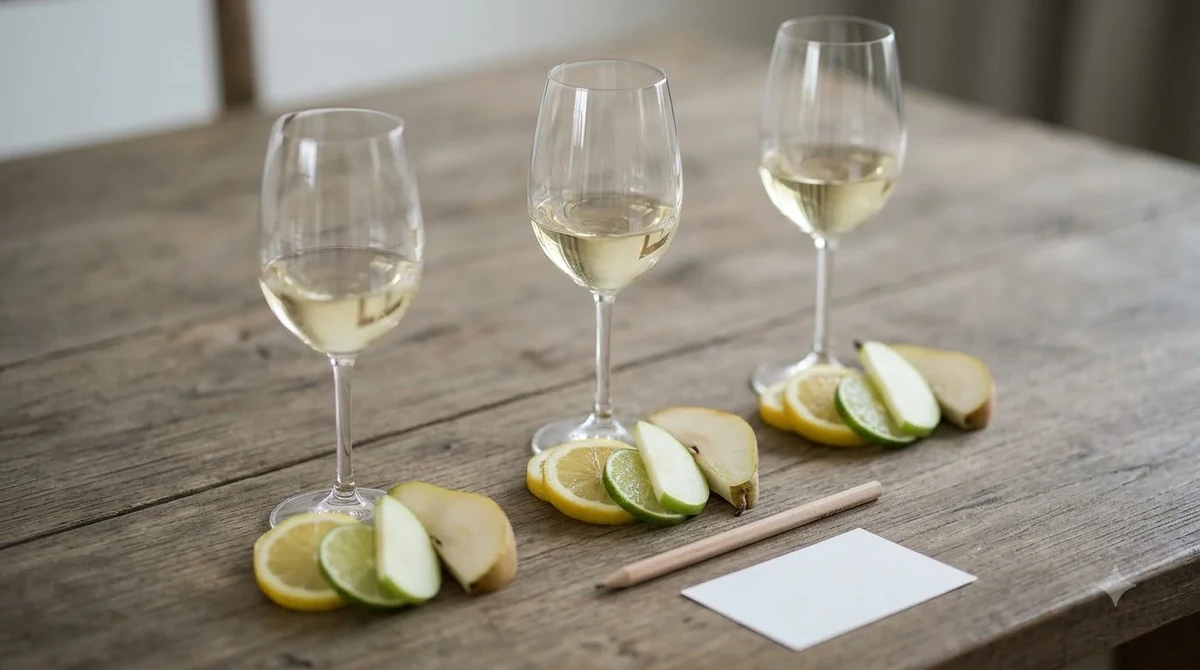
Grenache Blanc offers a different experience. White wines made from this variety can show citrus, orchard fruit, and floral characteristics, with texture influenced by fermentation and aging decisions. A tasting comparison between Grenache Blanc and Grenache Noir helps visitors understand how grape variety and skin color relate to wine production.
Rosé provides another expression worth exploring. These wines generally receive limited skin contact, producing their characteristic color while retaining some of the fruit character associated with red grapes. Grenache-based rosé can work particularly well with warm-weather meals, grilled vegetables, seafood, and lightly seasoned poultry.
Other important Paarl grapes
Outside Grenache, several varieties deserve attention during a wider Paarl visit. Cabernet Sauvignon typically produces structured reds with high tannin. Shiraz, also known as Syrah, can offer dark fruit and peppery characteristics with medium-plus to high tannin. Pinotage, a South African crossing of Pinot Noir and Cinsaut, is another important local variety.
For white wines, Chenin Blanc deserves special attention. It can range from fresh and crisp to textured and rich, depending on ripeness, fermentation, and maturation. Chardonnay provides another point of comparison, while the district’s broader grape selection demonstrates why Paarl is a diverse wine destination.
| Grape or style | Typical characteristics | What to look for |
|---|---|---|
| Grenache Noir | Red fruit and moderate structure | Strawberry, raspberry, spice |
| Grenache Blanc | Fresh fruit and varied texture | Citrus, orchard fruit, floral notes |
| Grenache rosé | Light to medium-bodied | Red berries and refreshing acidity |
| Cabernet Sauvignon | High tannin and firm structure | Blackcurrant, cedar, dark fruit |
| Shiraz | Medium-plus to high tannin | Dark berries, pepper, spice |
| Pinotage | Medium to full-bodied styles | Dark fruit and distinctive savory notes |
| Chenin Blanc | Fresh to richly textured | Apple, citrus, stone fruit |
| Chardonnay | Medium acidity and varied body | Apple, citrus, oak or creamy textures |
These descriptions are general tasting guides rather than fixed rules. The same grape can produce different results depending on vineyard conditions, harvest timing, fermentation, and aging. During a festival tasting, comparing two wines made from the same variety is often more informative than sampling several unrelated styles without a point of comparison.
Participating Wineries and the Wider Paarl Wine Route
The Paarl Wine Route provides access to a substantial collection of wineries, each offering a different way to experience the region. Visitors can combine a festival visit with cellar tastings, restaurant meals, vineyard walks, and conversations with local producers.
The official route directory includes established names such as Nederburg, KWV, Fairview, and Babylonstoren. Other listed members include Avondale, Brookdale, Perdeberg, Rhebokskloof, Spice Route, and Windmeul. This range gives visitors opportunities to compare large and smaller producers, different vineyard settings, and distinct approaches to hospitality.
Historic and established winery experiences
Nederburg is a natural point of interest for visitors attending The Grenache Collective because it is the festival venue. Its inclusion in the Paarl Wine Route directory also makes it a relevant stop for people exploring the district outside the event.
KWV is another recognizable name in the region. Fairview provides a different visitor experience, with its winery and food-related offerings appearing in the route’s directory. These destinations illustrate the range of activities available beyond conventional tasting-room visits.
Smaller estates and contemporary experiences
Avondale, Brookdale, Perdeberg, and Rhebokskloof are among the other wineries listed by the route. Each can be considered when planning a visit based on personal interests, availability, and preferred tasting experiences.
Spice Route is another listed destination, while Babylonstoren adds to the range of estate experiences available in Paarl. The official route directory also includes Landskroon and Survivor, Niel Joubert, Painted Wolf Wines, Ridgeback, and Vrede en Lust.
It is useful to distinguish between a festival’s confirmed participants and the wider membership of a wine route. A winery appearing in the Paarl Wine Route directory does not automatically mean it will pour at The Grenache Collective. Visitors should use the event’s participant information for festival-specific planning and the route directory for additional estate visits.
For a longer stay, the route’s official winery information is particularly useful because it identifies different visitor experiences rather than presenting wineries as interchangeable stops.
Food, Wine Pairings, and Festival Activities
Food is an important part of a successful wine festival visit because the right dishes can make different wine characteristics easier to appreciate. At The Grenache Collective, food trucks and picnics are part of the advertised experience, making food pairing a practical consideration throughout the afternoon.
Grenache-based reds are versatile with grilled meats, roasted vegetables, herb-seasoned dishes, and moderately spiced foods. Their fruit character can complement savory flavors without necessarily requiring the heavy tannin structure associated with some Cabernet Sauvignon wines.
Grenache rosé is particularly useful with lighter picnic dishes. Consider grilled chicken, tomato salads, vegetable skewers, and soft cheeses. The wine’s acidity and fruit character can refresh the palate between bites, especially when the food includes olive oil or fresh herbs.
Matching other Paarl wines with food
Cabernet Sauvignon works well with foods that can accommodate its higher tannin. Grilled beef, lamb, and aged hard cheeses are useful choices because protein and fat soften the perception of tannin. Shiraz can also complement grilled red meat, barbecue, and dishes featuring black pepper or savory herbs.
Chenin Blanc is flexible with food, particularly when served in a fresh, dry style. Try it with roast chicken, salads, grilled seafood, or mildly seasoned vegetables. Chardonnay can accompany roast poultry, creamy vegetable dishes, and richer seafood preparations.
For spicy food, consider alcohol level and tannin carefully. High alcohol and substantial tannin can intensify the sensation of chili heat. A fruit-forward, lower-tannin red or refreshing white can be a more comfortable match for spicy dishes.
Making the most of festival workshops
The advertised Grenache masterclasses provide an educational alternative to walk-around tasting. A guided session can explain differences in fruit expression, acidity, tannin, and winemaking decisions. Visitors who are new to Grenache may find this format particularly helpful because it provides a framework for comparing wines.
Wine-blending workshops offer a practical introduction to the way winemakers build a finished blend. Participants can explore how different components contribute fruit, acidity, structure, and overall balance. Art workshops add a non-wine activity to the schedule, making the festival appealing to visitors with different interests.
Tip: Taste the wines before eating strongly flavored dishes, drink water between samples, and make brief notes about your favorite producers. If you attend a masterclass, allow enough time for it rather than scheduling every activity back-to-back.
Planning Your Paarl Wine Festival Visit
Good planning makes it easier to enjoy both the festival and the surrounding wine region. The Grenache Collective is scheduled for a seven-hour period on November 28, 2026, so visitors should consider transportation, timing, food, and any additional activities before arriving.
Start by confirming the event’s latest details and ticket arrangements. The listed venue is Nederburg Wine Estate on Sonstraal Road in Suider Paarl. Confirm the entrance and arrival instructions with the organizer, particularly if traveling from outside Paarl.
Transportation deserves particular attention. Wine tasting and driving are not a suitable combination, so arrange a designated driver, private transfer, taxi, or other safe transportation before the event. Visitors traveling from Cape Town may find it more practical to stay overnight in the Winelands rather than rush back after an afternoon of tastings.
Because the festival takes place in late November, visitors should prepare for potentially warm weather. Comfortable shoes are useful for moving around outdoor tasting areas, while sun protection, a hat, and drinking water can make a long afternoon more comfortable. A light layer is also useful if the weather changes later in the day.
Suggested festival-day schedule
A flexible itinerary helps visitors make use of the available time without turning the event into a race between tasting stations. The following schedule is a planning suggestion rather than an official festival timetable.
| Suggested time | Activity | Purpose |
|---|---|---|
| 12:00 p.m. | Arrive and register | Get familiar with the venue |
| 12:30 p.m. | First walk-around tasting | Compare introductory Grenache styles |
| 1:30 p.m. | Food and picnic break | Enjoy food and refresh the palate |
| 2:30 p.m. | Further producer tastings | Compare different regional expressions |
| 3:30 p.m. | Masterclass or workshop | Explore Grenache in greater detail |
| 5:00 p.m. | Final tastings and food | Revisit favorite styles |
| 7:00 p.m. | Scheduled event finish | Depart using prearranged transport |
Visitors who want a longer wine-country experience can extend their trip with another day exploring the Paarl Wine Route. The route’s wineries offer different formats, including garden walks, private cellar tastings, blending workshops, farm visits, and chocolate pairings. These activities may require advance reservations, so contacting individual estates before arrival is sensible.
How to organize a longer wine-country visit
Rather than trying to visit every winery in one day, select two or three destinations that offer different experiences. For example, a visitor might choose a technical tasting at one estate, a relaxed lunch at another, and a final cellar visit focused on a particular grape variety.
For broader regional exploration, the Wine Regions resource provides a useful starting point for comparing South African wine districts with other international wine destinations.
Travelers interested in wine celebrations elsewhere in the United States can also explore the Indiana wine festival and the Livermore wine festival. These provide useful comparisons for readers interested in how wine festivals differ in regional focus, producer participation, and visitor experiences.
Understanding Paarl Wine Culture Beyond the Festival
A festival is a convenient introduction to a wine region, but Paarl offers reasons to return throughout the year. Its wine culture reflects a combination of established estates, independent producers, agricultural traditions, and a growing variety of food and visitor experiences.
The Paarl Wine Route describes itself as a network of wineries connected by a shared regional identity. Its membership includes wineries with different approaches to hospitality, from technical tastings with winemakers to relaxed visits beneath historic oak trees. This variety is an important part of the area’s appeal.
One interesting aspect of Paarl is the relationship between its geographical conditions and vineyard management. Wines of South Africa explains that the valley floor may need supplementary irrigation during the hot growing season before harvest. Eastern slopes often retain water more effectively, meaning vineyards in those locations may not require the same additional irrigation.
These conditions help explain the range of wines produced in the district. Cabernet Sauvignon and Shiraz offer opportunities to explore structured reds, while Chenin Blanc and Chardonnay demonstrate the region’s white-wine capabilities. Pinotage adds a distinctly South African dimension to the selection.
Grenache also fits into this broader story because it gives producers another variety with which to express different vineyard conditions and winemaking approaches. Its use in red wines, white wines, rosé, and blends demonstrates the diversity that can exist within one grape family.
Visitors interested in the regional culture should also consider the food experiences available at local estates. The Paarl Wine Route directory identifies restaurant and hospitality options associated with several member wineries. These experiences allow visitors to connect wine with local ingredients and the agricultural landscape rather than treating tasting as an isolated activity.
The district is also conveniently positioned for visitors exploring the wider Cape Winelands. Its proximity to Stellenbosch, Wellington, and Franschhoek makes it possible to build a multi-day itinerary that includes several wine-producing areas. Each district has its own landscape and wine identity, giving travelers an opportunity to compare styles and production traditions.
For American visitors, the most useful approach is to treat Paarl as a destination for both a specific festival and a broader wine-country experience. A dedicated Grenache event offers a focused introduction, while additional winery visits reveal the depth of the region’s wine production.
Frequently Asked Questions
Is Paarl part of South Africa’s Wine of Origin system?
Yes. Paarl is a recognized wine district within South Africa’s Wine of Origin framework. The system uses geographical designations to communicate where grapes originate, and the broader structure includes regions, districts, and wards. A wine labeled with a Paarl origin designation therefore identifies a specific geographical source rather than simply a general South African style.
What does the name Paarl mean?
Paarl means pearl in Afrikaans. The town’s name is associated with the area’s distinctive granite formation, Paarl Rock, which can appear to glisten after rainfall. The rock is an important local landmark and helps explain the connection between the town’s identity and its surrounding landscape.
Is Grenache the same grape as Garnacha?
Yes. Grenache is the French name commonly used for the grape known as Garnacha in Spain. The variety has a long history in both countries and is also grown in other wine-producing regions. Differences in climate, vineyard location, and winemaking can produce noticeably different expressions of the same grape.
What is the best way to store wine purchased during a Paarl visit?
For longer storage, keep bottles away from direct sunlight, strong temperature fluctuations, and heat sources. A stable environment close to 55 degrees Fahrenheit is a useful target. Cork-finished bottles are generally stored on their sides to keep the cork in contact with the wine.
Can visitors learn about South African wine classification in Paarl?
Yes. Visitors can ask producers about the Wine of Origin designation, grape varieties, vineyard location, and vintage information during winery tastings. The distinction between a geographical designation and a grape variety is particularly useful: Paarl identifies origin, while names such as Chenin Blanc and Cabernet Sauvignon identify grape varieties. Asking producers how those elements influence a particular bottle can make a tasting considerably more informative.
The Paarl wine festival experience offers a rewarding introduction to one of South Africa’s established wine districts, particularly through The Grenache Collective at Nederburg on November 28, 2026. With more than 10 expected producers, several Grenache styles, food experiences, and educational activities, the event provides plenty of reasons to explore the region. Extend the visit with additional Paarl Wine Route wineries to discover the area’s broader selection of South African wines and hospitality.
More in Wine Regions
 Willcox Wine Trail: Discover Arizona’s High-Elevation Wine CountryUpdated Nov 20, 2026
 Yakima Valley Wine Region: Find the Best Styles to TryUpdated Nov 20, 2026
 Vosne Romanee Wine Tasting: Identify Aromas and Choose Better PairingsUpdated Nov 20, 2026
 Yakima Valley Wine Festival: Find the Best Seasonal Wine EventsUpdated Nov 20, 2026
 Wales Vineyards: Discover Cool-Climate Wines and Where to VisitUpdated Nov 20, 2026
 Yountville Wine Festival: Discover Napa Wines and Local FoodUpdated Nov 20, 2026