

We may earn a commission when you buy through links on this page, at no extra cost to you. Learn more.
Overture wine is the second wine of Opus One, the Napa Valley estate, and it has been made since 1993 as a vintage-dated red blend. Opus One created Overture so that each year’s growing season would show through in the bottle, and the producer describes it as another expression of the estate. Most vintages are built mainly on Cabernet Sauvignon, with small amounts of Merlot, Petit Verdot, Cabernet Franc, and Malbec. Below is what the wine is, how it is made, and how to serve and pair it.
Overture sits in a useful spot for wine shoppers. It is closely connected to one of Napa Valley’s best-known estates, yet it is positioned as a more approachable wine with its own personality. Knowing how it differs from the flagship helps you decide whether it fits a dinner, a gift, or a cellar plan.
What Overture Is and Why Opus One Made It
Overture is the second wine of Opus One Winery, which is known for its flagship red blend made from the estate’s own vineyards. The producer describes Overture as “another expression of the estate,” meaning it uses fruit from the same property but shows a different side of it. That framing is important: Overture is not a lesser bottle that gets leftover fruit, but a deliberately separate wine with its own style.
The wine has been produced since 1993. Opus One made it vintage-dated so that the character of each growing season would be visible in the bottle. Some years show more ripe fruit, and others show more herbal or fresh character, and the label year tells you which season you are drinking. For many buyers, that year-to-year variation is part of the appeal.
How Overture Is Made
The fruit for Overture is harvested and fermented with the same care that the producer gives its flagship wine. Winemaking details for the 2023 vintage show a long period of skin contact during fermentation, 22 days, followed by 19 months of aging in new French oak. Those choices build structure and give the wine its fine tannin and integrated oak character.
The producer’s approach is to give the second wine the same attention to vineyard detail and fermentation control it gives the flagship, then let the wine find its own balance in the barrel. The result is a red that feels polished and structured without being heavy, which suits both celebrations and ordinary dinners where a serious bottle is welcome.
The Blend and How It Changes by Vintage
Overture is a blend, and the mix changes from year to year. In the 2023 vintage, the blend is about 91 percent Cabernet Sauvignon, with Merlot, Petit Verdot, Cabernet Franc, and a small amount of Malbec. The 2022 vintage leans even more heavily on Cabernet Sauvignon, while the 2021 blend includes more Cabernet Franc and Petit Verdot. Because the percentages shift each year, the vintage on the label is more useful than the grape list when you are comparing bottles.
Cabernet Sauvignon is the backbone of the wine in most years. According to Wine Folly’s grape guide, the variety is typically dry and full-bodied, with medium-high tannins and dark fruit flavors such as black cherry, black currant, and cedar. Merlot adds softness and plum, Cabernet Franc adds lift and herbal edges, and Petit Verdot brings deep color and spice. The small amounts of Malbec add a bit of dark fruit and texture.
| Component | Typical role in Overture |
|---|---|
| Cabernet Sauvignon | Main structure, dark fruit, firm tannin |
| Merlot | Softness, plum and red fruit |
| Cabernet Franc | Lift, herbal notes, aromatic detail |
| Petit Verdot | Color depth, spice, backbone |
| Malbec | Dark fruit and texture in small amounts |
What Overture Tastes Like
The producer describes Overture as offering more red fruit, herbal characteristics, soft tannins, and a creamy texture. The 2023 vintage is described as silky and approachable, medium-bodied, with fresh acidity and a long finish. That profile places it between a rich, dense Napa Cabernet and a lighter, more food-friendly red.
In the glass, expect red cherry and plum up front, then a layer of cedar, dried herbs, and oak spice. The tannins should feel smooth rather than gripping, and the finish should linger with fruit and a subtle savory note. Because the wine is meant to be enjoyable earlier than many Napa reds, it can be opened sooner than a more austere bottle, though a short decant will still help it open up.
How to Serve Overture
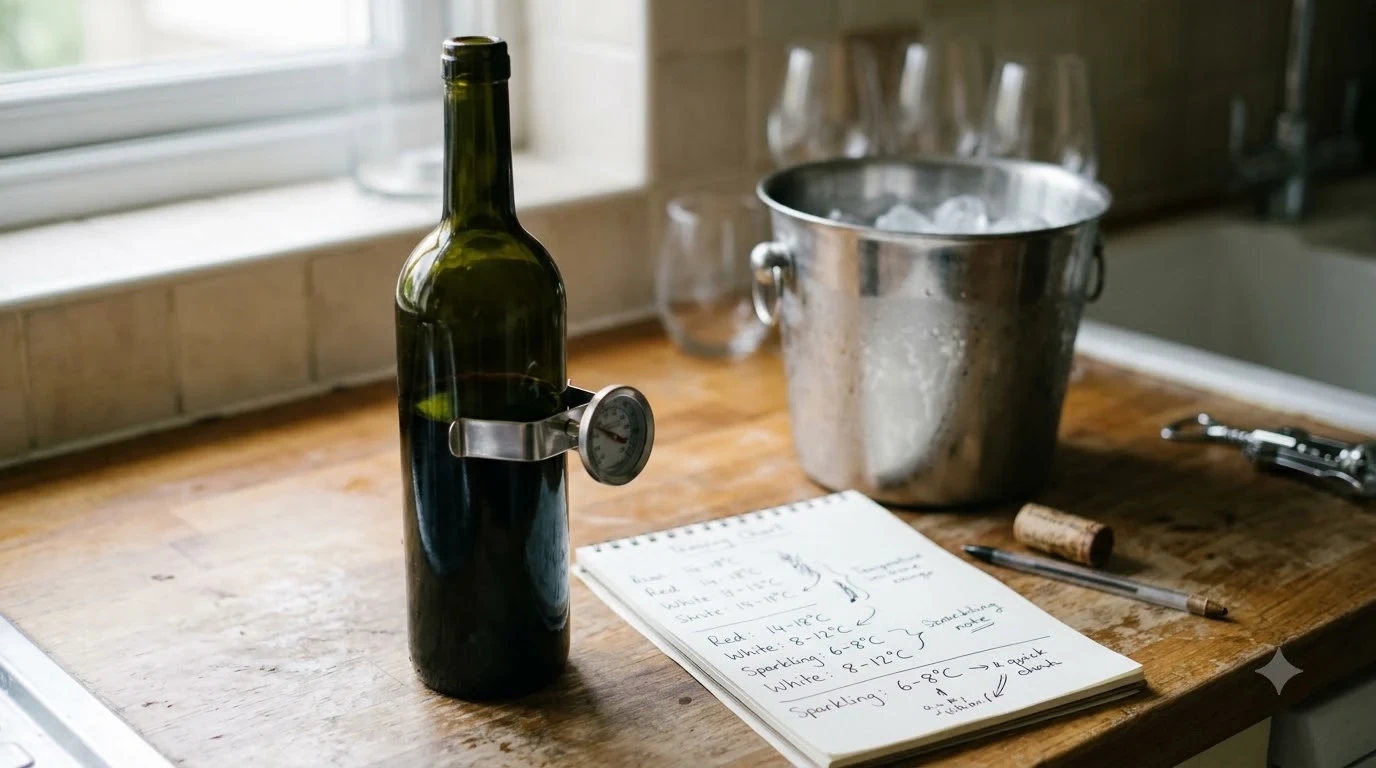
Serve Overture slightly below room temperature, which keeps the fruit lively and stops the alcohol from feeling hot. Give it a short time in the glass before the first pour, or decant it if the bottle is a more recent vintage that feels tight. A large red wine glass lets the aromas open and gives the wine room to show its structure.
Store the bottle on its side if it has a cork, and keep it in a cool, dark place away from heat and sunlight. A wine with this level of oak and tannin benefits from some time in the bottle, but there is no need to wait for decades. Drink the current vintage while it shows its fruit, and keep an eye on older bottles to make sure they still taste fresh.
Tip: If you are opening Overture for a dinner party, serve it with the main course rather than as an aperitif. Its structure and oak character work best when there is food on the table.
Food Pairings That Suit Overture
The soft tannins and fresh acidity make Overture a flexible partner for roasted meats. Roast lamb with rosemary, grilled ribeye, and roast duck all match its fruit and structure well. Mushroom dishes, such as a risotto or a mushroom tart, bring out the savory notes in the wine and echo the herbal character of Cabernet Franc.
For a vegetarian menu, pair Overture with grilled portobello, lentils with herbs, or a hearty vegetable stew. Avoid very spicy dishes, because the oak and tannin can feel harsh when paired with strong heat. Hard cheeses such as aged cheddar or Parmigiano-Reggiano make a classic finish, since their salt and fat soften the tannins.
Who Overture Suits and How to Choose
Overture is a good choice for guests who enjoy Napa Cabernet but want something a little softer and more approachable than the flagship. It also works well for a special dinner where you want a serious red without the weight of a big estate wine. If your guests prefer lighter reds, Overture may still feel full, so consider serving it with food to balance the richness.
When buying, check the vintage on the label first, since it determines the blend and the style. Compare two vintages side by side if you have the chance, because the difference between a fruit-forward year and a more herbal year is easy to taste. Buy from a retailer with careful storage, and avoid bottles that have been exposed to heat.
Frequently Asked Questions
Is Overture wine the same as Opus One?
No. Overture is the second wine of Opus One and uses fruit from the same estate, but it is a separate label with its own blend and style.
What grapes are in Overture wine?
Cabernet Sauvignon is the main component in most vintages. The rest of the blend usually includes Merlot, Petit Verdot, Cabernet Franc, and a small amount of Malbec, with the exact mix changing by year.
Does Overture need aging before drinking?
It is designed to be approachable on release, but a well-stored bottle can continue to develop. Drink the vintage you buy while it still shows fresh fruit.
Should I decant Overture?
A short decant can help a younger bottle open up. For an older bottle, pour gently and taste first, since sediment and softer aromas may need less air.
Overture wine is a practical way to enjoy the character of a famous Napa estate in a more approachable style. Check the vintage, serve it at a slightly cool room temperature, and pair it with roasted meat or hearty vegetables. For more on how Napa brands present their second wines, see the Opus One Overture guide on this site, and compare the style with Pedernales or Spottswoode when you want to explore other red blends. The producer’s own description is on the Opus One Overture page, and the grape background is in Wine Folly’s Cabernet Sauvignon guide.
More in Wine Brands
 Underwood Wine Price: Compare Bottles, Cans, and Pack SizesUpdated Nov 21, 2026
 Zenato Wine Price: Compare Styles and Choose the Right BottleUpdated Nov 21, 2026
 Zuccardi Wine Price: Compare Bottles and Find the Right RangeUpdated Nov 21, 2026
 Yellow Tail Moscato Review: Taste, Sweetness and Serving TipsUpdated Nov 21, 2026
 Wolf Blass Yellow Label Review: Choose Your Best StyleUpdated Nov 21, 2026
 Wolffer Estate Rose Review: Choose the Right Bottle for Your TableUpdated Nov 21, 2026