

We may earn a commission when you buy through links on this page, at no extra cost to you. Learn more.
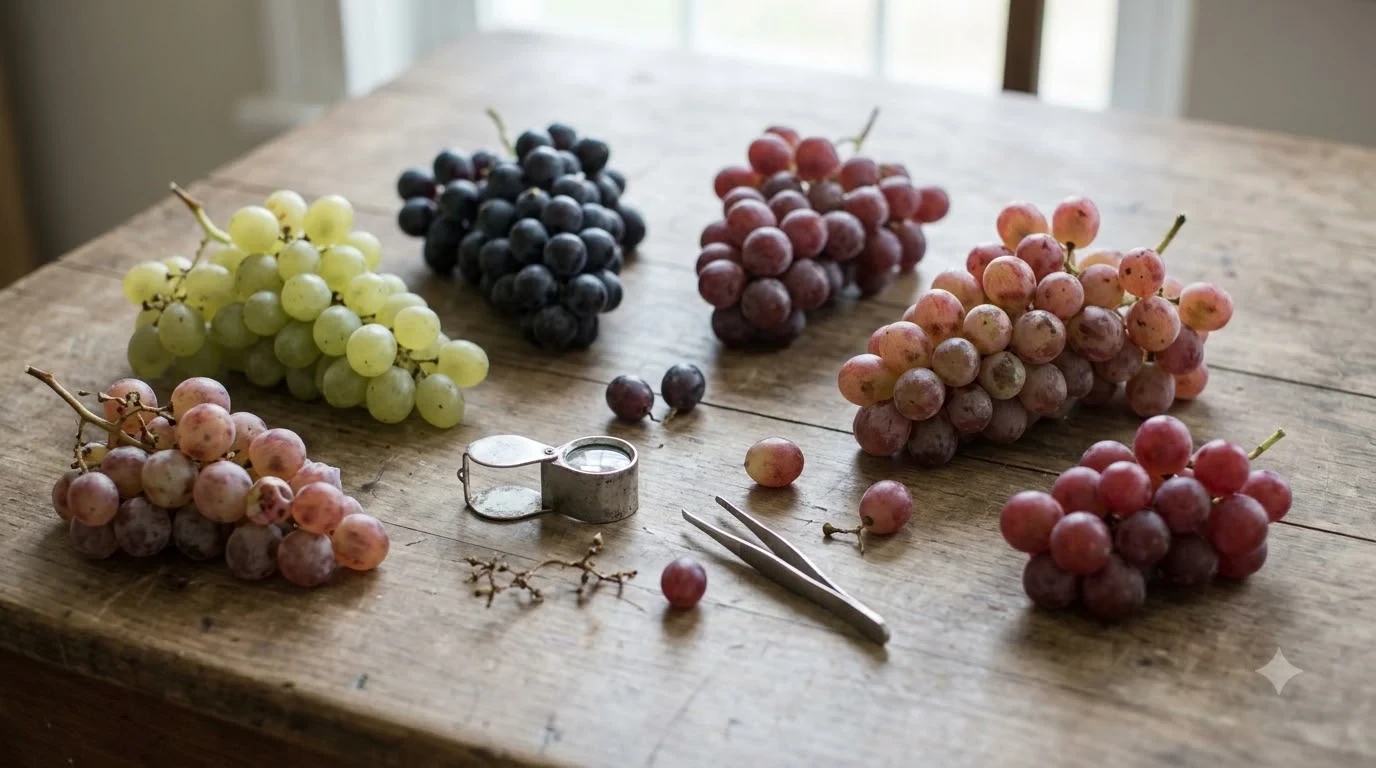
The orange muscat grape is an aromatic white wine variety known officially in France as Muscat Fleur d’Oranger and celebrated for its vivid scents of orange blossom, tangerine peel, and ripe stone fruit. Genetic research has confirmed that it is a natural crossing of Muscat Blanc à Petits Grains and Chasselas, rather than a simple color mutation of standard Muscat. Today, it is most widely planted in California, the Pacific Northwest, Italy’s Veneto region, and parts of Victoria, Australia, where winemakers craft it into everything from crisp dry whites to lightly fortified dessert wines.
Despite the name, wines made from this grape are not necessarily amber-hued skin-contact wines, nor are they flavored with actual citrus. Instead, the moniker comes directly from the unmistakable floral and citrus perfume locked inside the grape skins, making it one of the most expressive members of the broader Muscat family across all Wine by Type categories.
What Is the Orange Muscat Grape?
Orange Muscat (Vitis vinifera) is a distinct white grape cultivar within the sprawling Muscat family, prized for high concentrations of aromatic compounds called monoterpenes that smell like fresh citrus blossoms. While ampelographers long debated its exact lineage, DNA profiling established that it originated as a crossing between Muscat Blanc à Petits Grains and the Swiss table-and-wine grape Chasselas.
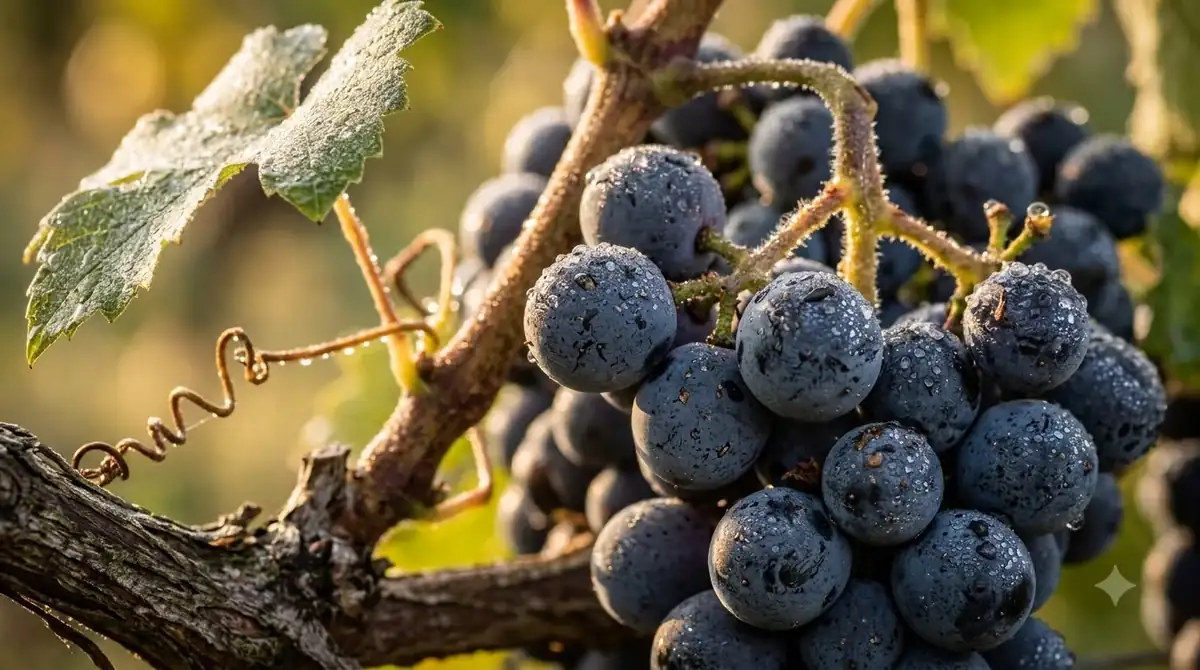
According to Wine-Searcher’s varietal database, the grape’s formal French name is Muscat Fleur d’Oranger—literally “orange blossom Muscat”—while Italian growers in the Veneto refer to it as Moscato Fior d’Arancio. Although it once held modest acreage in southern France, plantings there have shrunk dramatically over the past century, leaving New World producers and a dedicated pocket of northern Italian growers to carry the variety forward.
It helps to separate Orange Muscat from two common points of confusion in the wine aisle. First, it is genetically distinct from Muscat of Alexandria and standard Moscato d’Asti grapes, carrying a sharper, distinctly zesty citrus-blossom signature rather than pure sweet table-grape aromatics. Second, “orange muscat” refers to the grape variety itself, whereas “orange wine” describes a winemaking method in which white grapes ferment on their skins. A winemaker could certainly make a skin-fermented orange wine from Orange Muscat, though most bottlings are pressed off their skins quickly to preserve bright floral aromatics.
Flavor Profile and Winemaking Styles
In the glass, Orange Muscat delivers an immediate, heady perfume of neroli, orange zest, white peach, apricot, and wildflower honey, backed by moderate acidity that keeps sweet styles from feeling heavy. Because the grape accumulates sugar readily while retaining floral oils in its skins, vintners can steer it toward dry table wines, fizzy low-alcohol sparklers, late-harvest bottles, or fortified dessert wines.
Dry expressions—often labeled Secco in Italy or fermented completely dry in California and Washington—show a fascinating sensory contrast. Your nose registers sweet tangerine marmalade and honeysuckle, yet the palate finishes crisp, clean, and savory with a pithy citrus bitterness that cleanses the mouth. These dry versions typically sit around 11.5 percent to 13 percent ABV and showcase the grape’s structural balance without residual sugar.
Sweet and fortified styles remain the grape’s historical calling card. In California’s San Joaquin Valley, Quady Winery famously revived interest in the variety in 1980 with Essensia, arresting a brief fermentation with grape spirits to yield a lightly fortified wine around 15 percent ABV aged briefly in French oak. Meanwhile, late-harvest versions from California, Washington, and Australia halt fermentation naturally via cold temperatures, leaving lush residual sugar balanced by zesty citrus tang at alcohol levels often under 10 percent ABV.
| Style | Sweetness Level | Typical ABV | Key Tasting Notes |
|---|---|---|---|
| Dry Still (Secco) | Dry | 11.5% – 13% | Orange blossom, white peach, grapefruit pith, clean mineral finish |
| Sparkling (Spumante) | Off-dry to Sweet | 6% – 7.5% | Fresh mandarin, jasmine, crisp pear, lively frothy bubbles |
| Late Harvest | Sweet | 8% – 10.5% | Ripe apricot, tangelo, honeycomb, bright tangy acidity |
| Lightly Fortified | Very Sweet | 15% | Candied orange peel, wild honey, vanilla bean, warm spice |
Where the Orange Muscat Grape Grows
California, the Pacific Northwest, northern Italy, and Victoria in southeastern Australia account for nearly all commercial plantings of Orange Muscat today. The vine thrives in regions with warm, sunny afternoons to build ripe citrus sugars paired with cool nights that lock in delicate floral aromatics and natural acidity.
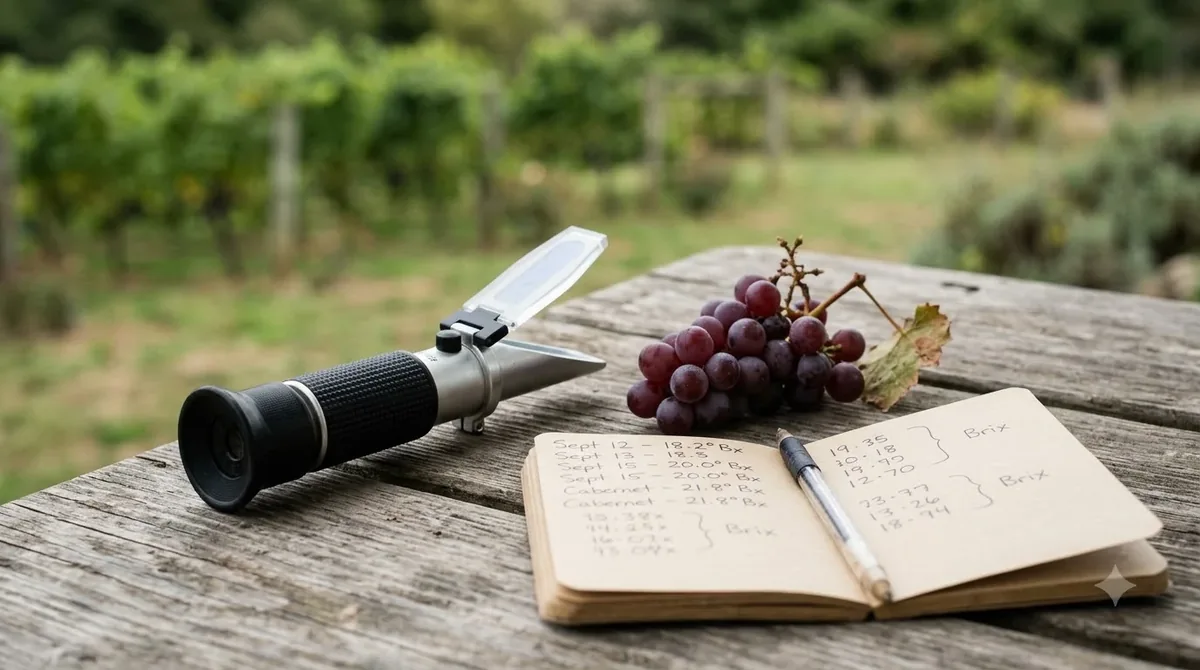
In the United States, California leads production across diverse microclimates, including Madera County in the Central Valley, Amador County in the Sierra Foothills, Mendocino County, Lake County, and Paso Robles. Further north, Washington’s Columbia Valley, Yakima Valley, and Rattlesnake Hills have earned strong critical praise for crisp, aromatic single-varietal bottlings that benefit from long northern summer daylight and chilly desert evenings. Unlike high-acid coastal European varieties such as the carricante grape grown on Sicily’s Mount Etna, Orange Muscat relies on diurnal temperature swings rather than high elevation alone to keep its perfumed fruit lively.
In Italy, the grape’s spiritual home is the Colli Euganei DOCG zone in the Euganean Hills of Veneto, southwest of Padua. Here, producers craft Moscato Fior d’Arancio in three distinct styles: still dry (Secco), lightly sparkling sweet (Spumante), and air-dried dessert wine (Passito). Across the globe in Victoria, Australia, pioneering estates like Brown Brothers cultivate Orange Muscat at vineyards such as Mystic Park, frequently blending it with Flora—a Semillon-Gewürztraminer crossing—to create vibrant, lower-alcohol late-harvest wines.
How to Serve Orange Muscat
Proper chilling is essential for Orange Muscat because warm temperatures dull its citrus acidity and make sweet versions taste syrupy. Serving temperature varies slightly depending on whether your bottle is sparkling, dry, or fortified.
For sparkling Spumante and sweet late-harvest bottles, chill the wine thoroughly in the refrigerator for at least three hours to reach 43°F to 47°F (6°C to 8°C). Dry still versions show their layered white-flower and stone-fruit aromatics best when served slightly warmer, around 46°F to 50°F (8°C to 10°C), allowing the bouquet to open up without losing refreshment. Lightly fortified bottlings, such as California styles aged briefly in oak, shine around 50°F to 55°F (10°C to 13°C), where cellar coolness keeps the alcohol integrated while letting honeyed spice notes emerge.
Glassware also shapes the experience. Pour dry and sparkling styles into a standard tulip-shaped white wine glass with a tapered rim to funnel those volatile orange-blossom terpenes straight to your nose. For sweeter late-harvest or fortified expressions, use a smaller dessert wine glass and pour modest two- to three-ounce servings so the wine stays cold in the glass from the first sip to the last.
Tip: Opened bottles of fortified Orange Muscat stay fresh in the refrigerator for two to three weeks thanks to their higher alcohol and sugar content, whereas dry or sparkling bottles should be finished within two to three days using an airtight stopper.
Food Pairing Ideas
Orange Muscat’s natural affinity for citrus, spice, and dairy makes it remarkably versatile at the dinner table, bridging savory and sweet courses with ease. Matching the sweetness level of the wine to the dish is the single most important rule for a successful pairing.
Dry Orange Muscat works wonderfully alongside aromatic, herb-driven dishes and delicate seafood. Try a dry Colli Euganei Fior d’Arancio or Washington State bottling with seared scallops finished with lemon butter, Vietnamese spring rolls with fresh mint, or grilled shrimp skewers. Reviewers at Wine Enthusiast also highlight Salad Lyonnaise—frisée greens tossed with warm bacon lardons and a poached egg—as a standout savory match, since the wine’s floral lift cuts through rich yolk and smoky pork. If you normally reach for crisp Iberian whites like the godello grape for shellfish and poultry, dry Orange Muscat offers a more perfumed, floral alternative.
Off-dry and late-harvest bottles excel with spicy Asian cuisines and pungent cheeses. The residual sugar tames the capsaicin heat in Thai green curry, Sichuan mapo tofu, or Korean fried chicken while amplifying ginger, lemongrass, and scallion flavors. On a cheese board, pair sweet Orange Muscat with salty blue cheeses like Gorgonzola Dolce or Stilton, or tangy fresh goat cheese, where salt and acidity create a classic sweet-savory contrast. For dessert, fortified and late-harvest styles pair effortlessly with almond biscotti, peach cobbler, apricot tarts, dark chocolate truffles, and citrus-zested cheesecake—just make sure the wine is slightly sweeter than the dessert itself.
How to Choose a Bottle of Orange Muscat
Shopping for Orange Muscat requires checking the label closely, because a single grape name covers bone-dry dinner wines, low-alcohol sparklers, and rich fortified dessert bottlings. Knowing three quick label cues will keep you from accidentally serving a sweet dessert wine alongside roast chicken.
First, inspect the alcohol by volume (ABV) printed on the front or back label. Bottles sitting between 6 percent and 9.5 percent ABV are almost always sweet, either lightly sparkling Italian styles or arrested-fermentation late-harvest wines. Bottles between 11.5 percent and 13.5 percent ABV are typically fermented dry or nearly dry, while anything around 15 percent ABV signals a fortified dessert style.
Second, look at bottle size and regional terminology. Sweet late-harvest and fortified Orange Muscats are frequently sold in slender 375-milliliter half-bottles, whereas dry table versions come in standard 750-milliliter bottles. On Italian labels, look for the words Secco (dry), Spumante (sparkling sweet), or Passito (rich raisined dessert wine) right under the Fior d’Arancio name. If you prefer structured, tannic red wines like the baga grape for hearty meats, keep a half-bottle of late-harvest Orange Muscat chilled in reserve as an effortless post-dinner palate cleanser.
Frequently Asked Questions
Does orange muscat wine actually contain oranges?
No, orange muscat wine is made 100 percent from grapes and contains no oranges, citrus juice, or artificial flavoring. The grape earns its name from natural aromatic compounds in its skins that closely mimic the scent of orange blossoms and fresh tangerine peel.
Is orange muscat the same thing as orange wine?
No, they refer to completely different things. Orange muscat is a specific white grape variety, whereas orange wine is a winemaking style where white grapes of any variety are fermented with their skins to create an amber color and tannic texture.
Is orange muscat always sweet?
While orange muscat is most famous for late-harvest and lightly fortified dessert wines, winemakers in Italy, California, and Washington also produce completely dry versions. Checking the ABV on the label helps you tell them apart, as dry bottles usually fall between 11.5 percent and 13 percent alcohol.
How does orange muscat differ from regular Moscato?
Standard Italian Moscato d’Asti is made from Muscat Blanc à Petits Grains and tends to be lightly fizzy, low in alcohol, and focused on sweet white peach and table-grape notes. Orange muscat is a distinct genetic crossing of Muscat Blanc à Petits Grains and Chasselas that delivers a more pronounced orange-blossom and citrus-zest profile across both dry and sweet styles.
Whether poured bone-dry alongside spring seafood or chilled in a small glass next to salty blue cheese, the orange muscat grape rewards curious wine drinkers with unmistakable floral intensity. Once you know how to read the alcohol level and regional cues on the label, it is easy to pick the exact style that fits your table.
More in Wine Types & Grapes
 Zinfandel Sugar Content: Dry Red vs. White Zinfandel GramsUpdated Nov 21, 2026
 Best Zinfandel Substitute Options for Sipping and CookingUpdated Nov 21, 2026
 Zweigelt Food Pairing: Best Dishes, Cheeses, and Serving TipsUpdated Nov 21, 2026
 Zinfandel Tannins Explained: How Structure Shapes Every BottleUpdated Nov 21, 2026
 Zinfandel Sweetness Level: Dry Red vs. Sweet White Zin ExplainedUpdated Nov 21, 2026
 Xinomavro Food Pairing: Best Dishes, Styles, and Serving TipsUpdated Nov 21, 2026