

We may earn a commission when you buy through links on this page, at no extra cost to you. Learn more.
Opus One red wine is a Bordeaux-style blend from Oakville in Napa Valley, made mostly from Cabernet Sauvignon and created by Baron Philippe de Rothschild and Robert Mondavi. The winery focuses on one wine each year rather than a range of bottlings. It is widely treated as a benchmark for luxury Napa Cabernet, so its style and price are worth understanding before you buy.
This guide explains where Opus One comes from, how the wine is made, what its recent vintages taste like, and how to think about aging and buying. It also covers food pairing and how it compares with other Napa blends, so you can decide whether it fits your table and your budget.
What Is Opus One Red Wine?
Opus One is a single premium red wine produced at one estate in Napa Valley. The label is a Bordeaux-style blend, which means it combines several classic Bordeaux grape varieties rather than relying on one alone. Cabernet Sauvignon leads the blend in every recent vintage listed by the winery.
The main wine is not the only bottling under the Opus One name. Since 1993 the winery has also produced a second label called Overture. According to the Napa Wine Project, Overture is a Napa Valley red blend made from lots not selected for the flagship wine, and it generally sees less new French oak. Overture is not labeled with a vintage date, which sets it apart from the main wine.
History of Opus One and Its Founders
The wine began as a joint project between two winemakers from different worlds. Baron Philippe de Rothschild ran Château Mouton Rothschild in Bordeaux, and Robert Mondavi led Robert Mondavi Winery in Napa Valley. Their shared goal was to focus on one exceptional red rather than a broad portfolio.
According to the winery, the two men agreed on the plan in 1978, and the first vintage was made in 1979. The name comes from the music world, where an opus marks a composer’s first major work. Before 1991, the wine was made at Robert Mondavi Winery in Oakville. The Napa Wine Project’s Napa Wine Project profile of Opus One describes how the wine helped raise the profile of Napa Valley as a whole.
Ownership has changed over time. The Napa Wine Project reports that half of the business was sold in 2004 as part of the sale of Robert Mondavi Winery. As of Nov 2026, the same source describes the company as split between the public company Constellation Brands and the Rothschild family. If you enjoy learning how these producers developed, the Wine Brands section covers other producers with similar histories.
Grape Varieties and Winemaking Style
Opus One is built around Cabernet Sauvignon, with smaller shares of Merlot, Cabernet Franc, Petit Verdot and Malbec depending on the year. The exact mix changes from vintage to vintage, so the winery’s blend for each release is the best reference. The estate vineyards sit in the western part of the Oakville appellation.
According to the Napa Wine Project, the estate draws on four parcels, two inside the famous To Kalon Vineyard and two surrounding the winery, with roughly 170 planted acres across the sources it harvests. The same source says the vineyards are farmed organically. In the cellar, the winemakers have worked with native yeasts and sometimes ferment Cabernet Sauvignon with Petit Verdot together rather than separately.
- Grapes are sorted before fermentation, and the winery describes an optical sorter in its production process.
- The wine ages in new French oak barrels, with barrel time listed between 17 and 19.5 months in recent vintages.
- After barrel aging, the wine is bottled and held for additional time before its October 1 release.
The style rests on balance. The winery links its Oakville site and warm days with cool nights to bright acidity, which keeps the wine from feeling heavy even when it is young and concentrated.
Tasting Profile and Food Pairing
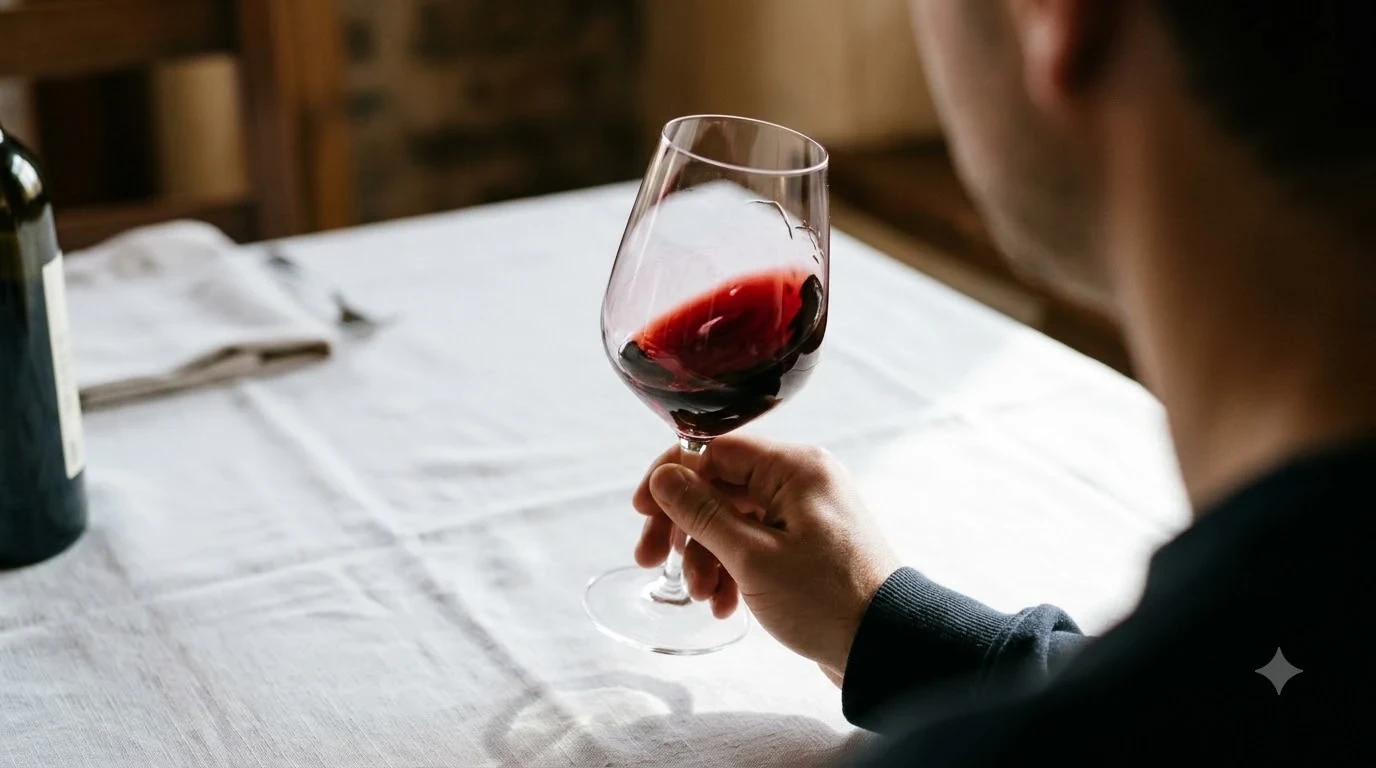
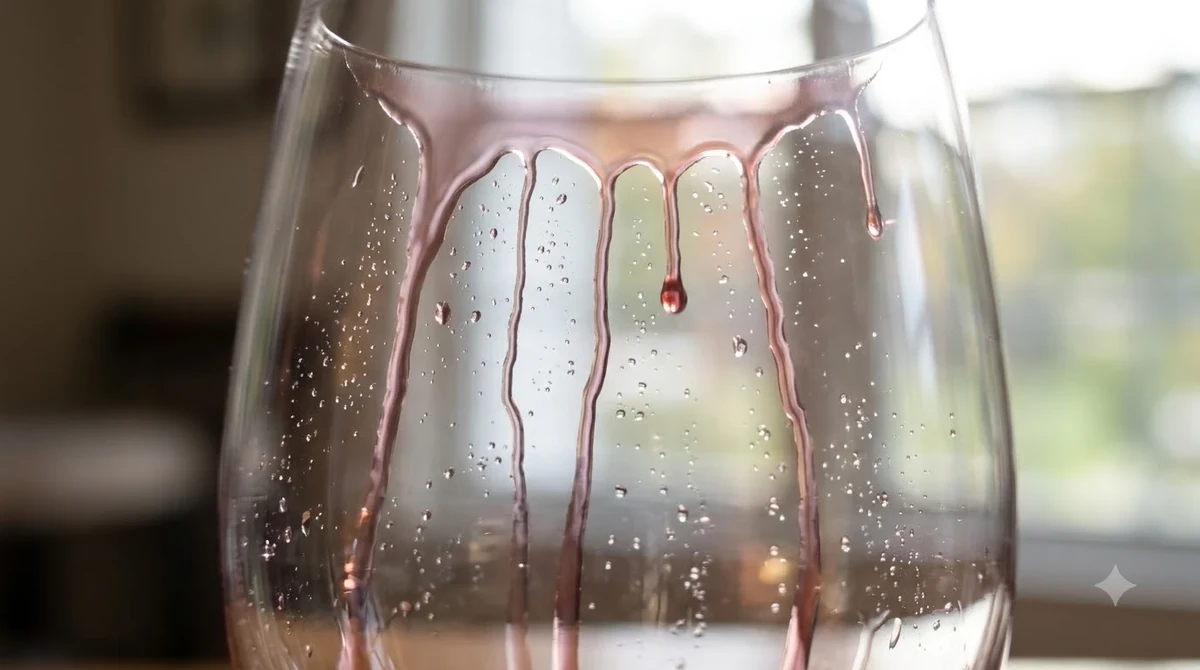
Opus One usually shows dark and red fruit, savory herbs, and a fine, structured texture. Cassis and black cherry are common themes, and many recent releases add cocoa, graphite, or tobacco notes. The wine tends to be firm and layered in its early years, then softer and more complex with age.
Vintages differ in emphasis. The winery’s 2023 notes describe red fruit, dried violet, and graphite, with elderberry and cassis on the palate and a finish of red plum and sweet oak. Its 2021 notes lean darker, with crushed cassis, blackberry, licorice and dark chocolate. Older releases such as 2016 are described with sage, rosemary and black olive, which shows how the herbal side can shift with the growing season.
For food, look for dishes with enough fat and savory depth to match the wine’s structure. Roasted red meats, lamb, and mushroom-based dishes are classic partners for Napa Cabernet. Aged hard cheeses also work well. Keep portions moderate and drink responsibly, since a wine this rich is easy to overpour.
Vintages, Aging Potential and Storage
Each vintage has its own Cabernet share and oak time, and those numbers help you compare releases. The table below uses figures from the winery’s vintage notes for several recent years. Check the winery page for the vintage you are considering, because availability and details change.
| Vintage | Cabernet Sauvignon share | Barrel aging in new French oak |
|---|---|---|
| 2023 | 81% | 19 months |
| 2022 | 80% | 18 months |
| 2021 | 93% | 19 1/2 months |
| 2019 | 78% | 19 months |
| 2018 | 84% | 17 months |
| 2017 | 80% | 17 months |
The winery’s Opus One vintage notes page says several recent releases are built to age well. Its 2021 notes suggest the wine will develop for decades with careful cellaring, though most bottles are enjoyed well before that point. Younger vintages tend to show brighter fruit, while older bottles reward patience with softer tannins.
For storage, keep bottles in a cool, dark place with steady temperatures and little vibration. Check the label for any storage guidance and avoid buying bottles that have been kept in hot conditions. If you plan to cellar, ask the seller how the bottles were stored before they reached you.
Tip: Before you buy an older vintage, confirm the release year on the label and ask about its storage history. Storage matters more than the year printed on the bottle.
Price Range, Where to Buy and Whether It Is Worth It
Opus One is a premium wine, and its cost depends on the vintage, the retailer, and the market at the time you buy. Prices change, so check current listings as of Nov 2026 rather than relying on older articles. Compare the total cost against how often you plan to open a bottle.
You can buy from licensed wine shops, reputable online retailers, and the winery itself. The winery’s vintage pages mark some past releases as not available for purchase, so confirm availability before you plan around a specific year. Be cautious with listings that seem far below market value for the same vintage.
Whether the wine is worth it depends on your goals. If you want a special-occasion bottle with a clear Napa and Bordeaux story, it can be a satisfying choice. If you mainly want an everyday red, a lighter Napa or Bordeaux-style wine may suit you better. For a different style to compare, see our ariel wine page.
Frequently Asked Questions
Is Opus One red wine mostly Cabernet Sauvignon?
Yes. Cabernet Sauvignon is the largest component in every recent vintage listed by the winery, usually well above three quarters of the blend. Merlot, Cabernet Franc, Petit Verdot and Malbec make up the rest, and their shares change from year to year.
When was Opus One first made?
The winery says the first vintage was made in 1979, after Baron Philippe de Rothschild and Robert Mondavi agreed on the project. The winery building opened in 1991, and earlier vintages were produced at Robert Mondavi Winery in Oakville.
Can Opus One be aged for a long time?
The winery describes its wines as built for aging, and some recent notes suggest years of cellaring potential. Store bottles in a cool, dark place with steady conditions. Not every bottle will improve indefinitely, so check the vintage notes and storage history.
Is Opus One worth buying?
It depends on your budget and purpose. The wine suits special occasions, collectors, and readers who want a benchmark Napa Cabernet blend. If you need an everyday bottle, a less expensive red may fit your needs better, and you should always drink in moderation.
Opus One red wine offers a clear story, a distinct Napa and Bordeaux style, and a long track record. Start by choosing a vintage that matches your occasion and budget, then check its storage history if you plan to cellar it. For a lighter white option to balance a red-heavy shelf, see our avaline white wine page.
More in Wine Brands
 Underwood Wine Price: Compare Bottles, Cans, and Pack SizesUpdated Nov 21, 2026
 Zenato Wine Price: Compare Styles and Choose the Right BottleUpdated Nov 21, 2026
 Zuccardi Wine Price: Compare Bottles and Find the Right RangeUpdated Nov 21, 2026
 Yellow Tail Moscato Review: Taste, Sweetness and Serving TipsUpdated Nov 21, 2026
 Wolf Blass Yellow Label Review: Choose Your Best StyleUpdated Nov 21, 2026
 Wolffer Estate Rose Review: Choose the Right Bottle for Your TableUpdated Nov 21, 2026