

We may earn a commission when you buy through links on this page, at no extra cost to you. Learn more.
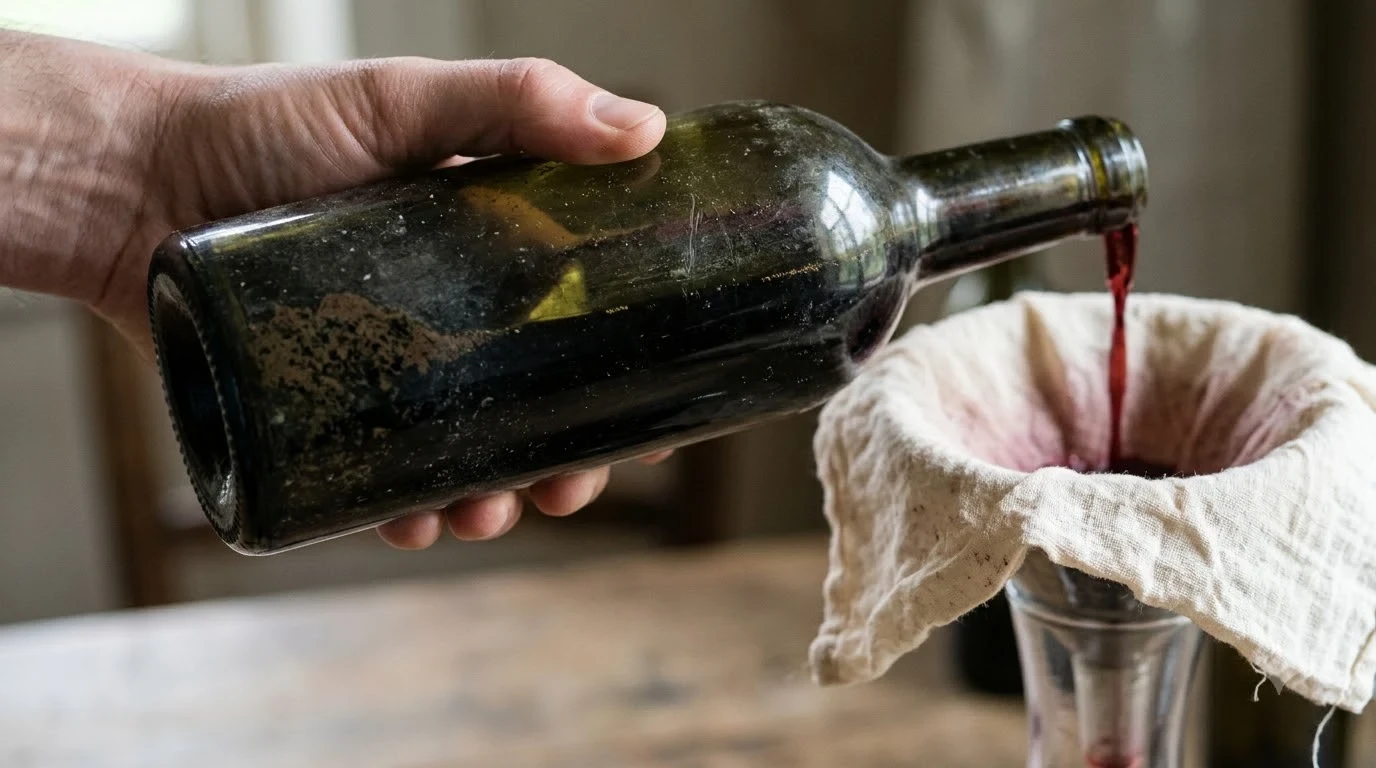
Old vine zin is a Zinfandel made from older vineyards, usually valued for concentrated blackberry and spice flavors. The term describes the vines rather than a single legal standard, and producers use it for wines from vines planted decades ago. Expect a dry, medium-full red with firm tannins, served slightly cooler than room temperature, and matched well with barbecue, burgers, and spiced dishes.
If you are curious about this style, this guide explains what the phrase means, where Zinfandel comes from, how the flavors develop, and how to serve and pair these wines at home. It also gives practical tips for choosing a bottle when the label mentions old vines.
What “old vine” means on a Zinfandel label
Old vine usually refers to vineyards planted many years ago, when the vines have had time to develop deeper roots and lower yields. The phrase is used by producers to signal a wine made from mature plantings, but there is no single legal age that every bottle must meet in the United States. That makes the producer’s reputation and the vineyard name on the label more useful than the words alone.
Older vines often produce fewer grape clusters, and the fruit that remains can show more concentration. Many winemakers believe this gives the wine more depth and structure, although the result still depends on the site, the weather in a given year, and how the wine is made.
Where Zinfandel comes from
Zinfandel is one of the most identifiable red grapes grown in California. According to the Wine Folly Zinfandel profile, the grape is also known as Primitivo in Italy, and despite its American reputation, it is linked to Croatia. In the 1990s, DNA work found its genetics to be identical to the Croatian grape Tribidrag, also called Crljenak Kaštelanski.
The grape was likely brought to the United States in the early 1800s. Over time it became closely tied to California, and many of the state’s oldest surviving vineyards are Zinfandel. Some of those plantings, especially in the Lodi area, have been kept alive partly because of the grape’s popularity over the decades.
Flavor and body
Zinfandel is typically dry, with a medium-full body and medium-high tannins. The primary flavors include blackberry, strawberry, and peach preserves, with cinnamon and sweet tobacco on the finish. Cooler vineyard sites tend to show red berries, while warmer sites push the fruit toward deeper black fruits and jammy notes.
Alcohol is often high, with the Wine Folly profile listing more than 14% ABV in many bottles. That warmth on the palate is part of the style, so the wine can taste rich even though its acidity is medium-low. When you taste an old vine Zinfandel, look for a balance between fruit, spice, and the grip of the tannins.
Where old vines grow in Lodi and beyond
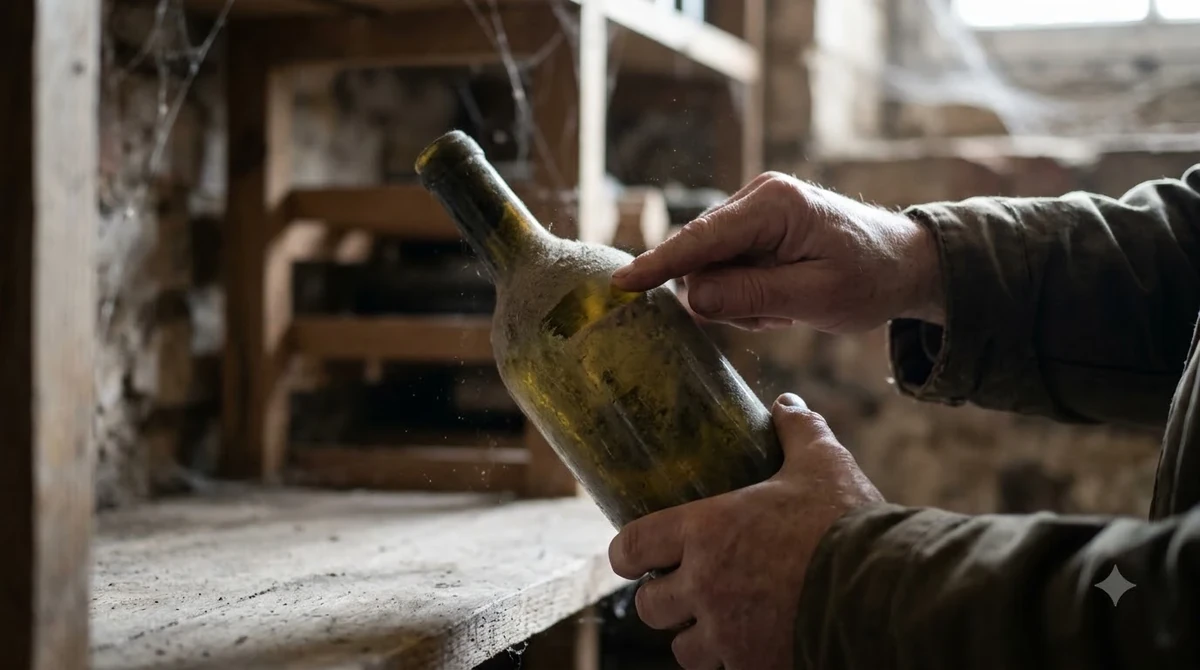
Lodi, in California’s Central Valley, is one of the regions most often linked with older Zinfandel vines. The sandy soils found in parts of the Lodi area are known to resist phylloxera, the root pest that devastated many European vineyards, which helped some very old plantings survive.
Old vine Zinfandel is not limited to one place. The California Zinfandel Advocates & Producers group, known as ZAP, promotes the preservation of Zinfandel and lists the Old Vine Conference among its regional events, with Lodi appearing alongside Sonoma, Napa, and Contra Costa. Looking at where a bottle is grown can tell you a lot about the style you are getting.
| Feature | Old vine Zinfandel | Younger vine Zinfandel |
|---|---|---|
| Vineyard age | Planted decades ago | Planted more recently |
| Typical focus | Concentrated fruit and spice | Brighter, lighter fruit |
| Label clue | “Old vine” or named heritage vineyard | Region or varietal name only |
| Serving temperature | 60 to 68°F | 60 to 68°F |
Tip: Decant a bold Zinfandel for about 30 minutes before serving. The aeration softens the tannins and lets the spice come forward.
How to serve old vine zin
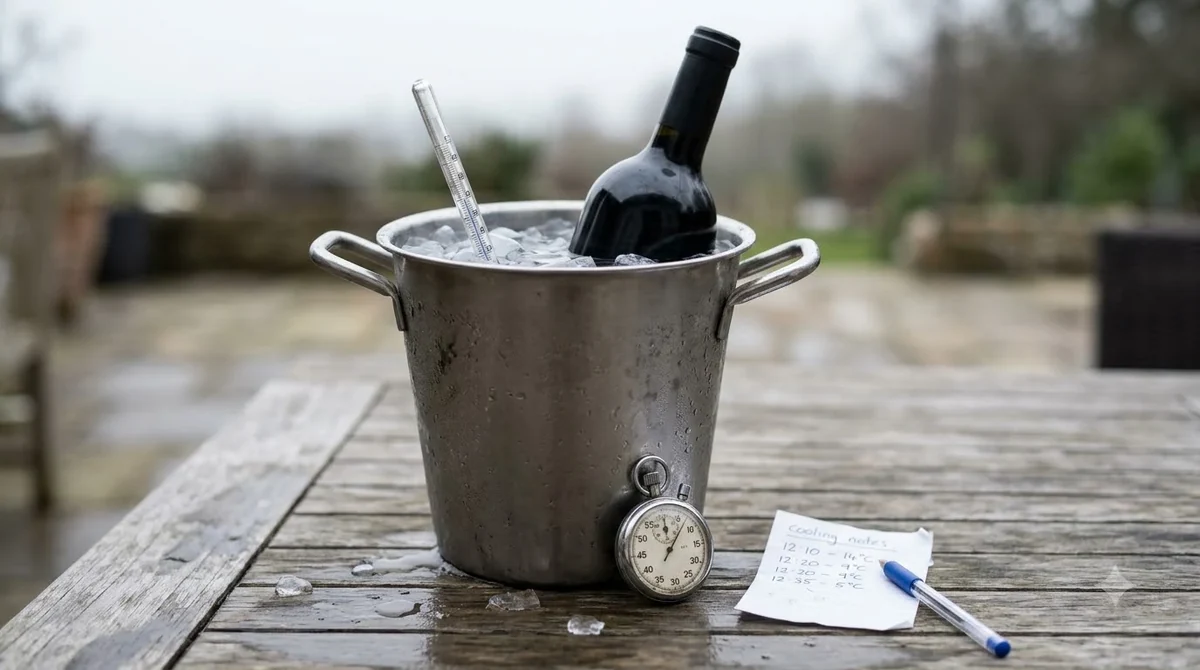
The Wine Folly profile recommends serving Zinfandel between 60 and 68°F. That is cooler than many people expect for a red, and it keeps the wine from tasting heavy or hot with its higher alcohol. A short time in the refrigerator can bring a warm bottle into range before you pour.
A universal glass works well for everyday drinking, while a larger bowl gives the aromas more room if you want to savor the spice. Decanting for about 30 minutes is a useful step for younger, firmer bottles, and it helps the wine open over the course of the meal.
Once opened, re-cork the bottle and keep it in a cool place. Zinfandel generally holds up for a day or two after opening, though the fruit can soften and the spice can fade. Many older bottles also reward patience, since the profile describes cellaring for roughly five to ten years, which lets the tannins mellow and the flavors settle into a more integrated balance.
Food pairings for Zinfandel
Zinfandel’s ripe fruit and spice make it a natural partner for barbecue. Ribs, pulled pork, grilled chicken, and burgers all match the wine’s savory edge and sweet fruit. Roast lamb and game meats also work well because the tannins can handle richer cuts of meat.
Spices are an unusually good match. The profile lists Moroccan and Turkish spices, cumin, black pepper, rosemary, and cinnamon, all of which echo flavors already in the glass. Sharp cheddar, smoked gouda, and grilled halloumi are also strong choices on a cheese board.
How to choose an old vine Zinfandel
Start with the label. A named vineyard, a specific region, or a clear statement about the vines tells you more than a generic Zinfandel label. Producers that highlight heritage plantings often explain what makes the fruit distinctive, so the back label and the winery’s notes are worth reading.
Think about the occasion and the guests. A bold, fruit-forward bottle suits a summer cookout with friends, while a more restrained one may be better with a slow-roasted dinner. Reading a few tasting notes from wine writers before you buy also helps you match the style to what you enjoy most. If you enjoy the style and want to explore similar reds, the Austin Hope red wine page shows another bold California red that many drinkers compare with Zinfandel.
Frequently Asked Questions
What does old vine zin mean?
It refers to a Zinfandel made from grapevines that have been growing for many years. The phrase is a signal of vineyard age, but there is no single legal standard that defines it on every label.
Is old vine Zinfandel always higher in alcohol?
Not always. Zinfandel as a grape tends to produce wines above 14% ABV in many cases, and old vines can contribute to concentration. The actual alcohol level depends on the specific bottle, so check the label.
Should old vine zin be served chilled?
It is best served slightly cooler than room temperature, around 60 to 68°F. That range keeps the fruit lively and stops the alcohol from feeling overpowering.
What food goes best with Zinfandel?
Barbecue, burgers, ribs, and roast lamb are classic choices. Spiced dishes and sharp cheeses also work well because they echo the wine’s pepper and fruit.
Old vine zin is a rewarding style for anyone who enjoys bold, spicy reds with real depth. Look for the vineyard details on the label, serve the wine slightly cool, and pair it with grilled and smoky foods. For a wider view of how producers position their bottles, the wine brands guide is a helpful next step.
More in Wine Brands
 Underwood Wine Price: Compare Bottles, Cans, and Pack SizesUpdated Nov 21, 2026
 Zenato Wine Price: Compare Styles and Choose the Right BottleUpdated Nov 21, 2026
 Zuccardi Wine Price: Compare Bottles and Find the Right RangeUpdated Nov 21, 2026
 Yellow Tail Moscato Review: Taste, Sweetness and Serving TipsUpdated Nov 21, 2026
 Wolf Blass Yellow Label Review: Choose Your Best StyleUpdated Nov 21, 2026
 Wolffer Estate Rose Review: Choose the Right Bottle for Your TableUpdated Nov 21, 2026