

We may earn a commission when you buy through links on this page, at no extra cost to you. Learn more.
Old mission peninsula wine tasting offers visitors the chance to explore distinctive cool-climate wines, including Riesling, Chardonnay, Pinot Noir, and Cabernet Franc, at ten winery tasting rooms near Traverse City, Michigan. Located along Grand Traverse Bay, this compact wine region combines lake-influenced vineyards, scenic countryside, and a range of traditional and contemporary wine styles. First-time visitors can comfortably explore three or four wineries in a day while discovering why Northern Michigan has become an interesting destination for American wine.
Michigan might be better known for cherries, lakes, and summer vacations than for its vineyards, but Old Mission Peninsula offers a compelling reason to reconsider the state’s wine reputation. Its wineries take advantage of a distinctive growing environment, producing crisp whites, expressive reds, sparkling wines, and late-harvest specialties. Whether you are planning a weekend in Traverse City or building a longer wine-country itinerary, understanding the region’s geography, grapes, and tasting rooms will help you make better choices.
Understanding Old Mission Peninsula’s Wine Country
Old Mission Peninsula is a narrow agricultural region extending north from Traverse City into Grand Traverse Bay. Its cool-climate vineyards, protected growing conditions, and distinctive lake views give the area’s wines a character that differs from wines produced in warmer American regions.
The peninsula measures approximately 19 miles long and three miles wide at its broadest point. It divides Grand Traverse Bay into East Bay and West Bay, placing vineyards within the moderating influence of substantial bodies of freshwater. According to Brys Estate, West Bay reaches depths exceeding 400 feet, while East Bay extends beyond 600 feet. These deep waters help moderate temperature extremes throughout the growing season.
The region’s northern tip sits on the 45th parallel, the same approximate latitude associated with Bordeaux in France, Piedmont in Italy, and Oregon’s Willamette Valley. Latitude alone does not determine wine quality, but it helps explain why these regions can share certain broad viticultural characteristics. Old Mission Peninsula’s climate supports grapes that benefit from a longer, relatively cool ripening period rather than the intense summer heat associated with warmer wine regions.
Old Mission Peninsula received American Viticultural Area recognition on June 8, 1987. Wine Enthusiast identifies approximately 19,200 acres within the AVA, including around 1,800 planted vineyard acres. This distinction matters because an AVA identifies a geographically defined winegrowing area with characteristics that distinguish it from surrounding locations. It does not guarantee that every bottle will taste alike or that all wineries follow the same winemaking philosophy.
The surrounding landscape also contributes to the visitor experience. Vineyards share the peninsula with cherry orchards, farms, wooded slopes, beaches, and residential communities. The route north from Traverse City provides changing views of both sides of the bay, making the journey between tasting rooms part of the attraction.
Visitors familiar with Wine Regions elsewhere in the United States may recognize similarities between Old Mission and other cool-climate destinations, but its combination of freshwater influence, agricultural history, and Northern Michigan scenery makes it distinctive.
How Lake Michigan Shapes the Wines
Old Mission Peninsula’s surrounding waters create a moderating microclimate that allows cool-climate grapes to ripen more reliably than they might in some inland locations. The result is a growing environment particularly suited to aromatic whites, balanced acidity, and lighter-bodied red wines.
Lake Michigan and the two arms of Grand Traverse Bay influence temperatures throughout the year. Water retains heat longer than land, releasing warmth into the surrounding air during autumn. This can extend the period available for grapes to ripen before winter arrives. In spring, relatively cool water helps delay the warming of nearby air, reducing the likelihood of premature bud development followed by damaging frost.
These conditions are particularly important in Northern Michigan, where winter temperatures and the timing of spring frosts can create challenges for grape growers. The protective influence of the bays does not eliminate weather risks, but it creates conditions in which varieties such as Riesling, Chardonnay, and Pinot Noir can be cultivated successfully.
The peninsula’s soils also contribute to differences between vineyard sites. Wine Enthusiast describes a combination of glacially formed soils, rock deposits, clay pockets, and well-draining sandy loam. Such variation means that neighboring vineyards can produce different expressions of the same grape variety. Drainage, slope, exposure, and local temperature patterns all influence how vines develop and how grapes mature.
The growing season encourages a relatively late harvest for many red varieties. Sparkling wine grapes are generally picked first, followed by white wine grapes, while red varieties often remain on the vine longer to achieve suitable ripeness. This progression reflects the region’s cool climate and the different requirements of individual wine styles.
According to the Old Mission Peninsula Wine Trail, sparkling wine grapes can be harvested as early as August in particularly warm growing seasons, although early September is more typical. White grapes generally follow during September, while red varieties may be harvested in late October or early November.
For visitors, these seasonal differences help explain why the same winery might offer different selections at different times of the year. Harvest season also provides an opportunity to understand the agricultural work behind each bottle rather than viewing wine simply as a finished product.
Grapes and Wine Styles to Try First
Riesling is the essential starting point for understanding Old Mission Peninsula wine, but visitors should also explore Chardonnay, Pinot Noir, Pinot Gris, Gewürztraminer, and Cabernet Franc. The region produces enough variety to make a tasting flight interesting even for someone who normally prefers only one wine category.
Riesling: The Signature White
Riesling is particularly important to the peninsula’s identity. It is the region’s most planted white wine grape, and its natural acidity makes it well suited to a cool growing environment. Visitors may encounter dry, off-dry, sweet, sparkling, and late-harvest examples.
Dry Riesling generally emphasizes citrus, green apple, pear, and mineral-like impressions, while sweeter versions can offer peach, ripe orchard fruit, and honeyed flavors. The important distinction is sweetness rather than grape variety: two Rieslings from the same region can offer very different tasting experiences.
Riesling also provides a useful way to understand how acidity affects wine. Its refreshing structure works particularly well with seafood, spicy Asian dishes, pork, and foods with a noticeable amount of salt. For a first visit, compare a dry bottling with a slightly sweeter version rather than assuming all Riesling tastes sugary.
Chardonnay and Pinot Gris
Chardonnay offers another perspective on the region. Depending on winemaking choices, it can be crisp and restrained or richer with more pronounced texture. Visitors should ask whether a particular bottling was fermented or aged in stainless steel or oak, since these choices can influence its aroma, weight, and flavor.
Pinot Gris provides an approachable alternative for visitors who prefer aromatic, medium-bodied whites. It commonly shows pear, apple, citrus, and sometimes floral characteristics. Gewürztraminer is another interesting selection, offering more pronounced floral and spice aromas.
Pinot Noir and Cabernet Franc
Pinot Noir is the peninsula’s most planted red wine grape. It is generally a better match for the region’s cool growing conditions than varieties that require substantial heat to develop high levels of ripeness. Expect lighter to medium-bodied examples with red cherry, raspberry, earthy notes, and refreshing acidity.
Cabernet Franc deserves attention as well. It can offer red fruit, herbal characteristics, and moderate tannin, providing a different experience from Pinot Noir. Merlot and Gamay also contribute to the region’s red wine selection, while some producers experiment with less familiar varieties and alternative winemaking techniques.
The following table provides a useful starting point for comparing the main grapes visitors may encounter.
| Grape | Wine Style | Typical Characteristics | Food Pairing |
|---|---|---|---|
| Riesling | White | High acidity, citrus, apple, variable sweetness | Seafood, pork, spicy dishes |
| Chardonnay | White | Medium acidity, apple, pear, possible oak notes | Roast chicken, creamy pasta |
| Pinot Gris | White | Medium body, pear, citrus, orchard fruit | Salads, white fish, poultry |
| Gewürztraminer | White | Floral aromas, spice, rich fruit | Asian cuisine, aromatic cheeses |
| Pinot Noir | Red | Low-to-medium tannin, high acidity, red fruit | Salmon alternatives, mushrooms, roast poultry |
| Cabernet Franc | Red | Red fruit, herbal notes, moderate tannin | Grilled vegetables, pork, roasted meats |
| Merlot | Red | Medium tannin, softer texture, plum | Beef, lamb, mushroom dishes |
| Gamay | Red | Fresh red fruit, lively acidity, lighter body | Charcuterie, roast chicken, soft cheeses |
These are general grape characteristics rather than guarantees about individual bottles. Ripeness, fermentation, oak treatment, blending, and residual sugar all influence the finished wine. A structured Pinot Noir from one producer may feel quite different from a fruit-forward example produced elsewhere on the peninsula.
Tip: Begin with two Rieslings, preferably one dry and one sweeter, then compare a Chardonnay, Pinot Noir, and Cabernet Franc. This five-wine progression gives first-time visitors a useful overview of the peninsula’s principal wine styles.
Old Mission Peninsula Wineries Worth Visiting
The Old Mission Peninsula Wine Trail lists ten participating wineries, each offering a different combination of wine styles, tasting-room atmosphere, and scenery. Rather than trying to visit every location, choose three or four that match your interests and allow enough time to enjoy each tasting.
Chateau Grand Traverse
Chateau Grand Traverse holds an important place in the region’s history as its first licensed winery. Its pioneering grape plantings began in 1974, when 45 acres of Riesling, Chardonnay, and Merlot were established on a former cherry orchard.
For visitors interested in the development of Michigan wine, this winery provides useful historical context. Riesling is an especially appropriate starting point because it played a central role in the early development of commercial winegrowing on Old Mission Peninsula.
Chateau Chantal
Chateau Chantal is another established name, with a vineyard history connected to a former 65-acre cherry orchard. The winery produces several varieties associated with the region, including Riesling, Chardonnay, Pinot Gris, Pinot Noir, Cabernet Franc, and Gamay.
Its broad grape selection makes it a useful stop for visitors who want to compare white and red wines in one location. Its setting also makes it an appealing option for travelers interested in combining wine tasting with an overnight stay.
Mari Vineyards
Mari Vineyards represents a more contemporary side of the peninsula’s wine industry. Wine Enthusiast identifies the estate as a 60-acre property associated with winemaker Sean O’Keefe and the continued development of the region’s wine identity.
The winery is particularly interesting for visitors who want to explore varieties and styles beyond the familiar cool-climate whites. Its approach illustrates how local producers continue experimenting with grapes, vineyard sites, and winemaking methods.
Brys Estate Vineyard and Winery
Brys Estate provides an opportunity to explore the relationship between the peninsula’s geography and its vineyards. The winery’s regional information highlights the influence of the deep waters surrounding Old Mission Peninsula and the significance of its 45th-parallel location.
Its location on Blue Water Road also makes it a convenient addition to an itinerary focused on the northern portion of the peninsula. Visitors interested in vineyard scenery should consider allowing extra time rather than treating the stop as a quick tasting-room visit.
Other Tasting Rooms
The remaining wine trail members add further variety to a visit. Bowers Harbor Vineyards, 2 Lads Winery, Hawthorne Vineyards, Black Star Farms, Peninsula Cellars, and Tabone Vineyards provide additional opportunities to discover different expressions of Northern Michigan wine.
Some visitors prefer modern tasting spaces, while others enjoy smaller tasting rooms and traditional vineyard settings. The wine trail’s official winery directory provides addresses and individual website information, making it easier to compare locations before leaving Traverse City.
Reservations are encouraged at many locations, particularly for larger parties and special experiences. Walk-ins are welcome at many tasting rooms, but availability and individual policies vary. The official Old Mission Peninsula Wine Trail visitor FAQs provide practical information about group sizes, visit duration, transportation, and tasting-room arrangements.
Planning a One-Day Wine Tasting Itinerary
Three or four winery visits make a comfortable one-day itinerary for most visitors, especially when the schedule includes a proper meal and time to appreciate the landscape. Although all ten participating wine trail wineries can potentially be visited in one day, a slower schedule generally produces a more enjoyable experience.
Begin your morning in Traverse City with breakfast and a plan for transportation. The drive from downtown to the peninsula’s first tasting rooms is relatively short, and the wineries are concentrated along the peninsula’s main roads. However, tasting-room visits take time, and summer and autumn traffic can affect the schedule.
A practical itinerary might begin at Black Star Farms, followed by a stop at Chateau Grand Traverse. These locations provide an introduction to the area’s wines and history. Continue to Brys Estate or Bowers Harbor Vineyards for another tasting, then finish at 2 Lads or Chateau Chantal depending on your preferred wine styles and location.
Rather than rushing through each stop, allow approximately 30 to 60 minutes per winery. This is the time range recommended by the Old Mission Peninsula Wine Trail, although private tastings, tours, meals, and special events may require longer visits.
A Suggested Four-Stop Schedule
The following schedule provides a starting point for a relaxed visit. Actual opening hours, appointment availability, and seasonal operations should determine the final order.
| Approximate Time | Activity | Purpose |
|---|---|---|
| 10:30 AM | Black Star Farms | Begin with a relaxed introduction to regional wines |
| 11:45 AM | Chateau Grand Traverse | Explore the region’s Riesling history |
| 1:00 PM | Lunch break | Enjoy food, water, and time away from tasting |
| 2:15 PM | Brys Estate | Explore additional cool-climate wine styles |
| 3:30 PM | 2 Lads Winery | Finish with another producer’s interpretation of the region |
This schedule includes four winery stops and a lunch break, leaving room for conversations with tasting-room staff. It is a suggested itinerary rather than a statement of current operating hours or guaranteed appointment availability.
If your interests are more specialized, adjust the route accordingly. Visitors focused on Riesling can prioritize Chateau Grand Traverse and Chateau Chantal. Those interested in exploring contemporary red wines may prefer Mari Vineyards, 2 Lads, and other producers with suitable selections.
For a longer Michigan trip, consider comparing the peninsula with Willcox wine tasting in Arizona or Mornington Peninsula wine tasting in Australia. These regions offer different growing environments and wine styles, making them useful comparisons for understanding the influence of climate and geography.
Best Seasons, Tasting Etiquette, and Practical Advice
Old Mission Peninsula is a year-round wine destination, but summer and fall are particularly popular because of the scenery, outdoor tasting opportunities, and harvest activity. Spring and winter can provide quieter experiences for visitors who prefer more time to speak with winery staff.
Summer offers warm weather, green vineyards, and opportunities to enjoy outdoor tasting areas. The surrounding beaches and parks also make it easier to combine wine country with other Northern Michigan activities. However, popular weekends can bring heavier traffic and larger crowds, so advance planning is helpful.
Autumn brings harvest activity and changing foliage. It is an especially interesting period for understanding the work involved in producing cool-climate wines. The later harvest for red varieties means that vineyard activity can continue into late October and early November, depending on the weather and grape variety.
Winter and spring are alternatives for travelers who prefer a quieter visit. The wine trail encourages visitors to explore throughout the year, although individual tasting-room schedules may change. Some facilities operate with reduced seasonal hours, so confirm availability before setting out.
Reservations and Group Planning
Walk-ins are accepted at many wineries, but larger groups should contact tasting rooms in advance. The wine trail recommends arranging reservations at least one week ahead for groups of six or more during busy summer and fall periods. Its FAQ also notes that many wineries require reservations for groups of eight or more.
Private tastings and tours are available at selected locations, although harvest season can limit appointment availability. If you are organizing a birthday, anniversary, or group vacation, ask each winery about tasting formats, seating, food options, and arrival times before finalizing the itinerary.
Transportation and Responsible Planning
There is no dedicated shuttle operating between all wine trail wineries. The tasting rooms are located within approximately five miles of one another, but visitors still need to plan how they will travel safely between stops.
Designated drivers, local cab services, and private transportation are sensible options. Although tasting portions are smaller than standard restaurant pours, multiple visits can add up. A responsible itinerary should never depend on estimating whether someone is fit to drive after drinking.
How to Taste Like a Knowledgeable Visitor
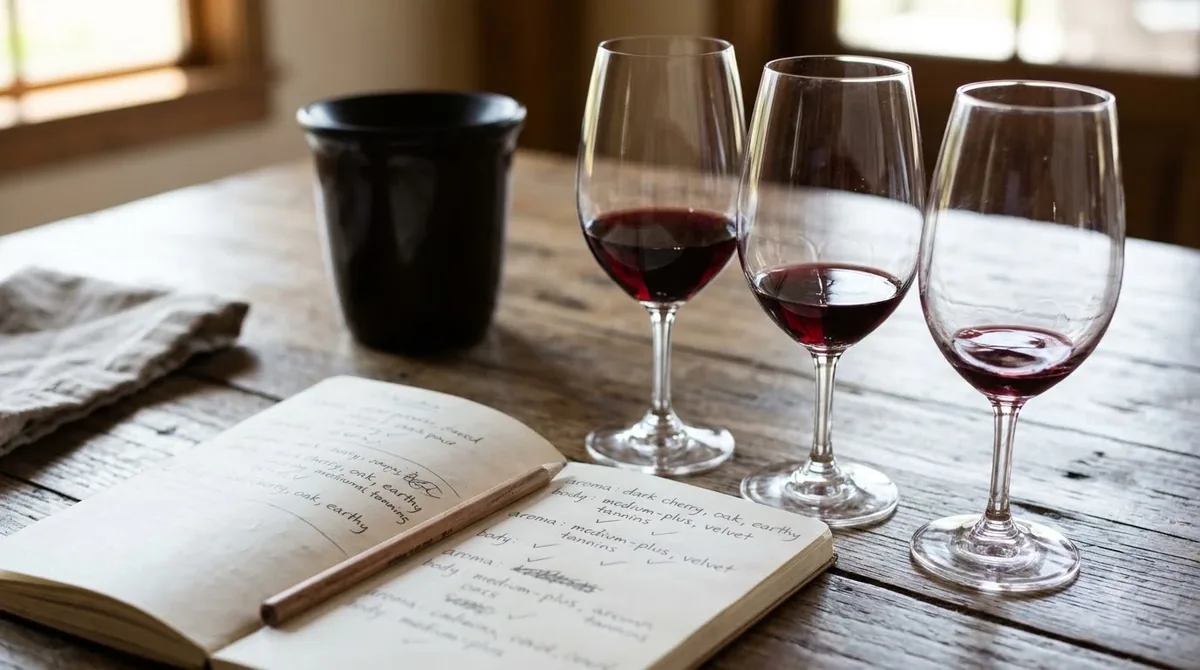
Start by looking at the wine’s color and clarity. Then smell it before taking a sip, noting fruit, floral, herbal, or oak-related aromas. Finally, consider acidity, sweetness, tannin, body, and finish rather than focusing only on whether you immediately like the flavor.
Ask staff about the grape variety, vineyard location, vintage, and production method. For example, asking whether a Chardonnay was aged in oak or stainless steel can reveal why one bottling tastes richer than another. With Riesling, ask about residual sugar so you can distinguish dry examples from sweeter styles.
Keep water available and take breaks between tastings. If you are visiting several wineries, there is no need to finish every sample. Taking notes about favorite wines and producers also makes it easier to remember which bottles you might want to revisit later.
Food Pairings and Serving Old Mission Peninsula Wines
The peninsula’s wines pair naturally with the region’s food culture, particularly freshwater fish, poultry, pork, vegetables, and locally produced cheeses. High-acidity whites are especially useful at the table because they refresh the palate and complement dishes with citrus, herbs, and moderate richness.
Riesling is one of the most versatile choices for local food. Dry Riesling works well with grilled fish, roasted chicken, and dishes with herbs or lemon. Sweeter Riesling can balance salty foods and moderately spicy preparations, provided the wine is at least as sweet as the dish.
Chardonnay is a natural match for roast chicken, creamy pasta, and dishes with mushrooms or butter-based sauces. A leaner stainless-steel style can work particularly well with simply prepared fish, while a richer oak-influenced version may suit roasted poultry and richer preparations.
Pinot Noir is a useful choice for mushroom dishes, roast poultry, and pork. Its relatively low-to-medium tannin and high acidity make it more flexible with food than many full-bodied red wines. Cabernet Franc, with its more noticeable tannin and herbal character, can complement grilled vegetables, roasted meats, and savory dishes.
Visitors should also pay attention to serving temperature. Sparkling wines are generally best served between 40 and 50°F, while light whites and rosé are usually most enjoyable at 45 to 50°F. Fuller-bodied whites can be served slightly warmer, around 50 to 55°F.
Light reds such as many Pinot Noir bottlings benefit from temperatures around 55 to 60°F. Serving them too warm can make the alcohol feel more prominent and reduce the impression of freshness. Full-bodied reds are generally served around 60 to 65°F.
Sweet Riesling and dessert wines are usually best served between 43 and 50°F. Their freshness and aromatic character become easier to appreciate when they are properly chilled rather than served warm.
When planning a meal, remember that acidity in the food should be matched by equal or higher acidity in the wine. Salt and fat can soften the impression of tannin, while very spicy dishes can make wines with substantial alcohol and tannin seem hotter. Oily fish can also clash with highly tannic reds, making a crisp white or lighter Pinot Noir a more suitable choice.
For visitors interested in dessert wines, Old Mission Peninsula offers another distinctive specialty: Ice Wine. Unlike ordinary late-harvest wine, genuine Ice Wine is made from grapes that freeze naturally on the vine. The concentrated juice creates a rich, sweet wine balanced by acidity.
The Old Mission Peninsula Wine Trail explains that Ice Wine harvesting requires temperatures of 15°F for three consecutive days. The timing varies by season, and some winters do not provide the required conditions. This makes Ice Wine a particularly interesting specialty to ask about during a winter visit or when exploring a winery’s dessert selection.
Frequently Asked Questions
Is Old Mission Peninsula part of the Traverse City wine region?
Yes. Old Mission Peninsula is part of the larger Traverse City wine country in northwest Michigan. It is a distinct AVA within the region, separate from the neighboring Leelanau Peninsula AVA. The two peninsulas are often explored during the same vacation, although each has its own collection of wineries and vineyard conditions.
Can visitors find sparkling wine on Old Mission Peninsula?
Yes. The region produces sparkling wines, including examples made from traditional cool-climate varieties. Some producers use bottle fermentation, while others use different production methods. Sparkling wine grapes are generally harvested earlier than still-wine grapes because they are picked at lower ripeness levels to preserve freshness and acidity.
What is the difference between Ice Wine and late-harvest Riesling?
Ice Wine is made from grapes that freeze naturally on the vine before harvesting, concentrating their sugars and flavors. Late-harvest Riesling is produced from grapes left on the vine longer to achieve additional ripeness, but freezing is not necessarily required. Both styles can be sweet, but Ice Wine has a more specific production requirement.
Is Old Mission Peninsula suitable for a wine trip with children?
Yes, many tasting rooms allow children, and the wine trail confirms that children are welcome at participating wineries. Some locations offer kid-friendly beverages or activities. However, indoor tasting-room pet policies differ from child policies: animals other than service animals are generally not permitted inside licensed tasting rooms.
Can visitors cycle between Old Mission Peninsula wineries?
Although cycling between wineries is physically possible, the official wine trail cautions that the route can be challenging. The peninsula contains numerous hills, and some roads carry substantial traffic. Visitors considering a cycling itinerary should evaluate road conditions, route difficulty, and transportation arrangements rather than assuming the short distances make the route easy.
Old Mission Peninsula offers a rewarding introduction to Michigan wine, combining distinctive Riesling, expressive cool-climate reds, and a landscape shaped by Grand Traverse Bay. Plan three or four winery visits, leave time for local food and scenery, and approach each tasting with curiosity. The result is a wine-country experience that reveals why this small Northern Michigan peninsula deserves attention among America’s distinctive regional wine destinations.
More in Wine Regions
 Willcox Wine Trail: Discover Arizona’s High-Elevation Wine CountryUpdated Nov 20, 2026
 Yakima Valley Wine Region: Find the Best Styles to TryUpdated Nov 20, 2026
 Vosne Romanee Wine Tasting: Identify Aromas and Choose Better PairingsUpdated Nov 20, 2026
 Yakima Valley Wine Festival: Find the Best Seasonal Wine EventsUpdated Nov 20, 2026
 Wales Vineyards: Discover Cool-Climate Wines and Where to VisitUpdated Nov 20, 2026
 Yountville Wine Festival: Discover Napa Wines and Local FoodUpdated Nov 20, 2026