


We may earn a commission when you buy through links on this page, at no extra cost to you. Learn more.
Dry Norton wine typically contains about 3 to 4 grams of carbohydrates per standard 5-ounce glass, putting norton carbs right in line with other dry red wines. Because winemakers ferment almost all of the grape sugar into alcohol for traditional dry bottlings, residual sugar stays minimal—usually under 4 grams per liter, or less than 0.6 grams of actual sugar in a single pour. However, sweet, semi-sweet, or fortified Port-style Norton wines retain unfermented sugars and can carry anywhere from 10 to over 15 grams of carbs per serving.
If you track carbohydrates on a keto, low-carb, or macro-conscious eating plan, native American grape varieties can feel like a mystery compared to mainstream European grapes. Norton—the official state grape of Missouri and a historic pillar of Virginia viticulture—produces an intensely dark, full-bodied red wine that fits comfortably into most moderate carb budgets when bottled dry. Knowing how fermentation, sweetness levels, and serving sizes affect the glass in front of you makes it easy to enjoy this distinctive American grape without guesswork.
What Norton Wine Is and Why Carbs Stay Low
Norton is a thick-skinned, blue-black wine grape native to North America that is almost always vinified as a dry red wine, which naturally keeps its carbohydrate count low. Unlike sweet Concord or Muscadine wines that are often bottled with added sugar, classic Norton undergoes complete fermentation, leaving very little unfermented sugar behind.
Botanically, Norton (also known as Cynthiana in Arkansas and parts of the Midwest) belongs primarily to the Vitis aestivalis species rather than the European Vitis vinifera family. As Wine Enthusiast notes in its guide to Norton, Dr. Daniel Norton cultivated the vine in Richmond, Virginia, in the 1820s, creating an American grape capable of producing structured, European-style red wine without the musky “foxy” aromas common to Vitis labrusca varieties. Because the berries are small, deeply pigmented, and packed with natural acidity, winemakers treat Norton much like Cabernet Sauvignon or Syrah in the cellar.
Carbohydrates in wine come from two sources: unfermented residual grape sugars and trace non-sugar solids such as glycerol, organic acids, and soluble polysaccharides extracted from the grape skins. During fermentation, yeast consumes the natural glucose and fructose in the crushed Norton must and converts them into ethanol and carbon dioxide. When yeast finishes the job, a standard 5-ounce pour of dry red wine contains roughly 3 to 4 grams of total carbohydrates according to USDA nutrient benchmarks, with less than 1 gram coming from actual sugar. You can see how this compares across other varieties in our breakdown of dry red wine carbs.
Norton Carbs by Wine Style and Serving Size
While dry table wine is the flagship expression of Norton, wineries across the Midwest and Mid-Atlantic also bottle off-dry reds, rosés, and sweet fortified styles that carry noticeably higher carb counts. Checking the style on the label is the most reliable way to estimate how many grams of carbohydrate you are pouring.
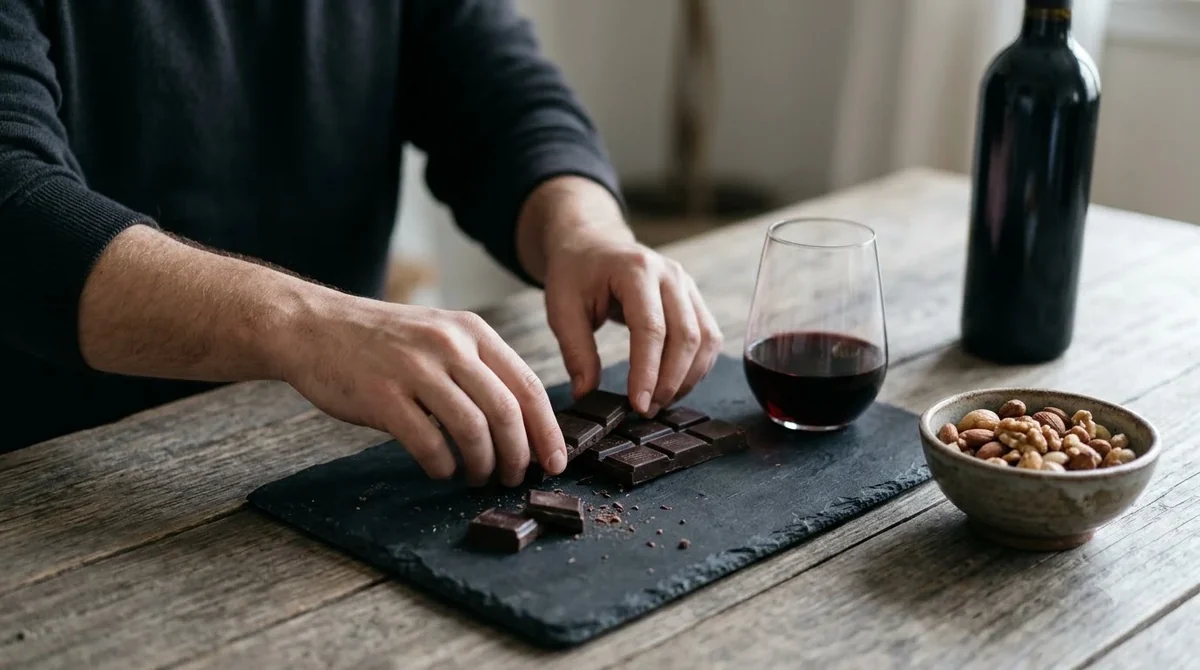
A traditional dry Norton fermented to dryness typically holds around 3 grams per liter of residual sugar, translating to roughly 3 to 4 grams of total carbs in a 5-ounce pour and around 120 to 130 calories depending on alcohol by volume (ABV), which commonly sits between 13% and 14.5%. Semi-sweet or “patio” red bottlings—often made to appeal to casual drinkers who prefer a softer finish—stop fermentation early or blend back unfermented grape juice. Those bottles can push carbohydrate counts into the 8 to 13 gram range per 5-ounce glass.
At the sweetest end of the spectrum sit fortified dessert wines. According to the Missouri Wine and Grape Board, many regional producers use Norton to craft Port-style dessert wines by adding grape brandy to fermenting must, halting yeast activity while plenty of natural grape sugar remains. Even though a standard dessert pour is smaller—usually 2.5 to 3 ounces—the concentrated residual sugar still delivers 10 to 14 grams of carbs in a modest glass, putting it closer to sweet styles covered in our guide to moscato carbs.
| Norton Wine Style | Standard Pour | Estimated Carbs | Sweetness Profile |
|---|---|---|---|
| Dry Table Red Norton | 5 oz | 3–4 g | Bone-dry to dry (minimal residual sugar) |
| Dry Norton Rosé | 5 oz | 2–3.5 g | Crisp, dry, lighter body |
| Semi-Sweet / Patio Red Norton | 5 oz | 8–13 g | Noticeably sweet, lower tannin |
| Port-Style Fortified Norton | 3 oz | 10–14 g | Rich, sweet dessert wine |
| Sweet Norton Sangria | 6 oz | 15–22 g | Sweetened with juice or fruit |
Where Norton Grows and How Climate Shapes Sugar
Norton thrives in the middle latitudes of the United States—most notably Missouri and Virginia, along with Arkansas, Texas, and parts of the Ohio River Valley—where humid summers and cold winters challenge European vines. These regional growing conditions directly influence sugar accumulation at harvest and the final alcohol and carb balance in the bottle.
In Missouri, where Norton accounts for roughly 17.7% of all vineyard acreage across more than 300 acres, the grape’s thick skins and natural resistance to fungal diseases allow it to hang late into the autumn. Warm late-summer days push sugar levels high enough to yield rich, full-bodied wines around 13.5% to 14.5% ABV once fermented dry. Winemakers in Hermann, Augusta, and the Ozark Highlands rely on this reliable ripening to craft dry, age-worthy reds without needing to add sugar before fermentation (a practice known as chaptalization).
Virginia winemakers, who revived Norton in their state in the late twentieth century after Prohibition and the rise of French vinifera had nearly erased it, work with similar humid warmth tempered by Piedmont breezes. Cooler autumn nights in Virginia’s Monticello and Shenandoah regions help preserve Norton’s signature brisk acidity. Higher natural acidity keeps the palate tasting crisp and dry even when a wine carries a tiny trace of residual sugar—say, 2 to 4 grams per liter—to round out its firm tannins.
Flavor Profile and How to Choose a Low-Carb Bottle
Dry Norton delivers a bold, savory flavor profile marked by dark berries, ripe black cherry, plum, cocoa, clove, and earthy spice rather than sugary fruitiness. Because the grape is naturally low in tannin compared to Cabernet Sauvignon yet very high in acidity, winemakers use specific cellar techniques—and label cues—that tell you whether a bottle is truly dry.
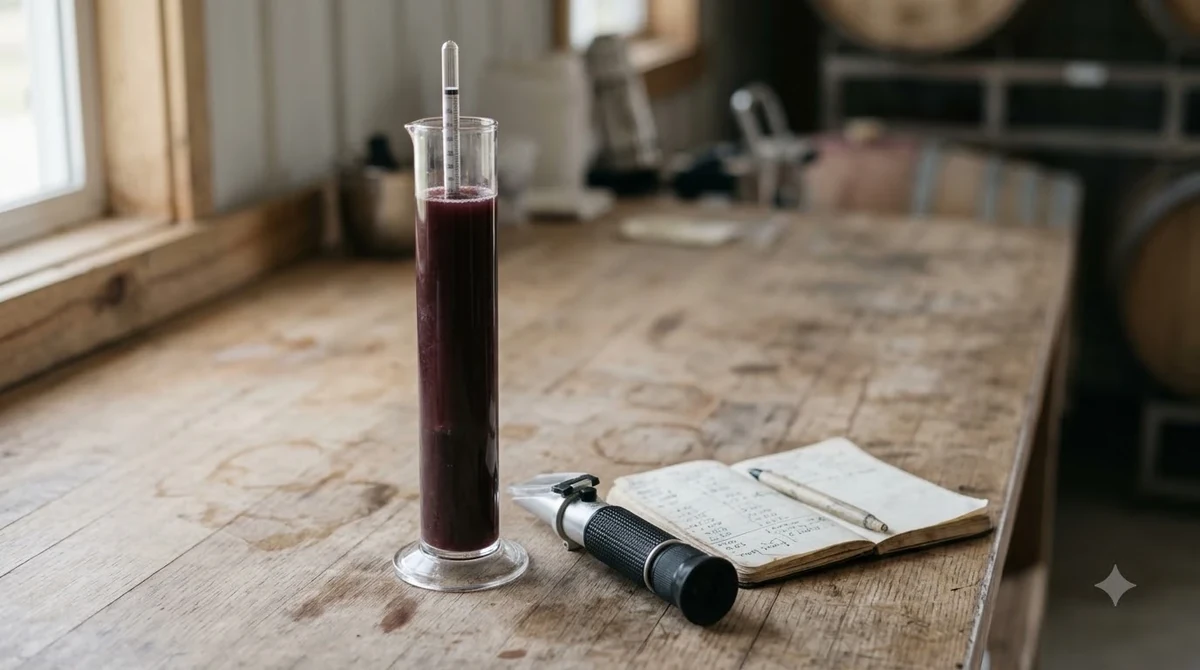
To pick the lowest-carb bottle on the shelf, look for keywords like “Dry,” “Estate Bottled,” “Reserve,” or “Claret” on the front label, and check the back label for tasting notes mentioning oak aging, spice, leather, or dark chocolate. Producers who age Norton in French or American oak barrels for 12 to 24 months almost exclusively vinify the wine completely dry, because oak spice and vanilla compounds clash with heavy residual sugar. Reviewing the broader landscape of Wine by Type can also help you spot dry cellar terms across unfamiliar regional bottlings.
Conversely, steer clear of bottles labeled “Sweet,” “Semi-Sweet,” “Sunset,” “Patio Red,” or “Port-Style” if you want to keep carbohydrates under 4 grams per glass. Many Missouri and Virginia wineries also print a sweetness scale on the back label—often a bar or spectrum running from Dry to Sweet—making it simple to confirm a dry finish before you buy.
Tip: Watch your pour size at home—standard wine glasses hold 12 to 20 ounces, so eyeballing a generous 8-ounce pour quietly bumps a 3.5-gram dry Norton serving up to nearly 6 grams of carbs.
How to Serve and Pair Dry Norton
Serving Norton slightly below warm room temperature and pairing it with protein- and fat-rich dishes highlights its bright acidity while keeping your meal naturally low in carbohydrates. Temperature and aeration play an outsized role in how dry and balanced this high-acid red tastes.
Chill a bottle of dry Norton in the refrigerator for about 20 to 30 minutes before opening so it lands around 60°F to 65°F (cellar temperature). Serving it at 72°F or warmer makes the 14% alcohol feel sharp and flattens the dark berry aromatics. Decanting younger vintages for 30 to 45 minutes also softens their brisk edge and brings out notes of espresso, cedar, and black pepper.
At the dinner table, Norton’s lively acidity cuts straight through rich, savory fats without adding carbs to your plate. Traditional regional pairings include smoked beef brisket, braised short ribs, grilled lamb chops, roasted wild mushrooms, and aged sharp cheddar or blue cheese. If you enjoy mixing red wine into warm-weather punches, keep in mind that fruit juices and liqueurs multiply the sugar load dramatically—something we break down in our look at sangria carbs.
Frequently Asked Questions
Is Norton wine keto-friendly?
Yes, dry Norton wine fits comfortably into most ketogenic and low-carb diets when enjoyed in moderation. A standard 5-ounce glass of dry Norton contains roughly 3 to 4 grams of net carbohydrates, allowing you to fit a single pour into a 20- to 50-gram daily carb limit without derailing ketosis.
Does Norton wine contain added sugar?
Traditional dry Norton wines do not contain added sugar after fermentation; any trace carbohydrates come from residual grape sugars and natural fermentation solids. However, sweet, semi-sweet, and Port-style Norton bottlings retain unfermented grape sugar or receive sweetening additions before bottling, raising their carb counts significantly.
Are Norton and Cynthiana the same grape for carb counting?
Yes, Norton and Cynthiana are genetically identical cultivars of the same native American grape, simply sold under different regional names in states like Missouri, Virginia, and Arkansas. Whether a bottle is labeled Norton or Cynthiana, a dry 5-ounce pour will have the same 3 to 4 grams of carbohydrates.
How many calories are in a glass of dry Norton?
A 5-ounce glass of dry Norton typically contains between 120 and 130 calories, depending on the exact alcohol percentage of the vintage. Nearly all of those calories come from alcohol rather than carbohydrates, as a dry 14% ABV red wine carries very little residual sugar.
Choosing a dry bottling turns Norton from an unfamiliar regional curiosity into a dependable, low-carb red wine with genuine American heritage. Stick to a measured 5-ounce pour, look for dry or oak-aged cues on the label, and serve it at cellar temperature alongside hearty grilled meats or aged cheeses.
More in Wine Types & Grapes
 What Does Mourvèdre Taste Like? Flavor Profile, Regions, and PairingsUpdated Nov 20, 2026
 What Does Marsanne Taste Like? Flavors, Styles, and Food PairingsUpdated Nov 20, 2026
 What Does Malvasia Taste Like? Styles, Flavors, and Food PairingsUpdated Nov 20, 2026
 What Does Grenache Blanc Taste Like? Flavor Profile, Styles, and PairingsUpdated Nov 20, 2026
 What Does Garnacha Taste Like? Key Flavors, Styles, and Pairing TipsUpdated Nov 20, 2026
 What Does Fruit Wine Taste Like? A Complete Flavor and Style BreakdownUpdated Nov 20, 2026