

We may earn a commission when you buy through links on this page, at no extra cost to you. Learn more.
Ningxia vineyards are located primarily along the eastern foothills of the Helan Mountains in northwestern China, where high elevations, abundant sunshine, dry conditions, and Yellow River irrigation support distinctive fine wines. The region is particularly recognized for Cabernet Sauvignon, Merlot, and increasingly popular Marselan wines. Its combination of continental climate, varied soils, and demanding winter vineyard practices gives Ningxia a character quite different from traditional European wine regions.
China’s wine industry has several important growing areas, but Ningxia has attracted exceptional international attention for the quality and ambition of its producers. From the pioneering success of Helan Qingxue to the large estates of Changyu and Xige, the region offers an increasingly diverse collection of wines. Understanding its geography, climate, grape varieties, and individual subregions helps explain why Ningxia has become one of China’s most closely watched wine destinations.
Where Ningxia’s Vineyards Are Located
Ningxia’s most important wine-growing area is the East Foothill of Helan Mountain, situated in the Ningxia Hui Autonomous Region of northwestern China. The vineyards occupy an agricultural corridor between the Helan Mountains to the west and the Yellow River plain to the east, with Yinchuan serving as a convenient regional center.
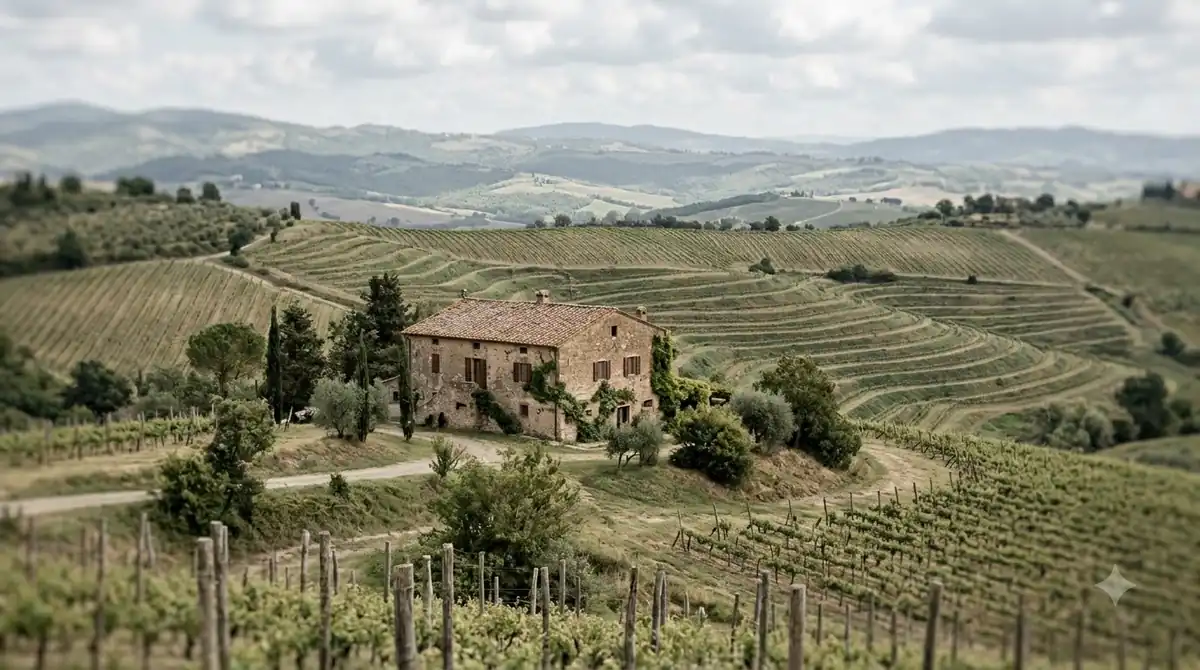
The Helan Mountains provide an important geographical boundary. Stretching approximately 200 kilometers from north to south, the range helps protect the eastern foothills from severe weather and sandstorms originating in the Gobi Desert. This creates a more favorable environment for grape growing than the surrounding arid landscape might initially suggest.
The principal vineyard area sits around 37 to 39 degrees north latitude. This places it at a similar latitude to some well-known European wine-growing areas, including Bordeaux. However, latitude alone does not determine wine style. Ningxia’s continental climate, high elevation, limited rainfall, and considerable seasonal temperature changes create growing conditions distinctly different from those of southwestern France.
Published vineyard-area figures vary according to the geographical boundaries and reporting periods being used. Decanter cites approximately 41,000 hectares of plantings for the wider East Foothill wine region, while the regional wine industry directory has documented approximately 33,000 hectares and more than 100 wineries in an earlier regional account. These figures should not be treated as measurements from the same reporting period.
The wider region is geographically diverse. Northern sites generally have more gravelly soils, while locations closer to the Yellow River contain more sandy clay. Southern vineyard areas experience different temperatures and growing conditions, giving producers opportunities to work with several grape varieties and winemaking approaches.
The area’s geographical-indication recognition is important because it connects wine origin with a defined production region. The East Foothill of Helan Mountain has an established geographical indication, and the regional wine industry has developed an identity based on its particular combination of mountain foothills, river-fed agriculture, and elevated vineyard sites.
For wine drinkers, the geographical distinction matters because a bottle identified with Ningxia points toward a specific growing environment rather than simply indicating that the grapes came from China. The mountain foothills, river-fed agricultural plain, and elevated vineyard sites are central to the region’s identity.
Climate, Soil, and the Challenges of Growing Grapes
Ningxia’s vineyards benefit from abundant sunshine, low rainfall, and substantial differences between daytime and nighttime temperatures. These conditions can encourage grape ripening while helping maintain freshness, although the continental climate also creates serious frost and winter-protection challenges.
According to official regional figures cited by Decanter, annual sunshine reaches approximately 3,100 hours, while rainfall is generally below 200 millimeters. Day-to-night temperature differences can reach approximately 15 degrees Celsius. These figures help explain why grape growing is possible in an otherwise dry landscape.
High elevation is another defining feature. Many vineyards stand above 1,000 meters, with some sites reaching approximately 1,200 meters. The elevated setting influences temperature patterns and contributes to the distinctive growing season. It also makes vineyard location particularly important when producers select varieties and decide when to harvest.
The growing season is relatively continental, with temperatures changing quickly during spring and autumn. Early-ripening grapes such as Pinot Noir and Chardonnay can develop relatively ripe, generous characteristics, while late-ripening Cabernet Sauvignon may retain more restrained, cooler-climate characteristics in suitable locations.
Understanding Ningxia’s soils
Soil conditions vary across the region. Gravelly deposits are common nearer the mountain foothills, while sandy clay becomes more prominent toward the Yellow River plain. These differences influence drainage, water availability, and vineyard management.
The regional wine industry directory describes light sierozem as a dominant soil type, with relatively low organic matter and alkaline pH values ranging from approximately 7.5 to 8.7. Gravel and sand contribute to soil porosity, although individual vineyards differ considerably.
Water management is essential. Natural rainfall alone is generally insufficient to sustain commercial vineyards, so irrigation from the Yellow River plays a major role. Drip irrigation helps producers control water application, while flood irrigation may be used where appropriate to improve soil conditions and help remove accumulated salts.
Why winter protection matters
One of Ningxia’s most unusual vineyard practices is burying vines beneath soil before winter. Temperatures can fall below minus 20 degrees Celsius, creating a serious risk of damage to exposed trunks and canes. Growers therefore cover the vines with earth toward the end of November and uncover them in spring, generally during April.
This is a demanding annual operation. Workers must protect the vines before severe cold arrives and carefully uncover them once winter has passed. The process adds labor and production costs, making Ningxia’s viticulture more complicated than the sunny vineyard landscapes might suggest.
Spring frost is another major concern. Cold air can settle in certain vineyard locations, particularly lower-lying areas and sites with cooler soils. Producers must consider frost exposure when selecting vineyard positions and deciding which varieties are suitable for individual plots.
Tip: When evaluating a Ningxia Cabernet Sauvignon, look beyond the grape name. The vineyard’s elevation, soil composition, subregion, and producer’s approach to winter protection can all influence the final wine’s character.
The Six Principal Ningxia Wine Subregions
The East Foothill of Helan Mountain is divided into six principal subregions, extending from Shizuishan in the north to Hongsipu in the south. Their differences in elevation, soil, temperature, and exposure provide useful context for understanding the range of wines produced across Ningxia.
There is an important naming distinction when reading about these areas. Decanter’s geographical overview identifies Shizuishan, Helan, Yinchuan, Yongning, Qingtongxia, and Hongsipu as the six principal subregions. Some regional directories use other names, including Jinshan, Zhenbeibu, and Yuquanying, reflecting more localized or historical vineyard and development areas. These lists should not be combined as though they describe two different sets of six equal-level appellations.
1. Shizuishan
Shizuishan occupies the northern part of the East Foothill region. Its position along the mountain corridor makes it part of the landscape where mountain influence and dry continental conditions shape vineyard development.
Gravelly soils are an important characteristic of the northern vineyard areas. These soils generally provide good drainage, while the dry climate requires careful irrigation management. Producers working here can use vineyard location and grape selection to respond to the conditions of individual sites.
2. Helan
The Helan subregion lies along the foothills and includes vineyards with substantial mountain influence. Rocky soils are particularly important in some areas, including sites with considerable gravel content.
Silver Heights is among the recognized producers associated with this part of Ningxia. Its Cabernet Sauvignon-led reds and Chardonnay provide useful examples of the region’s ability to produce both structured red wines and more restrained white styles.
3. Yinchuan
Yinchuan is an important center for the regional wine industry and contains several well-known producers. Its proximity to the regional capital has helped support winery development, tourism, and the wider commercial infrastructure required by the wine trade.
Helan Qingxue is associated with this area. Its Jia Bei Lan wine helped bring international attention to Ningxia after winning an International Trophy at the 2011 Decanter World Wine Awards.
4. Yongning
Yongning is another important vineyard area south of Yinchuan. It has attracted substantial investment from major wine businesses and international producers.
Its vineyard landscape contributes to the region’s broad range of growing conditions. Producers working across multiple sites can compare differences in soils, ripening patterns, and grape performance when assembling their wine portfolios.
5. Qingtongxia
Qingtongxia is a southern subregion with distinctive vineyard conditions. According to Decanter’s regional coverage, its sandy soils are generally well drained, while cooling air moving from the nearby desert contributes to vineyard ventilation.
Xige Estate is among the prominent producers associated with Qingtongxia. The estate is particularly interesting for its scale and its work with Cabernet Gernischt alongside other varieties.
6. Hongsipu
Hongsipu is the southernmost of the six principal subregions. Its vineyard elevations can reach approximately 1,200 meters, and the area experiences particular exposure to cold conditions and spring frost.
Its growing environment differs from the more northerly parts of Ningxia, making it important for understanding regional variation. Producers must pay close attention to frost risk and the suitability of individual grape varieties, especially in vineyards where the growing season is more challenging.
| Subregion | Position | Notable characteristic |
|---|---|---|
| Shizuishan | North | Mountain-influenced growing conditions |
| Helan | North-central | Gravelly foothill soils |
| Yinchuan | Central | Established winery concentration |
| Yongning | South-central | Major commercial vineyard development |
| Qingtongxia | South | Sandy soils and cooling airflow |
| Hongsipu | South | Elevated sites and spring frost risk |
These six areas should not be treated as producing six completely separate wine styles. Individual vineyard elevation, soil, grape selection, and winemaking decisions can be just as important as the subregion name. Nevertheless, understanding the geographical structure makes it easier to compare bottles and appreciate the range of conditions available to Ningxia producers.
The Main Grape Varieties Grown in Ningxia
Cabernet Sauvignon is the most recognizable red grape associated with Ningxia, but the region grows a wider selection of international varieties. Merlot, Marselan, Cabernet Gernischt, Pinot Noir, Malbec, and Syrah also contribute to its developing identity, while Chardonnay, Riesling, and Viognier represent important white-wine options.
Cabernet Sauvignon
Cabernet Sauvignon is central to Ningxia’s reputation for fine red wine. The variety’s thick skins and naturally high tannin make it well suited to structured red wines that can develop additional complexity through oak aging and bottle maturation.
In Ningxia, Cabernet Sauvignon can show ripe black fruit, cassis, dark cherry, and herbal or savory notes. The exact profile depends on the growing site, vintage conditions, harvest decisions, and the producer’s approach to extraction and oak.
For drinkers familiar with Cabernet Sauvignon from Bordeaux, Napa Valley, or Chile, Ningxia offers an interesting comparison. Some wines emphasize ripe fruit and firm structure, while others show more restrained fruit characteristics and a pronounced sense of freshness.
Merlot
Merlot is another important Bordeaux variety in the region. Compared with Cabernet Sauvignon, it generally has softer tannins and a rounder mouthfeel, making it useful both in blends and as a varietal wine.
Ningxia Merlot can offer plum, black cherry, and red-fruit characteristics, sometimes accompanied by cocoa, spice, or oak-derived flavors. Its softer structure can also help balance Cabernet Sauvignon in traditional Bordeaux-inspired blends.
Marselan
Marselan is one of the varieties attracting increasing interest in Ningxia. Created by crossing Cabernet Sauvignon and Grenache, it combines characteristics of both grapes and can produce deeply colored wines with substantial flavor concentration.
Producers have explored different expressions of Marselan. Some wines emphasize dense dark fruit, oak, and firm structure, while others aim for greater freshness, floral aromas, and more restrained extraction.
Its growing popularity reflects Ningxia’s willingness to look beyond the most familiar Bordeaux varieties. Marselan offers an opportunity to establish a distinctive regional identity rather than simply reproduce established European wine styles.
Other red varieties
Pinot Noir, Syrah, Malbec, and Cabernet Gernischt add further diversity. Pinot Noir generally has lower to medium tannin and relatively high acidity, although warm growing conditions can produce a riper expression than expected from cooler-climate examples.
Syrah can offer dark fruit, pepper, and savory characteristics, while Malbec often produces deeply colored wines with generous fruit. Cabernet Gernischt, a variety associated with China’s wine history, also appears in regional blends and varietal bottlings.
Some producers have explored additional varieties such as Petit Verdot and Cabernet Franc. Their presence demonstrates that Ningxia’s experimentation extends beyond the most familiar international grapes.
White grape varieties
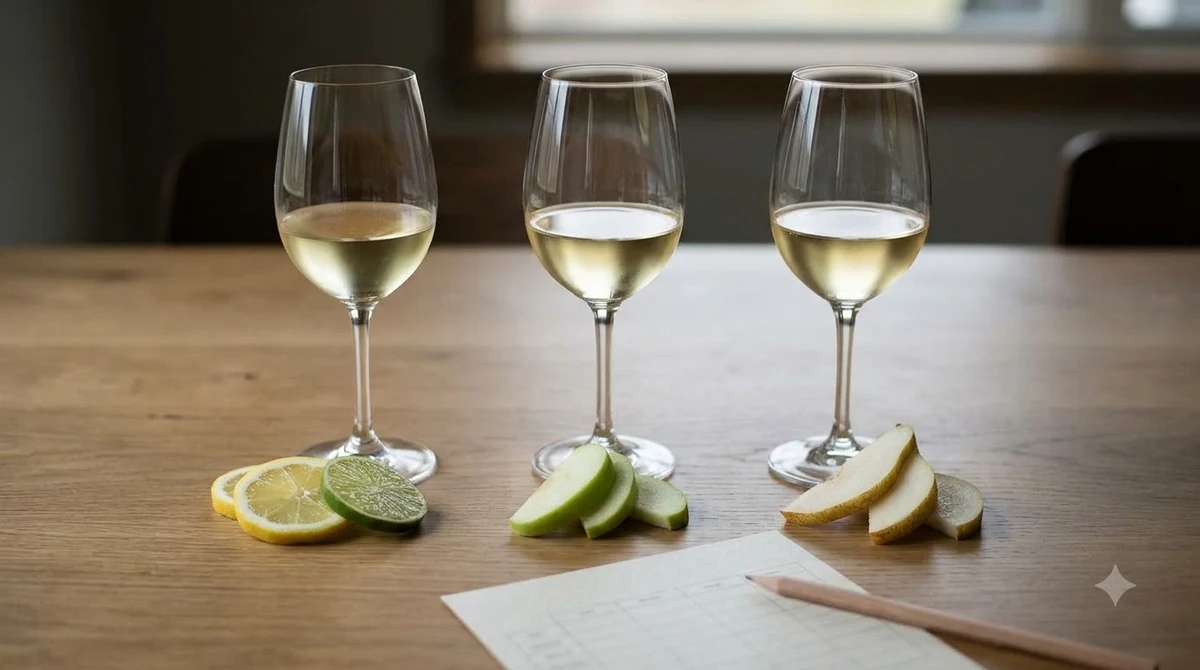
Chardonnay is among the best-known white grapes grown in Ningxia. Depending on the producer, it can produce wines with citrus, orchard fruit, and richer stone-fruit characteristics. Oak treatment and malolactic fermentation can add creamier textures and flavors.
Riesling and Welschriesling provide additional options for producers interested in aromatic wines with fresh acidity. Viognier offers a contrasting style, generally emphasizing floral aromas, peach, and apricot. Petit Manseng is another variety grown in the region, offering potential for concentrated aromatic wines.
The diversity of varieties matters because Ningxia’s conditions are not equally suited to every grape. Early-ripening varieties and later-ripening varieties respond differently to seasonal temperature changes, frost, and vineyard elevation. Producers increasingly use these differences to determine which grapes belong in particular vineyard sites.
Famous Ningxia Wineries and Their Wines
Ningxia’s development has attracted both major wine companies and smaller independent producers. Several estates have gained international recognition, while others are helping explore new grape varieties, winemaking techniques, and expressions of the region’s distinctive growing conditions.
Helan Qingxue
Helan Qingxue is arguably the most historically significant producer in Ningxia’s modern international reputation. Its Jia Bei Lan Grand Reserve 2009 achieved an International Trophy at the 2011 Decanter World Wine Awards, bringing considerable attention to Chinese fine wine.
The award was important because it challenged assumptions about where internationally competitive wines could be produced. At the time, Ningxia was still relatively unfamiliar to many international wine professionals.
The winery is associated with Bordeaux varieties, particularly Cabernet Sauvignon, but its portfolio also includes Chardonnay, Malbec, and Pinot Noir. Its wines offer a useful starting point for understanding the development of Ningxia’s premium wine identity.
Silver Heights
Silver Heights is another important name in Ningxia’s fine-wine scene. The estate has become associated with a more restrained approach to expressing the region’s fruit, demonstrating that Ningxia reds do not have to rely entirely on heavy extraction and pronounced oak influence.
Its wines are particularly relevant to drinkers interested in the balance between ripe fruit, freshness, and structure. Silver Heights also illustrates the growing role of smaller, quality-focused producers alongside larger commercial operations.
Chateau Changyu Moser XV
Chateau Changyu Moser XV is associated with Changyu, one of China’s major wine companies, and Austrian wine consultant Lenz Moser. The estate is known for its substantial investment in Ningxia and its Cabernet Sauvignon-centered portfolio.
Decanter reports that its Longyu Estate sources grapes from approximately 373 hectares across several subregions. This scale gives the producer access to different vineyard conditions and the opportunity to work with fruit from multiple locations.
Xige Estate
Xige Estate is one of the prominent producers associated with Qingtongxia. Founded in 2017, the estate developed around an existing vineyard property and expanded its operations substantially.
The estate is particularly interesting for its work with Cabernet Gernischt, a grape with a notable place in Chinese wine history. Its wines contribute to the growing international visibility of the southern Ningxia subregions.
Kanaan Winery and Lansai Winery
Kanaan Winery is another recognized producer, associated with the development of independent winemaking in Ningxia. Its work contributes to the region’s range of styles and illustrates the growing importance of individual winery identity.
Lansai Winery offers another perspective, particularly through its attention to Pinot Noir and Chardonnay. Its approach demonstrates that Ningxia’s identity is not restricted to powerful Cabernet Sauvignon-based reds.
Other producers worth recognizing include Copower Jade, Huahao, Mihope, Legacy Peak, Chateau September, and Chateau Changyu Moser XV. Together, these wineries show that Ningxia is not dependent on a single producer or grape variety for its reputation.
For readers exploring unfamiliar bottles, a useful approach is to begin with Cabernet Sauvignon from Helan Qingxue or Changyu Moser XV, then compare the more restrained expressions associated with Silver Heights. Adding a Marselan from another regional producer offers another perspective on the area’s evolving wine identity.
How Ningxia Wines Taste and What to Eat With Them
Ningxia is particularly known for structured red wines with ripe fruit, noticeable tannins, and varying degrees of oak influence. Cabernet Sauvignon and Merlot blends are among the most recognizable styles, although Marselan, Syrah, Pinot Noir, and aromatic white wines broaden the regional selection.
Red wines from Ningxia commonly show blackcurrant, blackberry, plum, dark cherry, and herbal notes. Depending on the producer, additional characteristics can include cedar, tobacco, cocoa, baking spice, and roasted coffee. Oak aging can contribute these secondary aromas, while the grape variety and vineyard conditions determine much of the underlying fruit profile.
Cabernet Sauvignon wines generally have firm tannins and substantial structure. Merlot-based wines tend to feel softer, with plum and cherry fruit. Marselan can offer intense color and concentrated dark-fruit flavors, while Pinot Noir typically provides a lighter body, gentler tannins, and greater emphasis on acidity.
Food pairings for Ningxia reds
Cabernet Sauvignon and other structured Ningxia reds pair naturally with grilled beef, roasted lamb, and slow-cooked meat dishes. Their tannins work well alongside protein and fat, which soften the sensation of astringency and make the wine feel more balanced.
Regional Ningxia cuisine offers particularly interesting possibilities. Lamb is an important part of local food culture, and dishes such as shou zhua yang rou, traditionally prepared lamb served by hand, provide a natural partner for structured reds. Grilled lamb skewers seasoned with cumin and other spices can also work well with ripe Cabernet Sauvignon or Syrah.
For softer Merlot-based wines, try roasted pork, mushroom dishes, or grilled vegetables. Their gentler tannins make them versatile at the dinner table, particularly when dishes include savory sauces and moderate seasoning.
Pairing white wines
Chardonnay can work well with roast chicken, creamy pasta, grilled seafood, and dishes with buttery sauces. Wines with more oak and body are particularly suitable for richer preparations, while fresher examples work better with lighter seafood and vegetable dishes.
Riesling and other aromatic white varieties can complement spicy dishes, especially when they retain some residual sweetness. Their acidity also helps balance salty and rich foods. Viognier is a good option for aromatic dishes involving roasted poultry, herbs, and moderately spiced sauces.
One important consideration is chili heat. High alcohol and tannin can make spicy food seem hotter, so heavily spiced dishes are generally better suited to fresh, aromatic whites than powerful, tannic reds. Oily fish also tends to work better with white wines than with strongly tannic Cabernet Sauvignon.
Serving temperature and storage
Serving temperature has a noticeable effect on the perception of fruit, alcohol, and tannin. Full-bodied Ningxia Cabernet Sauvignon is generally best served around 60 to 65 degrees Fahrenheit, while lighter Pinot Noir is more enjoyable around 55 to 60 degrees Fahrenheit.
Chardonnay can be served at approximately 50 to 55 degrees Fahrenheit, depending on its body and oak treatment. Aromatic, lighter white wines are generally best around 45 to 50 degrees Fahrenheit.
Young, full-bodied reds may benefit from 30 to 60 minutes of decanting before serving. This can help soften the initial impression of firm tannins and allow aromatic characteristics to become more apparent.
Standard 750-milliliter bottles provide approximately five servings when poured at 5 ounces each. Once opened, still wines generally keep for three to five days in the refrigerator when properly sealed. For longer-term storage, keep bottles away from direct sunlight and temperature fluctuations, ideally in a cool environment near 55 degrees Fahrenheit. Bottles with natural cork closures are generally stored on their sides.
Readers exploring other regions can compare Ningxia’s continental growing conditions with the maritime influence found among Tasmania vineyards. The contrast is useful for understanding how climate influences acidity, ripening, and wine style.
The History and International Recognition of Ningxia Wine
Ningxia’s modern fine-wine industry is relatively young, but its rise has been remarkably rapid. Early commercial development began in the 1980s, while significant investment in vineyards, wineries, and regional infrastructure during the late 1990s and early 2000s helped establish the foundations of its present reputation.
Evidence of grape growing in the wider area goes back much further. Decanter reports historical evidence of vines in the region dating back approximately 2,000 years, during the period associated with Zhang Qian’s diplomatic journeys and the development of Silk Road connections.
However, historical grape growing should not be confused with the modern fine-wine industry. The commercial development of Ningxia’s vineyards began much more recently, with early research and investment helping identify the potential of the East Foothill of Helan Mountain.
The early development of modern vineyards
During the 1980s, researchers began investigating the region’s suitability for quality grape growing. Professor Li Hua was among the figures associated with the early recognition of Ningxia’s viticultural potential.
Yuquanying Winery began construction in 1984, representing an important milestone in commercial development. The 1990s brought additional research into the region’s saline and alkaline soils, alongside investment intended to transform previously difficult agricultural land into productive vineyards.
In 1998, approximately 3,000 hectares of wine grapes were planted along the area between the Helan Mountains and the Yellow River plain, according to Decanter’s historical account. This planting program helped establish the modern vineyard landscape that would later attract international attention.
The Jia Bei Lan breakthrough
The defining international milestone came in 2011, when Helan Qingxue’s Jia Bei Lan Grand Reserve 2009 won an International Trophy at the Decanter World Wine Awards.
The recognition was significant because it brought a relatively unknown Chinese wine region into an international competition spotlight. The achievement also encouraged further investment and gave local producers a stronger reason to pursue premium wine production.
The success was followed by the establishment of a provincial wine bureau in 2012 and the introduction of a regional wine classification system in 2013. The classification system drew inspiration from Bordeaux and reflected Ningxia’s ambitions to develop a recognizable quality hierarchy.
Geographical recognition and global exports
The region’s geographical indication, approved in 2003, provided an important foundation for identifying wines from the East Foothill of Helan Mountain. Its subsequent recognition under the China-EU geographical indications agreement further strengthened the appellation’s international standing.
According to the regional wine industry directory, the East Foothill area had more than 100 wineries and approximately 33,000 hectares of vineyards in its 2020 account. Decanter’s later regional overview cites approximately 41,000 hectares of plantings, illustrating the scale of development and the importance of checking the reporting period when comparing industry figures.
These developments have helped Ningxia move beyond its original reputation as an experimental wine region. It now has established producers, substantial vineyard investment, a growing international presence, and a developing collection of wine styles.
Its future will depend on how successfully producers manage the challenges of frost, winter vine burial, water availability, and changing consumer preferences. The most interesting developments may come from greater attention to individual vineyard sites and varieties that are particularly well suited to Ningxia’s conditions.
For readers interested in the region’s geographical details, Decanter’s report on Ningxia’s emerging fine-wine industry provides additional context on its producers, subregions, and growing conditions. The regional wine industry directory also offers an overview of the East Foothill of Helan Mountain, including its geographical background and historical development.
Readers can compare Ningxia’s development with other distinctive growing areas, such as Uruguay vineyards, where a particular grape variety and local growing conditions have helped shape a recognizable international wine identity. To explore more destinations, grape-growing traditions, and regional wine styles, browse our wider collection of Wine Regions.
Frequently Asked Questions
Are Ningxia wines available in the United States?
Yes, some Ningxia wines reach American specialist wine retailers and importers, although selection can vary considerably by location. Producers such as Changyu Moser XV, Silver Heights, and Helan Qingxue are useful names to search for. Availability is generally more limited than for established regions such as Bordeaux or Napa Valley.
Does Ningxia have an official wine classification system?
Yes. Ningxia introduced a regional winery classification system in 2013, drawing inspiration from Bordeaux’s historic classification approach. The system was developed to distinguish wineries according to quality-related criteria and support the region’s premium wine ambitions. Its structure is specific to Ningxia rather than a direct copy of Bordeaux’s historic estate rankings.
Is Ningxia wine made entirely from locally grown grapes?
Many Ningxia estate wines are produced using grapes grown within the East Foothill of Helan Mountain appellation. However, individual producers and bottlings can differ in their sourcing arrangements. Estate-grown fruit and vineyard-specific wines are particularly useful for understanding the relationship between local growing conditions and the finished wine.
What does Jia Bei Lan mean in relation to Ningxia wine?
Jia Bei Lan is the name associated with Helan Qingxue’s internationally recognized wine label. Its 2009 Grand Reserve became famous after winning an International Trophy at the 2011 Decanter World Wine Awards. The achievement is widely regarded as a turning point in international awareness of Chinese fine wine.
Can visitors tour wineries in Ningxia?
Yes, wine tourism is developing around Yinchuan and the East Foothill of Helan Mountain. Some estates offer visitor experiences, while others require advance arrangements. The regional wine industry directory provides winery information and tour-planning assistance. Visitors can also combine vineyard visits with local attractions such as the Helan Mountains and the Xixia Imperial Tombs.
Ningxia has developed from a relatively unknown wine-growing area into one of China’s most important fine-wine regions. Its high-altitude vineyards, distinctive continental climate, challenging winter practices, and increasingly diverse grape varieties make it particularly interesting to explore. For wine drinkers seeking something beyond familiar European and American appellations, Ningxia offers a compelling opportunity to discover the changing landscape of international wine.
More in Wine Regions
 Willcox Wine Trail: Discover Arizona’s High-Elevation Wine CountryUpdated Nov 20, 2026
 Yakima Valley Wine Region: Find the Best Styles to TryUpdated Nov 20, 2026
 Vosne Romanee Wine Tasting: Identify Aromas and Choose Better PairingsUpdated Nov 20, 2026
 Yakima Valley Wine Festival: Find the Best Seasonal Wine EventsUpdated Nov 20, 2026
 Wales Vineyards: Discover Cool-Climate Wines and Where to VisitUpdated Nov 20, 2026
 Yountville Wine Festival: Discover Napa Wines and Local FoodUpdated Nov 20, 2026