

We may earn a commission when you buy through links on this page, at no extra cost to you. Learn more.
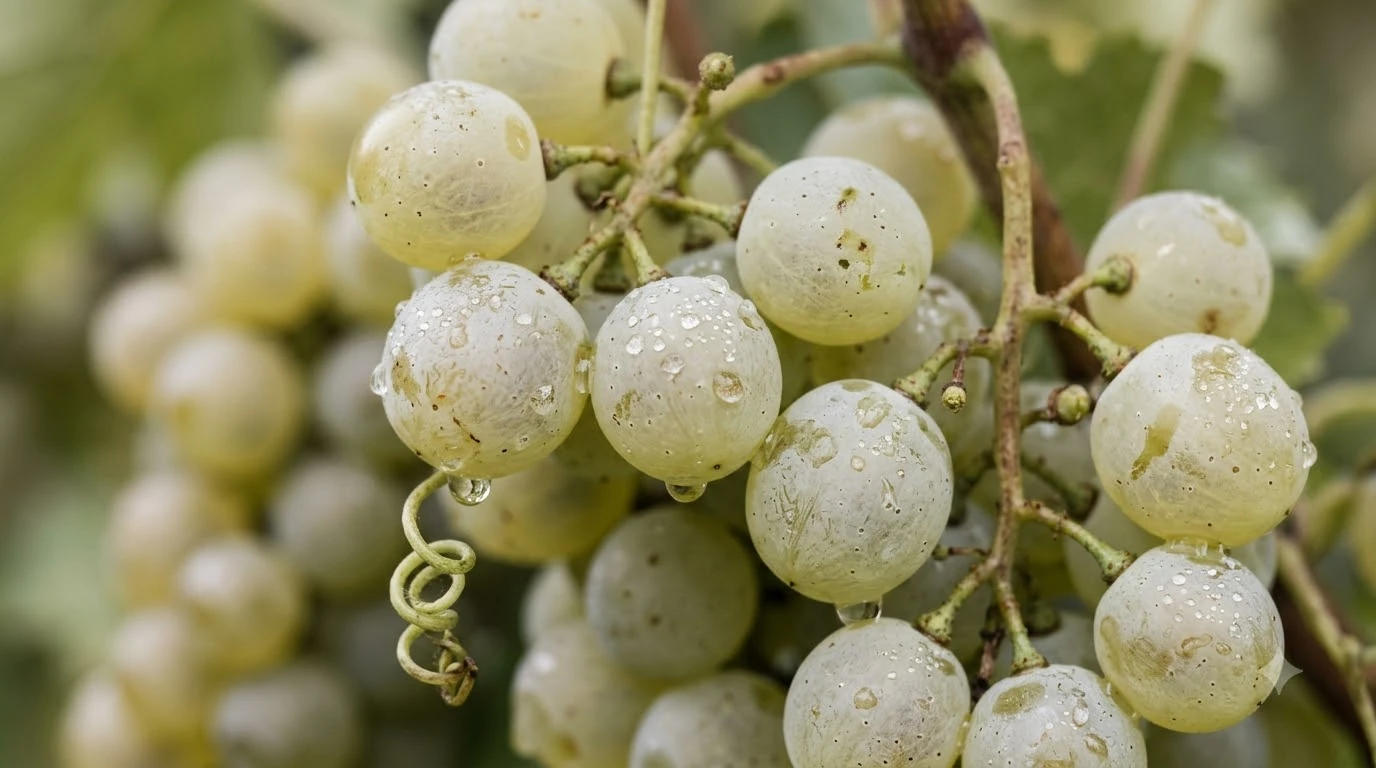
Viognier acidity sits naturally in the low to medium-low range, which gives the wine its signature lush, silky mouthfeel rather than a sharp, citrusy snap. Because the grape needs plenty of sunshine to develop its famous peach, apricot, and honeysuckle aromatics, its natural malic and tartaric acid levels drop rapidly as sugar accumulates on the vine. Winemakers balance this soft structure by harvesting during cool morning hours, choosing sites with sharp day-to-night temperature swings, or blending Viognier with crisper white varieties.
If you are used to the mouthwatering zing of Sauvignon Blanc or Pinot Grigio, taking your first sip of Viognier can feel like trading a crisp green apple for a ripe, sun-warmed peach. Understanding how acid behaves in this full-bodied white wine helps explain why it tastes so rich, why serving temperature matters so much, and which foods bring out its best qualities at the dinner table.
What Viognier Acidity Actually Feels Like on the Palate
On a standard structural scale, Viognier delivers low to medium-low acidity paired with full body and higher alcohol, typically landing between 13.5 and 15 percent ABV. Instead of making the sides of your tongue water immediately, the wine coats the center of your palate with a smooth, almost oily richness.
Wine educators at Wine Folly note that this mid-palate weight is a defining hallmark of the grape, often accompanied by a subtle, pleasant bitterness on the finish that mimics biting into a fresh rose petal or peach skin. That gentle phenolic grip steps in to provide structure where sharp acid is absent, keeping a well-made bottle from tasting flat or syrupy.
Despite its lush perfume and soft acid profile, almost all Viognier is fermented completely dry with virtually no residual sugar. The combination of ripe stone-fruit aromatics, generous alcohol, and low acid tricks the brain into perceiving sweetness, which is why exploring what Viognier tastes like often surprises drinkers expecting a dessert wine.
Why Viognier Has Naturally Lower Acidity
Viognier is a late-ripening grape whose signature floral compounds only appear once the berries reach full physiological maturity, a stage when natural acids have already declined. Harvesting too early to preserve tartness leaves the wine thin and unpleasantly green.
In an interview with Decanter, renowned Northern Rhône producer Philippe Guigal explained this exact dilemma: picking Viognier early to conserve acidity often backfires by locking in vegetal aromas instead of ripe stone fruit. Growers have to wait for full flavor development, even though every extra day of warm sunshine raises sugar levels and lowers natural acidity.
Inside the winery, producers have several ways to protect whatever freshness remains in the fruit. Many ferment Viognier in stainless steel or neutral vessels at cool temperatures and block malolactic fermentation—the bacterial conversion that turns sharper malic acid into softer lactic acid—so the finished bottle keeps as much natural lift as possible.
How Climate and Winemaking Shape Flavor and Styles
Although Viognier always leans richer than crisp alpine whites, its perceived acidity shifts noticeably depending on where the vines grow and whether the wine sees oak. Cooler nights and restrained winemaking yield brighter, more floral bottles, while warmer sites and barrel aging push the wine toward creamy opulence.
Across the broader spectrum of wine types, Viognier occupies a space similar to full-bodied Chardonnay, yet its aromatic profile is far more perfumed. Looking closely at Viognier tasting notes reveals how producers dial in texture and freshness across three distinct expressions.
| Viognier Style | Perceived Acidity | Dominant Flavors | Texture & Body |
|---|---|---|---|
| Unoaked / Stainless Steel | Medium-low (brightest style) | White peach, tangerine, orange blossom, honeysuckle | Silky, medium-plus body, clean floral finish |
| Neutral Oak or Concrete Aged | Low to medium-low | Ripe apricot, poached pear, sweet herbs, crushed rock | Round, plush mid-palate with subtle phenolic grip |
| New Oak Aged | Low (softest style) | Mango, baked peach, vanilla, toasted spice, honey | Full-bodied, creamy, rich and viscous |
Comparing Viognier to other grapes highlights just how much acid shapes a wine’s personality. While red lovers examine Pinot Noir acidity to understand how bright tartness keeps light red fruit lively, white wine drinkers look at Viognier’s softer structure to appreciate how aromatics and texture carry a wine without sharp tension.
Where Viognier Grows Best for Balanced Freshness
Viognier thrives in sunny regions moderated by cool nights, steep slopes, or nearby water, which slow down acid loss during the final weeks before harvest. Without that diurnal temperature drop, the grape quickly becomes heavy and overly alcoholic.
Its ancestral home is the Northern Rhône Valley in France—specifically the steep, granitic terraces of Condrieu and Château-Grillet—where south- and southeast-facing slopes capture afternoon warmth while evening breezes from the river cool the vines. Further south in the Languedoc, larger plantings produce fruit-forward, approachable bottles that often showcase lush orchard fruit at softer acid levels.
Outside France, winemakers seek out specific pockets with strong day-to-night cooling. In the United States, Paso Robles and California’s Central Coast rely on coastal fog to keep nights chilly, while Virginia and Washington’s Columbia Valley have earned strong reputations for aromatic, balanced Viognier. South Australia’s Eden Valley and Adelaide Hills also use higher elevation to preserve crispness beneath the grape’s tropical fruit.
How to Serve Viognier to Highlight Its Acidity
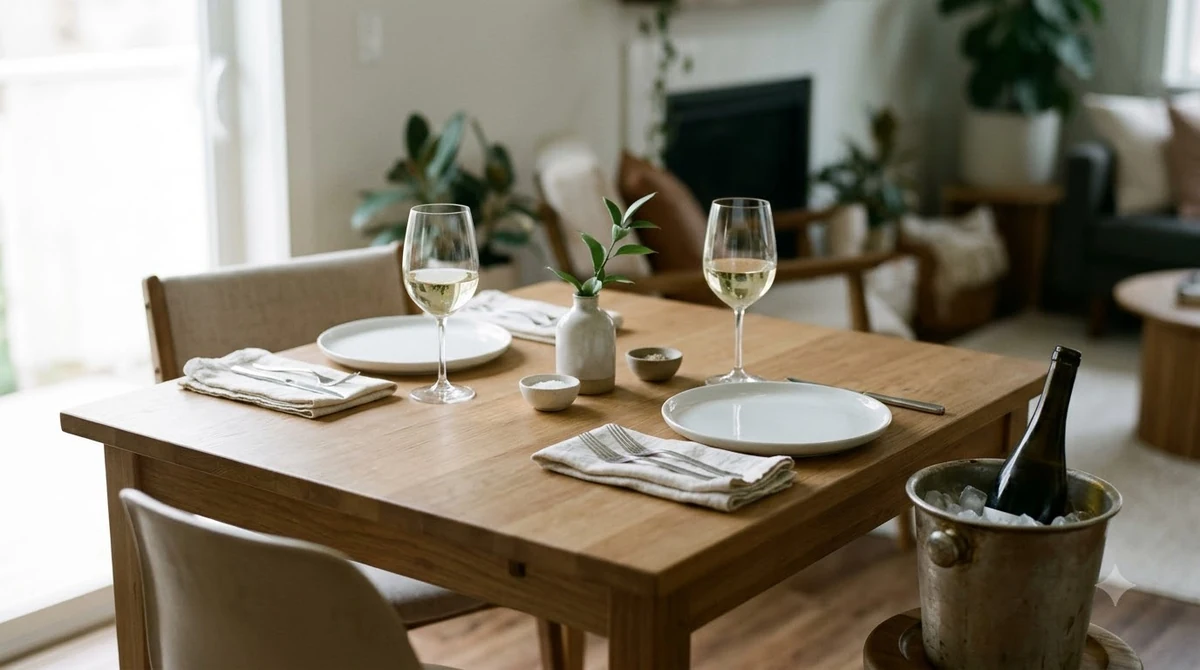
Serving temperature plays an outsized role in how crisp or heavy Viognier tastes in your glass. Serving it too warm flattens the already modest acidity and lets the alcohol feel hot on the finish, while serving it ice-cold mutes the floral aromatics.
Reviewers at Wine Enthusiast recommend chilling Viognier to between 45°F and 55°F (7°C to 13°C), which translates to roughly an hour and a half in a standard refrigerator before pouring. Unoaked, fresher styles shine near the cooler end of that window, while richer, oak-aged bottles open up nicely closer to 50°F–55°F.
Tip: If your bottle has been chilling in the fridge all day, pull it out 15 to 20 minutes before pouring so the peach and honeysuckle aromas bloom without losing their refreshing chill.
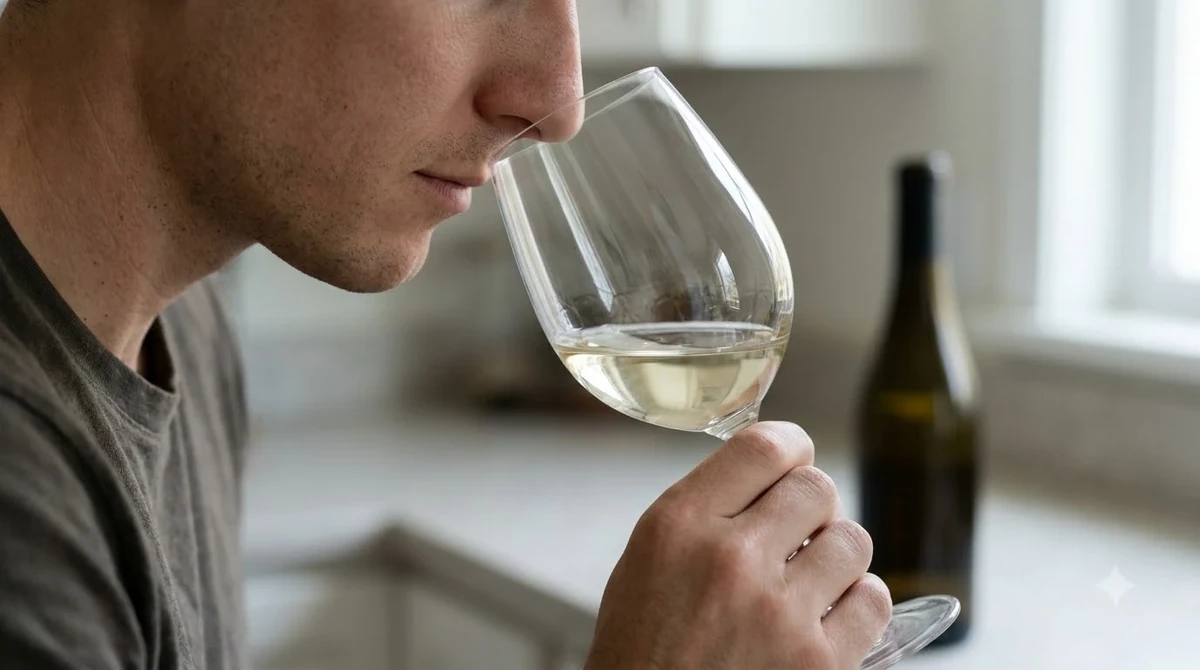
Pour Viognier into a standard white wine glass with a tulip-shaped bowl, which funnels its intense terpene-driven aromatics straight toward your nose. Decanting is rarely necessary, and most bottles are meant to be enjoyed young—within one to three years of vintage—while their primary fruit and natural freshness are at their peak.
Food Pairing Strategies for Low-Acid White Wines
Because Viognier lacks high acid to slice through heavy grease or sharp vinegar, the smartest pairings echo its aromatic sweetness and match its medium-to-full weight. Dishes built around sweet spices, roasted poultry, shellfish, and subtle fruit elements let the wine shine without exposing its softer backbone.
Moroccan chicken tagine with apricots and toasted almonds over saffron rice is a classic match, because the warm spices and dried fruit mirror the wine’s stone-fruit profile while the gentle richness complements the sauce. Pan-seared sea scallops, roasted pork tenderloin with fennel, and Thai curries flavored with coconut milk, lemongrass, or Thai basil also work remarkably well alongside Viognier’s lush texture.
On the flip side, avoid pairing Viognier with sharply dressed salads, raw tomatoes, or intensely tart goat cheese. High-acid ingredients make low-acid wines taste dull and flabby by comparison, stripping away the floral lift that makes Viognier so appealing.
How to Choose a Balanced Bottle
Shopping for a bright, well-proportioned Viognier comes down to reading a few key clues on the back label and shelf tag. Paying attention to alcohol percentage, fermentation vessel, and region helps you avoid bottles that lean overly heavy.
- Check the ABV: Bottles sitting between 13 and 13.8 percent ABV generally retain livelier natural acidity and cleaner fruit than bottles pushing 14.5 or 15 percent.
- Look for stainless steel or neutral oak cues: Tasting notes mentioning “unoaked,” “stainless steel fermented,” or “bright minerality” point toward fresher styles, whereas “new French oak” or “malolactic fermentation” signal a creamier, softer profile.
- Prioritize cool-night regions: Look for bottles from Condrieu, Washington’s Columbia Valley, Virginia, Adelaide Hills, or coastal California appellations where evening temperatures drop sharply.
- Buy recent vintages: Unless you are purchasing a top-tier Northern Rhône bottling built for five or more years in the cellar, choose a release from the last one to three years for maximum vibrancy.
Frequently Asked Questions
Is Viognier a high-acid or low-acid wine?
Viognier is a low to medium-low acidity white wine. As the grape ripens in warm sunshine to develop its signature peach and floral aromas, its natural acid levels drop, resulting in a smooth, full-bodied texture rather than a tart, mouthwatering finish.
Does low acidity mean Viognier is a sweet wine?
No, almost all Viognier is fermented completely dry with no residual sugar. The combination of low acidity, full body, higher alcohol, and ripe stone-fruit aromas creates an impression of richness that many drinkers mistake for sweetness.
Which white wine has higher acidity, Viognier or Chardonnay?
Chardonnay generally has higher natural acidity than Viognier, especially when grown in cool regions like Chablis or the Sonoma Coast. While rich, oak-aged Chardonnay can feel similarly creamy on the palate, Viognier is typically softer in acid and much more floral on the nose.
How can you make Viognier taste crisper?
Serve Viognier well chilled around 45°F to 50°F and look for unoaked bottles fermented in stainless steel from cooler-night growing regions. Avoiding heavily acidic foods like vinaigrette dressings will also keep the wine tasting fresh and balanced at the table.
While Viognier acidity will never rival the electric snap of Sauvignon Blanc or Riesling, that softer structure is precisely what allows its lush peach, tangerine, and honeysuckle flavors to unfurl across the palate. By choosing cooler-climate bottles, chilling them properly, and pairing them with aromatic, gently spiced dishes, you can enjoy Viognier at its most vibrant and balanced.
More in Wine Types & Grapes
 What Does Mourvèdre Taste Like? Flavor Profile, Regions, and PairingsUpdated Nov 20, 2026
 What Does Marsanne Taste Like? Flavors, Styles, and Food PairingsUpdated Nov 20, 2026
 What Does Malvasia Taste Like? Styles, Flavors, and Food PairingsUpdated Nov 20, 2026
 What Does Grenache Blanc Taste Like? Flavor Profile, Styles, and PairingsUpdated Nov 20, 2026
 What Does Garnacha Taste Like? Key Flavors, Styles, and Pairing TipsUpdated Nov 20, 2026
 What Does Fruit Wine Taste Like? A Complete Flavor and Style BreakdownUpdated Nov 20, 2026